
Can you start your own lawn care business with minimal upfront cost? Yes, you can! Many successful lawn care businesses begin with basic equipment and a strong work ethic. This guide will walk you through every step to launch your own profitable venture, from initial planning to long-term growth.
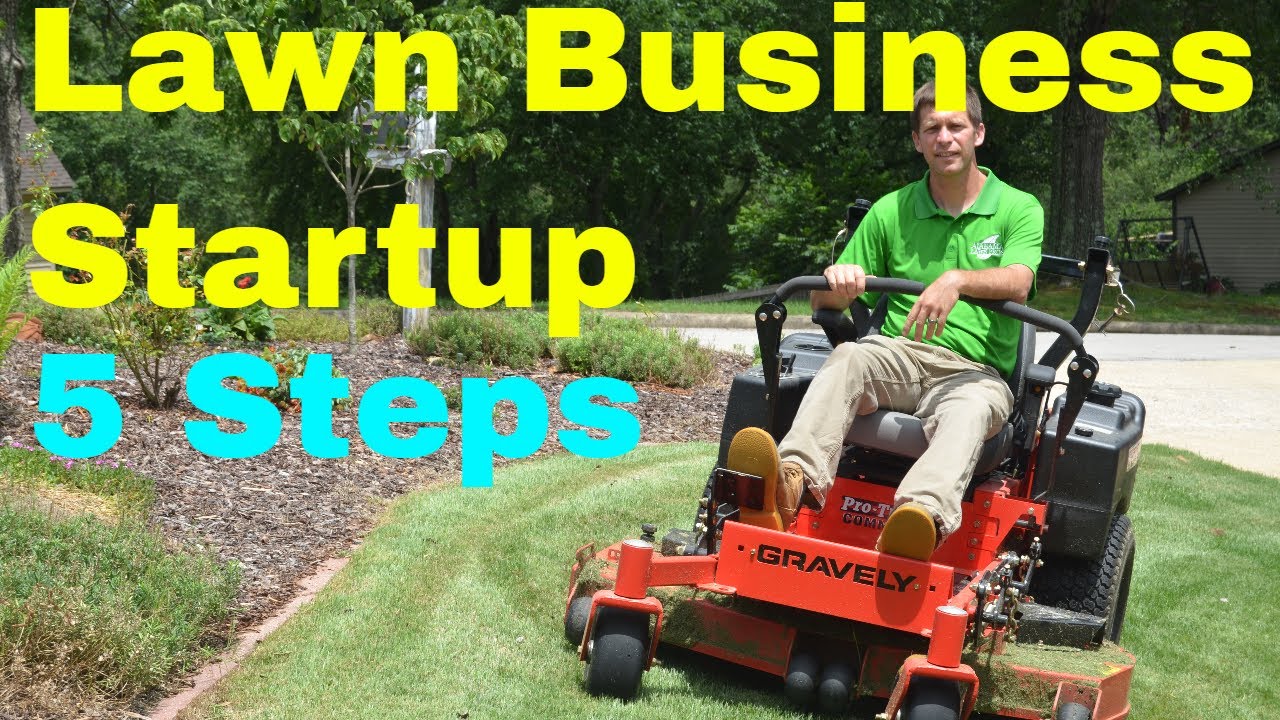
Image Source: i.ytimg.com
Launching Your Lawn Care Business Startup
Starting a lawn care business is an achievable goal for anyone with a passion for outdoor work and a knack for customer service. This journey begins with a solid foundation and a clear vision. Let’s dive into the essentials of a successful lawn care business startup.
Crafting Your Lawn Maintenance Business Plan
A lawn maintenance business plan is your roadmap to success. It helps you define your goals, identify your target market, and outline your strategies for achieving them. Think of it as your business’s blueprint.
Defining Your Services
What will you offer? Common services include:
- Mowing and trimming
- Edging
- Blowing walkways and driveways
- Weed control
- Fertilization
- Seasonal cleanups (spring and fall)
- Mulching
- Aeration and overseeding
Consider starting with a few core services and expanding as your business grows and you gain experience.
Identifying Your Target Market
Who are your ideal customers? Are they:
- Residential homeowners?
- Commercial properties (businesses, offices)?
- Homeowners associations (HOAs)?
- Property managers?
Knowing your audience helps you tailor your marketing and service offerings.
Analyzing Your Competition
Research other lawn care businesses in your area. What services do they offer? What are their prices? How do they market themselves? This information can help you find your unique selling proposition.
Financial Projections
Estimate your startup costs, operating expenses, and potential revenue. This section is crucial for securing funding if needed and for managing your finances effectively.
Legal Requirements for Lawn Care Business
Navigating the legal aspects is vital for a smooth operation. These are the foundational legal requirements for lawn care business.
Business Registration
You’ll need to register your business name. Common structures include sole proprietorship, partnership, LLC (Limited Liability Company), or corporation. An LLC is often recommended for its liability protection.
Licenses and Permits
Check with your local city, county, and state governments for required business licenses and permits. Depending on the services you offer (like pesticide application), you may need specialized licenses.
Employer Identification Number (EIN)
If you plan to hire employees, you’ll need an EIN from the IRS. Even if you don’t plan to hire immediately, it’s good practice to obtain one for banking and tax purposes.
Contracts and Agreements
Have service agreements or contracts for your clients. These should clearly outline the services provided, pricing, payment terms, and cancellation policies. Consult with a legal professional to draft these documents.
Acquiring Essential Lawn Care Equipment for Beginners
The right lawn care equipment for beginners will set you up for efficiency and quality. You don’t need a massive fleet to start.
Essential Equipment Checklist
- Commercial-grade push mower: Look for durable, reliable models.
- String trimmer (weed eater): For edging and trimming around obstacles.
- Leaf blower: To clear debris from hard surfaces.
- Edger: For crisp, clean lines along sidewalks and driveways.
- Hedge trimmers: If offering shrubbery services.
- Safety gear: Safety glasses, hearing protection, gloves, sturdy footwear.
- Vehicle: A reliable truck or van to transport equipment. A trailer is also a good investment.
- Basic hand tools: Shovels, rakes, pruners.
Buying vs. Leasing Equipment
- Buying: Owning equipment outright gives you full control and avoids recurring costs. It’s a good option if you have the capital.
- Leasing: Leasing allows you to use newer, more advanced equipment with lower upfront costs. It can be a good way to start without a large capital outlay.
Setting Your Pricing Lawn Care Services
Determining your pricing lawn care services is a delicate balance. You need to be competitive while ensuring profitability.
Pricing Models
- Per-job pricing: Based on the estimated time and effort for a specific task (e.g., mowing a quarter-acre lot).
- Hourly pricing: Charging a set rate per hour for your labor.
- Subscription-based pricing: Offering weekly, bi-weekly, or monthly service packages.
Factors Influencing Pricing
- Size of the property: Larger areas require more time and resources.
- Type of services: Basic mowing is different from complex landscape maintenance.
- Frequency of service: Recurring services often come with a slight discount.
- Complexity of the job: Steep slopes, obstacles, or overgrown areas can increase pricing.
- Your operating costs: Factor in fuel, equipment maintenance, insurance, and labor.
- Your competition’s pricing: Research what others are charging.
It’s often beneficial to visit properties for an estimate, especially for new clients. This allows you to provide accurate quotes and build rapport.
Marketing Your Lawn Care Business Effectively
Once your business is set up, you need to attract clients. Mastering how to market a lawn care business is key to its success.
Building a Strong Online Presence
In today’s digital world, an online presence is crucial.
Website Development
A professional website showcases your services, pricing, testimonials, and contact information. Include high-quality photos of your work.
Social Media Marketing
Utilize platforms like Facebook, Instagram, and Nextdoor to connect with potential customers. Share before-and-after photos, gardening tips, and special offers. Engage with your local community online.
Local SEO (Search Engine Optimization)
Optimize your website and online listings (like Google My Business) so people searching for “lawn care near me” can find you.
Traditional Marketing Methods
Don’t underestimate the power of traditional marketing.
Local Advertising
- Flyers and door hangers: Distribute them in neighborhoods you want to service.
- Local newspapers and community newsletters: Place ads in publications read by your target demographic.
- Vehicle wraps: Turn your company vehicle into a mobile billboard.
Word-of-Mouth Referrals
Encourage satisfied customers to refer you. Offer a small discount or incentive for successful referrals. Happy clients are your best advertisement.
Networking and Community Involvement
- Join local business groups: Connect with other entrepreneurs.
- Sponsor local events: Increase your brand visibility in the community.
- Offer services to community spaces: Parks or public gardens can be great showcases.
Developing Your Lawn Care Business Operations
Efficient operations are the backbone of a thriving lawn care company.
Client Management and Scheduling
- CRM (Customer Relationship Management) software: Helps you track clients, services, billing, and communications.
- Scheduling tools: Optimize routes and appointment times to save time and fuel. Consider software that allows clients to book online.
Invoicing and Payment
- Professional invoices: Clearly list services, costs, and payment due dates.
- Payment options: Offer flexibility with online payments, checks, or cash.
- Prompt invoicing: Send invoices out promptly after service completion.
Equipment Maintenance
Regular maintenance prevents costly breakdowns and extends the life of your equipment.
- Create a maintenance schedule: For mowers, trimmers, and blowers.
- Keep spare parts on hand: For common issues.
- Clean equipment after each use: This prevents buildup that can cause damage.
Hiring Lawn Care Employees
As your business expands, you may need to hire hiring lawn care employees. This is a critical step in growing a lawn care company.
Finding and Recruiting Talent
- Online job boards: Indeed, LinkedIn, local job sites.
- Local community colleges or trade schools: For horticulture or landscaping programs.
- Referrals from existing employees: They know what makes a good team member.
Interviewing and Onboarding
- Look for reliability, attention to detail, and a positive attitude.
- Conduct thorough interviews: Ask about their experience and work ethic.
- Provide comprehensive training: Cover safety procedures, equipment operation, and company standards.
Legal and HR Considerations
- Employment laws: Familiarize yourself with federal, state, and local labor laws.
- Payroll and taxes: Set up a system for paying employees and remitting payroll taxes.
- Workers’ compensation insurance: This is crucial for protecting your employees and your business.
Securing Your Business with Lawn Care Business Insurance
Lawn care business insurance is non-negotiable. It protects you from financial ruin in case of an accident or lawsuit.
Types of Insurance to Consider
- General Liability Insurance: Covers property damage or bodily injury caused by your business operations.
- Commercial Auto Insurance: For vehicles used for your business.
- Workers’ Compensation Insurance: Covers medical expenses and lost wages for employees injured on the job.
- Inland Marine Insurance (Equipment Floater): Covers your equipment against theft or damage while in transit or at a job site.
- Professional Liability Insurance (Errors & Omissions): Covers claims related to mistakes or failures in professional services provided.
How to Get Insured
- Contact an insurance broker: They can help you find policies tailored to the lawn care industry.
- Get multiple quotes: Compare prices and coverage from different insurance providers.
- Be honest about your operations: Accurate information leads to the right coverage.
Growing a Lawn Care Company
Growing a lawn care company requires continuous effort and strategic planning.
Expanding Your Service Offerings
Once you’ve mastered core services, consider adding:
- Landscape design and installation
- Irrigation system installation and repair
- Tree and shrub care
- Pest and disease management
- Seasonal decorations (holiday lighting)
Geographic Expansion
Target new neighborhoods or even adjacent towns once you have a solid client base in your initial area.
Building Strong Customer Relationships
- Consistent quality: Always deliver excellent service.
- Communication: Keep clients informed about schedules and any issues.
- Personalization: Remember client preferences and property specifics.
- Customer loyalty programs: Reward repeat business.
Financial Management for Growth
- Reinvest profits: Use earnings to upgrade equipment, hire more staff, or invest in marketing.
- Monitor your financials: Track revenue, expenses, and profit margins regularly.
- Seek funding if needed: As you scale, you might need loans or investment to support growth.
Staying Ahead of the Curve
- Invest in training: Keep your team up-to-date on new techniques and equipment.
- Embrace technology: Use software for scheduling, billing, and customer management.
- Listen to customer feedback: Use it to improve your services.
Frequently Asked Questions (FAQ)
What is the average startup cost for a lawn care business?
The average startup cost can range from $1,000 to $10,000 or more. This depends heavily on whether you buy new or used equipment, the type of equipment you need, and your marketing budget. Many start with basic equipment and grow from there.
How do I get my first clients?
Your first clients often come from your personal network (friends, family, neighbors), local flyers, and community groups like Nextdoor. Offering a special introductory discount can also help attract initial customers.
Is a lawn care business profitable?
Yes, a lawn care business can be very profitable, especially with consistent clients and efficient operations. Profitability depends on your pricing, cost management, and ability to retain customers.
Do I need a business license to cut grass?
Generally, yes. You’ll need to check with your local city, county, and state governments for their specific licensing and permit requirements.
How much should I charge for lawn mowing?
Pricing varies by location, property size, and services included. A common method is to charge by the quarter-acre or by the square footage. Research local rates and factor in your costs and desired profit margin.
When should I consider hiring employees?
You should consider hiring employees when you have more work than you can handle yourself, or when you want to take on larger contracts or offer more services. Hiring allows you to scale your business and increase revenue.
What’s the most important piece of lawn care equipment for a beginner?
While a good mower is essential, a reliable string trimmer is also crucial. It allows you to create clean edges and trim in areas a mower can’t reach, which significantly impacts the professionalism of your finished work.