
Does your lawn look sad and patchy? Are you asking, “Can I revive a dead lawn?” The answer is yes, you absolutely can! Bringing your lawn back to life is achievable with the right approach. This guide will walk you through the steps to revitalize your lawn and fix bare patches, transforming it into a lush, green space.
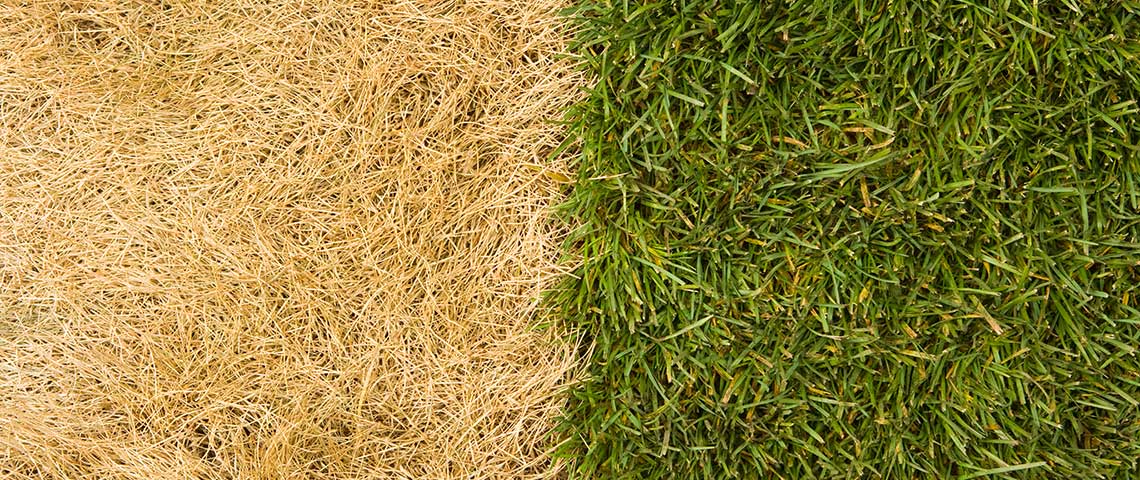
Image Source: www.pennington.com
Signs Your Lawn Needs Help
Before diving into solutions, it’s important to recognize the signs that your lawn is struggling. A healthy lawn has a vibrant green color and a dense carpet of grass. When your lawn starts to look dull, sparse, or has brown areas, it’s a clear indicator that it needs some TLC.
Common Issues Affecting Your Lawn
- Discoloration: Grass that appears yellow or brown, not due to drought, is often a sign of nutrient deficiency or disease.
- Thinning Grass: If you can see a lot of soil between grass blades, your lawn is likely thinning.
- Bare Patches: These are spots where grass has completely died and left exposed soil.
- Weed Infestation: An abundance of weeds often means your grass isn’t healthy enough to outcompete them.
- Fungal Diseases: Look for spots, rings, or powdery patches on the grass blades.
- Insect Damage: Grubs and other soil-dwelling insects can eat grass roots, leading to dead or dying areas.
Step-by-Step Guide to Revitalizing Your Lawn
Reviving your lawn involves a series of proactive steps designed to improve soil health, nourish the grass, and combat problems. Think of it as a comprehensive lawn repair guide.
1. Assess the Problem: Troubleshoot Lawn Problems
First, figure out why your lawn is struggling. Is it just dry, or is there something more serious going on?
Common Causes for a Failing Lawn:
- Lack of Water: Grass needs consistent moisture.
- Poor Soil Quality: Compacted or nutrient-poor soil can’t support healthy growth.
- Sunlight Deprivation: Grass needs sun, but too much can also be an issue in extreme heat.
- Pests and Diseases: Grubs, fungi, and other issues can damage grass.
- Improper Mowing: Cutting grass too short stresses it.
- Thatch Buildup: A thick layer of dead grass can block air and water.
Simple Diagnostic Tests:
- The Tug Test: Pull on a patch of brown grass. If it pulls out easily, grubs or disease might be the culprit. Healthy roots hold the grass in place.
- Soil Moisture Check: Stick a screwdriver into the soil. If it’s hard to push in, the soil is compacted. If it’s very dry, it needs water.
2. Prepare the Ground: Clearing the Way for New Growth
Once you know the problem, you need to prepare the lawn for repair. This might involve cleaning up dead grass and debris.
Clearing Dead Grass and Debris:
- Raking: For small areas, a stiff rake can help remove dead grass and thatch.
- Power Raking (Dethatching): For larger areas or thick thatch, a power rake is very effective. It pulls up dead grass and loosens compacted soil.
- Aeration: This process creates small holes in the soil, allowing air, water, and nutrients to reach the roots. It’s crucial for compacted soil.
Table: Aeration vs. Dethatching
| Feature | Aeration | Dethatching |
|---|---|---|
| Purpose | Relieves soil compaction | Removes thatch (dead grass layer) |
| Tool | Core aerator, spike aerator | Power rake, dethatcher, stiff rake |
| When to Do It | When soil is compacted | When thatch layer is over 1/2 inch thick |
| Effect on Lawn | Improves air, water, nutrient flow | Allows better penetration of treatments |
| Timing | Spring or Fall (active growth periods) | Spring or Fall |
3. Nourish Your Lawn: Fertilize Lawn for Strength
Healthy grass starts with healthy soil. Fertilizing provides the essential nutrients your lawn needs to grow strong and green.
Choosing the Right Fertilizer:
Fertilizers have three numbers (N-P-K) representing Nitrogen, Phosphorus, and Potassium.
- Nitrogen (N): Promotes leaf growth and green color. This is key to making your lawn green up.
- Phosphorus (P): Aids root development.
- Potassium (K): Improves overall plant health and stress tolerance.
For a general revitalizing boost, a balanced fertilizer like 10-10-10 or one with a higher nitrogen content (e.g., 20-5-10) is often recommended in the spring or fall.
How to Fertilize:
- Timing is Key: Fertilize when your grass is actively growing. For most cool-season grasses (like fescue, bluegrass, and ryegrass), this is spring and fall. For warm-season grasses (like Bermuda, Zoysia, and St. Augustine), it’s late spring and summer.
- Read the Label: Always follow the application rates on the fertilizer bag to avoid burning your lawn.
- Water It In: Water your lawn after fertilizing to help the nutrients penetrate the soil and prevent burning.
4. Repairing Bare Spots: Patching Up the Gaps
Bare patches are unsightly and can be entry points for weeds. Filling them in is essential to improve lawn health.
Methods for Fixing Bare Patches:
-
Seeding: This is the most common method.
- Prepare the Area: Loosen the soil in the bare patch with a rake. Remove any weeds or debris.
- Choose the Right Seed: Select a grass seed mix that matches your existing lawn and climate.
- Apply Seed: Spread the seed evenly over the prepared area.
- Cover Lightly: Lightly rake the seed into the soil, ensuring good seed-to-soil contact.
- Water Consistently: Keep the seeded area moist until the grass germinates and is established.
-
Patching Products: Many products combine grass seed, fertilizer, and mulch in one convenient package. These can be very effective for small bare spots.
5. Bringing Back the Green: Overseed Lawn for Density
Overseeding involves spreading grass seed over an existing lawn to fill in thin areas and improve its overall density and appearance. This is a crucial step to revitalize lawn and achieve a lush look.
How to Overseed Your Lawn:
- Timing: The best time to overseed is typically in the fall for cool-season grasses, when temperatures are cooler and there’s more moisture. Spring is also a good option.
- Preparation: Mow your lawn shorter than usual and rake aggressively to remove thatch and loosen the soil surface. Aerating before overseeding is highly beneficial.
- Seed Selection: Choose a high-quality grass seed blend that is suited to your climate and the existing grass type.
- Spreading Seed: Use a broadcast spreader or a drop spreader for even distribution. Aim for about 5-10 pounds of seed per 1,000 square feet.
- Raking and Rolling: Lightly rake the seed into the top half-inch of soil to ensure good contact. You can also use a lawn roller to press the seed into the soil.
- Watering: Keep the seeded area consistently moist. This means watering lightly and frequently, especially during germination.
- Post-Overseeding Care: Avoid heavy foot traffic on the newly seeded areas. Wait until the new grass is at least 3 inches tall before mowing.
6. Watering Wisely: The Foundation of a Healthy Lawn
Proper watering is fundamental to improving lawn health and ensuring grass thrives, especially when trying to revive dead grass.
Watering Best Practices:
- Deep and Infrequent: Water deeply so that moisture reaches the root zone (about 4-6 inches down). This encourages deeper root growth, making the grass more drought-tolerant.
- Morning Watering: The best time to water is in the early morning (between 4 AM and 10 AM). This minimizes evaporation and reduces the risk of fungal diseases compared to evening watering.
- Check Soil Moisture: Don’t just water on a schedule. Stick your finger or a screwdriver into the soil. If it’s dry a few inches down, it’s time to water.
- Adjust for Weather: Water more during hot, dry periods and less when it’s cool or rainy.
7. Mowing for Success: The Right Height Matters
How you mow your lawn significantly impacts its health and appearance. Incorrect mowing can stress grass and make it more susceptible to problems.
Smart Mowing Techniques:
- Mow High: For most grass types, setting your mower to a higher setting (e.g., 2.5 to 3.5 inches) is best. Taller grass shades the soil, keeping it cooler and reducing weed growth. It also promotes deeper root systems.
- The One-Third Rule: Never remove more than one-third of the grass blade at a time. Cutting too much at once stresses the grass.
- Sharp Blades: Ensure your mower blades are sharp. Dull blades tear the grass, leaving ragged edges that are prone to disease and browning.
- Mulching vs. Bagging: Leave grass clippings on the lawn (mulching) whenever possible. They return valuable nutrients to the soil and help retain moisture. Only bag clippings if they are very long or if you suspect a disease.
8. Weed Control: Keeping Unwanted Guests at Bay
Weeds compete with your grass for water, nutrients, and sunlight. Managing them is key to a healthy, vibrant lawn.
Effective Weed Management:
- Healthy Lawn is the Best Defense: A dense, well-maintained lawn is the most effective weed prevention.
- Identify Weeds: Knowing what type of weeds you have helps you choose the right control method.
- Manual Removal: For scattered weeds, pulling them by hand (especially when the soil is moist) is effective. Be sure to get the roots.
- Herbicides:
- Pre-emergent Herbicides: Applied in early spring before weed seeds germinate, they prevent weeds from growing.
- Post-emergent Herbicides: Applied to actively growing weeds, they kill existing weeds. Choose one that targets your specific weed types and is safe for your grass. Always follow label instructions carefully.
9. Pest and Disease Management: Protecting Your Grass
Common lawn pests like grubs and diseases like brown patch can wreak havoc. Early detection and treatment are vital.
Recognizing and Treating Issues:
- Grubs: These C-shaped larvae feed on grass roots. Look for irregular brown patches that lift easily. Control with grub treatments applied according to product instructions.
- Fungal Diseases: Signs include spots, rings, or powdery growth. Ensure proper watering and air circulation. Fungicides can be used for severe outbreaks.
- Chinch Bugs: These small insects suck sap from grass blades, causing yellowing and browning. Insecticides can help control them.
Bringing It All Together: A Revitalization Timeline
Here’s a general idea of when to tackle these tasks to bring your lawn back to life.
Spring Revitalization:
- Early Spring:
- Clean Up: Rake any leftover leaves or debris from winter.
- Aeration & Dethatching: If thatch is thick or soil is compacted, perform these tasks.
- Pre-emergent Herbicide: Apply if you have a history of annual weeds like crabgrass.
- Mid-Spring:
- Fertilize: Apply a balanced, slow-release fertilizer.
- Overseed: If you didn’t overseed in the fall, this is a good time for cool-season grasses.
- Spot Repair: Address any bare patches with seed.
- Late Spring:
- Mowing: Begin mowing regularly at the highest recommended setting.
- Weed Control: Spot treat any emerging weeds.
- Watering: Ensure consistent watering, especially if rainfall is scarce.
Summer Care:
- Mowing: Continue mowing high and only removing one-third of the blade.
- Watering: Water deeply and infrequently.
- Weed and Pest Watch: Monitor for and address any emerging issues promptly. Avoid fertilizing or heavy treatments in extreme heat, as this can stress the lawn.
Fall Revival:
- Early Fall:
- Fertilize: Apply a fall fertilizer, often higher in potassium, to help the grass prepare for winter and strengthen roots.
- Overseed: This is the prime time for overseeding cool-season grasses for maximum germination success.
- Dethatch/Aerate: If not done in spring, consider it now.
- Mid-Fall:
- Weed Control: Apply post-emergent herbicides for any remaining weeds.
- Continue Mowing: Mow as needed until growth stops.
- Late Fall:
- Final Mowing: Give the lawn a slightly shorter, final mow before winter dormancy.
- Leaf Removal: Rake and remove fallen leaves to prevent smothering the grass.
Frequently Asked Questions (FAQ)
-
How long does it take to revive a lawn?
Reviving a lawn is a process. You can see significant improvements in a few weeks, but a truly lush and healthy lawn can take a full growing season or even longer, depending on the initial condition. Consistency with care is key. -
Can I revive a lawn that is completely brown?
Yes, if the brown grass is still alive at the root, you can revive it. Brown often means the grass is stressed due to drought, heat, or lack of nutrients. If the roots are dead, you’ll need to reseed. -
Is it better to overseed or resod?
Overseeding is generally more cost-effective and allows you to use grass varieties best suited to your area. Resodding provides instant results but is more expensive and requires careful installation. For most homeowners, overseeding is the preferred method for a DIY lawn revival. -
When should I fertilize my lawn?
The best times to fertilize depend on your grass type. For cool-season grasses, fertilize in early spring and again in the fall. For warm-season grasses, fertilize in late spring and summer. Always fertilize when the grass is actively growing. -
How often should I water my lawn?
Water deeply and infrequently. Aim for about 1 to 1.5 inches of water per week, delivered in one to three watering sessions. Water in the morning to minimize evaporation and disease. Check soil moisture to determine if watering is needed.
By following these detailed steps and maintaining a consistent care routine, you can effectively bring your lawn back to life and enjoy a beautiful, green yard. Remember that patience and persistence are your greatest allies in this endeavor.