
Raccoons digging up your lawn? Yes, this is a common problem for homeowners. You might be asking, “Can I stop raccoons from digging up my lawn?” The answer is a resounding yes! This guide will walk you through proven methods to protect your lawn protection and prevent landscape damage from these nocturnal visitors. We’ll cover everything from understanding why they dig to implementing effective raccoon deterrents and ensuring humane raccoon removal if necessary. Dealing with digging prevention is key to maintaining a beautiful yard and preventing further issues with garden pests and other backyard critters.
Raccoons are intelligent, adaptable creatures that often find themselves drawn to residential areas for food and shelter. Their digging habits can wreak havoc on manicured lawns, flower beds, and even vegetable gardens, leaving behind unsightly holes and uprooted plants. This digging prevention is crucial for maintaining the aesthetic appeal and health of your landscape. While they might seem cute, their foraging activities can be incredibly frustrating for homeowners.
The primary reason raccoons dig is to find food. They are omnivores with a diverse diet, and grubs, earthworms, insects, and beetle larvae are high on their menu, especially during warmer months. Your lawn, with its rich soil, is a prime hunting ground for these tasty morsels. They use their dexterous paws to flip over sod, searching for these underground delicacies. This behavior is natural for them, but it’s certainly not ideal for your yard.
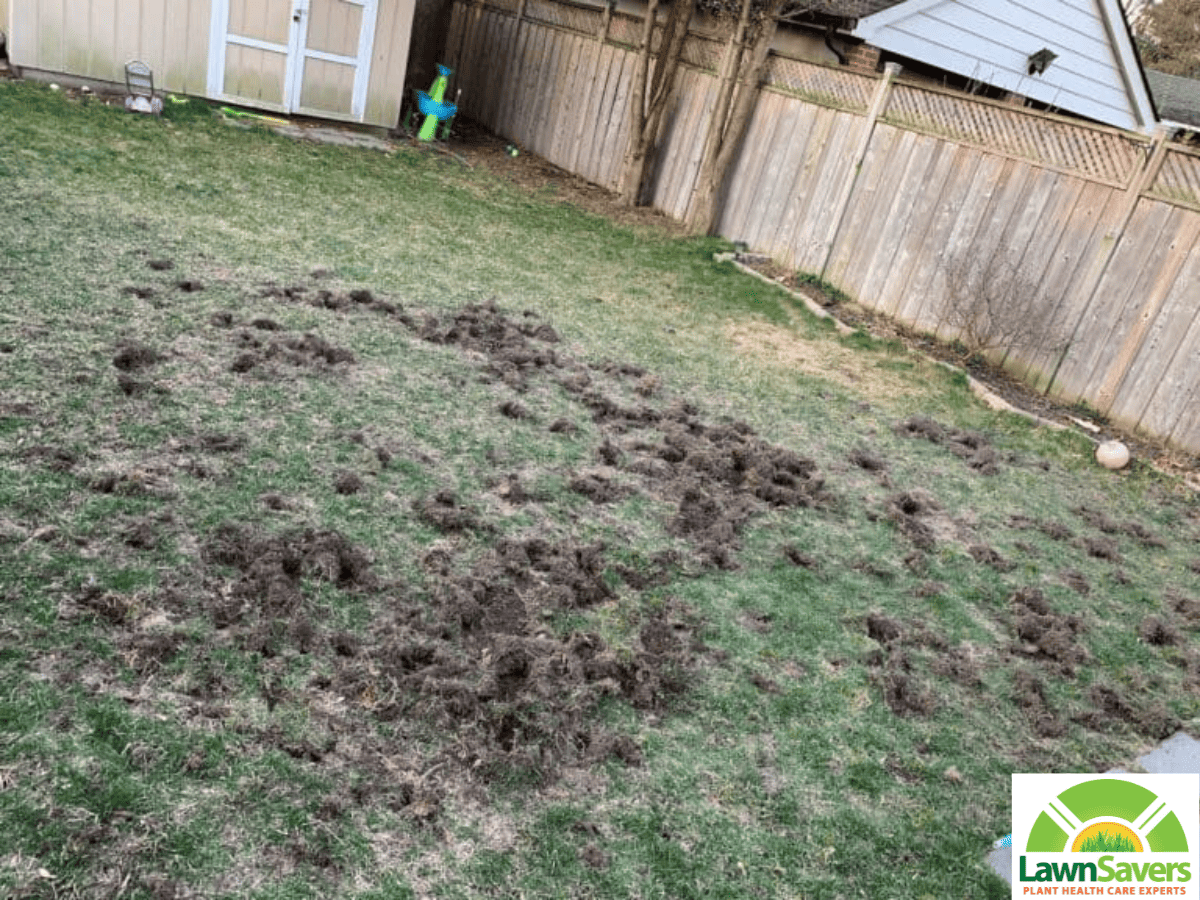
Image Source: lawnsavers.com
Why Raccoons Dig Up Lawns: A Closer Look
To effectively stop raccoons from digging, it’s helpful to comprehend why they do it. This knowledge allows for more targeted and effective solutions, making your lawn protection efforts more successful.
The Allure of Subterranean Snacks
- Grub Infestations: A common culprit is a high population of white grubs in your lawn. These C-shaped larvae feed on grass roots, weakening the turf. Raccoons, being opportunistic feeders, can smell and detect grubs beneath the surface, making your lawn an irresistible buffet.
- Earthworms and Insects: Beyond grubs, earthworms and various other insects living in the soil are also a food source. Moist soil after rain or watering can bring these to the surface or make them easier for raccoons to find.
- Nesting Material: In some cases, particularly during mating season or when seeking shelter, raccoons might dig for soft, dry soil or vegetation to line their dens. However, this is less common than foraging for food.
Seasonal Patterns of Digging
- Spring: As the ground thaws and insects become active, raccoons begin foraging more intensely. Young raccoons also start to explore and learn foraging techniques.
- Summer: Grubs are often at their peak development during summer, making lawns a prime feeding spot for raccoons and other burrowing animals.
- Fall: Raccoons are preparing for winter, and their foraging activity increases to build up fat reserves. They may also be looking for suitable den sites.
Effective Strategies for Digging Prevention
Now that we know why they dig, let’s dive into the best ways to implement digging prevention and protect your yard from these persistent visitors. We’ll explore various methods, from simple animal repellents to more advanced wildlife control techniques.
1. Address the Root Cause: Grub Control
The most effective long-term solution for digging prevention is to eliminate the food source that attracts raccoons in the first place.
Targeting Grub Infestations
- Identification: The first step is to confirm if grubs are the problem. Dig up a few small sections of your lawn. If you find more than 5-10 grubs per square foot, you likely have an infestation.
- Treatment Options:
- Beneficial Nematodes: These microscopic organisms are natural predators of grubs. Apply them to your lawn when soil temperatures are appropriate (usually late spring or early fall). This is a humane raccoon removal strategy as it removes their food without harming the raccoons directly.
- Milky Spore: This bacterium targets Japanese beetle grubs and is effective over time. It’s applied as a powder to the lawn.
- Organic Insecticides: Several organic options are available that can help control grub populations without harming beneficial insects or pets.
- Chemical Insecticides: If the infestation is severe, you might consider chemical treatments. Always follow product instructions carefully and apply during the recommended times for maximum effectiveness against grubs.
Maintaining a Healthy Lawn
A healthy, dense lawn is less susceptible to grub infestations and can better withstand minor digging damage.
- Proper Mowing: Mow your lawn at the higher recommended height for your grass type. Taller grass shades the soil, making it less hospitable to grubs.
- Adequate Watering: Water deeply and less frequently. This encourages deeper root growth, making the grass more resilient.
- Fertilization: Regular fertilization promotes a thick, healthy turf that can outcompete weed seeds and resist pests.
2. Physical Barriers and Deterrents
Physical barriers are a direct way to protect your lawn from landscape damage.
Lawn Edging and Fencing
- Sturdy Edging: Installing sturdy, deeply buried lawn edging can make it harder for raccoons to dig along the perimeter of your lawn or garden beds. Metal or thick plastic edging that extends at least 6 inches into the ground is ideal.
- Temporary Fencing: For specific areas you want to protect, such as a vegetable garden, temporary fencing can be very effective. Ensure the fencing is at least 3 feet high and buried a few inches into the ground to prevent burrowing animals from getting underneath. Chicken wire or hardware cloth is a good option.
Netting and Ground Cover
- Garden Netting: Covering vulnerable garden beds with netting or burlap can deter raccoons from digging for food or nesting material. Secure the edges well to prevent them from lifting it.
- Mulch: A thick layer of mulch can make it harder for raccoons to access grubs and can also deter them from digging in flower beds. However, some raccoons might still dig through mulch if the food source is strong.
3. Scent and Taste Deterrents
Raccoons rely heavily on their sense of smell. Using strong scents they dislike can be an effective animal repellent.
Natural Repellents
- Cayenne Pepper or Hot Sauce: Sprinkle cayenne pepper or spray a diluted solution of hot sauce around the affected areas. Reapply after rain.
- Garlic Spray: Raccoons are often repelled by strong garlic smells. You can create a spray by boiling garlic cloves in water, letting it steep, straining it, and then spraying it on your lawn and garden.
- Castor Oil: A mixture of castor oil and water (or dish soap as an emulsifier) can be sprayed on the lawn. Raccoons dislike the taste and texture.
- Ammonia-Soaked Rags: Soak rags in ammonia and place them around the perimeter of your lawn. The strong smell can act as a deterrent. Be cautious with ammonia, as it can be harmful if ingested by pets or children.
Commercial Repellents
- Granular Repellents: Many commercial granular repellents are available, often containing ingredients like castor oil, predator urine (coyote or fox), or predator scents. These can be spread directly on the lawn.
- Spray Repellents: Liquid spray repellents work similarly, using strong odors or tastes to discourage raccoons.
Important Note: Scent and taste repellents often require frequent reapplication, especially after rain or watering, to remain effective. Their effectiveness can also vary from one raccoon to another.
4. Auditory and Visual Deterrents
While less consistently effective for raccoons, some auditory and visual deterrents might offer temporary relief.
- Motion-Activated Sprinklers: These devices detect movement and spray water, startling the animal and encouraging it to leave. This is a humane and non-lethal deterrent.
- Ultrasonic Devices: These devices emit high-frequency sounds that are supposed to be unpleasant to animals but inaudible to humans. Their effectiveness with raccoons is debated, and they can sometimes affect other wildlife or pets.
- Lights: Motion-activated lights can also startle raccoons and make them feel exposed, potentially deterring them from foraging.
5. Humane Raccoon Removal and Exclusion
If deterrents aren’t enough, you might consider more direct humane raccoon removal or exclusion methods.
Live Trapping and Relocation
- Professional Assistance: If you choose to trap raccoons, it’s highly recommended to contact a professional wildlife control service. They have the expertise and equipment to trap animals safely and humanely.
- Legal Considerations: Relocation laws vary by state and municipality. It’s crucial to check local regulations before trapping and relocating any wildlife. Relocated animals may struggle to adapt to a new environment or may become a nuisance elsewhere.
- Baiting: Common baits include marshmallows, canned fish (like sardines), or cat food. Place the trap in an area where you’ve seen raccoon activity.
Sealing Entry Points
If raccoons are using your property for shelter, such as in attics or under decks, sealing entry points is crucial for wildlife control.
- Inspect Thoroughly: Look for openings under decks, porches, sheds, and around the foundation of your home.
- Secure Entry Points: Seal any holes or gaps with sturdy materials like hardware cloth, metal sheeting, or concrete. Ensure there are no animals trapped inside before sealing. If animals are inside, you may need to wait until they leave at night or use one-way doors.
6. Modifying Your Backyard Environment
Making your backyard less appealing to raccoons can significantly contribute to digging prevention.
- Secure Garbage Cans: Raccoons are notorious for raiding garbage cans. Use sturdy, animal-proof bins with secure lids. Store garbage cans in a garage or shed if possible.
- Remove Outdoor Pet Food: Never leave pet food or water bowls outdoors overnight. Raccoons are attracted to these easy food sources.
- Clear Fallen Fruit: If you have fruit trees, clean up fallen fruit promptly, as it can be a food attractant.
- Eliminate Water Sources: Standing water, such as bird baths that are not regularly cleaned or blocked drains, can attract raccoons.
When to Call the Professionals
Dealing with persistent backyard critters like raccoons can be challenging. If you’ve tried various methods and are still experiencing significant landscape damage, it might be time to seek professional help.
The Role of Wildlife Control Experts
- Assessment: Professionals can accurately assess the extent of the problem and identify the specific reasons raccoons are targeting your lawn.
- Effective Solutions: They have access to a wider range of tools and raccoon deterrents that may be more effective.
- Humane Practices: Reputable wildlife control services prioritize humane methods for humane raccoon removal and exclusion.
- Prevention Strategies: They can offer long-term solutions to prevent future occurrences.
Frequently Asked Questions (FAQ)
Q1: What are the main reasons raccoons dig in my lawn?
Raccoons primarily dig in lawns to find food, such as grubs, earthworms, and other insects living in the soil.
Q2: Can I use mothballs to deter raccoons?
While some people suggest using mothballs, they are generally not recommended as an effective or safe deterrent. They can be toxic to pets and children, and their effectiveness against raccoons is questionable.
Q3: How can I humanely stop raccoons from digging without harming them?
Focus on eliminating their food sources (like grubs), using scent and taste repellents, installing physical barriers, and employing motion-activated sprinklers. These methods are humane and aim to discourage them from your yard rather than harm them.
Q4: Is it illegal to trap and relocate raccoons?
It can be, depending on your local laws. Always check with your local wildlife agency or animal control department before trapping and relocating any wildlife.
Q5: My neighbor’s raccoon problem is affecting my yard. What should I do?
Talk to your neighbor about the issue and suggest working together on deterrent strategies. If the problem persists and is causing significant damage, consider contacting a professional wildlife control service to address the issue collaboratively.
By implementing a combination of these strategies, you can effectively deter raccoons from digging up your lawn and protect your property from landscape damage. Remember that consistency and a multi-faceted approach are key to successful digging prevention and managing wildlife control in your backyard.