
So, how fast does a lawn mower go? The speed of a lawn mower varies greatly depending on its type and design, but generally, push mowers move at a walking pace of 2-3 mph, while riding mowers can range from 5-10 mph, and high-performance zero-turn mowers can reach speeds of 10-15 mph or more.
Many people wonder about the speed of their lawn mower. Is it fast enough? Is it too fast? The answer isn’t a simple number because there are many kinds of lawn mowers. We’ll explore the different speeds of these machines to help you choose the right one and use it safely.
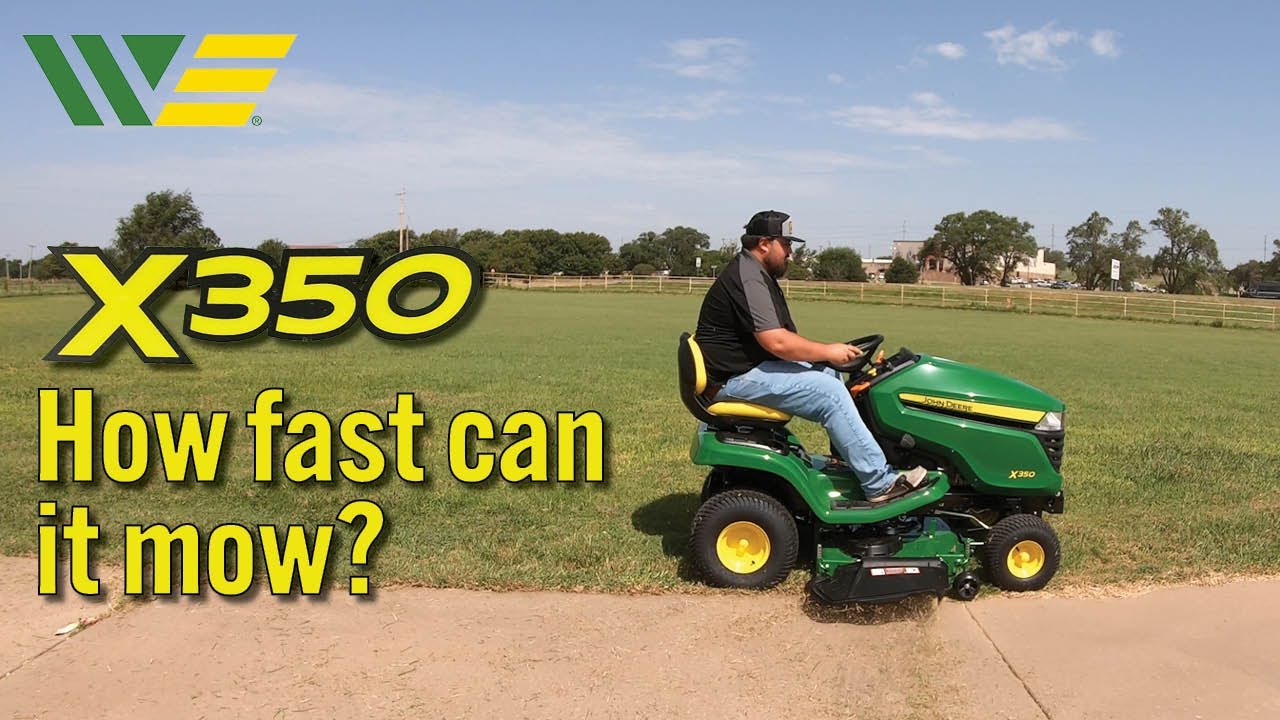
Image Source: i.ytimg.com
Deciphering Average Lawn Mower Speed
The average lawn mower speed is a broad term, but if we consider the most common types, we’re looking at a range. Push mowers, the classic workhorses of the lawn care world, are designed to move at a pace comfortable for walking. This typically falls between 2 to 3 miles per hour (mph). This speed is practical because it allows you to maneuver the mower effectively, avoid obstacles, and ensure a clean cut without rushing.
Riding mowers, on the other hand, are built for larger properties and offer a more relaxed mowing experience. Their speeds are considerably higher, often ranging from 5 to 10 mph. This allows you to cover more ground in less time.
Zero-turn mowers are the speed demons of the residential lawn care world. Known for their incredible maneuverability and speed, they can often reach speeds of 10 to 15 mph, and some specialized models can even exceed this.
Exploring Riding Mower Speed
When we talk about riding mower speed, we’re entering a different league than push mowers. These machines are designed to tackle larger lawns efficiently. The average riding mower speed can vary significantly based on the engine size, transmission type, and intended use.
- Residential Riding Mowers: These are the most common type found in suburban settings. They typically have a top speed between 5 and 8 mph. This speed is a good balance between getting the job done quickly and maintaining control.
- Garden Tractors: Often a step up from basic riding mowers, garden tractors might offer slightly higher speeds, perhaps topping out around 8 to 9 mph. They are also usually more robust and capable of handling attachments like tillers or snow blowers.
- Zero-Turn Mowers: As mentioned, these are in a class of their own for speed. The zero-turn mower speed is often significantly higher, with many residential models capable of reaching 10 to 12 mph. Professional-grade zero-turn mowers can even push past 15 mph.
The question how fast is a riding mower really depends on which model you’re looking at. A small rear-engine rider will be slower than a large garden tractor or a powerful zero-turn.
Factors Affecting Riding Mower Speed
Several factors influence how fast a riding mower can go:
- Engine Power: A larger, more powerful engine generally allows for higher speeds.
- Transmission Type: Hydrostatic transmissions are common in riding mowers and offer variable speed control, allowing you to adjust speed on the fly. Some older models might have gear transmissions.
- Tire Size and Grip: Larger tires can sometimes influence speed, though more importantly, they impact how the mower handles different terrains. Good tire grip is crucial for safely achieving higher speeds.
- Terrain and Slope: Mowing on a steep hill or uneven ground will naturally reduce your effective speed for safety reasons.
- Cutting Deck: While the deck itself doesn’t directly limit speed, the power required to drive the blades and the deck can indirectly affect how fast you can comfortably mow without sacrificing cut quality.
Delving into Push Mower Speed
Push mowers are the most traditional type of lawn mower. The push mower speed is directly tied to the pace at which you walk.
- Manual Push Mowers (Reel Mowers): These are the slowest, relying entirely on your physical effort. The speed is dictated by your walking pace, typically around 2 to 3 mph.
- Self-Propelled Push Mowers: These mowers have a drive system that propels them forward, making them easier to push. The average push mower speed for self-propelled models is also around 2 to 3 mph, though some may have variable speed controls allowing for slight adjustments. The goal here isn’t speed, but rather reducing the physical effort required.
When considering push mower speed, it’s important to remember that the primary design goal is not to get the job done as quickly as possible, but to provide a manageable and effective way to cut smaller to medium-sized lawns.
The Swiftness of Zero-Turn Mowers
Zero-turn mowers are renowned for their agility and speed, making them a favorite for those with large, complex lawns or professional landscapers. The zero-turn mower speed can be impressively high.
- Residential Zero-Turn Mowers: Most residential models are designed to reach speeds between 8 to 12 mph. Some can even go a bit faster. This allows homeowners with substantial properties to cut their grass in a fraction of the time it would take with a traditional riding mower.
- Commercial Zero-Turn Mowers: For professionals, speed is often a crucial factor in productivity. Commercial-grade zero-turn mowers can easily achieve speeds of 10 to 15 mph, and some high-performance machines can exceed 15 mph. This significantly reduces the time spent on each job.
The term lawn mower top speed is most relevant when discussing zero-turn mowers, as manufacturers often highlight these higher speeds as a key selling point. The “zero-turn” capability itself, meaning the ability to turn 360 degrees in place, contributes to their efficiency by minimizing the need for extensive back-and-forth maneuvers.
Examining Electric Mower Speed
The world of electric mowers is rapidly evolving, and their speed capabilities are also improving. Electric mower speed can be found in both push and riding styles.
- Electric Push Mowers: Similar to their gas-powered counterparts, electric push mowers typically operate at a walking pace, around 2 to 3 mph. Some models may offer self-propulsion with variable speed settings, but the overall speed is still comparable to gas push mowers.
- Electric Riding Mowers: These are becoming increasingly popular, especially for homeowners looking for a quieter and more eco-friendly option. The average electric mower speed for riding models can vary. Many are designed to match the speed of traditional residential riding mowers, often in the 5 to 8 mph range. High-end or specialized electric riding mowers might offer slightly higher speeds.
One advantage of electric mowers is often their instant torque, which can provide good acceleration. However, battery life and charging times are still key considerations that can influence how long and how fast you can effectively mow.
Contrasting Gas Mower Speed
Gas-powered mowers remain the dominant force in lawn care, and their speed capabilities are well-established. Gas mower speed is a direct result of engine size and mower design.
- Gas Push Mowers: Whether self-propelled or not, the speed of a gas push mower is generally limited by a comfortable walking pace, around 2 to 3 mph. While the engine might be capable of more, practical use and safety dictate this speed.
- Gas Riding Mowers: As discussed earlier, these can range from 5 mph for smaller rear-engine riders to 8-10 mph for larger lawn tractors.
- Gas Zero-Turn Mowers: These are where gas engines truly shine in terms of speed, with many residential models reaching 10-12 mph and commercial models pushing 15 mph or more.
The gas mower speed is generally more consistent and powerful than many electric counterparts, especially in larger models. The availability of a wide range of engine sizes allows for a broad spectrum of speeds and performance levels.
The Quest for Max Lawn Mower Speed
When we talk about max lawn mower speed, we’re typically referring to high-performance machines, often specialized or commercial-grade zero-turn mowers.
- Top Residential Speeds: Even in the residential category, some high-end zero-turn mowers can reach speeds of 12-14 mph.
- Commercial Dominance: Commercial landscaping professionals often opt for mowers that prioritize speed and efficiency. This is where you’ll find models capable of exceeding 15 mph, with some reaching as high as 18-20 mph. These mowers are built with powerful engines, robust transmissions, and often wider cutting decks to handle large areas quickly.
It’s crucial to remember that achieving the lawn mower top speed isn’t always practical or safe for everyday use. Many mowers have speed controls that allow users to select a more manageable pace for their specific needs and lawn conditions. Operating a mower at its maximum speed requires a large, open, and relatively flat area, as well as significant operator skill.
Speed vs. Performance: What’s More Important?
While lawn mower speed is an attractive feature, it’s not the only factor to consider when choosing a mower. Performance encompasses several aspects:
- Cutting Quality: Does the mower cut the grass evenly and cleanly at its intended speed? A mower that’s too fast might scalp the lawn or leave uncut patches.
- Maneuverability: Can the mower navigate around obstacles, tight corners, and landscaping features effectively? Zero-turn mowers excel here, but their high speed needs to be managed.
- Durability and Build Quality: A mower designed for high speeds needs to be robust enough to handle the stresses involved, especially in commercial applications.
- Comfort and Ergonomics: For larger properties, operator comfort is essential. A comfortable seat, easy-to-use controls, and reduced vibration contribute to a better mowing experience, regardless of speed.
- Fuel Efficiency (for gas mowers) or Battery Life (for electric mowers): A mower’s speed can impact how quickly it consumes fuel or battery power.
How fast does a lawn mower go? is a question that leads us to consider the purpose of the mower. For a small suburban yard, a 2-3 mph push mower is perfect. For a large estate, a 10-15 mph zero-turn mower might be the ideal choice.
Speed Ratings and What They Mean
Lawn mower manufacturers often provide speed ratings, usually in miles per hour (mph). These ratings typically refer to the maximum lawn mower speed the machine is capable of achieving under ideal conditions.
- Push Mowers: Speed is usually not a primary advertised feature, as it’s dictated by the operator’s walking pace.
- Riding Mowers: Speeds are often advertised, with ranges like “up to 7 mph” or “5-8 mph.”
- Zero-Turn Mowers: These models are more likely to boast higher speed figures, such as “up to 12 mph” or “10-15 mph.”
It’s important to interpret these figures correctly. The advertised speed is usually the lawn mower top speed and may not be the most practical speed for everyday mowing. Most riding and zero-turn mowers feature speed control levers or pedals that allow you to select a slower, more manageable pace.
mph Conversion for Lawn Mower Speeds
To help visualize these speeds:
- 2 mph: A brisk walking pace.
- 3 mph: A fast walk, almost a light jog.
- 5 mph: A leisurely cycling pace.
- 8 mph: A moderate cycling pace.
- 10 mph: A fairly brisk cycling pace.
- 12 mph: A fast cycling pace.
- 15 mph: A very fast cycling pace, often used in competitive cycling.
Safety First: Operating Mowers at Speed
Operating any lawn mower, especially faster models like riding mowers and zero-turn mowers, requires a strong emphasis on safety.
- Read the Manual: Always thoroughly read your lawn mower’s operator manual. It contains crucial safety information, operating instructions, and recommended speeds for different conditions.
- Know Your Surroundings: Be aware of pedestrians, children, pets, and obstacles like rocks, tree roots, or garden hoses.
- Slower is Often Better: Unless you have a very large, open, and flat area, operating at the max lawn mower speed is rarely advisable. A slower speed allows for better control, precision, and reaction time.
- Hill Safety: Never mow across a slope with a riding mower. Mow up and down the slope. For zero-turn mowers, consult your manual regarding slope limits, as their agility can be a hazard on inclines if not handled correctly.
- Sharp Blades: Sharp blades provide a cleaner cut and require less engine power, allowing the mower to maintain its speed more effectively without bogging down.
- Proper Footwear: Always wear sturdy, closed-toe shoes.
The average lawn mower speed is designed with usability and safety in mind. Exceeding recommended speeds or operating in unsafe conditions can lead to accidents and damage to the mower or your lawn.
Comparing Mower Speeds: A Quick Look
Here’s a general comparison of speeds across different mower types:
| Mower Type | Typical Speed Range (mph) | Notes |
|---|---|---|
| Manual Push Mower | 2-3 | Operator’s walking pace |
| Gas Push Mower | 2-3 | Operator’s walking pace, self-propelled options exist |
| Electric Push Mower | 2-3 | Similar to gas push mowers |
| Rear-Engine Rider | 4-7 | Entry-level riding mowers, good for smaller to medium yards |
| Garden Tractor | 5-9 | More powerful, can handle attachments, suitable for medium to large yards |
| Residential Zero-Turn | 8-12 | High maneuverability and speed, ideal for complex medium to large yards |
| Commercial Zero-Turn | 10-15+ | Built for speed and productivity on large properties and by professionals |
| Electric Riding Mower | 5-8 | Eco-friendly option, speeds often comparable to gas riders |
This table provides a general idea, but always check the specifications for the particular model you are interested in. The lawn mower top speed can be influenced by many variables.
Frequently Asked Questions (FAQ)
Q1: How fast does a typical push mower go?
A typical push mower, whether manual or self-propelled, moves at a speed equivalent to a brisk walk, usually between 2 to 3 miles per hour (mph).
Q2: What is the average speed of a riding mower?
The average riding mower speed for residential models is generally between 5 to 8 mph. Some larger garden tractors might reach up to 9 mph.
Q3: Can a lawn mower go faster than 15 mph?
Yes, high-performance commercial zero-turn mowers can achieve speeds exceeding 15 mph, with some models reaching up to 20 mph under optimal conditions.
Q4: Is a faster lawn mower always better?
Not necessarily. While speed can increase efficiency on large, open properties, it’s crucial to balance speed with maneuverability, cutting quality, and safety. For smaller or more complex yards, a slower, more agile mower might be preferable.
Q5: What affects the speed of a zero-turn mower?
The speed of a zero-turn mower is influenced by its engine power, transmission system, tire size, and the operator’s input. Commercial models are often designed for higher speeds than residential ones.
Q6: Are electric mowers as fast as gas mowers?
Electric push mowers generally match the speed of gas push mowers. For riding mowers, the speeds of electric models are often comparable to their gas-powered counterparts in the same class, though high-performance gas models might still have an edge in raw top speed.
Q7: What is the maximum speed of a residential zero-turn mower?
Residential zero-turn mowers typically have a lawn mower top speed ranging from 8 to 12 mph, with some higher-end models reaching up to 14 mph.
Q8: How do I adjust my lawn mower’s speed?
Most riding mowers and zero-turn mowers have speed control levers or pedals. Consult your owner’s manual for specific instructions on how to adjust and operate your mower’s speed safely.
Q9: Is mowing at max speed safe?
Mowing at the absolute max lawn mower speed is often not safe or practical. It requires significant operator skill, a clear and flat area, and can compromise cutting quality and control. It’s best to operate at a speed that allows for safe maneuvering and a clean cut.
Q10: Does the cutting deck affect mower speed?
While the cutting deck itself doesn’t directly set a speed limit, the engine power required to operate the blades and deck can indirectly influence how fast you can comfortably mow without sacrificing cut quality or causing the engine to strain.