
Can you water a newly seeded lawn daily? Yes, you absolutely can and should water a newly seeded lawn daily, sometimes even more frequently, to keep the top layer of soil consistently moist. This guide will walk you through the essential steps to ensure your new grass seed thrives and establishes a beautiful, healthy lawn.
A successful lawn starts with careful attention to your newly seeded grass. This critical period, from the moment the seed hits the soil to when your grass is established, is crucial for its long-term health and appearance. Neglecting the right care can lead to patchy growth, weak roots, and disappointment. This comprehensive guide will equip you with the knowledge and techniques to nurture your new lawn from seed to vibrant green carpet.
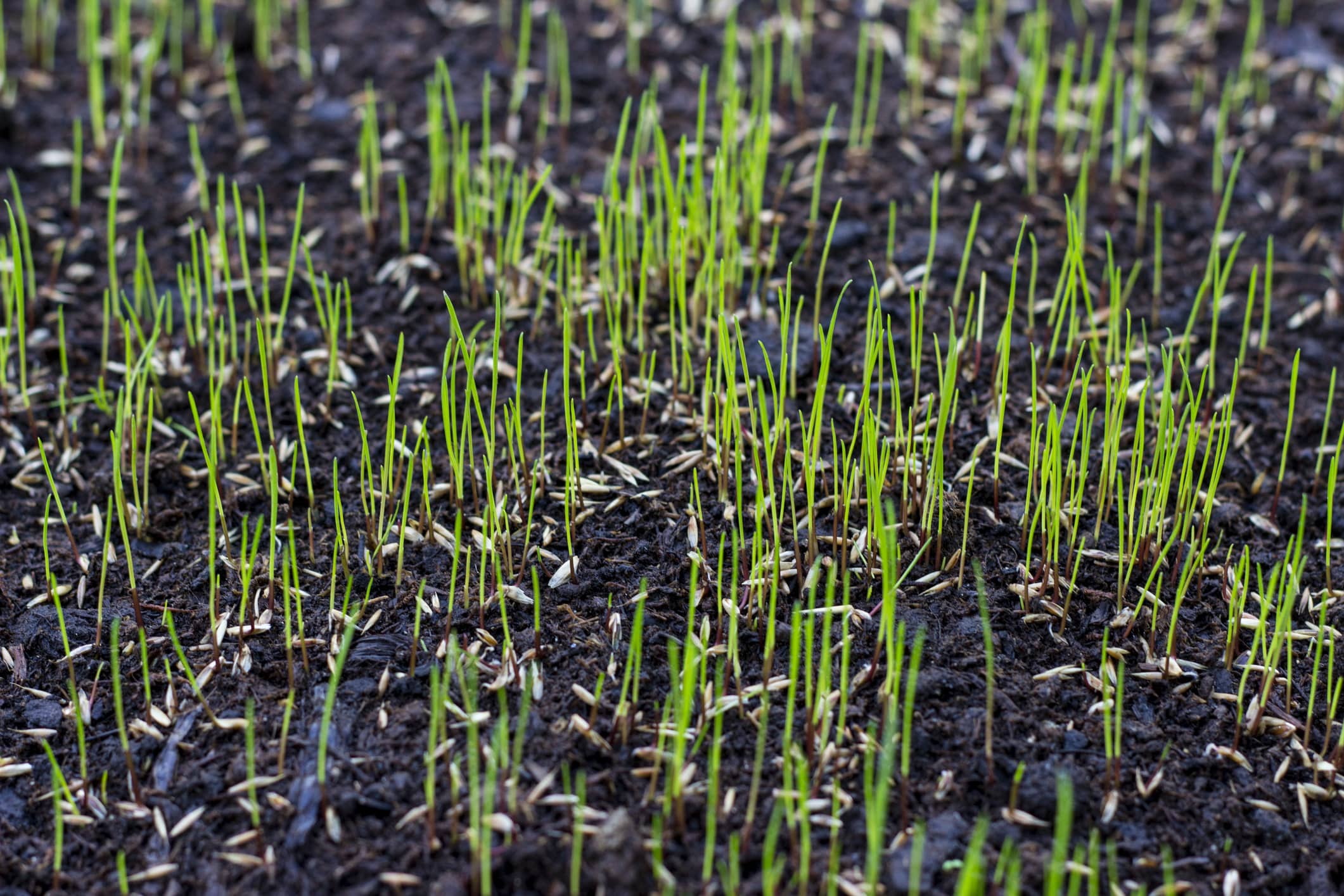
Image Source: weedman.com
Laying the Groundwork: Soil Preparation for New Grass Seed
Before you even think about spreading seed, proper soil preparation is paramount. This is the foundation upon which your new lawn will grow. Good soil allows seeds to germinate easily, roots to penetrate deeply, and nutrients to be readily available.
Assessing Your Soil
- Soil Type: Is your soil sandy, clay, or loamy? Sandy soils drain quickly, clay soils retain water and can become compacted, while loamy soils offer a good balance.
- pH Level: Most grass varieties prefer a slightly acidic to neutral pH (6.0-7.0). A soil test kit, available at garden centers, can reveal your soil’s pH.
- Nutrient Content: Seeds need nutrients to grow. A soil test will also indicate deficiencies.
Improving Your Soil
- Clearing the Area: Remove all existing weeds, rocks, debris, and old sod. This prevents competition for nutrients and water.
- Loosening the Soil: Till or loosen the soil to a depth of at least 4-6 inches. This improves aeration and drainage, making it easier for roots to grow.
- Adding Amendments:
- Compost: Incorporate a 2-3 inch layer of good quality compost. Compost improves soil structure, water retention, and provides essential nutrients.
- Fertilizer: If your soil test indicates low nutrient levels, you can add a starter fertilizer. Look for one with a higher phosphorus content (the middle number on the N-P-K ratio) to encourage root development.
- Raking and Leveling: Rake the soil smooth, removing any remaining clumps or debris. This creates a fine, even surface for seed sowing.
The Art of Sowing: Getting Seed to Soil
Once your soil is ready, it’s time to sow the seeds. Timing and technique are key here.
Choosing the Right Seed
- Climate: Select grass seed varieties suited to your local climate (cool-season or warm-season grasses).
- Sunlight: Consider the amount of sun your lawn area receives. Some grasses tolerate shade better than others.
- Purpose: Are you looking for a low-maintenance lawn, one that withstands heavy foot traffic, or something aesthetically pleasing?
Sowing Techniques
- Timing: The best time to sow new grass seed is generally in the early fall (September/October in cooler climates) or early spring (March/April in warmer climates). These periods offer moderate temperatures and sufficient moisture for germination.
- Spreading:
- Broadcast Spreader: This is ideal for even distribution. Divide your seed into two equal portions. Spread the first half in one direction (e.g., north to south) and the second half perpendicular to the first (e.g., east to west).
- Drop Spreader: Use this for more precise application along edges and pathways.
- Raking In: Gently rake the seeds into the top ¼ to ½ inch of soil. This ensures good seed-to-soil contact, which is vital for germination. Avoid burying the seeds too deeply.
- Light Topdressing: A very light layer of straw or peat moss can be spread over the seeded area. This helps retain moisture and protects the seeds from birds. Ensure it’s a thin layer, allowing sunlight to reach the developing seedlings.
The Lifeline: How to Water Newly Seeded Lawn
This is arguably the most critical aspect of caring for a newly seeded lawn. Consistent moisture is essential for germination and the early establishment of grass roots.
The Golden Rule: Keep it Moist
The primary goal when you water newly seeded lawn is to keep the top ½ inch of soil consistently moist, but not waterlogged. Dryness at any point during germination can kill the tiny seedlings before they even have a chance to sprout properly.
Best Time to Water New Grass Seed
The best time to water new grass seed is typically in the early morning, between 6:00 AM and 10:00 AM.
- Morning Watering: This allows the water to soak into the soil before the heat of the day causes rapid evaporation. It also gives the grass blades time to dry off during the day, reducing the risk of fungal diseases.
- Avoid Evening Watering: Watering in the late evening can leave the grass blades wet overnight, creating an ideal environment for fungal growth and diseases to develop.
How Often to Water New Grass Seed
Initially, you will need to water newly seeded lawn frequently.
- Germination Phase (First 1-2 Weeks):
- Frequency: You may need to water lightly 2-3 times a day, or even more in very hot or windy conditions.
- Method: Use a fine mist from a sprinkler or hose nozzle. The goal is to moisten the surface without washing away the seeds.
- Establishment Phase (Weeks 2-4):
- Frequency: As the seedlings emerge and start to grow, you can gradually reduce the frequency of watering but increase the duration of each watering session. Aim for once a day or every other day, ensuring the water penetrates deeper into the soil (about 1-2 inches).
- Observation: Pay attention to the color of the grass. If it starts to look dull or grayish, it needs water.
- Maturity Phase (Beyond 4 Weeks):
- Once the grass is about 2-3 inches tall and visibly established, you can transition to a more standard watering schedule for mature lawns (e.g., watering deeply once or twice a week, depending on weather and soil type).
Table: Watering Schedule for New Grass Seed
| Stage of Growth | Frequency | Duration/Amount | Notes |
|---|---|---|---|
| Seed to Sprout | 2-3 times daily (or as needed) | Light mist/sprinkle to keep top ½ inch moist | Crucial to prevent drying out. Avoid heavy watering that displaces seeds. |
| Seedling Emergence | 1-2 times daily | Moderate watering to moisten 1-2 inches of soil | Gradually increase duration, decrease frequency as grass grows. |
| Established Grass | 1-2 times weekly | Deep watering to penetrate 4-6 inches of soil | Transition to mature lawn watering practices. Monitor grass color and soil moisture. |
Feeding the Future: Fertilize Newly Seeded Lawn
Fertilizing a new lawn is a delicate balance. Too much can burn the delicate seedlings, while too little won’t provide the necessary nutrients for growth.
When to Fertilize New Grass Seed
The timing of fertilization depends on what you applied during soil preparation.
- If You Used a Starter Fertilizer: If you incorporated a starter fertilizer into the soil during preparation, you generally don’t need to fertilize again for the first 4-6 weeks after germination. The initial fertilizer should provide enough nutrients for early growth.
- If You Didn’t Use Starter Fertilizer: If your soil prep didn’t include a starter fertilizer, or if you notice slow growth after germination, you can apply a fertilizer newly seeded lawn can benefit from.
When to Fertilize New Grass Seed:
The ideal time to apply your first post-germination fertilizer is typically when the grass reaches about 1-1.5 inches in height, and after it has been mowed for the first time. This is usually around 3-4 weeks after germination.
Choosing the Right Fertilizer
- Starter Fertilizer (First Application): Look for a fertilizer with a higher middle number (phosphorus, P) to promote root development. An N-P-K ratio like 10-20-10 or 12-24-12 is often recommended.
- Follow-up Fertilizers: Once the grass is established, you can switch to a balanced fertilizer or one tailored to the season and your lawn’s needs.
Application Tips
- Dilute: It’s often best to use a slow-release fertilizer or to dilute the fertilizer slightly for new grass to avoid burning.
- Even Distribution: Use a spreader for even application.
- Water After Fertilizing: Water the lawn lightly after applying fertilizer to help it dissolve and move into the soil, and to wash any granules off the grass blades.
The First Trim: Mowing Newly Seeded Lawn
Mowing is an important part of lawn maintenance, but for a new lawn, it requires a gentle touch.
When to Mow New Grass Seed
You should mow newly seeded lawn when the grass reaches approximately one-third taller than your desired mowing height, and the blades are strong enough to stand upright. For most grass types, this is around 2.5 to 3 inches tall.
- Avoid Mowing Too Soon: Never mow when the grass is still very short and delicate. This can pull the seedlings out of the ground.
- Wait for First Mowing: Wait until you see the grass blades have grown to a noticeable height, typically 3-4 inches.
Proper Mowing Techniques
- Raise the Mower Deck: For the first mowing, raise your mower’s cutting height to the highest setting. The goal is to lightly trim the tips of the grass blades, not to cut much off.
- Use a Sharp Blade: A sharp mower blade ensures a clean cut, which helps the grass heal quickly and reduces the risk of disease. Dull blades tear the grass, leaving it vulnerable.
- Avoid Scalping: Never cut the grass too short. Scalping can damage the grass and expose the soil, leading to weed growth and drought stress.
- Mulch Clippings: Leave the grass clippings on the lawn. They act as a natural fertilizer, returning valuable nutrients to the soil.
- Don’t Mow Wet Grass: Ensure the grass is dry before mowing to prevent clumping and potential disease spread.
Guardian of the Garden: Protect Newly Seeded Lawn
Protecting your new lawn from damage is crucial during its vulnerable establishment phase.
Physical Barriers
- Netting or Row Covers: In areas with heavy foot traffic, pets, or wildlife, consider using lightweight netting or floating row covers. These can prevent animals from digging and people from walking on the delicate seedlings. Ensure the covers are not so dense that they block sunlight and air circulation completely.
- Temporary Fencing: For larger areas or specific problem spots, temporary fencing can effectively deter pets and children.
Environmental Protection
- Wind: Strong winds can dry out the soil and blow away seeds. If windy conditions are expected, you might lightly dampen the seeded area.
- Heavy Rain: Excessive, heavy rain can wash away seeds and soil. If heavy downpours are forecast, try to protect the area with a light covering of straw or a more robust barrier if necessary.
- Sun: While grass needs sun, intense, prolonged heat can dry out young seedlings. Ensure adequate watering during hot spells.
Pest and Disease Management
- Observation: Regularly inspect your new lawn for signs of pests (like grubs or armyworms) or diseases (like fungal spots).
- Integrated Pest Management (IPM): Opt for the least toxic methods first. Encourage beneficial insects, use manual removal for larger pests, and only resort to specific, targeted pesticides if absolutely necessary, following label instructions carefully.
- Good Air Circulation: Avoid overwatering and dense plantings that can encourage fungal growth.
Dealing with Unwanted Guests: Weed Control Newly Seeded Lawn
Weeds are the natural enemy of a new lawn, competing for water, nutrients, and sunlight.
Prevention is Key
- Healthy Grass: The best weed control is a thick, healthy lawn. By following proper watering, fertilization, and mowing practices, you create an environment where grass can outcompete weeds.
- Soil Preparation: Removing weeds before seeding is a critical first step.
Weed Control Strategies for Newly Seeded Lawns
Weed control newly seeded lawn requires careful consideration to avoid harming the new grass.
- Hand-Pulling: For young weeds, especially in the early stages of lawn establishment, hand-pulling is the safest and most effective method. Get the entire root if possible.
-
Herbicides (Use with Extreme Caution):
- Pre-Emergent Herbicides: These prevent weed seeds from germinating. However, they can also prevent grass seed from germinating, so they should never be used on or around newly seeded areas.
- Post-Emergent Herbicides: These kill existing weeds. When using them on a new lawn, you must be extremely careful.
- Timing: Wait until the grass has been mowed at least 2-3 times and is well-established.
- Type: Choose a herbicide specifically labeled for use on new lawns or on the specific grass type you have. Broadleaf weed killers are generally safer for grass than all-purpose weed killers.
- Application: Apply sparingly and precisely to the weeds, not broadcast over the entire lawn. Always follow the product’s label instructions precisely.
- Sensitivity: Some grass varieties are more sensitive to herbicides than others. Research your grass type.
-
Tolerance: For the first few weeks, it’s often best to tolerate a few weeds and focus on getting the grass established. Once the grass is stronger, you can employ more aggressive weed control methods.
Frequently Asked Questions (FAQ)
Q1: How long does it take for grass seed to germinate?
A1: Germination time varies greatly depending on the grass type, soil temperature, moisture, and sunlight. Most common cool-season grasses (like fescue and ryegrass) can germinate in 7-21 days. Warm-season grasses might take longer.
Q2: Can I walk on my newly seeded lawn?
A2: It’s best to avoid walking on your newly seeded lawn as much as possible. The seeds and fragile new sprouts can be easily damaged or dislodged. If you must walk on it, do so lightly and avoid creating heavy traffic paths.
Q3: My grass is growing unevenly. What should I do?
A3: Uneven growth can be due to inconsistent watering, soil compaction, or variations in sunlight. Ensure you are watering uniformly, avoid walking on the area, and consider aerating in the future if compaction is an issue. For now, continue with your consistent watering and mowing schedule.
Q4: What is that white, stringy stuff on my new grass?
A4: This is likely mycelium, a natural part of fungal growth. It’s common, especially in damp conditions, and is usually harmless. It will disappear as the grass matures and the weather changes.
Q5: When can I overseed bare spots in my new lawn?
A5: Wait until the main seeding has established and you’ve mowed it at least once or twice. Then, you can prepare a small area and overseed as you did the first time.
By diligently following these steps, you’ll be well on your way to cultivating a lush, healthy, and beautiful lawn that you can enjoy for years to come. Patience and consistent care are your greatest allies in this rewarding process.