
How often should you apply lawn fertilizer? Generally, most lawns benefit from fertilization 2 to 4 times per year, with the specific frequency depending on your grass type, climate, and the type of fertilizer used. This guide will help you create a lawn fertilization schedule tailored to your needs.
Fertilizing your lawn is like giving it a healthy meal. It provides the nutrients grass needs to grow strong, look lush, and fight off pests and diseases. But just like with human diets, too much or too little can be bad. Finding the right lawn fertilizer frequency is key to a beautiful, healthy yard. This article will walk you through how often to fertilize your grass, the best time to fertilize lawn, and how to do it effectively across different fertilizing lawn seasons. We’ll cover everything from spring lawn fertilization to fall lawn fertilization, ensuring your lawn gets the lawn nutrient application it needs.
Image Source: www.canr.msu.edu
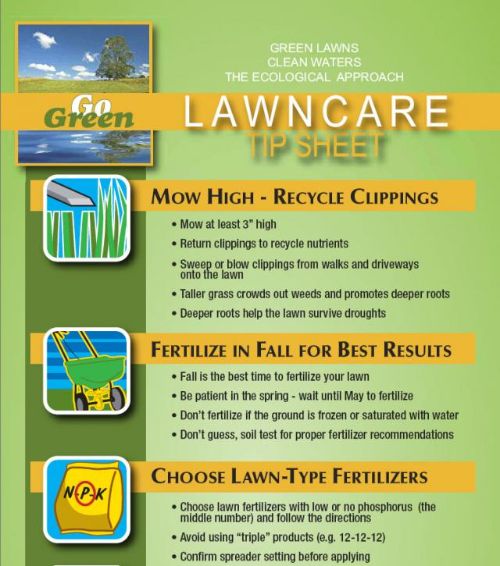
Why Fertilize Your Lawn?
Your lawn’s soil might not have all the food your grass needs to thrive. Fertilizer adds these missing nutrients. The main nutrients grass needs are nitrogen (N), phosphorus (P), and potassium (K). These are often shown on fertilizer bags as N-P-K.
- Nitrogen (N): This is the most important nutrient for green growth. It makes your grass thicker and greener.
- Phosphorus (P): This helps roots grow strong. Good roots mean a healthier, more resilient lawn.
- Potassium (K): This helps the grass handle stress, like heat, cold, and drought. It also boosts overall plant health.
When you fertilize, you are giving your lawn a boost to grow well. This helps it look good and stay healthy. A well-fed lawn can better resist weeds, pests, and diseases. It also means your lawn can recover faster if it gets damaged.
Deciphering Your Lawn’s Needs: Grass Type Matters
Not all grass is the same. Different types of grass have different needs and grow best at certain times of the year. This greatly influences your lawn fertilization schedule. Knowing your grass type helps you pick the right fertilizer and the right time to apply it.
There are two main types of grass:
Cool-Season Grasses
These grasses grow best when the weather is cool, typically in spring and fall. They can go dormant (stop growing) in the hot summer months. Examples include:
- Kentucky Bluegrass: Known for its beautiful blue-green color and ability to repair itself.
- Perennial Ryegrass: Grows quickly and is often used in overseeding.
- Fine Fescues: Includes creeping red fescue, chewing fescue, and hard fescue. They are good for shady areas.
- Tall Fescue: A durable grass that tolerates heat and drought better than other cool-season grasses.
For cool-season grasses, the most important fertilizing times are in the fall and spring.
Warm-Season Grasses
These grasses thrive in warm weather and usually go dormant in the winter. They are typically planted in warmer climates. Examples include:
- Bermuda Grass: A popular choice for its durability and ability to recover quickly.
- Zoysia Grass: Forms a dense, tough turf that can withstand heavy foot traffic.
- St. Augustine Grass: Known for its wide blades and tolerance to shade.
- Centipede Grass: Requires less fertilizer and mowing than other warm-season grasses.
- Bahiagrass: A hardy grass that tolerates poor soils and drought.
For warm-season grasses, the primary feeding times are during their active growing season in late spring and summer.
Your Lawn Fertilization Schedule: When to Apply
The lawn fertilization schedule is not a one-size-fits-all plan. It depends heavily on your grass type, where you live (your climate zone), and the type of fertilizer you are using.
Fertilizing Lawn Seasons: A Breakdown
Let’s look at how each season plays a role in your lawn fertilization schedule.
Spring Lawn Fertilization
- When: Early to mid-spring, after the grass has started to green up and is actively growing. Avoid fertilizing when the grass is still dormant or when frost is expected.
- Why: Spring is a crucial time for cool-season grasses to recover from winter and prepare for the growing season. It provides the energy needed for new leaf growth.
- What to use: A fertilizer with a higher nitrogen content is usually best for promoting green, leafy growth. Look for a slow-release nitrogen formula to avoid rapid, weak growth that can be susceptible to disease.
- Considerations: If you are overseeding in the spring, use a starter fertilizer that contains phosphorus to encourage root development.
Summer Lawn Fertilization
- When: This is a tricky season. For cool-season grasses, it’s generally best to avoid fertilizing in the heat of summer. High temperatures and drought can stress the grass, and fertilizer can worsen this stress. If you must fertilize, use a slow-release fertilizer at a lower rate, and water it in thoroughly. For warm-season grasses, summer is their peak growing period, so a mid-summer feeding can be beneficial.
- Why: To support continued growth in warm-season grasses or to provide a light boost for cool-season grasses that can handle it.
- What to use: For warm-season grasses, a balanced fertilizer is good. For cool-season grasses, if you fertilize, use a very low-nitrogen, slow-release formula.
- Considerations: Water is essential. Always water in fertilizer, especially during hot, dry periods.
Fall Lawn Fertilization
- When: Early to mid-fall is often considered the most important feeding time for cool-season grasses. Apply it after the summer heat has passed but before the ground freezes. For warm-season grasses, this is when they are starting to slow down their growth.
- Why: Fall feeding helps cool-season grasses store energy for winter and promotes root development. This leads to a healthier lawn in the spring. For warm-season grasses, this application helps them prepare for winter dormancy.
- What to use: A fertilizer higher in potassium can be beneficial in the fall, as potassium helps grass withstand winter stress. A balanced fertilizer is also a good choice.
- Considerations: This is a great time to apply a weed and feed product if needed, as many common weeds are actively growing in the fall.
Winter Lawn Fertilization (Less Common)
- When: In some very specific situations, a very late fall/early winter feeding might be recommended for certain grass types, especially if you live in a region with mild winters and want to maintain some green color. This is often called “winterizing.”
- Why: To provide nutrients that can be used by the grass as soon as spring growth begins.
- What to use: A slow-release fertilizer with a higher potassium content.
- Considerations: Be very careful with this timing. Applying fertilizer too late in the fall or during winter can damage dormant grass or encourage growth that can be killed by frost. Always follow local recommendations.
How Often to Fertilize Grass: Putting It All Together
The general rule for how often to fertilize grass is based on the grass type and the goals you have for your lawn.
Cool-Season Grass Fertilization Frequency
- Typical Schedule: 3-4 times per year.
- Early Spring: As growth begins.
- Late Spring/Early Summer: If needed, a light feeding.
- Fall (Most Important): Early to mid-fall.
- Late Fall (Optional): Before the ground freezes for winter hardiness.
- Why: Cool-season grasses have two main growth spurts: spring and fall. Fertilizing during these times supports this growth. Fall feeding is particularly critical for root development and winter survival.
Warm-Season Grass Fertilization Frequency
- Typical Schedule: 2-3 times per year.
- Late Spring: Once active growth has begun.
- Mid-Summer: To support peak growth.
- Early Fall (Optional): A light feeding to help prepare for dormancy.
- Why: Warm-season grasses grow most actively during the summer. Fertilizing during this period ensures they have the nutrients for strong growth and recovery.
Fertilizing Lawn Intervals: How Far Apart?
When planning your lawn fertilization schedule, the fertilizing lawn intervals between applications are important. You don’t want to over-fertilize, which can burn your lawn and harm the environment.
- General Interval: Most experts recommend waiting 4 to 6 weeks between fertilizer applications.
- Slow-Release vs. Quick-Release: If you use a slow-release fertilizer, you might be able to extend the intervals. Quick-release fertilizers provide a faster green-up but require more frequent application and increase the risk of burning the lawn.
- Reading the Label: Always read and follow the instructions on your fertilizer bag. It will provide specific guidance on application rates and frequency.
Types of Fertilizers and Their Impact on Frequency
The type of fertilizer you choose significantly affects how often you need to apply it and the lawn nutrient application strategy.
Slow-Release Fertilizers
- How they work: These fertilizers release nutrients gradually over a period of weeks or months. This provides a steady supply of food for your grass.
- Benefits: Reduces the risk of burning the lawn, provides consistent growth, and requires fewer applications.
- Frequency: Can often be applied less frequently, perhaps 2-3 times per year for cool-season grasses and 1-2 times for warm-season grasses, depending on the product.
Quick-Release Fertilizers
- How they work: These fertilizers release nutrients quickly after application. This leads to a rapid green-up.
- Benefits: Fast results.
- Drawbacks: Higher risk of burning the lawn if not applied correctly, nutrients can leach away quickly with rain or watering, requiring more frequent applications.
- Frequency: May require applications every 4-6 weeks during the active growing season.
Organic Fertilizers
- How they work: Derived from natural sources like compost, manure, and bone meal. They improve soil health and release nutrients slowly as they break down.
- Benefits: Builds healthy soil, reduces environmental pollution, and is safe for pets and children.
- Frequency: Typically applied 2-4 times per year, often in spring and fall.
Synthetic Fertilizers
- How they work: Manufactured fertilizers that provide specific nutrients in readily available forms.
- Benefits: Predictable nutrient delivery, fast results.
- Drawbacks: Can be harsh on the lawn if over-applied, risk of environmental damage if they leach into waterways.
- Frequency: Varies widely depending on the formulation. Slow-release synthetics are preferred for less frequent applications.
Factors Affecting Your Lawn Fertilization Schedule
Beyond grass type, several other factors influence how often to fertilize grass:
Soil Test
- Importance: A soil test is the most accurate way to determine your lawn’s nutrient needs. It tells you what nutrients are lacking.
- How often: Every 1-3 years.
- Impact on schedule: If your soil has adequate levels of certain nutrients, you might be able to reduce the frequency of fertilization.
Climate and Weather
- Temperature: Extreme heat or cold can stress your lawn. Adjust your lawn fertilization schedule to avoid fertilizing during these stressful periods.
- Rainfall: Adequate rainfall is crucial for fertilizer uptake. If you have a dry spell, ensure you water the lawn after fertilizing.
- Location: Northern climates with cool-season grasses will have different fertilizing lawn seasons than Southern climates with warm-season grasses.
Lawn Health and Goals
- New Lawns: New lawns require specific starter fertilizers to promote root establishment. They may need more frequent, lighter feedings initially.
- Problem Areas: If you are trying to thicken a thin lawn or repair damage, you might need to fertilize more frequently during its active growth periods.
- Maintenance: For a healthy, established lawn, a consistent lawn fertilization schedule is usually sufficient.
Best Time to Fertilize Lawn: Beyond the Season
While seasons are important, the best time to fertilize lawn also depends on the specific day and time.
- When Grass is Dry: Apply fertilizer when the grass blades are dry. This helps prevent the fertilizer granules from sticking to the dew and potentially burning the grass.
- Water It In: After applying fertilizer, water your lawn thoroughly. This helps the nutrients dissolve and move into the soil where the roots can access them. It also washes any fertilizer granules off the grass blades, further reducing the risk of burning.
- Avoid Windy Days: Don’t fertilize on windy days. The fertilizer granules can blow onto sidewalks, driveways, or into garden beds, which is wasteful and can harm plants.
- After Mowing: It’s often recommended to fertilize after mowing. This way, you don’t have to worry about fertilizer sticking to the clippings and being removed when you collect them.
Common Fertilization Mistakes to Avoid
- Over-fertilizing: This is a common and serious mistake. It can burn the grass, lead to excessive growth that requires more mowing, and contribute to water pollution.
- Fertilizing Dormant Grass: Applying fertilizer to dormant grass, especially in winter or during summer drought, can damage or kill it.
- Not Watering In: Failing to water fertilizer into the soil can lead to leaf burn and wasted nutrients.
- Ignoring Soil Tests: Relying on a generic lawn fertilization schedule without knowing your soil’s specific needs can lead to over or under-fertilization.
- Applying to Hard Surfaces: Fertilizer that lands on sidewalks or driveways will be washed into storm drains and waterways, causing pollution. Use a spreader with a guard or sweep it back onto the lawn.
Creating Your Custom Lawn Fertilization Schedule
Here’s a step-by-step approach to developing your lawn fertilization schedule:
- Identify Your Grass Type: This is the first and most critical step.
- Know Your Climate Zone: This helps determine when your grass is actively growing and dormant.
- Get a Soil Test: This provides a baseline for your lawn’s nutrient needs. Contact your local cooperative extension office for soil testing kits and advice.
- Choose the Right Fertilizer: Based on your grass type, soil test results, and your goals (e.g., fast green-up, root development, drought tolerance).
- Determine Frequency and Timing: Use the information provided in this guide to set your application dates.
- Follow Product Instructions: Always read and adhere to the application rates and instructions on the fertilizer packaging.
- Observe Your Lawn: Pay attention to how your lawn responds to fertilization. You may need to make minor adjustments to your schedule over time.
Example Lawn Fertilization Schedule for Cool-Season Grass (Northern Climate)
| Season | Timing | Fertilizer Type | Notes |
|---|---|---|---|
| Spring | Early to Mid-Spring (after green-up) | Slow-release nitrogen (e.g., 25-0-5 or similar) | Promotes green growth and density. Avoid high phosphorus if soil test shows adequate levels. |
| Late Spring | Late May/Early June (Optional) | Light application of a balanced, slow-release fertilizer | Only if lawn shows signs of nutrient deficiency. Use at half the recommended rate. |
| Fall | Early to Mid-Fall (September/October) | Balanced fertilizer (e.g., 10-10-10) or one higher in potassium | Crucial for root growth and winter hardiness. Helps the lawn store energy. |
| Late Fall | Late Fall (November, before ground freeze) | Slow-release fertilizer, often called “winterizer” (e.g., 15-0-15) | Encourages root development and provides nutrients for early spring growth. Ensure it’s a slow-release formula to avoid stimulating top growth too late. |
Example Lawn Fertilization Schedule for Warm-Season Grass (Southern Climate)
| Season | Timing | Fertilizer Type | Notes |
|---|---|---|---|
| Late Spring | Late May/Early June (after active growth starts) | Balanced fertilizer (e.g., 10-10-10 or 20-10-10) | Provides essential nutrients for the start of the growing season. |
| Mid-Summer | July/August | Fertilizer with balanced N-P-K or slightly higher nitrogen | Supports continued active growth and helps the lawn recover from stress. |
| Early Fall | September (Optional) | Light application of a fertilizer higher in potassium (e.g., 10-5-20) | Helps the grass prepare for winter dormancy and improves cold tolerance. Avoid high nitrogen. |
Frequently Asked Questions (FAQ)
Q1: Can I fertilize my lawn in the winter?
A1: Generally, no. Fertilizing dormant grass can damage it and harm the environment. The best time is during active growth periods.
Q2: What happens if I fertilize my lawn too much?
A2: Over-fertilizing can burn the grass, cause excessive thatch buildup, weaken the lawn’s resistance to pests and diseases, and lead to nutrient runoff, polluting waterways.
Q3: Should I fertilize after rain?
A3: It’s best to fertilize when the grass is dry. If you fertilize before rain, ensure the fertilizer is watered in immediately after the rain stops to prevent it from washing away. Avoid fertilizing if heavy rain is expected, as this increases the risk of runoff.
Q4: How much fertilizer should I use?
A4: Always follow the application rate recommended on the fertilizer bag. This is usually expressed in pounds of actual nitrogen per 1,000 square feet. A soil test can help you determine the precise amount of each nutrient needed.
Q5: What is a starter fertilizer?
A5: Starter fertilizer is designed for new lawns or overseeded areas. It typically has a higher phosphorus content to promote strong root development, which is crucial for young grass.
Q6: Do I need to fertilize a new lawn?
A6: Yes, new lawns benefit greatly from starter fertilizer applied at the time of seeding or sodding. Follow up with a light feeding of a balanced fertilizer a few weeks later, as recommended for the specific grass type.
Q7: How often to fertilize grass in the shade?
A7: Shady lawns grow slower and often require less fertilizer than sunny lawns. A lawn fertilization schedule of 1-2 times per year, focusing on early spring and fall, is usually sufficient. Use a fertilizer formulated for shade-tolerant grasses.
By following this comprehensive guide, you can create an effective lawn fertilization schedule that keeps your grass healthy, vibrant, and resilient throughout the year. Remember that consistency and observation are key to achieving a beautiful lawn.