
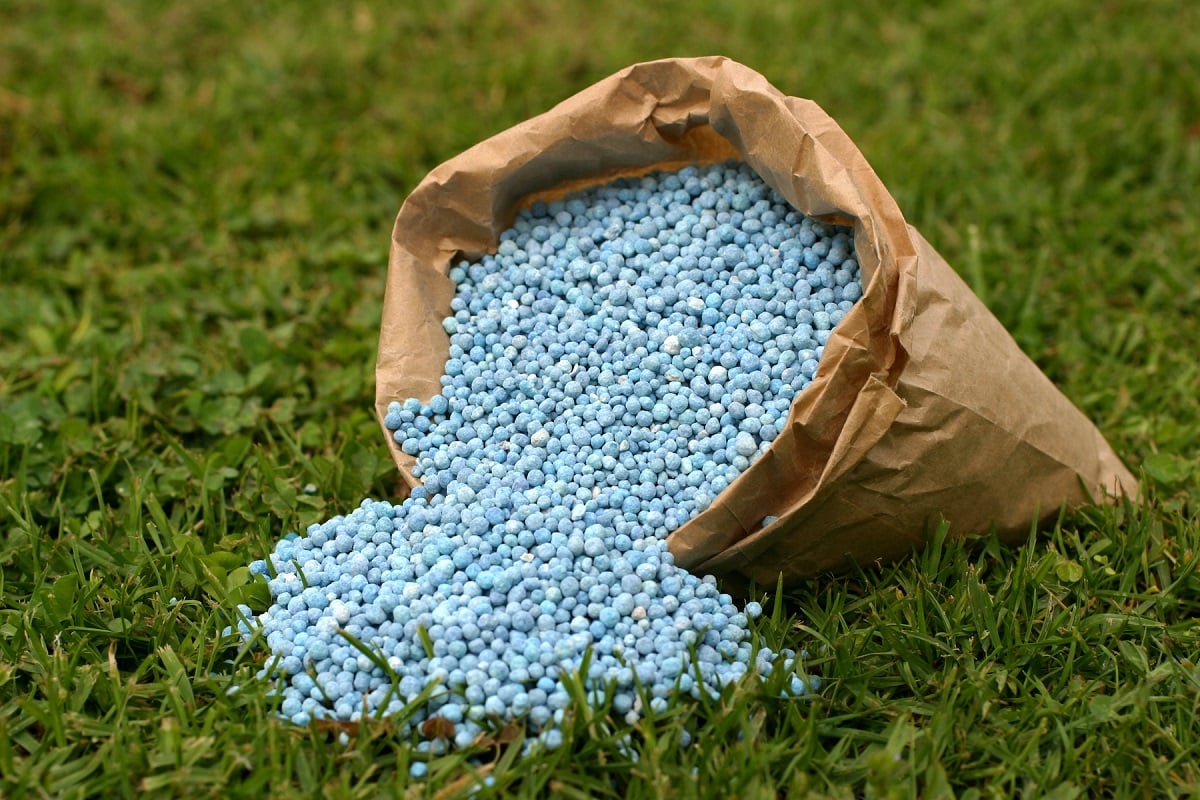
Image Source: f.hubspotusercontent00.net
How Often to Water Lawn After Fertilizing: Best Times
The most crucial question for many homeowners after applying fertilizer is: how often to water lawn after fertilizing? The general guideline is to water your lawn thoroughly after fertilizing to help the fertilizer dissolve and penetrate the soil. For most established lawns, this means watering deeply, but not necessarily daily. The “best times” for watering after fertilizing depend on several factors, including the type of fertilizer used, the grass type, and current weather conditions.
Applying fertilizer to your lawn is a vital step in maintaining a lush, green, and healthy turf. However, the process doesn’t end once the granules are spread. A critical, often overlooked, aspect of successful fertilization is the subsequent watering. This post delves into the nuances of watering after fertilizing, providing comprehensive guidance to ensure your lawn reaps the full benefits of your efforts and avoids potential damage. We’ll explore the optimal timing, frequency, and techniques to maximize nutrient absorption and promote robust growth.
Why Watering After Fertilizing is Essential
Water plays a pivotal role in activating and delivering the nutrients contained within lawn fertilizers. Without adequate moisture, these essential elements remain largely inert, sitting on the surface of the grass blades and thatch.
- Nutrient Activation: Fertilizers are typically in a granular or liquid form. For the grass roots to absorb the nitrogen, phosphorus, and potassium (and other micronutrients), they must first dissolve. Water acts as the solvent, breaking down the fertilizer compounds into a form that plant roots can readily take up.
- Preventing Burn: A common concern with fertilizing is the risk of “fertilizer burn,” which appears as yellow or brown patches on the lawn. This happens when the concentrated fertilizer salts draw moisture out of the grass blades and roots, essentially dehydrating and damaging the turf. Proper watering immediately after application helps dilute these salts and washes them away from direct contact with the grass, preventing burn.
- Root Stimulation: The nutrients, once dissolved, are carried down into the soil profile by the water. This encourages roots to grow deeper in search of moisture and nutrients, leading to a stronger, more resilient lawn that can better withstand drought and other stresses.
- Seeding Success: If you’ve fertilized a new seeding or overseeding, watering is paramount. It keeps the soil consistently moist, which is essential for seed germination and the establishment of young grass plants.
When to Water After Fertilizing: Timing is Key
The timing of your post-fertilizer watering is as important as the watering itself.
Best Time to Water Fertilized Lawn
The ideal time to water after fertilizing is typically within 24 to 48 hours of application. However, the sooner the better is a good rule of thumb, especially if you’re using a quick-release fertilizer or if the weather is hot and dry.
- Immediate Watering: For granular fertilizers, especially those with a higher nitrogen content or in warm weather, watering immediately after application is highly recommended. This helps to wash the fertilizer off the grass blades and into the soil, minimizing the risk of burn.
- Within 24 Hours: If immediate watering isn’t feasible due to time constraints or specific product instructions, aim to water thoroughly within the first 24 hours.
- Avoid Watering Too Late: Refrain from watering just before dusk or overnight if possible, as this can promote fungal diseases due to prolonged leaf wetness. Early morning is generally the best time for overall lawn watering, as it allows the grass blades to dry throughout the day.
Fertilizer Watering Times and Considerations
Different types of fertilizers have different needs regarding watering.
- Granular Fertilizers: These are the most common. They require water to dissolve the granules and move the nutrients into the soil.
- Quick-Release: These fertilizers begin to work almost immediately and require prompt watering to prevent burn and facilitate absorption.
- Slow-Release: These fertilizers are coated and release nutrients over a longer period. While they are less likely to cause burn, watering is still necessary to activate the release mechanism and move nutrients into the soil.
- Liquid Fertilizers: These are already dissolved. While they don’t require watering to dissolve, you should still water them in to move the nutrients from the leaf surface into the soil and prevent potential leaf scorch from the concentrated solution. Often, the instructions will advise watering a few hours after application or the next day.
Weather’s Influence on Watering Schedule
- Hot and Dry Conditions: If you’re fertilizing during hot, dry spells, watering immediately is crucial. The heat can exacerbate fertilizer burn, and dry soil will prevent the fertilizer from dissolving.
- Rainfall: If significant rainfall is predicted shortly after fertilizing (within 24-48 hours), you might be able to hold off on manual watering. However, ensure the rainfall is substantial enough to thoroughly soak the ground. A light sprinkle might not be sufficient to move granular fertilizer into the soil.
How Often to Water Lawn After Fertilizing: Determining Frequency
The question of “how often” is less about a strict daily regimen and more about maintaining optimal soil moisture.
Watering Frequency Lawn for Optimal Nutrient Uptake
After fertilizing, your primary goal is to ensure the soil remains moist enough for the fertilizer to dissolve and be absorbed by the roots.
- Deep and Infrequent Watering: This is generally the best approach for most lawns. Instead of light, frequent sprinklings, aim for deep watering sessions.
- Initial Watering: The first watering after fertilizing should be a deep soak, designed to moisten the soil several inches down.
- Subsequent Watering: For established lawns, this deep watering might be needed every 3-7 days, depending on your grass type, soil type, and weather conditions. The goal is to keep the top 4-6 inches of soil consistently moist.
- Monitoring Moisture Levels: The best way to know how often to water is to check your soil’s moisture levels. You can do this by:
- Using a Soil Probe or Screwdriver: Push a long screwdriver or soil probe into the ground. If it goes in easily, the soil is likely moist. If it’s difficult to push, the soil is dry.
- Visual Cues: Look for signs of stress in your grass, such as a bluish-gray tint or footprints that remain visible after walking on the lawn. These indicate the lawn needs water.
Post-Fertilizer Watering: How Much to Water
The “how much” is critical for success.
- The Deep Soak Method: Aim to apply about 1 inch of water per week, either through rainfall or irrigation.
- Calculating Application: To measure how much water your sprinkler system is applying, place several empty tuna cans or shallow containers on your lawn. Run your sprinklers for a set amount of time (e.g., 15 minutes) and measure the depth of water collected in the containers. This will tell you how long you need to run your sprinklers to apply 1 inch of water.
- Example: If your sprinklers apply 0.25 inches of water in 15 minutes, you would need to run them for an hour to deliver 1 inch of water.
Lawn Watering Schedule Considerations
Developing a lawn watering schedule post-fertilization should be adaptable.
- Grass Type: Different grass types have varying water needs. Cool-season grasses (like fescue, bluegrass) generally require more water in hotter months than warm-season grasses (like Bermuda, Zoysia).
- Soil Type: Sandy soils drain quickly and require more frequent watering. Clay soils retain moisture longer, so they need less frequent watering but may benefit from slower application rates to prevent runoff.
- Climate: Regions with high temperatures, low humidity, and windy conditions will necessitate more frequent watering.
- Mowing Height: Taller grass blades help shade the soil, reducing evaporation and the need for frequent watering.
Lawn Care After Fertilizing: Beyond Watering
Watering is a significant component of lawn care after fertilizing, but it’s not the only factor.
- Mowing:
- Avoid Mowing Immediately: Try to avoid mowing for a day or two after fertilizing, especially with granular fertilizers. This allows the fertilizer to settle and reduces the chance of picking up the granules with the mower.
- Mowing Height: Maintain a proper mowing height for your grass type. Taller grass is healthier and better able to access nutrients.
- Weed and Pest Control: Continue with any planned weed or pest management. However, be cautious if using herbicides shortly after fertilizing, as some products can be affected by moisture levels or interact with fertilizer. Always read and follow product labels carefully.
- Aeration: If your lawn is compacted, aeration before fertilizing can significantly improve nutrient and water uptake. However, avoid heavy watering immediately after aeration if the soil is already saturated.
- Dethatching: Similar to aeration, dethatching can improve the efficiency of fertilizer application by allowing it to reach the soil more easily.
Fertilizing and Watering Practices for a Healthy Lawn
Integrating fertilization and watering into your overall lawn care after fertilizing strategy creates a synergistic effect for a thriving lawn.
Establishing a Consistent Lawn Watering Schedule
A proactive lawn watering schedule is beneficial year-round, not just after fertilizing.
- Seasonal Adjustments: Increase watering frequency and duration during hot, dry periods and reduce it during cooler, wetter months.
- Early Morning Watering: This is the most efficient time. It minimizes evaporation due to heat and wind, and allows the grass to dry before nightfall, reducing disease risk.
- Deep Watering: Encourage deep root growth by watering less frequently but more deeply. Shallow, frequent watering leads to shallow, weak root systems.
Monitoring Soil Moisture Levels
Regularly checking your moisture levels lawn is key to avoiding both under- and over-watering.
- Your Eyes and Tools: Combine visual cues with simple tools like soil moisture meters or even just a screwdriver.
- Root Zone Awareness: The goal is to keep the top 4-6 inches of soil moist, as this is where the majority of grass roots are located.
Common Mistakes to Avoid When Watering After Fertilizing
Many homeowners make simple errors that can undermine their fertilizing efforts.
- Overwatering: Too much water can leach nutrients from the soil, drown roots, and create favorable conditions for fungal diseases.
- Underwatering: Not enough water means the fertilizer won’t activate, leading to wasted product and potential fertilizer burn.
- Watering During the Heat of the Day: Much of the water will evaporate before it can reach the roots, making it an inefficient use of water.
- Ignoring Product Instructions: Always read the fertilizer bag! Manufacturers provide specific instructions for a reason. Some fertilizers are designed to be watered in immediately, others might have different recommendations.
Frequently Asked Questions (FAQ)
Q1: Can I water my lawn immediately after applying granular fertilizer?
A1: Yes, it is generally recommended to water your lawn immediately after applying granular fertilizer. This helps to wash the fertilizer off the grass blades and into the soil, preventing potential fertilizer burn and activating the nutrients.
Q2: How long should I wait to water my lawn after applying liquid fertilizer?
A2: For liquid fertilizers, it’s often advised to wait a few hours after application before watering. This allows the fertilizer to adhere to the grass blades and begin absorption. However, always check the product label for specific instructions.
Q3: What happens if I don’t water my lawn after fertilizing?
A3: If you don’t water after fertilizing, especially with granular fertilizers, the concentrated salts can draw moisture out of the grass blades and roots, leading to fertilizer burn (yellow or brown patches). The nutrients may also not dissolve properly, hindering their absorption by the grass.
Q4: How much water should I use when watering after fertilizing?
A4: You should water deeply enough to moisten the soil to a depth of 4-6 inches. This typically means applying about 1 inch of water. This helps dissolve the fertilizer and move it into the root zone.
Q5: Should I adjust my watering frequency if I’ve just fertilized?
A5: After fertilizing, your lawn watering schedule might need slight adjustments to ensure consistent moisture for nutrient uptake. Focus on deep watering sessions rather than light sprinklings. Monitor your soil’s moisture levels to determine the right frequency, which might be every 3-7 days depending on conditions.
Q6: Is it okay to fertilize and water at the same time?
A6: While not strictly “at the same time” in terms of spraying water and fertilizer simultaneously, the immediate follow-up of watering after fertilizing is standard practice. The key is to ensure the fertilizer is washed off the blades and into the soil.
Q7: What are the best times to water my lawn in general?
A7: The best time to water your lawn is typically in the early morning, between 4 AM and 10 AM. This allows the water to penetrate the soil before significant evaporation occurs and lets the grass blades dry off during the day, reducing the risk of fungal diseases.
Q8: How can I tell if my lawn needs watering?
A8: You can tell if your lawn needs watering by looking for visual cues such as a dull, bluish-gray color, or if footprints remain visible on the grass after you walk on it. You can also check soil moisture levels by inserting a screwdriver or soil probe into the ground – if it’s difficult to push in, the soil is likely dry.
By carefully considering how often to water lawn after fertilizing and adhering to best practices, you can ensure your lawn receives the full benefits of your fertilization efforts, leading to a healthier, greener, and more resilient turf. Remember, consistent, deep watering and attention to fertilizer watering times are key components of successful lawn care.