
It is often illegal to not mow your lawn because of local property maintenance laws, nuisance property ordinances, and neighborhood code enforcement rules. These regulations are in place to prevent blight prevention regulations, address public health hazards overgrown grass, and maintain community standards.
Image Source: greenpal-production.s3.amazonaws.com
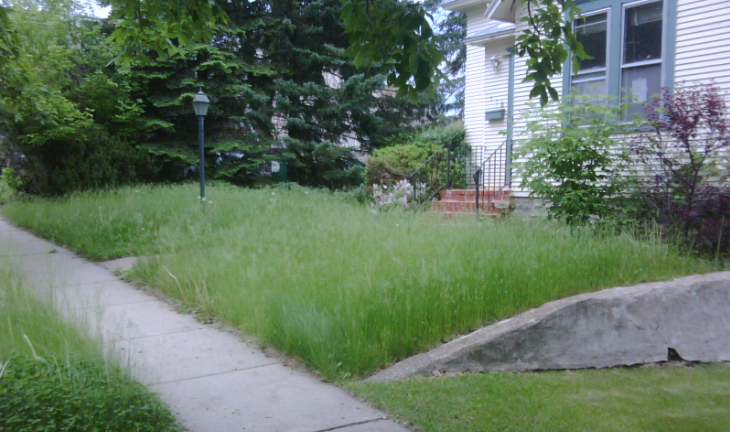
The Roots of Lawn Care Laws
Have you ever wondered why your local government seems to care so much about the length of grass in your yard? It might feel like an overreach, but there are solid reasons behind these property maintenance laws. These rules, often referred to as nuisance property ordinances, are a key part of how communities keep themselves looking good and staying healthy. They are not just about aesthetics; they touch on practical matters that affect everyone in the neighborhood.
Community Appearance and Property Values
One of the most visible reasons for lawn mowing laws is maintaining the overall appearance of a neighborhood. An unkempt yard with overgrown grass can quickly make a street look neglected. This can, in turn, lower property values for everyone. When homes look rundown, it can discourage potential buyers and make existing homeowners feel their investments are at risk. Local governments want to protect these investments and ensure that neighborhoods remain desirable places to live. This is a core part of blight prevention regulations.
Public Health and Safety Concerns
Beyond looks, public health hazards overgrown grass can pose real risks. Tall grass can become a breeding ground for pests like mosquitoes, ticks, and rodents. These creatures can carry diseases that affect both people and pets. Overgrown lawns can also harbor snakes and other unwelcome wildlife.
Furthermore, extremely tall grass can be a fire hazard, especially in dry climates or during dry seasons. A fire in an overgrown yard can quickly spread to neighboring properties or even homes. For safety reasons, keeping grass at a manageable height is a practical measure to prevent these issues.
Legal Frameworks and Enforcement
Local governments enact these rules through local property upkeep bylaws. These bylaws give neighborhood code enforcement officers the authority to inspect properties and issue warnings or citations for violations. The specific rules can vary greatly from one town or city to another, so it’s crucial to know what your local ordinances say.
Deciphering Local Ordinances: What You Need to Know
When it comes to lawn care rules, there isn’t a one-size-fits-all answer. Every city, town, and even homeowners association (HOA) can have its own set of specific regulations. This means what might be acceptable in one area could be a violation in another.
Common Violations and Their Definitions
Most ordinances focus on the height of the grass. A common threshold is 6 to 10 inches, but this can differ. It’s not just about grass; weeds, brush, and other vegetation can also be included in these rules. The key idea is that the property should be kept neat and tidy.
Here are some typical violations you might encounter:
- Exceeding Height Limits: Grass or weeds growing taller than the specified limit.
- Accumulation of Debris: Piles of leaves, branches, or trash that contribute to an unkempt appearance.
- Uncontrolled Vegetation: Allowing bushes or trees to overgrow onto sidewalks or public areas.
The Role of Neighborhood Code Enforcement
Neighborhood code enforcement is the arm of local government responsible for ensuring that these property maintenance laws are followed. Code enforcement officers are tasked with identifying violations, issuing notices, and sometimes imposing penalties. They often respond to complaints from neighbors, but they also conduct proactive inspections.
When a violation is found, the process usually involves:
- Warning Notice: The first step is typically a written warning that specifies the violation and gives a deadline to correct it.
- Citation/Fine: If the issue isn’t resolved by the deadline, a citation or overgrown lawn fines can be issued.
- Abatement: In some cases, if the property owner fails to comply, the local government may hire a contractor to mow the lawn or clean up the property. The cost of this service is then billed to the property owner, often with added fees.
Homeowners Associations (HOAs) and Their Rules
If you live in a community with a Homeowners Association (HOA), you likely have additional rules to follow, often stricter than city ordinances. HOAs exist to maintain community standards and can levy fines or take other actions if their rules are not met. It’s essential to review your HOA’s Covenants, Conditions & Restrictions (CC&Rs) to understand their specific lawn care requirements.
Why the Strict Rules? Beyond Aesthetics
While a tidy lawn contributes to neighborhood beauty, the reasons for these laws go deeper than just appearances. They are about preventing problems before they start.
Preventing Blight and Deterioration
Blight prevention regulations are a crucial aspect of urban planning and community development. Overgrown and neglected properties can quickly lead to a downward spiral in a neighborhood. This “broken windows theory” suggests that visible signs of neglect, like unkempt yards, can encourage more serious problems, such as vandalism and crime. By enforcing lawn care rules, municipalities aim to maintain neighborhood pride and prevent the spread of blight.
Addressing Public Health Hazards
As mentioned earlier, public health hazards overgrown grass can create include pest infestations and fire risks. Tall grass can conceal tripping hazards, making it dangerous for children, the elderly, or anyone walking through the yard. Standing water in unkempt areas can become mosquito breeding sites, contributing to the spread of diseases like West Nile virus. Keeping lawns mowed is a simple yet effective way to protect public health.
Ensuring Fair Property Use
These laws also aim to ensure that all property owners contribute to the upkeep of their surroundings. When one property is neglected, it can negatively impact the value and enjoyment of surrounding properties. Enforcing mowing requirements helps create a sense of shared responsibility and fairness within the community.
Tenant vs. Landlord: Who is Responsible?
The responsibility for lawn maintenance can be a point of contention between landlords and tenants. The lease agreement is the primary document that dictates who handles lawn care.
Tenant Responsibility Lawn Care
In many rental situations, the lease agreement will explicitly state that the tenant responsibility lawn care includes regular mowing and general yard upkeep. If this is the case, the tenant is legally obligated to maintain the lawn according to local ordinances and the lease terms. Failure to do so could result in a breach of contract, leading to warnings, deductions from the security deposit, or even eviction.
Landlord Lawn Maintenance Laws
Conversely, some lease agreements, particularly those for properties where the landlord handles other maintenance, may designate landlord lawn maintenance laws as the responsibility of the property owner. In such cases, the landlord is expected to ensure the lawn is properly maintained. If a landlord fails to do so and the property violates local ordinances, they could be subject to fines.
Key Considerations in Lease Agreements:
- Clarity: The lease should clearly outline lawn care responsibilities.
- Frequency: Specify how often mowing and yard work should occur.
- Consequences: Detail what happens if responsibilities are not met.
If the lease is unclear, it’s best for both parties to discuss and agree on specific terms to avoid future disputes.
The Impact of Overgrown Lawn Fines
Receiving overgrown lawn fines can be a frustrating experience. These penalties are designed to encourage compliance and cover the costs associated with enforcing the ordinances.
How Fines are Assessed
Fines are typically issued after a property owner has been given an opportunity to correct a violation and has failed to do so. The amount of the fine can vary based on the severity and duration of the violation, as well as local regulations. Some municipalities may charge a fixed fine, while others may have escalating penalties for repeat offenses.
What Happens if You Don’t Pay?
Ignoring fines or failing to address the underlying violation can lead to more serious consequences. These can include:
- Additional Penalties: Interest charges or further fines may be added.
- Lien on Property: The municipality may place a lien on your property for the unpaid fines and costs of any abatement services.
- Legal Action: In extreme cases, legal action might be taken to compel compliance or recover costs.
It’s always advisable to address any citation promptly and understand the specific requirements for resolution.
Navigating Neighborhood Code Enforcement
Interacting with neighborhood code enforcement can sometimes be intimidating. Knowing how to respond to a notice or citation can help you resolve the issue efficiently.
What to Do When You Receive a Notice
If you receive a notice or citation for an unkempt yard violation, the first step is to read it carefully. It should detail the specific violation, the relevant ordinance, and the deadline for correction.
- Assess the Situation: Understand exactly what needs to be done to comply.
- Act Promptly: Begin working to resolve the issue as soon as possible.
- Communicate: If you foresee difficulties in meeting the deadline (e.g., due to illness, weather, or contractor availability), contact the code enforcement office to explain your situation. They may be willing to grant an extension if you communicate proactively.
- Document Your Actions: Keep records of any work done, receipts for services, or communications with the enforcement office.
Appealing a Violation
If you believe a violation notice was issued in error, you typically have the right to appeal. The process for appealing varies by municipality, but it often involves submitting a formal written request within a specified timeframe. You may need to provide evidence to support your case.
Beyond the Basics: Other Property Maintenance Considerations
While grass height is a common focus, local property upkeep bylaws often cover other aspects of property maintenance to ensure a safe and pleasant environment for all residents.
Weeds and Overgrowth
In addition to grass, most ordinances address the control of weeds and other invasive or unsightly vegetation. Allowing significant weed growth can be just as problematic as long grass.
Trees and Shrubs
Trees and shrubs are vital for aesthetics and the environment, but they also require maintenance. Branches that overhang sidewalks or streets can be a hazard, creating tripping risks or obstructing pathways. Overgrown bushes can also obscure visibility at intersections, impacting traffic safety. Local regulations often specify when and how trees and shrubs need to be trimmed.
Trash and Debris
The accumulation of trash, junk vehicles, or other debris on a property is another common violation. This not only looks unsightly but can also attract pests and create unsanitary conditions. Nuisance property ordinances are often broad enough to cover these types of issues.
Common Questions About Lawn Care Laws
Here’s a look at some frequently asked questions regarding why it’s illegal to not mow your lawn.
What is considered an “overgrown lawn”?
An “overgrown lawn” is generally defined by local ordinances as grass or weeds that have reached a certain height, typically between 6 and 10 inches, though this can vary. It can also refer to properties that are generally unkempt or contain excessive amounts of weeds and brush.
Can I be fined for not mowing my lawn?
Yes, you can be fined for not mowing your lawn if it violates your local property maintenance laws or HOA rules. Fines are usually issued after a warning has been given and the issue has not been corrected within a specified timeframe.
Who is responsible for enforcing lawn care laws?
Local government agencies, such as code enforcement departments, are typically responsible for enforcing lawn care laws. Homeowners Associations (HOAs) also have their own enforcement mechanisms if you live in a community governed by one.
What if I can’t afford to mow my lawn?
If you cannot afford to mow your lawn due to financial hardship, it is advisable to contact your local code enforcement office or a social services agency. Some communities may have programs or resources available to assist low-income residents with property maintenance. It’s always best to communicate your situation rather than ignoring the problem.
Does my lease dictate lawn care?
Yes, your lease agreement is the primary document that dictates who is responsible for lawn care in a rental property. It should clearly state whether the tenant or landlord is responsible for mowing and yard maintenance.
Conclusion: Keeping Our Communities Vibrant
Mowing your lawn and maintaining your property might seem like a simple chore, but it plays a significant role in the health, safety, and overall appeal of your community. By adhering to local property upkeep bylaws, you contribute to preventing public health hazards overgrown grass can create, avoiding overgrown lawn fines, and supporting blight prevention regulations. Whether you’re a homeowner or a renter navigating tenant responsibility lawn care or landlord lawn maintenance laws, staying informed about your local rules and responsibilities is key to being a good neighbor and maintaining a thriving community. Remember, a well-kept yard benefits everyone.