
So, you’re wondering, “How long should lawn mowers last?” Generally, a well-maintained lawn mower can last anywhere from 10 to 20 years, but this is a broad estimate. The actual lawn mower lifespan varies greatly depending on the type of mower, how it’s used, and the quality of its maintenance. This guide will help you decipher the factors influencing your mower’s age and how to keep it running smoothly for as long as possible.
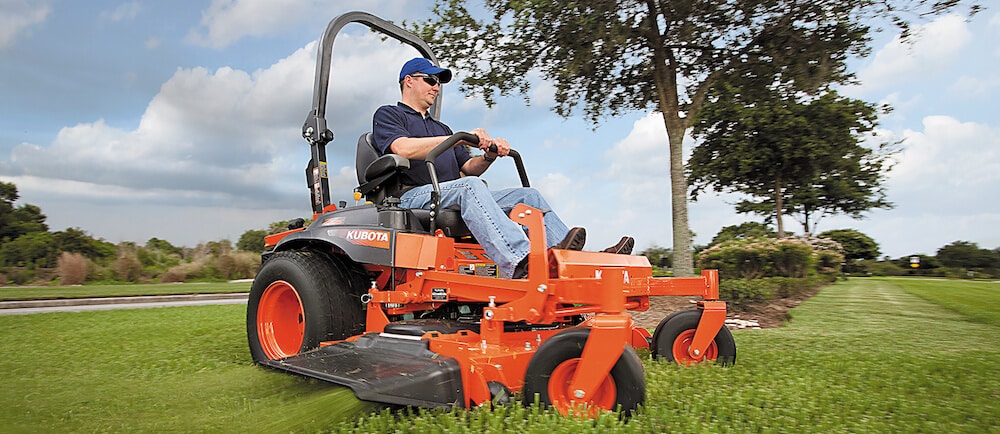
Image Source: www.bobbyfordkubota.com
Deciphering Lawn Mower Lifespan
The average lawn mower life isn’t a single, fixed number. It’s a spectrum influenced by numerous elements. From the basic push mower to complex zero-turn models, each has its own set of expectations regarding how long they should perform. We’ll explore the typical ranges for different mower types and what contributes to their longevity.
Residential Mower Lifespan
For most homeowners, a residential mower lifespan typically falls between 10 and 15 years for a quality machine. This category includes push mowers, self-propelled mowers, and smaller riding mowers. These are designed for typical lawn sizes and regular, but not industrial-level, use. Regular maintenance is key to hitting or exceeding this average.
Commercial Mower Longevity
When we talk about commercial mower longevity, the expectations are different. Commercial-grade mowers, often used by landscaping professionals, are built for heavy-duty use. They are constructed with more robust materials and powerful engines. While a professional might expect 5 to 10 years from a commercial mower, this is often after thousands of hours of demanding operation, far more than a residential user would put on a mower in the same timeframe.
Riding Mower Lifespan
A standard riding mower lifespan can range from 10 to 20 years for a home user. This includes lawn tractors and basic garden tractors. These machines are a significant investment, and their extended life is a testament to their more substantial build compared to walk-behind models. The engine, transmission, and deck are all designed for more consistent use.
Zero-Turn Mower Durability
Zero-turn mower durability is often excellent, with many residential models lasting 10 to 15 years, and commercial units capable of lasting even longer with proper care. Their robust construction, often featuring fabricated steel decks and heavy-duty transmissions, contributes to their longer service life. They are designed for efficiency and can handle larger properties, meaning their components are built to withstand more stress.
Factors Affecting Lawn Mower Life
Several elements directly impact how long your mower will serve you. Let’s delve into the crucial ones:
1. Quality of Construction and Materials
- Engine: A more powerful, high-quality engine from a reputable brand (like Briggs & Stratton, Honda, Kohler) generally lasts longer. Cast-iron cylinder sleeves and overhead valve designs are often indicators of better durability.
- Deck: Fabricated steel decks are typically more robust and resistant to damage than stamped decks. They can handle bumps and impacts better, preventing cracks and bends.
- Frame and Chassis: A strong, well-welded frame is essential. Mowers with thicker gauge steel are more likely to withstand years of use and occasional rough terrain.
- Transmission: Hydrostatic transmissions in riding mowers are generally durable but require regular fluid checks and changes. Gear-driven transmissions can also be very reliable.
2. Usage Patterns and Intensity
- Lawn Size and Terrain: Mowing a small, flat lawn with a lightweight mower will put less stress on the machine than mowing a large, hilly property with a heavy-duty mower. Overworking a mower on terrain it wasn’t designed for significantly reduces its expected lawn mower age.
- Frequency of Use: Naturally, a mower used weekly will experience more wear and tear than one used bi-weekly.
- Operating Conditions: Mowing wet grass, thick weeds, or through debris puts extra strain on the engine, blades, and deck.
3. Maintenance Routine
This is arguably the most critical factor in determining lawn mower durability. A consistent and thorough maintenance schedule is like regular health check-ups for your mower.
- Regular Cleaning: Keeping the mower clean, especially the underside of the deck, prevents grass clippings and debris from causing corrosion or hindering performance.
- Oil Changes: Just like a car, mower engines need fresh oil. Follow the manufacturer’s recommendations for oil type and change intervals.
- Air Filter Replacement: A clogged air filter restricts airflow, making the engine work harder and potentially damaging it.
- Spark Plug Maintenance: A clean, properly gapped spark plug ensures efficient combustion.
- Blade Sharpening and Balancing: Dull blades tear grass, stressing the engine. Balanced blades prevent vibrations that can loosen parts over time.
- Fuel System Care: Using fresh fuel and fuel stabilizer, especially during off-season storage, prevents carburetor issues.
4. Storage Practices
- Proper Storage: Storing your mower in a dry, protected area like a garage or shed prevents rust and protects it from weather damage.
- Off-Season Preparation: Properly preparing your mower for winter storage (cleaning, oil change, fuel stabilizer) is crucial for its longevity.
5. Brand Reputation and Model Specifics
Some brands have a well-earned reputation for building lawn mower durability into their products. Investing in a reputable brand often means better quality components and more robust engineering, leading to a longer lawn mower lifespan. Researching specific models and reading reviews can also provide insights into their expected longevity.
How to Extend Lawn Mower Life
Maximizing your mower’s service life is about proactive care and smart operation. Here’s how to keep your investment running for years to come:
Proactive Maintenance Schedule
Adhering to a strict maintenance schedule is paramount. Treat your mower like the valuable tool it is.
- Pre-Mowing Checks: Before each use, do a quick visual inspection. Check tire pressure, oil levels, and for any loose parts.
- Post-Mowing Cleaning: Always clean your mower after each use. Remove grass clippings from the deck, engine, and cooling fins.
- Seasonal Tune-Ups: Conduct a more thorough tune-up at the beginning of the mowing season. This includes changing oil and filter, replacing the spark plug, and inspecting belts and blades.
Regular Servicing Tasks
- Oil Changes: Change the engine oil at least once a year, or more often if you have a large lawn or mow frequently. Consult your owner’s manual for the recommended oil type and viscosity.
- Air Filter: Clean or replace the air filter as per the manufacturer’s recommendations. A dirty filter chokes the engine.
- Spark Plugs: Replace spark plugs annually or as needed. A fouled plug can lead to hard starting and poor performance.
- Blade Care: Sharpen and balance your mower blades at least once a year, or more often if you hit rocks or debris. Dull blades tear grass, making it susceptible to disease, and can put extra strain on the engine.
- Fuel Management: Always use fresh gasoline. If you store your mower for an extended period, use a fuel stabilizer or drain the fuel tank to prevent gumming of the carburetor.
Smart Operation and Usage
- Avoid Overloading: Don’t try to cut overly tall or wet grass in a single pass. Mow a little at a time or raise the cutting height.
- Steer Clear of Obstacles: Be mindful of rocks, roots, branches, and debris. Hitting these can damage the blade, spindle, or deck.
- Gentle Handling: Avoid sudden stops, sharp turns, or slamming the mower into obstacles.
- Correct Gear/Speed: Use the appropriate gear or speed for the conditions. Don’t overwork the engine.
Proper Storage
- Clean Before Storing: Always clean the mower thoroughly before putting it away for extended periods, especially for winter storage.
- Fuel Treatment: Add a fuel stabilizer to the gas tank or run the engine for a few minutes after adding stabilizer to ensure it circulates through the fuel system. Alternatively, drain the fuel completely.
- Battery Care (for electric start models): If your mower has an electric start, remove the battery and store it in a cool, dry place. Consider using a trickle charger to maintain its charge.
- Protection from Elements: Store your mower in a dry, sheltered location like a garage or shed. Cover it with a mower cover to protect it from dust and moisture.
Addressing Minor Issues Promptly
Don’t ignore small problems. A loose bolt, a minor leak, or an odd noise can escalate into a major issue if left unaddressed. Fixing minor problems as they arise can prevent more significant, costly repairs down the line.
Common Mower Parts and Their Lifespan
Understanding the typical lifespan of individual components can help you anticipate potential replacements and gauge the overall health of your mower.
Engine
- Residential Mowers: Typically 500-1000 hours of use.
- Commercial Mowers: Can be designed for 1500-3000+ hours of use.
Blades
- Sharpening: Needs frequent sharpening, potentially every 25 hours of use or more depending on conditions.
- Replacement: Blades can last for several sharpening cycles but will need replacement once they become too worn down or damaged.
Belts (for self-propelled and riding mowers)
- Lifespan: Can vary greatly, from 3-5 years or 500-1000 hours, depending on material quality and usage intensity.
Tires (for riding mowers)
- Lifespan: Typically 5-10 years, depending on material quality, exposure to sun, and usage.
Transmission
- Hydrostatic: Can last 10-15 years or more with proper maintenance.
- Gear-Driven: Often very durable, can last the lifetime of the mower if properly maintained.
Troubleshooting Common Longevity Issues
Sometimes, even with good care, mowers can develop issues that impact their lifespan. Here’s how to tackle some common problems:
H3: Engine Problems
- Hard Starting: Could be a dirty air filter, fouled spark plug, stale fuel, or carburetor issues. Address these promptly to prevent engine strain.
- Loss of Power: Often due to a clogged air filter, dull blades, or an engine that’s overheating due to blocked cooling fins.
- Rough Running: Similar causes to hard starting, often related to fuel or ignition system issues.
H3: Deck and Blade Issues
- Uneven Cut: Usually caused by unbalanced or dull blades, or a deck that’s not level.
- Vibrations: Can indicate unbalanced blades or damage to the blade spindle. Address this immediately to prevent further damage.
- Rust and Corrosion: Occurs when the mower is left exposed to moisture or not cleaned properly. Regular cleaning and a coat of protectant can help.
H3: Transmission or Drive System Problems (for self-propelled and riding mowers)
- Slipping Drive: May indicate a worn belt or a need for transmission fluid change.
- Grinding Noises: Suggests potential internal transmission damage that needs professional assessment.
Residential Mower Lifespan Table
| Mower Type | Average Lifespan (Years) | Key Factors for Longevity |
|---|---|---|
| Push Mower | 10-15 | Regular cleaning, oil changes, blade sharpening, storage |
| Self-Propelled Mower | 10-15 | Same as push mower, plus attention to drive system |
| Riding Mower | 10-20 | Regular engine maintenance, belt checks, tire care, storage |
| Zero-Turn Mower | 10-15 (Residential) | Robust build, engine care, transmission maintenance, cleaning |
| Zero-Turn Mower | 5-10 (Commercial Usage) | Heavy-duty components, frequent professional servicing |
Commercial Mower Longevity Considerations
Commercial mowers face much harsher conditions and are operated for significantly more hours.
Built for the Grind
- Heavy-Duty Components: Commercial mowers use stronger frames, thicker decks (often fabricated steel), more robust engines with higher horsepower, and commercial-grade transmissions designed for continuous operation.
- Extended Operating Hours: Professionals often rack up hundreds of hours per year. This means that while a commercial mower might have a shorter calendar lifespan than a residential one, it performs many more tasks in that time.
Professional Maintenance is Crucial
- Daily/Weekly Checks: Landscapers often perform daily or weekly checks on their equipment, including fluid levels, tire pressure, belt tension, and blade sharpness.
- Scheduled Servicing: Professional mechanics usually service commercial fleets regularly, ensuring everything is in top condition to prevent costly downtime.
- Quick Repairs: When a problem arises, it’s addressed immediately to minimize disruption to business operations.
FAQs About Lawn Mower Lifespan
Q1: What is the average lifespan of a push mower?
A: A typical push mower, with good maintenance, can last between 10 to 15 years.
Q2: Can I make my lawn mower last longer than the average?
A: Yes, by following a strict maintenance schedule, cleaning it regularly, storing it properly, and using it according to its design.
Q3: Who needs to worry most about lawn mower longevity?
A: Homeowners who want to avoid frequent replacement costs and professional landscapers who rely on their equipment for their livelihood.
Q4: How does fuel quality affect lawn mower lifespan?
A: Stale or contaminated fuel can clog the carburetor and fuel lines, leading to poor performance and potential engine damage, thus reducing lifespan. Using a fuel stabilizer is recommended.
Q5: What are the most common reasons lawn mowers fail prematurely?
A: Neglecting maintenance (especially oil changes and air filter cleaning), improper storage, and operating the mower beyond its intended capacity are the most common culprits.
Q6: Is a riding mower lifespan longer than a zero-turn mower lifespan?
A: For residential use, both riding mowers and zero-turn mowers can have similar lifespans (10-20 years for riding, 10-15 years for residential zero-turns), depending on the quality of the specific model and the care it receives. Commercial zero-turns are built for heavy use and can last many years in professional settings.
By following this comprehensive guide, you can gain a better appreciation for the factors that influence your lawn mower’s longevity and implement practices to ensure it remains a reliable tool for years to come. Regular attention and care are the secrets to a long-lasting, efficient lawn mower.