
Can you prevent armyworms in your lawn? Yes, you can prevent armyworms in your lawn by creating a healthy turf, using natural deterrents, and acting quickly if you spot the first signs. This article will guide you through the best practices for armyworm control, lawn grub prevention, and effective pest control for lawns. We’ll cover everything from identifying these pests to implementing organic lawn care for pests and backyard armyworm solutions that protect your green space.
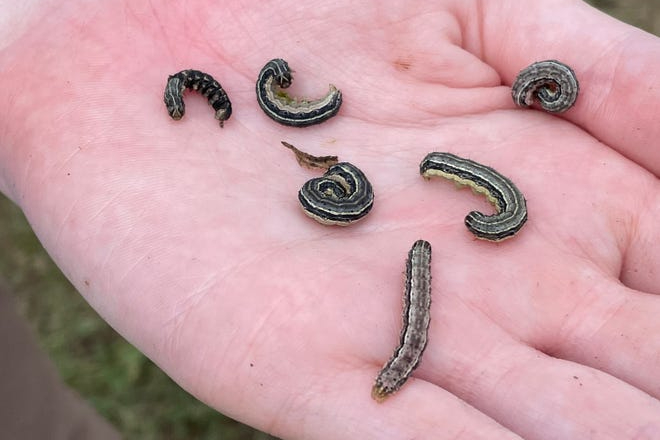
Image Source: aalawns.com
Deciphering the Threat: What Are Armyworms?
Armyworms are the larval stage of moths. These caterpillars are named for their tendency to move in large groups, like an army, devouring everything in their path. They can cause significant damage to lawns very quickly, often appearing almost overnight.
Types of Armyworms Affecting Lawns
While there are many species of armyworms, a few are particularly problematic for lawns:
- Fall Armyworm: Known for its wide host range and aggressive feeding.
- True Armyworm: Often found in grasses and grains.
- Yellowstriped Armyworm: Can also be a nuisance to turfgrass.
Identifying Armyworms in Grass
Spotting armyworms early is crucial for effective prevention and control. Look for these tell-tale signs:
- Ragged-Looking Patches: Your lawn might start to look like it’s been chewed or mowed unevenly.
- Brown or Dead Spots: These areas expand rapidly as the worms feed.
- Visible Caterpillars: During the day, they often hide in the thatch or soil. At dusk and dawn, or on overcast days, they are more active on the grass blades. They are typically green, brown, or black, with stripes running lengthwise.
- Small Moths: The adult moths are nocturnal and might be seen flying around your lawn at night. They lay their eggs in clusters, often on grass blades or elevated surfaces.
- Presence of Birds: Birds often flock to lawns with armyworm infestations, as they are a readily available food source.
Proactive Lawn Health: Your First Line of Defense
A healthy, robust lawn is less susceptible to pest infestations, including armyworms. Focusing on good lawn care practices can significantly reduce your risk.
Promoting a Thicker Turf
A dense, healthy turf makes it harder for armyworms to establish themselves and feed.
- Proper Mowing:
- Mow High: Set your mower to the highest recommended setting for your grass type. Taller grass shades the soil, keeps it cooler and moister, and discourages egg-laying.
- Sharp Blades: Always use sharp mower blades. Dull blades tear grass, making it weak and prone to stress and pests.
- Smart Watering:
- Deep and Infrequent: Water your lawn deeply but less often. This encourages deeper root growth, making the grass more resilient.
- Morning Watering: Water in the early morning to allow the grass blades to dry before evening, reducing the risk of fungal diseases that can weaken the lawn.
- Balanced Fertilization:
- Soil Testing: Get your soil tested to determine its nutrient needs.
- Appropriate Nutrients: Fertilize according to your soil test results and the needs of your grass type. Avoid over-fertilizing, especially with nitrogen, as this can lead to rapid, weak growth that is more attractive to pests.
Aeration and Dethatching
These practices improve soil structure and air circulation, contributing to overall lawn health.
- Aeration: Removes small plugs of soil, allowing air, water, and nutrients to reach the root zone. This is especially important for compacted soils.
- Dethatching: Removes the layer of dead grass stems and roots (thatch) that accumulates on the soil surface. A thick thatch layer can harbor pests and diseases and prevent water and nutrients from reaching the soil. Aim to keep thatch below half an inch.
Natural Armyworm Deterrents: Eco-Friendly Solutions
For those who prefer organic lawn care for pests, several natural methods can help deter armyworms and prevent lawn insect infestations.
Beneficial Insects and Natural Predators
Encouraging natural predators is a cornerstone of organic lawn care for pests.
- Attracting Birds: Plant native shrubs and flowering plants that provide food and shelter for insect-eating birds like robins, sparrows, and swallows.
- Encouraging Beneficial Insects: Ladybugs, lacewings, and certain species of parasitic wasps feed on armyworms and their eggs. Planting a variety of flowers, especially those with small blooms (like dill, fennel, and yarrow), can attract these helpful insects.
- Nematodes: Beneficial nematodes are microscopic worms that can parasitize and kill armyworm larvae. They are available commercially and can be applied to the lawn. Ensure you choose the correct species for armyworms and apply them according to instructions when the soil is moist.
Cultural and Mechanical Controls
These methods focus on disrupting the armyworm lifecycle through physical means.
- Raking: In areas where you suspect egg masses or small larvae, vigorously raking the lawn can help dislodge and damage them, making them vulnerable to predators or drying out.
- Watering: Flooding a small area of the lawn for a short period can sometimes drive armyworms to the surface, where they can be collected or eaten by birds. However, this is not always effective and can be detrimental to lawn health if done excessively.
Organic Treatments
Several organic products can be effective against armyworms.
- Neem Oil: Derived from the neem tree, neem oil acts as an insect growth regulator and a repellent. It disrupts the armyworms’ feeding and development. It’s crucial to spray when the larvae are young for best results and avoid spraying during peak insect activity to protect beneficial insects.
- Bacillus thuringiensis (Bt): This is a naturally occurring soil bacterium that produces toxins specific to certain insect larvae, including armyworms. When armyworms ingest Bt, it paralyzes their digestive system, leading to starvation. Bt is safe for humans, pets, and beneficial insects.
- Diatomaceous Earth (DE): Food-grade diatomaceous earth is a powder made from fossilized diatoms. It works by scratching the exoskeleton of insects, causing them to dehydrate. It should be applied when the lawn is dry, and reapplication is needed after rain. Be cautious with application as it can also harm beneficial insects if they come into direct contact.
Chemical Armyworm Treatment: When and How
While natural methods are preferred, sometimes a chemical armyworm treatment may be necessary for severe infestations, especially when rapid control is needed to prevent widespread damage.
Choosing the Right Product
Several insecticides are effective against armyworms. When selecting a product, consider:
- Active Ingredient: Look for ingredients like permethrin, bifenthrin, or lambda-cyhalothrin.
- Formulation: Products come in granules, liquids, and sprays. Liquids are often preferred for lawns as they can penetrate the grass blades and thatch more effectively.
- Target Pests: Ensure the product label specifically lists armyworms or general lawn caterpillars.
- Safety: Always read and follow label instructions carefully regarding application rates, timing, and safety precautions for children and pets.
Application Best Practices
Proper application is key for both effectiveness and safety.
- Timing is Crucial:
- Early Morning or Late Evening: Apply treatments when temperatures are cooler, and armyworms are more active on the surface. Avoid applying during the hottest part of the day.
- Active Larval Stage: Chemical treatments are most effective when the armyworms are young larvae.
- Watering Before or After: Some products require watering the lawn before application to encourage larvae to surface, while others recommend watering after to help the insecticide penetrate the soil. Check the product label.
- Even Coverage: Ensure thorough and even coverage across the affected areas, and slightly beyond, to catch any migrating worms.
- Personal Protective Equipment (PPE): Wear gloves, long sleeves, long pants, and eye protection when applying any pesticide.
Post-Treatment Steps
After applying a chemical treatment, follow these steps:
- Keep Off the Lawn: Keep children and pets off the treated lawn until the product has dried completely, or as directed by the label.
- Monitor: Continue to monitor the lawn for any signs of returning activity. Reapplication may be necessary if the infestation is severe or if a new generation of armyworms hatches.
Preventing Lawn Insect Infestations: A Holistic Approach
Preventing lawn insect infestations is an ongoing process that combines good lawn care with vigilant monitoring.
Regular Lawn Inspection
Make it a habit to walk your lawn regularly and look for any unusual signs.
- Seasonal Checks: Pay closer attention during seasons when armyworms are typically active in your region.
- Focus on High-Risk Areas: Lawns that are stressed from drought or poor soil conditions are often more vulnerable.
Integrated Pest Management (IPM)
IPM is a strategy that combines multiple approaches to pest control, prioritizing the least toxic methods first.
- Prevention: The first step in IPM is always prevention through healthy lawn practices.
- Monitoring: Regularly inspect your lawn for signs of pests and diseases.
- Identification: Correctly identify the pest before taking action.
- Action Thresholds: Determine if the pest population has reached a level that requires intervention. Not every armyworm sighting warrants a chemical treatment.
- Control Methods: Use a combination of cultural, mechanical, biological, and chemical controls as needed.
Backyard Armyworm Solutions: Specific Scenarios
Let’s consider some common backyard situations and how to address them.
Spot Treatment for Small Infestations
If you notice a small, localized patch of damage:
- Manual Removal: For very small numbers, you can try to manually pick the caterpillars off the grass.
- Targeted Organic Spray: Apply a solution of Bt or neem oil directly to the affected area.
- Watering: A good watering can sometimes bring them to the surface for easier collection or to expose them to natural predators.
Dealing with Large-Scale Infestations
When armyworms have spread significantly:
- Immediate Action: You need to act quickly to stop the damage from spreading further.
- Broad-Spectrum Approach: Consider a more comprehensive treatment, whether it’s a commercial organic insecticide or a targeted chemical spray, depending on your comfort level and the severity.
- Identify the Lifecycle Stage: If you can determine if you are dealing with larvae or migrating adult moths, you can tailor your approach. Moths are harder to control directly on the lawn.
Maintaining Lawn Health and Armyworms: A Symbiotic Relationship
The health of your lawn directly influences its susceptibility to armyworms.
Stress Reduction
Stressed lawns are weak lawns, and weak lawns are magnets for pests.
- Drought Stress: Ensure adequate watering during dry periods.
- Over-Compaction: Aerate regularly to prevent soil compaction.
- Nutrient Deficiencies: Use appropriate fertilizers based on soil test results.
Thatch Management
As mentioned earlier, excessive thatch provides a hiding place and breeding ground for many lawn pests, including armyworms. Regularly dethatching your lawn can significantly reduce the risk.
FAQ: Common Questions About Armyworms
Here are answers to some frequently asked questions about preventing and controlling armyworms.
Q1: How often should I inspect my lawn for armyworms?
A1: It’s a good practice to inspect your lawn at least once a week, especially during the warmer months when armyworms are most active. Look for the signs mentioned earlier.
Q2: Can I use dish soap to kill armyworms?
A2: A mild soap solution can be effective for some insects by breaking down their outer coating and causing dehydration. You can try a solution of 1 tablespoon of mild liquid soap (like pure castile soap) in a gallon of water sprayed directly on visible armyworms. However, this is a contact killer and won’t prevent future infestations, and overuse can harm grass.
Q3: When is the best time of year to prevent armyworms?
A3: Prevention starts with good lawn health year-round. However, being extra vigilant in late spring and throughout the summer and early fall, when moths are most active and laying eggs, is crucial. Early detection and intervention in the spring can prevent larger outbreaks later in the season.
Q4: Are armyworms harmful to pets or humans?
A4: Armyworms themselves are generally not harmful to pets or humans. They are not venomous and do not bite. However, the insecticides used for chemical armyworm treatment can be harmful if not handled and applied according to label directions. Always keep pets and children away from treated areas.
Q5: My neighbor has armyworms, what can I do to protect my lawn?
A5: Encourage a healthy, dense lawn, as it’s a less attractive target. You can also consider applying preventative organic treatments like Bt or neem oil to your lawn edges, especially if you notice activity nearby. Creating a physical barrier, like a band of diatomaceous earth, around your lawn might also help deter migrating worms.
By combining robust lawn care practices with vigilant monitoring and the judicious use of natural or chemical controls when necessary, you can effectively prevent and manage armyworm infestations, keeping your lawn healthy and beautiful.