
Can you revive a dead lawn? Yes, you can bring a lawn back to life, even if it looks completely dead. Restoring a brown lawn requires a systematic approach, patience, and the right techniques. This comprehensive guide will walk you through every step, from diagnosing the problem to enjoying a lush, green carpet once more. We’ll cover everything from fixing bare patches to improving overall lawn health, ensuring your yard becomes the envy of the neighborhood.
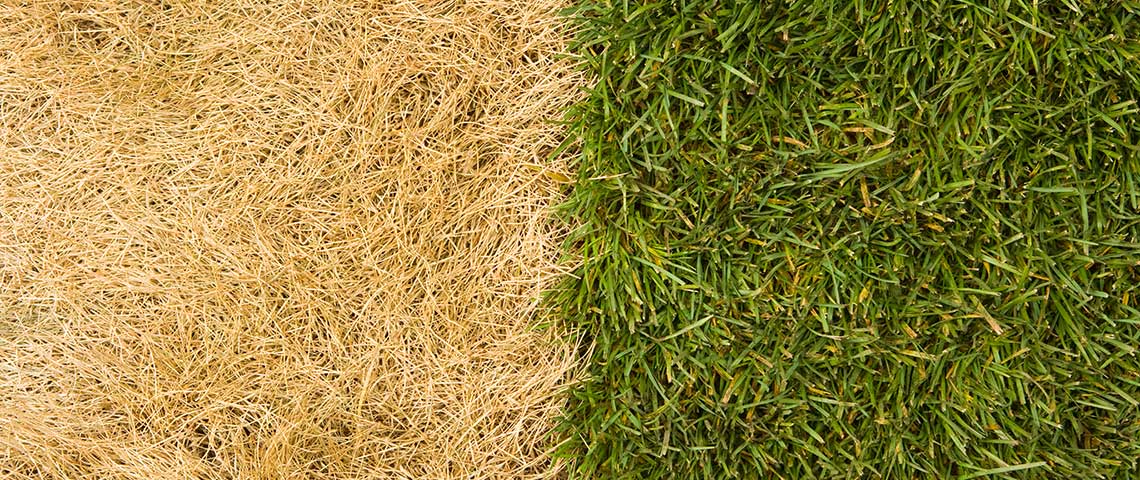
Image Source: www.pennington.com
Diagnosing Your Lawn’s Distress
Before you can start reviving your lawn, you need to figure out why it’s struggling. Is it a simple case of neglect, or is something more serious at play?
Common Causes of Lawn Problems
- Drought: Lack of water is a primary culprit for brown, wilting grass.
- Heat Stress: Extreme temperatures can cause grass to go dormant and turn brown.
- Poor Soil Health: Compacted soil, lack of nutrients, or improper pH can stunt growth.
- Pests: Grubs, chinch bugs, and other insects can damage grass roots and blades.
- Diseases: Fungal infections like brown patch or dollar spot can create unsightly patches.
- Weeds: Aggressive weeds can choke out grass, stealing sunlight, water, and nutrients. Getting rid of weeds in a dying lawn is crucial.
- Mowing Practices: Cutting grass too short or using dull mower blades can weaken it.
- Traffic: Heavy foot traffic can compact the soil and damage grass blades.
The “Pull Test” for Dead Grass
To determine if your lawn is truly dead or just dormant, perform the “pull test.” Grab a clump of brown grass and give it a gentle tug.
- If it pulls out easily, with little resistance, the roots are likely dead. This indicates you’re probably dealing with reviving a dead lawn.
- If it stays firmly in place, the roots are still alive. The grass is likely dormant and will recover with proper care.
Step-by-Step Lawn Revival Plan
Once you have an idea of what’s ailing your lawn, it’s time to get to work. This plan focuses on improving soil, nourishing the grass, and addressing specific issues.
Step 1: Clean Up and Clear the Way
Start by removing any debris from your lawn, such as leaves, twigs, or fallen branches. This allows sunlight and air to reach the soil and grass.
- Rake gently: Use a lawn rake to remove surface debris without damaging existing grass.
- Remove weeds: If weeds are present, try to pull them out by hand, especially before they go to seed. This is a critical part of getting rid of weeds in a dying lawn.
Step 2: Address Soil Compaction with Aeration
Compacted soil is a major impediment to healthy lawn growth. It prevents air, water, and nutrients from reaching the grass roots. Aerating a compacted lawn is essential for improving soil structure.
What is Aeration?
Aeration involves creating small holes in the soil, allowing for better penetration of air, water, and fertilizer.
Types of Aerators:
- Spike Aerators: These push spikes into the soil, creating holes. They are best for minor compaction.
- Core Aerators: These machines pull out plugs of soil, leaving small holes. This is the most effective method for significant compaction.
How to Aerate:
- Mow the lawn: Cut the grass to a shorter height than usual.
- Water the lawn: Lightly water the lawn a day or two before aerating to soften the soil.
- Operate the aerator: Move the aerator slowly and deliberately over the entire lawn. For core aerators, overlap passes slightly.
- Leave the plugs: Allow the soil plugs to dry and break down naturally on the lawn’s surface. They will decompose and return nutrients to the soil.
Step 3: Dethatch for Better Penetration
Thatch is a layer of dead and living grass stems, roots, and debris that accumulates between the green grass blades and the soil surface. A thin layer of thatch is beneficial, but a thick layer (more than 1/2 inch) can prevent water, air, and nutrients from reaching the soil, hindering your efforts in restoring a brown lawn.
When to Dethatch:
Dethatching is best done when the grass is actively growing, typically in the spring or fall.
Dethatching Methods:
- Power Rake (Scarifier): This machine has vertical blades that slice into the thatch layer.
- Dethatching Rake: A manual rake with stiff tines designed to pull up thatch. This is suitable for smaller lawns or lighter thatch build-up.
Dethatching Process:
- Mow the lawn: Cut the grass to a moderate height.
- Dethatch: Use your chosen method to go over the lawn, removing as much thatch as possible.
- Collect debris: Rake up and dispose of the removed thatch.
Step 4: Fertilizing a Struggling Lawn
A struggling lawn often lacks essential nutrients. Fertilizing provides the boost it needs to recover and grow.
Choosing the Right Fertilizer:
Look for a balanced fertilizer, often indicated by three numbers on the bag (e.g., 10-10-10). These numbers represent nitrogen (N), phosphorus (P), and potassium (K), respectively.
- Nitrogen (N): Promotes green, leafy growth.
- Phosphorus (P): Encourages root development.
- Potassium (K): Helps with overall plant health and disease resistance.
For best results when fertilizing a struggling lawn, consider a slow-release fertilizer that provides nutrients over a longer period.
Application Tips:
- Follow instructions: Always read and follow the manufacturer’s instructions for application rates and methods.
- Use a spreader: A broadcast or drop spreader ensures even distribution, preventing streaks and burn spots.
- Water after fertilizing: Lightly water the lawn after applying fertilizer to help it dissolve and move into the soil.
Step 5: Overseeding for Density and Coverage
If your lawn is thin and patchy, overseeding is the key to filling in bare spots and creating a thicker, more resilient turf. Overseeding a thin lawn is a crucial step in reviving a dead lawn.
When to Overseed:
The best time to overseed is during the cooler months when grass is actively growing and weed competition is lower, typically in the fall or early spring.
Choosing the Right Seed:
- Match your existing grass type: Select grass seed that is compatible with your current lawn.
- Consider your climate: Choose a variety that thrives in your local climate and growing conditions.
- High-quality seed: Opt for seed with a high germination rate and minimal weed seed content.
Overseeding Process:
- Prepare the soil: Lightly rake the lawn to loosen the soil surface and remove any remaining thatch. Aeration before overseeding is highly recommended.
- Spread the seed: Use a spreader to apply the seed evenly across the lawn. Aim for the recommended seeding rate for your chosen grass type.
- Rake lightly: Gently rake the seed into the loosened soil to ensure good seed-to-soil contact.
- Water regularly: Keep the seeded areas consistently moist until the seeds germinate and the new grass is established. Avoid letting the soil dry out.
Step 6: Watering a Stressed Lawn
Proper watering is critical for reviving a stressed lawn. Too little water can lead to dormancy or death, while too much can promote disease and shallow root growth.
Watering Best Practices:
- Water deeply and infrequently: Aim to water long enough for the moisture to penetrate 4-6 inches into the soil. This encourages deep root growth.
- Water in the early morning: This minimizes evaporation and allows the grass blades to dry before nightfall, reducing the risk of fungal diseases.
- Adjust based on weather: Water more frequently during hot, dry periods and less during cooler, rainy spells.
- Check soil moisture: Stick a screwdriver into the ground. If it goes in easily, the soil is moist enough. If it’s difficult to push in, it’s time to water.
Watering a stressed lawn requires a delicate balance to rehydrate without causing further damage.
Step 7: Weed Control for a Healthier Lawn
Weeds compete with grass for vital resources. Effectively getting rid of weeds in a dying lawn is essential for its recovery.
Weed Identification:
Knowing the type of weed you’re dealing with will help you choose the most effective control method.
Weed Control Methods:
- Hand-pulling: Effective for small infestations or individual weeds, especially before they go to seed.
- Herbicides:
- Pre-emergent herbicides: Applied before weed seeds germinate, preventing them from sprouting.
- Post-emergent herbicides: Applied to actively growing weeds to kill them. Choose selective herbicides that target specific weed types without harming your grass. Always follow label instructions carefully.
- Improve lawn health: A thick, healthy lawn is the best defense against weeds.
Step 8: Addressing Bare Patches
Bare patches are common signs of lawn distress. Treating bare patches effectively can dramatically improve your lawn’s appearance.
Causes of Bare Patches:
- Grub damage
- Fungal diseases
- Dog urine
- Heavy traffic
- Drought stress
Repairing Bare Patches:
- Loosen the soil: Rake the area to remove any dead grass and loosen the soil.
- Amend the soil (if needed): If the soil is poor, mix in some compost or topsoil.
- Apply seed: Sprinkle grass seed evenly over the prepared area.
- Cover lightly: Cover the seed with a thin layer of topsoil or straw to help retain moisture and protect the seeds.
- Water consistently: Keep the area moist until the new grass is established.
This process is key to lawn repair and bringing the overall health of your lawn back.
Ongoing Maintenance for Lasting Lawn Health
Reviving your lawn is an accomplishment, but maintaining its health requires ongoing attention. Improving lawn health is a continuous process.
Proper Mowing Techniques
- Mow high: Set your mower to the highest recommended setting for your grass type. Taller grass shades the soil, keeping it cooler and retaining moisture.
- Mow often: Never remove more than one-third of the grass blade height at a time. This helps prevent shocking the grass.
- Keep blades sharp: Dull blades tear grass, making it more susceptible to disease and browning.
Seasonal Care
- Spring: Aerate, dethatch, fertilize, and overseed as needed.
- Summer: Water consistently, mow properly, and spot-treat weeds.
- Fall: Fertilize, overseed, and continue proper watering.
- Winter: Avoid heavy traffic on frozen ground.
Pest and Disease Management
Regularly inspect your lawn for signs of pests or diseases. Early detection and treatment are crucial for preventing widespread damage. Consult with local garden centers or extension offices for advice on specific pest and disease control in your area.
Can I Restore a Brown Lawn Quickly?
While you can see some improvements relatively quickly with proper watering and fertilization, truly reviving a brown lawn to its full glory takes time. It often requires a full growing season or even two to see significant, lasting results, especially if the damage was severe. Patience is key.
Table: Lawn Revival Timeline
This table provides a general timeline for the lawn revival process. Actual results may vary based on climate, grass type, and the severity of the lawn’s condition.
| Stage | Activities | Estimated Timeframe |
|---|---|---|
| Diagnosis & Cleanup | Identifying problems, removing debris, initial weed pulling. | 1-2 days |
| Aeration & Dethatching | Improving soil structure, removing thatch. | 1-2 days |
| Fertilization | Applying nutrients to support growth. | Immediate effect visible |
| Overseeding | Filling in thin areas, treating bare patches. | Germination: 7-14 days |
| Watering & Weeding | Consistent moisture, controlling unwanted plants. | Ongoing |
| New Growth & Recovery | Seeing visible greening and thickening of grass. | 2-6 weeks |
| Full Establishment | Lawn becomes dense, healthy, and resilient. | 1-2 growing seasons |
Frequently Asked Questions (FAQ)
Q1: How often should I water my lawn when reviving it?
A: When reviving a stressed or brown lawn, water deeply and infrequently. Aim to moisten the soil to a depth of 4-6 inches. This typically means watering for about 20-30 minutes per zone, 1-3 times per week, depending on your soil type, temperature, and rainfall. Avoid frequent shallow watering, which encourages shallow roots.
Q2: Can I use a weed killer on a dying lawn?
A: Yes, but carefully. If weeds are a significant problem, a targeted herbicide can be beneficial. It’s best to use a post-emergent herbicide formulated for the specific weeds you have. Apply it when the grass is actively growing but not under extreme stress from heat or drought. Always follow the product instructions precisely and consider a “spot treatment” to avoid over-applying.
Q3: My lawn has many bare patches. What’s the best way to fix them?
A: To fix bare patches, first loosen the soil in the affected area with a rake. If the soil seems hard or compacted, aerate it. Then, apply a quality grass seed appropriate for your lawn type. Cover the seed lightly with topsoil or compost and keep the area consistently moist until the grass germinates and establishes.
Q4: When is the best time to overseed my lawn?
A: The ideal time for overseeding is typically in the fall, as temperatures begin to cool. Grass seeds have a better chance of germinating and establishing strong root systems before winter. Early spring is another good option, but weed competition can be higher.
Q5: My lawn is yellow, not brown. What does that mean?
A: Yellowing grass can indicate a nitrogen deficiency, often a sign of fertilizing a struggling lawn. It could also be due to overwatering, poor drainage, or compaction. Assess your watering habits and consider applying a balanced fertilizer. If the problem persists, investigate other potential causes like soil pH or compaction.
By following these steps, you can effectively bring your lawn back to life, transforming it from a neglected patch into a vibrant, healthy, and inviting space. Enjoy the process and the beautiful results!