
Are you wondering, “What causes lawn gnats?” Lawn gnats, often identified as fungus gnats, are typically attracted to moist soil rich in organic matter. They thrive in areas where grass clippings, decaying leaves, or compost piles accumulate, providing a breeding ground for their larvae. While they can be a nuisance, understanding what attracts them is the first step to effective outdoor gnat control.
Dealing with a swarm of tiny, buzzing insects around your lawn can be incredibly frustrating. These unwelcome guests, commonly known as lawn gnats, can turn a pleasant afternoon outdoors into an itchy, annoying ordeal. But don’t despair! Getting rid of them is achievable with the right approach. This guide will walk you through simple, effective steps for outdoor gnat control, covering everything from identifying the cause to implementing long-term solutions. Whether you’re battling a minor annoyance or a full-blown gnat infestation, we’ve got you covered.
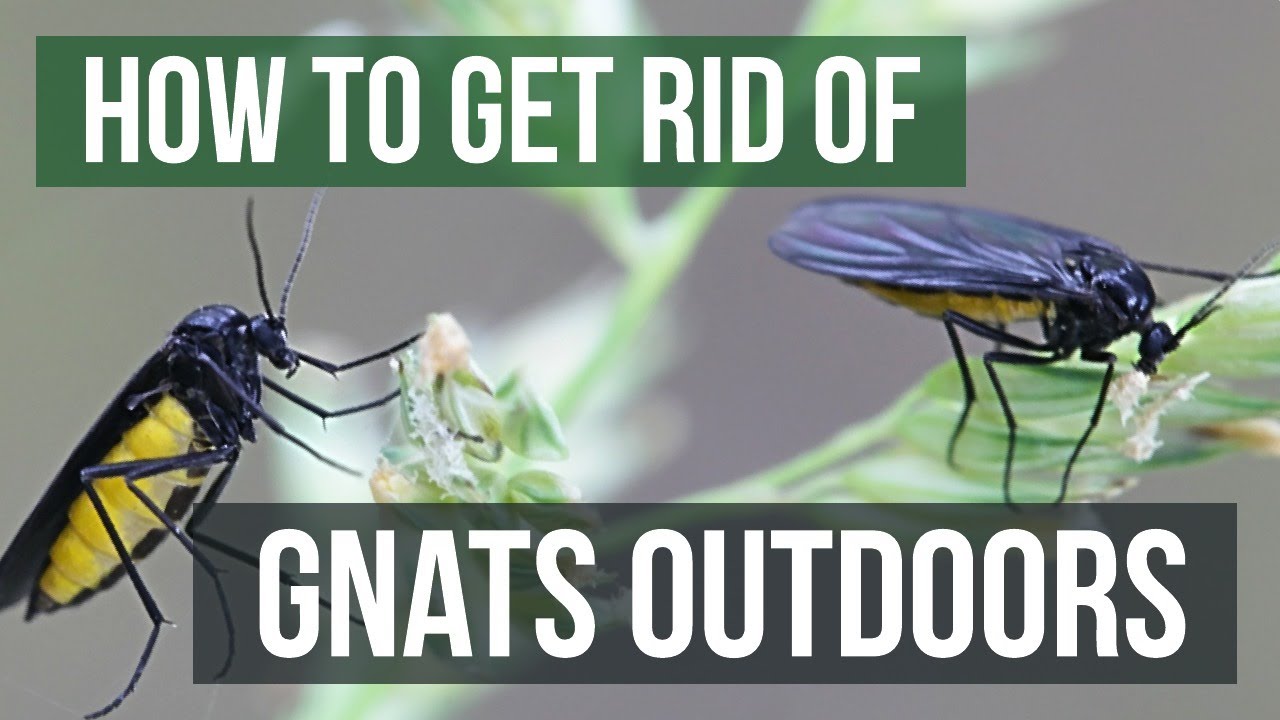
Image Source: i.ytimg.com
Identifying the Culprits: What Are Lawn Gnats?
Before we dive into removal, let’s get to know our tiny adversaries. Lawn gnats are small, dark, flying insects that commonly inhabit lawns and gardens. The most frequent culprits are fungus gnats. These little flyers are not biting insects like mosquitoes; their nuisance factor comes from their sheer numbers and tendency to hover around people.
Why do you have them? Lawn gnats are drawn to specific conditions:
- Moisture: Damp soil, overwatered lawns, and areas with poor drainage are prime real estate for gnat larvae.
- Organic Matter: Decaying plant material, such as leaf litter, grass clippings, and compost, provides a food source for gnat larvae.
- Shade: Areas of your lawn that receive less sunlight tend to stay wetter longer, making them more attractive to gnats.
- Over-fertilization: Excessive use of certain fertilizers, especially those high in nitrogen, can encourage the growth of algae and fungi in the soil, which fungus gnats feed on.
It’s also worth noting that sometimes what you think are lawn gnats might actually be fruit flies. While they share some similarities, fruit flies are typically found near decaying fruits and vegetables, often in kitchens or around garbage cans. However, if your outdoor issue is widespread, fungus gnats are usually the main concern.
The Gnat Life Cycle: Knowing Your Enemy
To effectively eliminate fungus gnats or any lawn gnat problem, it helps to know their life cycle. This knowledge allows us to target them at their weakest points.
- Eggs: Adult female gnats lay tiny eggs, usually in moist soil or decaying organic matter.
- Larvae: The eggs hatch into small, white, worm-like larvae. These larvae are the ones that feed on fungi, algae, and decaying plant material in the soil. This is the stage that can cause damage to plant roots if the infestation is severe.
- Pupae: After a period of growth, the larvae pupate in the soil.
- Adults: The adult gnats emerge from the soil, ready to mate and lay more eggs, continuing the cycle.
The entire cycle can be quite rapid, especially in warm, humid conditions, which explains how a small problem can quickly become a significant gnat infestation.
Simple Steps for Effective Outdoor Gnat Control
Now that we know what causes lawn gnats and their life cycle, let’s talk about how to get rid of them. The key is a multi-pronged approach, focusing on eliminating their breeding grounds and controlling the adult population.
Step 1: Address the Moisture Factor
The most critical step in outdoor gnat control is reducing moisture. Gnats need damp conditions to thrive.
- Improve Drainage: If parts of your lawn are constantly waterlogged, consider improving the drainage. This might involve aerating the soil, adding compost to improve soil structure, or ensuring downspouts direct water away from the lawn.
- Water Wisely: Avoid overwatering your lawn. Water deeply but infrequently, allowing the top inch or two of soil to dry out between waterings. Water in the morning so that any excess moisture has time to evaporate throughout the day.
- Clear Clogged Gutters: Ensure your gutters are clear of debris. Clogged gutters can lead to water pooling around your foundation, creating damp areas that attract gnats.
- Manage Mulch: While mulch is great for retaining soil moisture, too much of it, especially if it’s constantly wet and decomposing, can create ideal gnat breeding sites. Rake up excess mulch and keep it from piling up against your home’s foundation.
Step 2: Eliminate Food Sources
Just as they need moisture, gnats need food. Removing their food sources is crucial for long-term control.
- Clean Up Debris: Regularly rake your lawn to remove fallen leaves, grass clippings, and other decaying organic matter. Bag and dispose of this debris properly.
- Manage Compost Piles: If you have a compost pile, manage it correctly. A healthy compost pile should be turned regularly, kept moist but not waterlogged, and ideally covered to prevent adult gnats from laying eggs. Avoid adding overly wet materials.
- Remove Fallen Fruit: If you have fruit trees, collect any fallen fruit promptly. Rotting fruit is a magnet for gnats and can easily attract fruit flies outdoors, too.
- Properly Store Garbage: Keep outdoor garbage cans tightly sealed. If you have areas where organic waste accumulates, clean them regularly.
Step 3: Targeted Treatments for Adult Gnats
While addressing the root causes is essential, sometimes you need to tackle the adult gnats directly to regain immediate relief.
Natural Gnat Killers and Home Remedies for Gnats
Many effective home remedies for gnats rely on simple, non-toxic ingredients. These are great options for eco-conscious gardeners.
- Dish Soap Solution: A simple spray of water mixed with a few drops of dish soap can kill gnats on contact. The soap breaks down their exoskeletons. Spray directly on hovering gnats.
- Garlic Spray: Blending garlic cloves with water and a bit of dish soap creates a potent natural gnat killer. Strain the mixture and spray it on affected areas. The strong scent can deter them.
- Apple Cider Vinegar Traps: While often used for indoor gnat treatment and getting rid of fruit flies, these can also work outdoors. Place a shallow dish with apple cider vinegar, a drop of dish soap, and a cover of plastic wrap with small holes poked in it. The gnats are attracted by the vinegar, enter through the holes, and get trapped.
Using Traps Effectively
Gnat traps are a good way to monitor and reduce the adult gnat population.
- Sticky Traps: Yellow sticky traps are very effective for catching flying insects, including gnats. Place them strategically around your lawn, especially near areas where you see the most activity.
- DIY Traps: As mentioned above, apple cider vinegar traps are a popular DIY option. You can also use a small amount of beer or wine in a shallow container with a drop of dish soap.
Biological Control
For a more sustainable approach, consider biological control methods.
- Beneficial Nematodes: These microscopic worms can be applied to your lawn. They actively seek out and parasitize gnat larvae and other soil-dwelling pests. This is a fantastic natural gnat killer that works beneath the surface.
- Bacillus thuringiensis israelensis (Bti): This is a naturally occurring bacterium that is toxic only to the larvae of certain insects, including fungus gnats. It can be applied to damp soil or water sources where gnats breed.
Step 4: Lawn Maintenance for Long-Term Prevention
A healthy lawn is less susceptible to pest problems.
- Proper Mowing: Mow your lawn at the correct height for your grass type. Taller grass can help keep the soil cooler and moister, which is good for the grass but can also be good for gnats. Finding the right balance is key.
- Aeration: Aerating your lawn improves soil structure and drainage, reducing the likelihood of overly wet conditions that favor gnats.
- Overseeding: A thick, healthy lawn outcompetes weeds and makes it harder for pests to establish themselves.
Specific Scenarios: Tackling a Stubborn Gnat Infestation
If you’re dealing with a persistent gnat infestation, you might need to be more aggressive in your approach.
Dealing with Fungus Gnats in Garden Beds
Garden beds, especially those with a lot of organic matter or consistent moisture, are common hotspots.
- Top Dressing with Sand: Applying a thin layer of horticultural sand (about half an inch) to the surface of the soil can create a dry barrier that gnats dislike.
- Hydrogen Peroxide Drench: A diluted solution of hydrogen peroxide (1 part 3% hydrogen peroxide to 4 parts water) can kill gnat larvae on contact. Water your plants with this solution. It breaks down quickly into water and oxygen.
- Diatomaceous Earth (Food Grade): This is a powder made from fossilized aquatic organisms. When applied to dry soil surfaces, its sharp edges can kill crawling insects, including gnat larvae. Be sure to use food-grade DE and apply it when the soil is dry.
What to Do About Gnats Around Patios and Porches
These areas often attract gnats due to surrounding vegetation and potential moisture.
- Eliminate Standing Water: Check for and remove any sources of standing water, such as clogged bird baths, saucers under potted plants, or puddles.
- Fan Power: Placing oscillating fans on your patio can disrupt the flight of adult gnats, making it difficult for them to land or swarm.
- Citronella Candles and Torches: While often thought of as mosquito repellents, the smoke and scent from citronella can also help deter gnats.
- Planting Repellent Herbs: Certain plants are known to repel insects. Consider planting basil, lavender, rosemary, or mint near your outdoor living spaces.
When to Consider Professional Help
If you’ve tried various methods and are still struggling with a severe gnat infestation, it might be time to call in the professionals. Pest control services can identify the specific type of gnat and employ more potent treatments if necessary. They can also advise on more advanced lawn care techniques.
Frequently Asked Questions About Lawn Gnats
Here are some common questions people have about dealing with gnats outdoors:
Q1: Are lawn gnats dangerous?
A1: Lawn gnats, particularly fungus gnats, are generally not dangerous to humans. They do not bite or sting. Their primary nuisance is their presence and annoyance due to swarming behavior.
Q2: Can I use the same methods for indoor and outdoor gnats?
A2: Many methods, like apple cider vinegar traps and avoiding overwatering, are effective for both indoor gnat treatment and outdoor gnat control. However, outdoor treatments may need to be more robust due to larger areas and environmental factors. If you’re trying to get rid of fruit flies in your house, you’ll likely focus on kitchen sources, while outdoor gnat control targets lawn and garden areas.
Q3: How long does it take to get rid of lawn gnats?
A3: The time it takes to eliminate lawn gnats depends on the severity of the infestation and how consistently you apply the control methods. Addressing the breeding grounds is key, and you should see a noticeable reduction within a week or two of consistent effort. Complete eradication might take longer, especially if new gnats are continually being introduced.
Q4: Are there any “magic bullet” solutions for lawn gnats?
A4: Unfortunately, there’s no single “magic bullet.” A combination of eliminating breeding sources, disrupting the life cycle, and employing traps or deterrents is the most effective long-term strategy for outdoor gnat control.
Q5: Will rain make my gnat problem worse?
A5: Yes, rain can exacerbate a gnat problem by increasing soil moisture and creating more ideal breeding conditions, especially if drainage is poor. After rain, it’s a good time to check for standing water and ensure your lawn isn’t becoming overly saturated.
By following these steps, you can effectively manage and eliminate lawn gnats, enjoying your outdoor spaces once again. Remember, consistency and a focus on the root causes are your best allies in this battle against these tiny pests.