
Dealing with moss in your lawn can be frustrating. Can you effectively get rid of moss in your grass? Yes, by understanding the causes and applying the right treatments, you can achieve a moss-free lawn. This guide provides comprehensive strategies for lawn moss removal, from identifying the root causes to employing various moss treatment lawn techniques.
Moss thrives in conditions that most desirable lawn grasses find unfavorable. These conditions often include shade, poor drainage, compacted soil, and low soil fertility. If you’re asking, “What is the best way to remove moss?” the answer lies in a multi-pronged approach that addresses both the existing moss and the underlying issues that allow it to flourish. This is crucial for successful lawn care moss management.
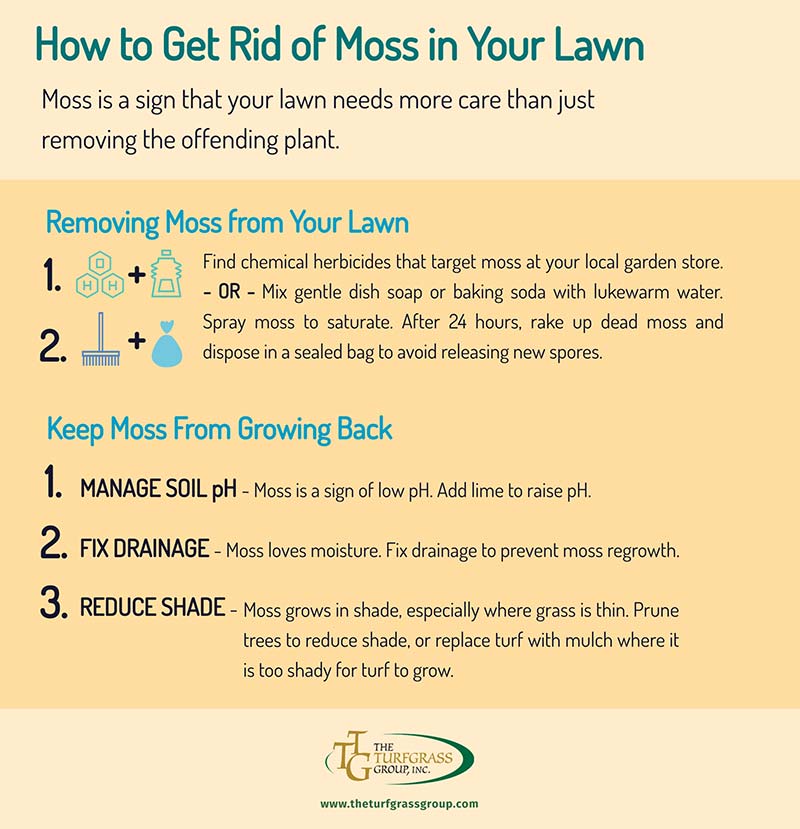
Image Source: theturfgrassgroup.com
Why Moss Appears in Your Lawn
Moss isn’t a weed in the traditional sense; it’s a non-flowering plant that reproduces through spores. It doesn’t have true roots, but instead, rhizoids which anchor it to the surface. This is why it can easily grow on hard surfaces like paving stones as well as in lawns.
Several factors contribute to moss growth:
- Shade: Many lawns struggle with moss on shady lawn areas where grass has difficulty growing. Moss, however, loves these cooler, damper conditions.
- Poor Drainage: Waterlogged soil creates an ideal environment for moss. If your lawn stays wet for extended periods, moss will likely take hold. This is a common problem for moss in wet lawn scenarios.
- Soil Compaction: Compacted soil restricts air and water movement, hindering grass root development. This leaves the soil surface open for moss to colonize.
- Low Fertility: Poorly nourished soil supports weak grass that is more susceptible to moss invasion.
- Acidic Soil: While not always the primary cause, moss can indicate acidic soil conditions that are less favorable for many turf grasses.
Methods to Kill Moss in Grass
Getting rid of moss in your grass often requires a combination of mechanical removal and chemical or natural treatments. It’s important to remember that simply removing the visible moss without addressing the underlying causes will likely result in its return.
Mechanical Removal
Before applying any treatments, it’s often beneficial to physically remove as much moss as possible.
- Raking: A stiff-bristled rake or a scarifier can be used to vigorously rake out moss. This process is often called scarifying or dethatching. Do this when the lawn is dry to make it easier.
- Scarifying: For more persistent moss, a scarifier (also known as a dethatcher) is a more effective tool. It has blades that cut into the soil, removing thatch and moss.
Chemical Moss Killers for Lawns
When mechanical removal isn’t enough, chemical solutions can be highly effective. These products typically contain active ingredients that dehydrate and kill the moss.
- Iron-Based Products: Many commercial moss killers contain iron sulfate (ferrous sulfate). This ingredient rapidly kills moss and also provides a small iron boost to the lawn, which can help the grass recover. It also helps to darken the green color of the grass. When using these products, be aware that they can stain concrete and paving.
- Detergent-Based Products: Some products use detergents to break down the moss’s cell walls.
- Ammonium Sulfate: This can also be used as a moss killer, but it’s primarily a fertilizer, so use it sparingly to avoid burning the grass.
Application Tips for Moss Killers:
- Follow Instructions: Always read and follow the manufacturer’s instructions carefully.
- Timing: Apply when the moss is actively growing, usually in spring or autumn.
- Dry Conditions: Apply to a dry lawn, and avoid watering for at least 24-48 hours afterward.
- Removal: After the moss has turned black or brown (usually a few days to a week), rake it out.
Natural Moss Removal Techniques
For those who prefer a more eco-friendly approach, natural moss removal is an option. These methods might take longer to show results but are gentler on the environment.
- Vinegar Solution: A solution of white vinegar and water can kill moss. Mix one part vinegar with four parts water. Spray directly onto the moss. This is best done on a sunny day. Be cautious, as vinegar can also harm grass if applied too heavily or directly.
- Baking Soda: Sprinkle baking soda directly onto the moss. This will dehydrate it. Again, use with care as too much can harm your grass.
- Boiling Water: Pouring boiling water directly onto the moss can kill it. This is a more localized treatment and can be time-consuming for large areas.
Natural Moss Removal Considerations:
- Effectiveness: Natural methods are often less potent than chemical killers and may require repeated applications.
- Grass Safety: Always test any natural solution on a small patch of lawn first to ensure it doesn’t damage your grass.
Addressing the Root Causes: The Key to Preventing Moss on Lawn
Effective lawn care moss management means tackling why the moss is there in the first place. This is the most crucial step in long-term moss prevention.
Improving Drainage
Moss in wet lawn areas indicates a drainage problem.
- Aeration: Core aeration involves removing plugs of soil to relieve compaction and improve air and water penetration. This is essential for healthy grass and discourages moss.
- Top-Dressing: After aeration, top-dressing with a sandy loam mixture can further improve drainage and soil structure.
- British Type Drainage: For severe waterlogging, consider installing a more comprehensive drainage system, such as French drains or slit drainage, particularly in problem areas.
Reducing Shade
Moss on shady lawn spots is a direct result of insufficient sunlight.
- Pruning: Trim overhanging branches from trees and shrubs to allow more sunlight to reach the lawn.
- Tree Removal: In some cases, removing trees that cast dense shade may be necessary if grass growth is consistently poor.
- Shade-Tolerant Grasses: Consider overseeding with grass varieties that are more tolerant of shade, such as Fine Fescues.
Improving Soil Health and Fertility
Healthy, vigorous grass is the best defense against moss.
- Soil Testing: Get your soil tested to determine its pH and nutrient levels.
- Liming: If your soil is acidic, applying lime according to soil test recommendations can raise the pH, making it more favorable for grass and less so for moss.
- Fertilizing: Apply a balanced lawn fertilizer at the appropriate times of the year to ensure your grass has the nutrients it needs to thrive.
Reducing Soil Compaction
Compacted soil suffocates grass roots.
- Regular Aeration: As mentioned, aeration is key. Aim to aerate at least once a year, or twice in heavily used areas.
- Avoid Foot Traffic: Minimize foot traffic on your lawn, especially when it’s wet, as this can exacerbate compaction.
Step-by-Step Guide to Lawn Moss Removal
Here’s a practical approach to tackle moss in your lawn:
Step 1: Identify the Cause
- Assess your lawn for shade, waterlogging, or signs of compaction. This is the foundation for your moss treatment lawn plan.
Step 2: Mechanical Removal (Early Spring or Autumn)
- When the ground is slightly damp but not saturated, use a stiff rake or a scarifier to vigorously rake out the moss.
- Collect and dispose of the removed moss.
Step 3: Apply a Moss Killer
- Choose either a chemical moss killer for lawns or a natural moss removal solution.
- Apply according to product instructions. For chemical products, this usually means watering them in after application.
Step 4: Rake Out Dead Moss
- Once the moss has turned brown or black (allow a few days to a week), rake it out thoroughly. This is a crucial part of lawn moss removal.
Step 5: Address Underlying Issues
- Aeration: Aerate the lawn to improve soil structure and drainage.
- Top-dressing: If necessary, top-dress with a suitable soil mix.
- Liming: Apply lime if your soil test indicates acidity.
- Fertilizing: Feed your lawn with a good quality fertilizer.
Step 6: Overseeding (Optional but Recommended)
- For bare patches left after moss removal, overseed with a quality grass seed mix suited to your lawn’s conditions (sun/shade).
Step 7: Ongoing Lawn Care
- Continue with regular mowing, watering, and feeding to maintain a healthy, dense turf that can naturally outcompete moss.
When to Expect Results
You should start to see the moss turn brown or black within a few days to a week after applying a moss killer. Mechanical removal will provide immediate visual improvement. However, for a truly moss-free lawn, it’s essential to implement the steps to correct the conditions that allowed the moss to grow in the first place. This might take a full growing season or longer.
Popular Moss Removal Products and Their Ingredients
Understanding the active ingredients in moss killers helps you make informed choices.
| Product Type | Common Active Ingredients | How They Work | Considerations |
|---|---|---|---|
| Chemical Moss Killer | Ferrous Sulfate (Iron) | Kills moss by dehydration and oxidizing its tissues. Also provides iron for grass. | Can stain concrete/paving. May darken grass temporarily. |
| Dichlobenil | A herbicide that inhibits cell division, killing moss. | Can affect broadleaf plants. | |
| Ammonium Sulfate | Kills moss and acts as a nitrogen fertilizer. | Can be harsh on grass if over-applied; potential for burning. | |
| Natural Moss Killer | Vinegar (Acetic Acid) | Dehydrates moss and can alter soil pH. | Can harm grass if not diluted properly or applied to dry grass. Requires careful application. |
| Baking Soda (Sodium Bicarbonate) | Absorbs moisture and dehydrates moss. | Can alter soil pH and potentially harm grass in high concentrations. | |
| Copper Sulfate | A fungicide that kills moss. | Can be toxic to aquatic life; use with extreme caution and avoid runoff into water sources. |
Specific Scenarios: Moss on Shady Lawn and Moss in Wet Lawn
Moss on Shady Lawn
If you have a moss problem specifically in shady areas, your primary focus should be on improving light penetration and choosing appropriate grass types.
- Prune Trees and Shrubs: Open up the canopy to let in more sunlight.
- Overseed with Shade-Tolerant Grass: Consider a mix that includes Fine Fescues or Rough Bluegrass, which tolerate lower light levels better than Ryegrass or Fescue.
- Reduce Watering: Shady areas dry out slower, so avoid overwatering.
- Fertilize Appropriately: Use a fertilizer formulated for shade-grown lawns, which often has a higher nitrogen content.
Moss in Wet Lawn
Persistent moss in wet lawn areas points to poor drainage.
- Aeration: This is your best friend. Aerate in spring and autumn.
- Improve Drainage Systems: For severe issues, consider installing French drains or a more comprehensive subsurface drainage system.
- Level Out Low Spots: Fill in depressions where water collects with a good quality soil mix.
- Avoid Compaction: Stay off the lawn when it’s wet to prevent further soil compaction.
Frequently Asked Questions (FAQ)
Q1: How quickly does moss killer work?
A1: Most chemical moss killers will start to turn the moss brown or black within a few days to a week. Natural remedies might take longer.
Q2: Can I just rake the moss out without using a killer?
A2: You can physically remove moss by raking or scarifying, but if you don’t address the underlying conditions, it will likely return. For the best results, combine mechanical removal with addressing the causes.
Q3: Is it okay to use household vinegar on my lawn?
A3: Diluted white vinegar can be used as a natural moss killer, but it must be diluted significantly (e.g., 1 part vinegar to 4 parts water) and applied carefully to avoid damaging your grass. Test in a small area first.
Q4: What is the best time of year to treat moss?
A4: The ideal time for moss treatment lawn application is typically in early spring (March-April) or autumn (September-October) when moss is actively growing and the weather is mild and moist.
Q5: Will moss kill my grass?
A5: Moss doesn’t directly kill grass, but it thrives in the conditions that weaken grass, such as shade, poor drainage, and compaction. A dense moss covering can smother grass by blocking sunlight, air, and moisture from reaching the soil and grass roots.
Q6: How do I prevent moss from coming back?
A6: Prevention is key. Focus on creating a healthy lawn environment by improving drainage, ensuring adequate sunlight (or using shade-tolerant grass), reducing soil compaction through aeration, and maintaining good soil fertility with proper fertilization.
By following these methods and focusing on the health of your lawn, you can effectively tackle moss and enjoy a greener, lusher landscape. Remember, consistent lawn care moss management is more effective than occasional, drastic measures.