
The question of how many times should I fertilize my lawn typically depends on your grass type, climate, and the specific fertilizer you use, but most lawns benefit from 2 to 4 applications per year. This guide will help you establish an effective lawn fertilization schedule and explain the nuances of fertilizer application frequency.
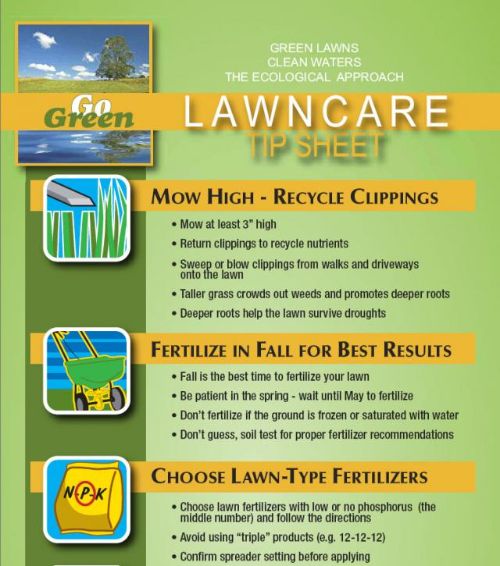
Image Source: www.canr.msu.edu
Deciphering Your Lawn’s Nutritional Needs
Your lawn is a living organism that requires a balanced diet to thrive. Fertilizers provide essential nutrients, primarily nitrogen (N), phosphorus (P), and potassium (K), often referred to as N-P-K. Nitrogen promotes lush green growth, phosphorus aids in root development, and potassium strengthens the grass against stress, diseases, and drought. Understanding the specific needs of your grass type is the first step in determining how often to fertilize grass.
Grass Type Matters
Different grass species have varying growth cycles and nutrient demands.
- Cool-Season Grasses: These grasses, like fescues, ryegrass, and bluegrass, thrive in cooler temperatures. They typically have a peak growth period in the spring and fall. Therefore, their fertilization needs are often concentrated during these times.
- Warm-Season Grasses: These grasses, such as Bermuda, Zoysia, and St. Augustine, grow most actively during the warm summer months. Their fertilization schedule should align with their active growth periods.
Climate Considerations
Your local climate plays a significant role in your lawn care fertilization strategy.
- Northern Climates: Cool-season grasses dominate here. Fertilization is usually recommended in early spring, late spring/early summer, and most importantly, in the fall. Fall fertilization is crucial for replenishing nutrients used during summer stress and preparing the grass for winter.
- Southern Climates: Warm-season grasses are prevalent. Fertilization typically occurs from late spring through summer, with a final application in early fall to help the grass recover and prepare for dormancy.
Establishing Your Lawn Fertilization Schedule
A well-planned lawn fertilization schedule ensures your grass receives nutrients when it needs them most, promoting healthy growth and resilience.
Fertilizing Lawn in Spring
Spring is a critical time for cool-season grasses to recover from winter dormancy and begin active growth. Fertilizing in spring provides the nutrients needed for this resurgence.
- Timing: Aim for early to mid-spring, once the grass has started to green up and the danger of hard frost has passed.
- Nutrient Focus: A fertilizer with a higher nitrogen content is beneficial for promoting leaf growth and color.
- Avoid Early Spring for Warm-Season Grasses: Fertilizing warm-season grasses too early in spring, before they have fully emerged from dormancy, can be ineffective and potentially harmful. Wait until you see consistent green growth.
Fertilizing Lawn in Fall
Fall is arguably the most important time to fertilize cool-season lawns. This application helps the grass store energy for winter and promotes root development.
- Timing: For cool-season grasses, apply fertilizer in early to mid-fall, before the ground freezes. A second application in late fall, closer to when the grass enters dormancy, can be very beneficial.
- Nutrient Focus: A fertilizer with a balanced N-P-K ratio or one slightly higher in potassium can help the grass withstand winter stress.
- Warm-Season Grasses in Fall: For warm-season grasses, a light fertilization in early fall can help with recovery from summer stress, but avoid high-nitrogen fertilizers as the grass prepares for dormancy.
Summer Fertilization
Fertilizing during the heat of summer can stress your lawn, especially cool-season grasses that are less tolerant of high temperatures.
- Cool-Season Grasses: It’s generally best to avoid fertilizing cool-season grasses during the hottest summer months. If fertilization is necessary, opt for slow-release nitrogen formulations to minimize the risk of burning the grass.
- Warm-Season Grasses: Summer is prime growth time for warm-season grasses, so fertilization during this period is typically beneficial. Use slow-release nitrogen fertilizers to provide a steady supply of nutrients.
Fertilizer Application Frequency: The “How Often” Question
The frequency of fertilization is directly linked to the type of fertilizer used and your lawn’s specific needs.
Types of Fertilizers for Lawns
The fertilizer types for lawns available can be categorized by their nutrient release rate.
- Quick-Release Fertilizers: These fertilizers provide nutrients immediately to the grass. They offer a rapid green-up but can also lead to surges in growth, increased mowing frequency, and a higher risk of burning the lawn if over-applied or if rain doesn’t follow. They generally require more frequent applications throughout the growing season.
- Slow-Release Fertilizers: These fertilizers release nutrients gradually over a longer period, typically 6-8 weeks or more. This provides a more consistent supply of nutrients, promotes steady growth, and significantly reduces the risk of burning the lawn. They are ideal for reducing the overall fertilizer application frequency while maintaining healthy growth.
- Organic Fertilizers: Derived from natural sources like compost, manure, or bone meal, organic fertilizers release nutrients slowly as they decompose. They also improve soil health and structure, making them an excellent choice for long-term lawn care. Their slow-release nature means they are applied less frequently than quick-release synthetic options.
General Fertilization Frequency Guidelines
Based on fertilizer type and grass season, here are some general guidelines:
| Grass Type | Fertilizer Type | Spring Applications | Summer Applications | Fall Applications | Total Annual Applications |
|---|---|---|---|---|---|
| Cool-Season | Quick-Release | 1-2 | 0-1 (optional) | 2 | 3-5 |
| Cool-Season | Slow-Release | 1 | 0-1 (optional) | 1-2 | 2-4 |
| Cool-Season | Organic | 1 | 0 | 1-2 | 2-3 |
| Warm-Season | Quick-Release | 0-1 (after green-up) | 1-2 | 1 (early fall) | 2-4 |
| Warm-Season | Slow-Release | 0-1 (after green-up) | 1 | 1 (early fall) | 1-3 |
| Warm-Season | Organic | 1 (after green-up) | 1 | 1 (early fall) | 2-3 |
Note: These are general guidelines. Always follow the specific instructions on the fertilizer packaging and adjust based on your lawn’s observed health and growth.
Important Considerations for Fertilizer Application
Beyond just the frequency, when and how you fertilize are equally important.
Best Time to Fertilize Lawn
The “best time” is when your grass is actively growing and can readily absorb the nutrients.
- Cool-Season Grasses: The best times are during their two main growth periods: spring and fall. Late fall fertilization is particularly crucial.
- Warm-Season Grasses: Fertilize when they are actively growing, which is typically from late spring through summer.
Avoiding Over-Fertilization and Over-Seeding
While fertilization is beneficial, too much of a good thing can be detrimental.
- Signs of Over Fertilization: Be aware of the signs of over fertilization, which can include:
- Yellowing or Browning: While a lack of fertilizer can cause yellowing, excessive fertilizer can “burn” the grass, leading to brown patches or streaks.
- Excessive Thatch: Rapid, unnatural growth can contribute to a thick thatch layer.
- Weak, Spindly Growth: Grass that grows too fast can be weak and susceptible to disease.
- Salt Damage: In severe cases, fertilizer salts can draw moisture from the grass blades, causing them to dry out and die.
- Overseeding and Fertilizing: When you’re overseeding and fertilizing, timing is key. Fertilize after the new grass seeds have germinated and established themselves. Applying fertilizer too soon after overseeding can inhibit germination or harm the new seedlings. A starter fertilizer, typically lower in nitrogen and higher in phosphorus, is often recommended when overseeding to promote strong root development.
Application Methods
Ensure you apply fertilizer evenly to prevent striping or uneven growth. A spreader (broadcast or drop spreader) is recommended for granular fertilizers. Liquid fertilizers are applied with a hose-end sprayer. Always water your lawn after applying granular fertilizer, unless the product specifically states otherwise, to help it dissolve and reach the soil.
Seasonal Lawn Care and Fertilization
Let’s delve deeper into how fertilization fits into your overall seasonal lawn care.
Spring Lawn Care Fertilization
As winter recedes, your cool-season lawn needs a boost.
- Purpose: Replenish nutrients depleted during winter, encourage new growth, and build a strong foundation for the season ahead.
- Fertilizer Choice: A balanced fertilizer or one with a slightly higher nitrogen content (e.g., 10-10-10 or 20-5-10) is suitable. Slow-release nitrogen is ideal to avoid rapid, weak growth.
- Timing: Wait until the grass shows signs of active growth and the soil temperature is consistently above 50°F (10°C).
For warm-season grasses in the spring, the focus is on their emergence from dormancy. Fertilizing should wait until the grass has fully greened up and is actively growing.
Fall Lawn Care Fertilization
Fall is the most important fertilization period for cool-season grasses.
- Purpose: Provide the energy needed to store for winter, promote root growth, and help the grass recover from summer stress.
- Fertilizer Choice: A fertilizer with a balanced N-P-K or one higher in potassium is beneficial. Slow-release formulations are excellent for consistent feeding. For late fall applications, a “winterizer” fertilizer is often recommended.
- Timing: The first application is typically in early to mid-fall. A second, final application in late fall, just before the ground freezes, is highly recommended for cool-season grasses.
For warm-season grasses, fall fertilization is generally lighter. An early fall application can help with recovery, but high-nitrogen fertilizers should be avoided as the grass prepares for dormancy.
Summer Lawn Care and Fertilization
Summer can be stressful for lawns, especially cool-season varieties.
- Cool-Season Grasses: Fertilization during summer is generally not recommended unless absolutely necessary. If you must fertilize, use a slow-release nitrogen product at a reduced rate to minimize the risk of burning. Proper watering and mowing are more critical during this period.
- Warm-Season Grasses: Summer is their peak growth period. Fertilization is beneficial and can be done every 6-8 weeks with slow-release nitrogen fertilizers.
Fertilizing and Other Lawn Maintenance Practices
Fertilization is just one part of a comprehensive lawn care program.
Overseeding and Fertilizing
When overseeding and fertilizing, consider the following:
- Timing: Overseed in early fall for cool-season grasses or late spring/early summer for warm-season grasses.
- Fertilization: Apply a starter fertilizer after the new seed has germinated and shows signs of growth. Avoid fertilizing immediately after seeding, as it can hinder germination.
Aeration and Fertilization
Core aeration helps to alleviate soil compaction, allowing air, water, and nutrients to penetrate the root zone more effectively.
- Timing: Aerate cool-season lawns in early fall or early spring. Aerate warm-season lawns in late spring or early summer.
- Fertilization: Fertilize shortly after aeration to allow the nutrients to reach the root system more easily. This is an ideal time to apply fall fertilizers to cool-season grasses.
Weed and Pest Control
Healthy, well-fertilized lawns are more resistant to weeds and pests. However, if you are actively treating for weeds or pests, check the labels of your treatments. Some herbicides can injure grass that has recently been fertilized.
Frequently Asked Questions About Lawn Fertilization
Here are answers to some common questions:
How much fertilizer should I use?
Always follow the application rates recommended on the fertilizer packaging. Using too much can harm your lawn. A general guideline for nitrogen application is about 1 pound of actual nitrogen per 1,000 square feet per application.
Can I fertilize my lawn when it’s dormant?
For cool-season grasses, a late fall application just before dormancy can be beneficial for winter survival. However, avoid fertilizing dormant grass during the peak summer heat or deep winter dormancy when it cannot absorb the nutrients. For warm-season grasses, avoid fertilization once they have gone fully dormant for winter.
What is the difference between synthetic and organic fertilizers?
Synthetic fertilizers are manufactured chemicals that provide specific nutrients quickly. Organic fertilizers are derived from natural materials and release nutrients slowly, also improving soil health.
What does the N-P-K ratio mean on a fertilizer bag?
The three numbers represent the percentage by weight of nitrogen (N), phosphorus (P), and potassium (K) in the fertilizer. For example, a 10-10-10 fertilizer contains 10% nitrogen, 10% phosphorus, and 10% potassium.
By carefully considering your grass type, climate, and the type of fertilizer you use, you can create an effective lawn fertilization schedule that keeps your lawn healthy, green, and resilient throughout the year. Remember that consistent, appropriate lawn care fertilization is key to a beautiful and thriving yard.