
Can you remove morning glory from your lawn fast and easily? Yes, with the right methods, you can effectively tackle morning glory and keep your lawn looking its best. This guide will show you safe and natural ways to achieve vine removal and implement effective weed control.
Morning glory (Ipomoea spp.) is a beautiful flower, but when it invades your lawn, it becomes a persistent weed. Its vigorous growth and deep root systems can quickly overwhelm desirable grasses, making invasive plant removal a priority for lawn care enthusiasts. This article provides a comprehensive approach to lawn maintenance, focusing on methods that are kind to your garden and the environment. We’ll cover everything from immediate vine removal techniques to long-term strategies for preventing morning glory from returning.
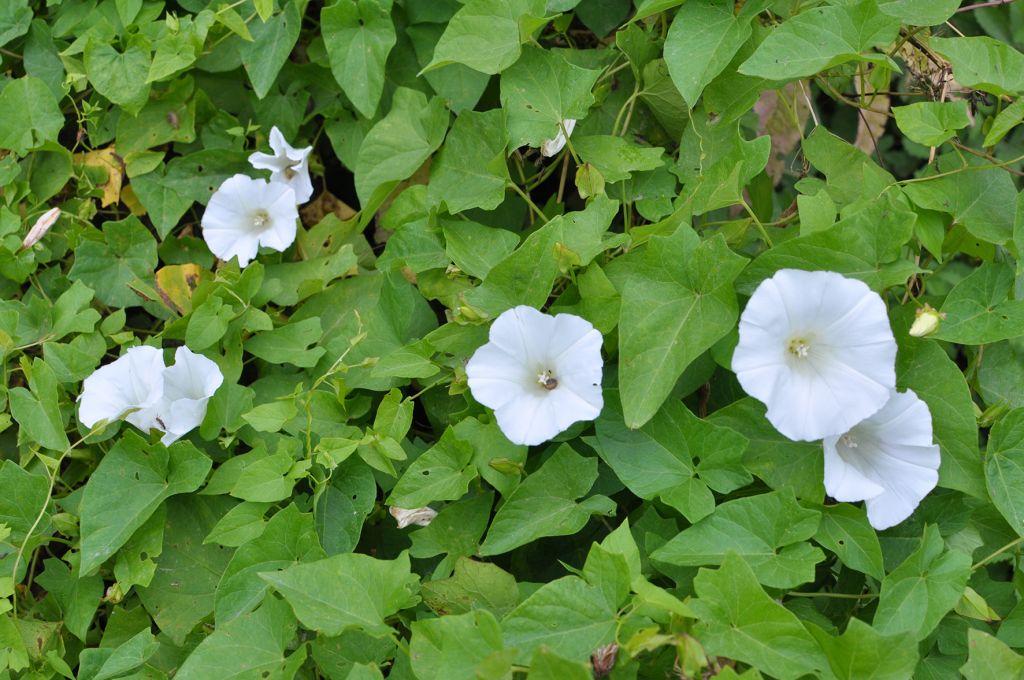
Image Source: www.ascentyardcare.com
Grasping the Morning Glory Problem
Morning glory is notorious for its rapid growth and its ability to spread via seeds and extensive root systems. A single plant can produce thousands of seeds that remain viable in the soil for years, making complete eradication a challenge. The characteristic trumpet-shaped flowers, while pretty, are a sign of a plant that is aggressively colonizing your turf. It thrives in full sun and well-drained soil, often found in disturbed areas of the lawn.
Key Characteristics of Morning Glory:
- Growth Habit: Twining vine, often covering other plants or structures.
- Leaves: Heart-shaped or three-lobed.
- Flowers: Trumpet-shaped, typically blue, purple, pink, or white.
- Roots: Can be shallow or develop deep taproots, with horizontal runners spreading the plant.
- Seed Production: Produces numerous seeds in pods after flowering.
Why Morning Glory is a Lawn Nuisance
The rapid spread of morning glory can choke out healthy grass, reducing the aesthetic appeal and resilience of your lawn. Its dense growth can also harbor pests and diseases, further impacting your turf. Effective weed control is essential to maintain a vibrant and healthy lawn.
Speedy Solutions: Immediate Morning Glory Removal
When you need fast results, a multi-pronged approach combining manual weed removal with targeted natural treatments is most effective.
Manual Weed Removal: The Foundation of Control
The most immediate and environmentally friendly way to tackle morning glory is through diligent manual removal. This involves physically pulling the plants and their roots from your lawn.
The Art of Hand-Pulling
- Timing is Key: The best time to hand-pull morning glory is when the soil is moist, such as after a rainfall or watering. This makes it easier to extract the entire root system, minimizing the chance of regrowth.
- Get the Roots: Focus on pulling the entire plant, including as much of the root system as possible. Morning glory has a taproot and can also spread via rhizomes (underground stems). If you leave any root fragments behind, the plant can regenerate.
- Tools for the Job: A garden fork or a weeding tool can help loosen the soil around the roots, making them easier to pull out. For larger infestations, a trowel can be useful.
- Dispose of Weeds Properly: Do not compost morning glory plants, especially if they have gone to seed. Bag them and dispose of them in your regular trash to prevent seeds from spreading.
Pros and Cons of Manual Removal:
| Pros | Cons |
|---|---|
| Environmentally friendly | Time-consuming and labor-intensive |
| No chemical residue | May not be fully effective for deeply rooted or widespread |
| Immediate visible results | Requires persistence; can be physically demanding |
| Prevents seed spread if done carefully | Can disturb the soil, potentially encouraging new weeds |
Natural Weed Killer Applications
Once you’ve manually removed the bulk of the morning glory, you can apply natural treatments to kill any remaining plants or regrowth. These methods are safe for your lawn and family.
Vinegar Solution: A Potent Natural Weapon
Household vinegar, particularly horticultural vinegar with a higher acetic acid concentration (10-20%), can be an effective natural weed killer.
- How it Works: The acetic acid in vinegar burns the foliage of the plant, causing it to dehydrate and die.
- Application:
- Mix horticultural vinegar with a few drops of liquid dish soap (this helps the vinegar stick to the leaves).
- Use a spray bottle for targeted application directly onto the morning glory leaves and vines.
- Apply on a sunny, dry day. Avoid spraying on windy days to prevent drift onto desirable plants.
- Reapply as needed, as vinegar is a contact killer and may not always kill the roots on the first try, especially for mature plants.
- Caution: High concentrations of vinegar can also harm grass and other desirable plants. Be precise in your application.
Boiling Water: A Simple and Effective Method
For isolated patches of morning glory, boiling water can be a quick and effective natural weed killer.
- How it Works: The extreme heat from the boiling water kills the plant tissue on contact.
- Application:
- Boil a kettle of water.
- Carefully pour the boiling water directly onto the morning glory plants, focusing on the leaves and stems.
- This method is best for small areas and requires extreme caution to avoid burns.
- Effectiveness: It’s a contact killer, so repeated applications might be necessary for established root systems.
Salt Solutions: Use with Extreme Caution
While salt can kill plants, its use in lawns is highly discouraged due to its long-term negative impact on soil health and ability to kill beneficial microorganisms. If you absolutely must use it for a very isolated patch with no other options, do so with extreme caution.
- Application: Dissolve a small amount of salt (e.g., Epsom salt or table salt) in water and apply directly to the morning glory.
- WARNING: Salt can sterilize the soil for extended periods, making it difficult for anything to grow there for a long time. It can also be washed into surrounding areas, harming other plants. This method is generally not recommended for lawn care.
Natural and Safer Herbicides for Vines
For more stubborn infestations, or when you need a bit more power than manual removal alone, consider natural-based or selective herbicides. Always read and follow label instructions carefully.
Organic Herbicides
Several commercially available organic herbicides are derived from natural substances like essential oils or fatty acids.
- Citric Acid-Based Herbicides: These work similarly to vinegar by desiccating plant tissue.
- Fatty Acid Herbicides (Soaps): These disrupt the cell membranes of plants, leading to dehydration.
How to Use: These are typically applied as a spray directly to the foliage. They are contact killers, meaning they only kill the parts of the plant they touch. For deep-rooted plants like morning glory, multiple applications may be necessary, and they might not completely eliminate the root system.
Selective Herbicides for Broadleaf Weeds
If the morning glory is significantly impacting your grass, a selective broadleaf herbicide might be necessary. These are designed to kill broadleaf weeds without harming grasses.
- Active Ingredients to Look For: Many effective products contain ingredients like 2,4-D, MCPP, or dicamba. However, some of these are synthetic. For a more natural approach, look for products with ingredients like:
- Fehrol (Iron HEDTA): This is an iron-based herbicide that kills broadleaf weeds by over-fertilizing them with iron, causing them to burn and die. It is safe for established lawns and is not harmful to pets or humans after it dries.
- Corn Gluten Meal: While primarily a pre-emergent, it can have some post-emergent effects on young weeds by inhibiting root growth. It’s not a fast-acting solution for established morning glory.
Important Considerations for Herbicides:
- Read the Label: Always read and follow the manufacturer’s instructions for application rates, timing, and safety precautions.
- Targeted Application: Apply herbicides directly to the morning glory to avoid damaging your grass.
- Timing: Apply when weeds are actively growing and not stressed by drought.
- Weather: Avoid applying before heavy rain, as it can wash the herbicide away.
Long-Term Strategies for Preventing Morning Glory
Once you’ve tackled the immediate problem, implementing strategies for preventing morning glory is crucial for sustained lawn maintenance.
Mulching: A Barrier Against Weeds
A thick layer of mulch can suppress weed growth by blocking sunlight.
- Types of Mulch: Organic mulches like wood chips, shredded bark, or straw are effective. For lawns, a thin layer of grass clippings or compost can be beneficial for soil health while suppressing some weeds.
- Application: Apply a 2-3 inch layer of mulch around garden beds and desirable plants. For lawns, this is less practical as a primary weed prevention strategy.
Seeding and Overseeding: Strengthening Your Lawn
A thick, healthy lawn is the best defense against weeds.
- Dense Turf: Healthy, dense turfgrass crowds out weeds, making it difficult for them to establish.
- Overseeding: Regularly overseeding your lawn, especially in the fall or spring, helps fill in any bare patches and strengthens the turf’s overall density. Choose grass seed varieties that are well-suited to your climate and lawn conditions.
Proper Lawn Care Practices
Consistent and correct lawn care plays a vital role in preventing weed encroachment.
- Mowing Height: Mow your lawn at the higher recommended height for your grass type. Taller grass shades the soil, making it harder for weed seeds to germinate.
- Watering: Water your lawn deeply and infrequently. This encourages deep root growth in your grass, making it more resilient to drought and competition from weeds.
- Fertilizing: Fertilize your lawn appropriately based on soil test results and the needs of your grass type. A well-nourished lawn is a healthy lawn, better able to outcompete weeds.
Managing Lawn Edges and Borders
Morning glory often enters lawns from surrounding areas like fences, hedges, or undeveloped land.
- Edging: Regularly edge your lawn to create a clear border between your turf and garden beds or other unmanaged areas. This physically separates your lawn from potential weed sources.
- Ground Cover: In areas adjacent to your lawn that you don’t want to maintain as turf, consider planting dense, low-growing ground covers that can outcompete morning glory.
Dealing with Seed Bank
Morning glory seeds can remain viable in the soil for many years.
- Persistent Removal: Continue to monitor your lawn for any signs of new morning glory growth. Early detection and removal are key to preventing the establishment of new plants and the production of more seeds.
- Solarization (for severe infestations in bare areas): If you have a severely infested area that you are willing to let lie fallow for a season, you can use clear plastic sheeting to solarize the soil. This involves covering the area tightly with plastic during the hottest months of the year. The trapped heat can kill weed seeds and some shallow roots. This is a more extreme measure and not suitable for an established lawn.
Step-by-Step Guide to Morning Glory Removal
Let’s break down the process into actionable steps for effective vine removal.
Phase 1: Immediate Eradication
- Assess the Infestation: Determine the extent of the morning glory problem in your lawn. Is it isolated patches or widespread?
- Gather Tools: Collect gardening gloves, a trowel or garden fork, a bucket, a spray bottle, horticultural vinegar (optional), and a strong trash bag.
- Manual Removal:
- Choose a time after rain or watering when the soil is moist.
- Carefully dig around the base of each morning glory plant.
- Gently pull the entire plant, ensuring you get as much of the root system as possible. Twist and pull slowly if resistance is met.
- Place all removed plant material into your bucket.
- Apply Natural Killer (If Needed):
- For any remaining significant foliage, mix horticultural vinegar with a few drops of dish soap in a spray bottle.
- Lightly spray the leaves and vines of the morning glory. Avoid overspray onto desirable grass.
- Alternatively, use boiling water for very small, isolated spots, exercising extreme caution.
- Dispose of Waste: Seal the trash bag containing the morning glory plants and dispose of it in your regular waste bin. Do not compost.
Phase 2: Follow-Up and Prevention
- Monitor Regularly: Check your lawn frequently (daily or every other day) for any signs of regrowth.
- Repeat Manual Removal: As soon as you see new sprouts, pull them immediately before they can establish deep roots or produce seeds.
- Strengthen Your Lawn:
- Ensure your lawn is properly mowed, watered, and fertilized according to best practices.
- Consider overseeding in the fall or spring to thicken your turf.
- Edge and Maintain Borders: Keep lawn edges clean and consider planting dense ground cover in adjacent areas.
- Persistent Vigilance: Continue lawn maintenance with a focus on early detection and removal of any new morning glory plants.
Frequently Asked Questions (FAQ)
Q1: How fast can morning glory spread in my lawn?
A1: Morning glory is an aggressive grower. In ideal conditions, it can spread rapidly, covering a significant area within a single growing season. Its vines can extend several feet, and its root system can quickly colonize an area.
Q2: Will mowing morning glory help remove it?
A2: Mowing morning glory is generally not an effective removal method. While it might cut down the visible growth, it can actually encourage the plant to branch out and spread further from the root system, making vine removal more challenging. Mowing can also spread seeds if the plant has already flowered.
Q3: Can I use commercial weed killers for morning glory?
A3: Yes, commercial weed killers can be effective for morning glory. However, many are synthetic chemicals that can harm beneficial insects and soil microbes. If you choose to use them, opt for selective broadleaf herbicides and apply them carefully according to the product label. For a safer approach, consider the natural weed killer options discussed in this guide.
Q4: How do I prevent morning glory from coming back next year?
A4: Long-term prevention of morning glory involves maintaining a healthy, dense lawn, diligent manual removal of any new growth, and managing adjacent areas to prevent seed spread. By strengthening your turf and staying vigilant, you can significantly reduce its return.
Q5: Is morning glory toxic to pets or children?
A5: Some species of morning glory can be toxic if ingested, particularly the seeds. While the level of toxicity varies by species, it’s wise to exercise caution and prevent pets and children from eating any part of the plant. Ensure you are using safe weed control methods, especially if you have pets or young children playing in the lawn.
By combining immediate action with consistent lawn maintenance and smart prevention of morning glory, you can regain control of your lawn and enjoy a beautiful, healthy turf free from invasive vines. Remember, persistence is key to successful invasive plant removal.