
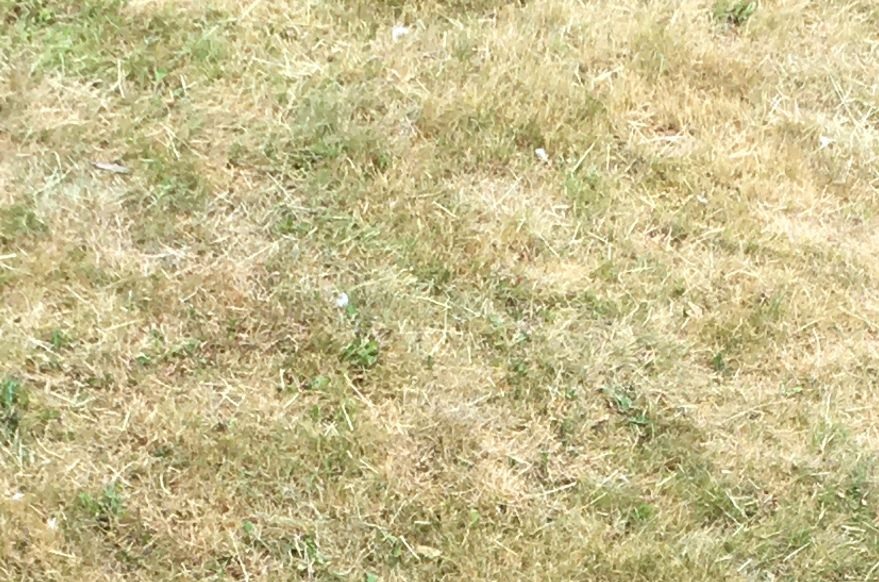
Image Source: www.lawnweedexpert.co.uk
Why Did My Lawn Die: Common Causes
Did your lawn suddenly turn brown and lifeless? A lawn can die from many things, including lack of water, too much water, diseases, insects, and improper care. Fathoming why your vibrant green carpet has transformed into a desolate expanse of dead grass can be disheartening. However, identifying the root cause is the first step to reviving your turf and preventing future demise. This in-depth guide will explore the most common culprits behind a wilting lawn and provide actionable solutions to restore its turf health.
The Unseen Enemies: Pests and Diseases
Lawn disease and insect infestations are frequent offenders when it comes to a dying lawn. These microscopic invaders and larger pests can wreak havoc on your grass, often appearing as brown patches or widespread death.
Insect Infestation: The Hidden Culprits
Many insects, both visible and microscopic, feed on grass roots, stems, and blades, weakening or killing the plant.
Common Lawn Pests and Their Damage
- Grubs: These C-shaped larvae of scarab beetles live in the soil and feast on grass roots. You might notice irregularly shaped brown patches that lift easily, like a carpet, because the roots are gone. Heavy infestations can decimate an entire lawn.
- Chinch Bugs: These small, winged insects suck the sap from grass blades, causing yellowing and browning that often starts in sunny areas and spreads. They thrive in hot, dry weather.
- Armyworms and Cutworms: These caterpillars chew on grass blades and stems, particularly at night. They can rapidly defoliate a lawn, leaving behind patchy, stubbly areas.
- Billbugs: These weevils lay eggs in grass stems. The hatching larvae tunnel through the stems, weakening the plant and causing browning and death.
Signs of Insect Damage
- Irregular brown patches: These patches may spread outwards.
- Yellowing grass: This is often an early sign of sap-sucking insects.
- Grassy areas that pull up easily: This indicates root damage.
- Visible insects: While not always obvious, sometimes you can spot the pests themselves.
- Increased bird or animal activity: Birds and other animals often dig into lawns looking for grubs.
Tackling Insect Infestations
Identifying the specific pest is crucial for effective treatment. Look for the insects themselves or their characteristic damage. Many effective insecticides are available, but it’s important to use them according to label directions to protect beneficial insects and the environment.
- Natural Predators: Encourage beneficial insects like ladybugs and lacewings that prey on common lawn pests.
- Nematodes: Beneficial nematodes can be applied to the soil to control grub populations.
- Insecticidal Soaps and Oils: These can be effective against surface-feeding insects like chinch bugs.
- Chemical Insecticides: For severe infestations, chemical treatments may be necessary. Choose products specifically designed for your turf type and the identified pest.
Lawn Disease: The Fungal and Bacterial Attack
Lawn disease is another significant threat, often caused by fungal growth that thrives in specific environmental conditions. These diseases can manifest in various ways, from small brown patches to widespread wilting.
Common Lawn Diseases
- Dollar Spot: Characterized by small, straw-colored or brown spots, about the size of a silver dollar, that can merge into larger dead areas. It’s often seen during hot, humid weather.
- Brown Patch: This disease creates circular or irregular patches of brown, straw-like grass. The edges of these patches may have a smoky, gray ring. It’s a common lawn disease in warm-season grasses.
- Red Thread: This fungal growth appears as pinkish-red threads or filaments on the grass blades, often causing a bleached or straw-like appearance in affected areas. It typically occurs in cool, moist conditions.
- Rust Diseases: These fungi cause a powdery or granular coating on grass blades, which can be yellow, orange, or brown. Infected grass often has a weakened appearance and may turn yellow and die.
- Pythium Blight (Damping-off): This aggressive lawn disease can kill grass seedlings and mature turf rapidly, especially in wet, humid, and warm conditions. It often appears as greasy-looking, water-soaked patches that can quickly turn brown and die.
Recognizing Fungal Infections
- Distinct patterns: Diseases often create circular, irregular, or linear patterns of discoloration.
- Specific colors: Look for shades of brown, yellow, gray, or even reddish hues.
- Fungal growth: In some cases, you might see visible fungal mycelium, especially in the early morning dew.
- Wilting and thinning: Even if the grass isn’t entirely brown, a wilting lawn can be a sign of disease.
Managing Lawn Diseases
Preventing disease is always easier than curing it. Good lawn care problems management practices are your best defense.
- Proper Watering: Water deeply and infrequently to encourage deep root growth and avoid prolonged periods of wet foliage. Water in the morning so grass can dry before nightfall.
- Adequate Sunlight and Air Circulation: Trim overhanging branches and avoid overcrowding plants near the lawn to improve airflow and sunlight penetration.
- Mowing Practices: Mow at the correct height for your grass type. Keep mower blades sharp to prevent tearing grass blades, which can invite disease. Avoid mowing when the grass is wet.
- Fertilization: Apply fertilizers appropriately. Over-fertilizing, especially with high nitrogen, can make grass more susceptible to certain diseases.
- Fungicides: For persistent or severe fungal growth, fungicides may be necessary. It’s best to identify the specific disease before applying a fungicide for maximum effectiveness.
Environmental Stressors: The Elements Take Their Toll
Even with diligent lawn care problems and a lack of pests, your lawn can succumb to environmental pressures. These external factors can weaken the grass, making it more vulnerable to other issues.
Water Woes: Too Little or Too Much
Water is essential for grass, but the wrong amount can be detrimental.
Drought and Underwatering
- Signs: Grass blades turn a dull bluish-green, then brown and crispy. Footprints remain visible on the lawn long after being made. The grass may go dormant, but prolonged drought can kill it.
- Causes: Extended periods without rain, hot temperatures, and sandy soils that drain quickly.
- Solutions: Water deeply and less frequently to encourage deep root growth. Water early in the morning to minimize evaporation. Consider drought-tolerant grass varieties.
Overwatering and Poor Drainage
- Signs: Yellowing grass, brown patches, slimy or mushy soil, and a generally unhealthy appearance. Poor drainage leads to waterlogged conditions, suffocating the roots.
- Causes: Frequent watering, heavy clay soils that retain moisture, and compacted soil.
- Solutions: Adjust your watering schedule. Ensure your lawn has adequate poor drainage. Aerating the soil can help improve water penetration. Consider amending the soil with organic matter if poor drainage is a persistent issue.
Temperature Extremes
Just as with water, too much or too little heat can be damaging.
Heat Stress
- Signs: Grass blades turn yellow, then brown, often starting in exposed, sunny areas. The lawn may appear wilted.
- Causes: Prolonged periods of high temperatures, especially when combined with drought.
- Solutions: Water deeply during hot spells. Mow at a slightly higher setting to provide more shade for the soil and roots. Avoid fertilizing with high nitrogen during extreme heat.
Cold Damage
- Signs: Grass may turn brown or black after a hard freeze, especially if it wasn’t properly hardened off before winter.
- Causes: Early or late frosts, sudden temperature drops.
- Solutions: Proper fall fertilization and watering can help grass prepare for winter. Avoid excessive late-season nitrogen application.
Cultural Practices: Mistakes in Lawn Care
Even with the best intentions, certain lawn care problems and practices can inadvertently lead to a dying lawn.
Mowing Mishaps
- Mowing Too Short (Scalping): Removing too much grass blade at once stresses the plant, exposing the soil to drying and weed invasion. This can lead to dead grass and brown patches.
- Dull Mower Blades: Dull blades tear grass, creating ragged edges that are more susceptible to disease and moisture loss.
- Mowing Wet Grass: This can spread disease and lead to clumping and uneven cutting.
Table: Recommended Mowing Heights for Common Grass Types
| Grass Type | Mowing Height (Inches) |
|---|---|
| Kentucky Bluegrass | 2.5 – 3.0 |
| Perennial Ryegrass | 2.0 – 3.0 |
| Tall Fescue | 3.0 – 4.0 |
| Zoysia Grass | 1.0 – 2.0 |
| Bermuda Grass | 0.5 – 1.5 |
Fertilization Faux Pas
- Over-fertilizing: Too much fertilizer, especially high-nitrogen types, can “burn” the grass, causing dead grass and brown patches.
- Under-fertilizing: Lack of essential nutrients weakens the grass, making it more prone to disease, drought, and pests.
- Improper Timing: Fertilizing at the wrong time of year can stress the grass.
Aeration and Dethatching Neglect
- Soil Compaction: Heavy foot traffic, mowing, and even rain can compact soil, reducing air and water penetration to the roots. This leads to grass stress and poor drainage.
- Thatch Buildup: A thick layer of thatch (dead grass stems and roots) can prevent water and nutrients from reaching the soil and can harbor pests and diseases.
Soil Issues: The Foundation of a Healthy Lawn
The soil beneath your lawn is its lifeblood. Problems with soil composition or pH can significantly impact turf health.
Soil Compaction
As mentioned, compacted soil restricts root growth and limits air and water movement. This is a major cause of grass stress and contributes to poor drainage.
Signs of Soil Compaction:
- Water pooling on the surface after rain or watering.
- Grass growing poorly or having shallow roots.
- A hard, dense feeling when probing the soil.
Solutions:
- Aeration: This process involves removing small plugs of soil, which alleviates compaction and improves air and water circulation.
- Topdressing: Adding a thin layer of compost or sand after aeration can further improve soil structure.
- Reduce Traffic: Limit heavy foot traffic, especially when the lawn is wet.
Incorrect Soil pH
Soil pH affects nutrient availability. If the pH is too high or too low, grass cannot effectively absorb essential nutrients, even if they are present in the soil.
- Acidic Soil (Low pH): Can lead to nutrient deficiencies and poor growth.
- Alkaline Soil (High pH): Can lock up certain nutrients, making them unavailable to the grass.
Finding Your Soil pH:
- Soil Test Kits: These are readily available at garden centers.
- Local Extension Office: Many university extension offices offer free or low-cost soil testing services.
Adjusting Soil pH:
- To Lower pH (Increase Acidity): Apply elemental sulfur.
- To Raise pH (Increase Alkalinity): Apply lime.
Always follow the recommendations from your soil test for precise application rates.
Nutrient Deficiencies
A lack of essential nutrients, particularly nitrogen, phosphorus, and potassium, will lead to weak, discolored grass.
- Nitrogen (N): Essential for leafy growth and green color. Deficiency causes overall yellowing.
- Phosphorus (P): Important for root development. Deficiency can lead to stunted growth.
- Potassium (K): Improves drought tolerance and disease resistance. Deficiency can make grass more susceptible to stress.
Solutions:
- Regular Fertilization: Use a balanced fertilizer appropriate for your grass type and the time of year.
- Soil Testing: A soil test will reveal specific nutrient deficiencies.
Other Potential Causes of Lawn Death
Beyond the major categories, a few other factors can contribute to a dying lawn.
Chemical Damage
- Herbicides: Applying herbicides incorrectly, using the wrong product for your grass type, or applying them at the wrong time can kill your lawn.
- Fertilizer Burn: As mentioned, excessive fertilizer can scorch grass blades.
- Pet Urine: The high nitrogen content in pet urine can create distinct brown patches on the lawn.
Extreme Weather Events
- Hail: Can shred grass blades.
- Flooding: Prolonged saturation can suffocate roots and encourage disease.
- Heavy Snow Cover: While often beneficial, an unusually thick or long-lasting snow cover can sometimes damage grass underneath.
Reviving Your Wilting Lawn: A Step-by-Step Approach
If your lawn is suffering, don’t despair. With a systematic approach, you can often bring it back to life.
Step 1: Diagnosis is Key
- Examine the Symptoms: Carefully observe the patterns of browning, any visible insects, or signs of fungal growth.
- Check Soil Conditions: Is the soil dry, waterlogged, or compacted?
- Consider Recent Activities: Did you recently apply any chemicals, or has there been unusual weather?
Step 2: Address the Primary Cause
Once you’ve identified the likely culprit, take targeted action.
- Pests: Apply appropriate insecticides.
- Diseases: Implement improved cultural practices and consider fungicides if necessary.
- Watering Issues: Adjust your watering schedule.
- Compaction: Aerate the soil.
- Nutrient Deficiencies: Fertilize appropriately.
Step 3: Repair and Rebuild
After addressing the immediate problem, focus on recovery.
- Remove Dead Grass: Rake out any dead grass and thatch.
- Overseed: If large areas are bare, overseed with a quality grass seed suitable for your climate.
- Water Properly: Maintain a consistent watering schedule to help new growth establish.
- Fertilize Lightly: Provide a starter fertilizer to encourage healthy root development.
Step 4: Prevent Future Problems
- Maintain a Consistent Lawn Care Routine: Regular mowing, watering, and fertilization are crucial.
- Choose the Right Grass Type: Select a grass variety that is well-suited to your climate and soil conditions.
- Practice Good Cultural Habits: Aerate regularly, dethatch when needed, and always use sharp mower blades.
- Monitor for Issues: Keep a close eye on your lawn for early signs of pests, diseases, or stress. Early detection makes treatment much easier.
Frequently Asked Questions (FAQ)
Q1: Why are there random brown spots on my lawn?
A: Random brown patches can be caused by several factors, including insect infestation (like grubs or chinch bugs), lawn disease (such as dollar spot or brown patch), pet urine, or over-fertilization. Carefully examine the affected areas for clues like visible insects, fungal growth, or soil saturation.
Q2: My grass is turning yellow. What could be the problem?
A: Yellowing grass can indicate a lack of nitrogen, overwatering, or an insect infestation. If the yellowing is widespread and uniform, it might be a nutrient issue. If it appears in irregular patterns or is accompanied by wilting, pests or diseases are more likely. Check soil moisture and look for signs of insects.
Q3: Can my lawn recover from severe drought?
A: Many grass types can go dormant during drought, appearing brown and lifeless. If the roots are still viable, the lawn can often recover once adequate moisture returns. However, prolonged or severe drought can kill the grass entirely. Keep an eye out for any signs of greening after rain. If there’s no regrowth after a significant period of moisture, the grass may be dead.
Q4: How do I know if I have a fungal disease?
A: Signs of fungal growth include distinct patterns of discoloration (circular or irregular brown patches), specific colorations on the blades (red threads, gray rings), and sometimes visible white or pinkish mold or threads on the grass, especially in the morning dew. Proper identification of the specific disease is important for effective treatment.
Q5: Is soil compaction a major issue for my lawn?
A: Yes, soil compaction is a common cause of grass stress and can lead to poor drainage, reduced root growth, and a generally unhealthy lawn. It limits the amount of air, water, and nutrients that can reach the grass roots. Regular aeration is the best way to combat soil compaction.