
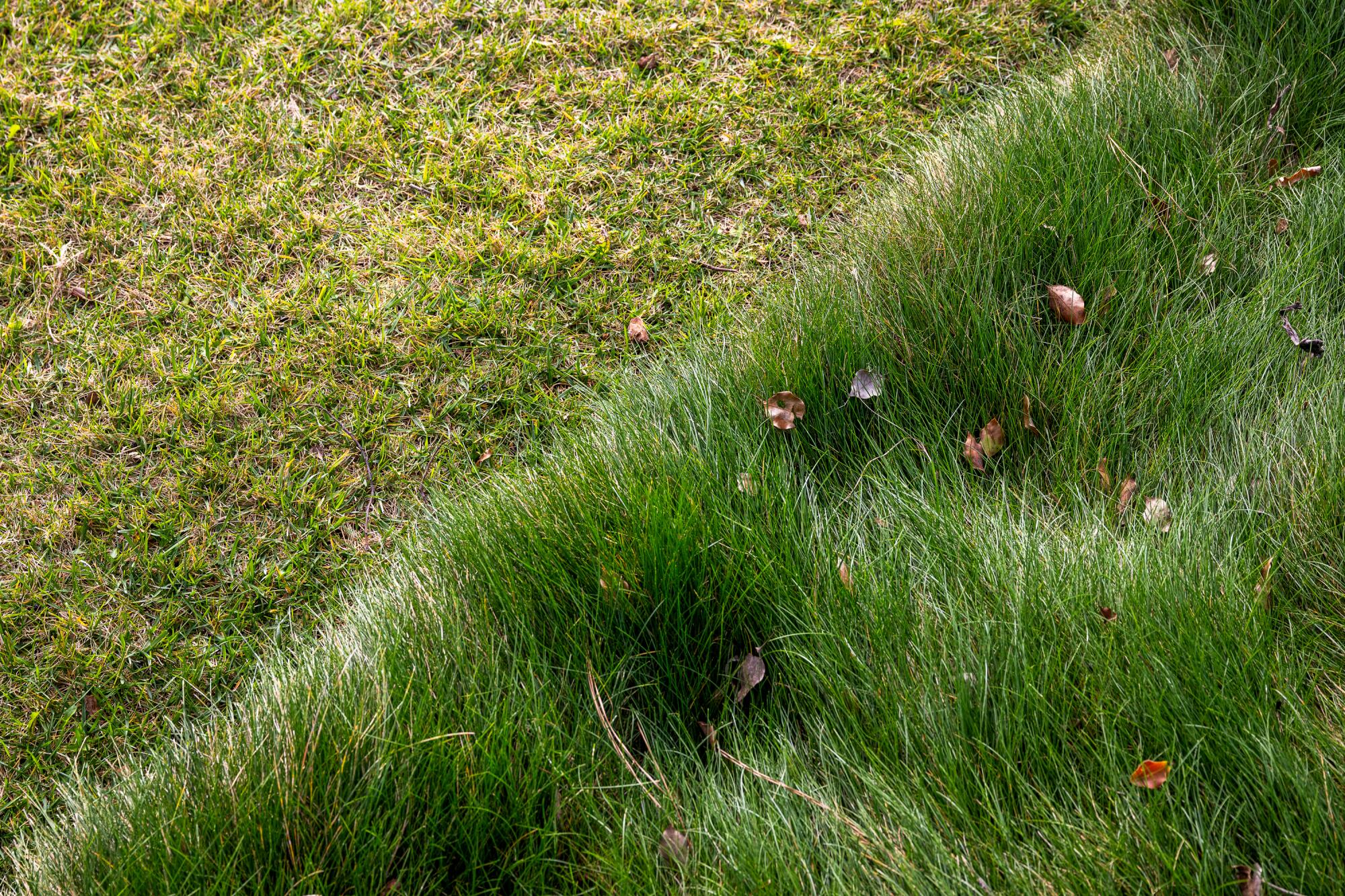
Image Source: ca-times.brightspotcdn.com
How Often Water Lawn Los Angeles: Best Tips for Lush Grass & Water Conservation
Wondering how often to water your lawn in Los Angeles? The general guideline for watering grass in Los Angeles is to aim for deep, infrequent watering, typically once or twice a week during the warmer months, and less often in cooler seasons. This practice encourages deeper root growth, making your lawn more resilient to drought and heat.
Los Angeles, with its beautiful sunshine and often arid climate, presents unique challenges for maintaining a lush, green lawn. Overwatering wastes precious water, while underwatering leads to a dry, struggling landscape. Finding the right balance is key to achieving a healthy lawn while also being a responsible water user. This guide will provide you with the best tips for watering grass Los Angeles effectively and efficiently, focusing on how often to water lawn LA for optimal results and promoting water conservation lawn Los Angeles. We’ll delve into understanding your specific needs, adjusting for seasons, and leveraging technology for smarter watering.
Fathoming Your Lawn’s Thirst: Key Factors for LA Lawn Irrigation Frequency
To determine the ideal LA lawn irrigation frequency, you need to consider several factors specific to your property and the prevailing conditions. There isn’t a one-size-fits-all answer, but by observing and adapting, you can find your lawn’s sweet spot.
Soil Type Matters
The type of soil you have in your Los Angeles yard significantly impacts how often you need to water.
- Sandy Soil: Drains very quickly. Water passes through it fast, meaning you’ll need to water more frequently but for shorter durations. Roots can’t hold much water in sandy soil.
- Clay Soil: Drains slowly. It holds water for longer periods. Watering too often or for too long can lead to waterlogged conditions, root rot, and fungal diseases. You’ll need to water less frequently but ensure the water penetrates deeply when you do.
- Loam Soil: A good mix of sand, silt, and clay. It holds moisture well but also drains adequately. Loam is generally the easiest to manage for watering frequency for LA lawns.
How to Test Your Soil:
You can do a simple squeeze test. Take a handful of moist soil and squeeze it.
* If it crumbles easily, it’s likely sandy.
* If it forms a tight, sticky ball that holds its shape, it’s likely clay.
* If it forms a ball that crumbles when poked, it’s likely loam.
Grass Type and Its Water Needs
Different types of grass have varying water requirements. Knowing what kind of grass you have is crucial for a correct Los Angeles watering schedule.
- Cool-Season Grasses (e.g., Fescue, Ryegrass): These grasses do best in cooler temperatures and may require more frequent watering during hot spells in Los Angeles to prevent stress. They tend to go dormant in extreme heat if not watered adequately.
- Warm-Season Grasses (e.g., Bermuda, Zoysia): These grasses thrive in heat and are generally more drought-tolerant. They go dormant and turn brown in cooler months but will green up again in spring. Their watering needs might be higher during the peak of summer.
Weather Conditions in Los Angeles
The weather plays a direct role in how often your lawn needs water.
- Temperature: Higher temperatures increase evaporation from the soil and transpiration from the grass blades, meaning you’ll need to water more often.
- Wind: Windy conditions also dry out the soil and the grass more quickly.
- Rainfall: Obviously, rain reduces the need for supplemental watering. Always check your local forecast and skip watering if you’ve received adequate rainfall.
Sunlight Exposure
A lawn that receives full sun all day will dry out much faster than a lawn that is shaded for part of the day. Areas receiving more direct sunlight will require more frequent attention for watering grass Los Angeles.
Establishing Your Los Angeles Watering Schedule: Best Practices
Once you’ve considered the influencing factors, you can start to build a consistent Los Angeles watering schedule. The goal is to water deeply enough to encourage roots to grow down into the soil, making the grass more resilient. Shallow, frequent watering encourages shallow roots, which are more susceptible to drought and heat stress.
The “Deep and Infrequent” Watering Method
This is the golden rule for how often to water lawn LA.
- Frequency: For most Los Angeles lawns, watering once or twice a week is sufficient, especially during the hotter months. In cooler, wetter periods, you might only need to water every two weeks or even less.
- Duration: The key is to water long enough for the moisture to penetrate 4-6 inches into the soil. This usually translates to about 1 to 1.5 inches of water per watering session. You can measure this by placing several empty cans or tuna cans around your lawn and running your sprinklers. Time how long it takes to collect 1 inch of water in the cans.
Signs Your Lawn Needs Watering
Your lawn will give you visual cues when it’s thirsty:
- Color Change: The grass may take on a dull, bluish-gray tint.
- Footprints Remain: When you walk on dry grass, the blades don’t spring back up quickly; your footprints will stay visible for a while.
- Wilting Blades: The grass blades start to curl or fold.
Adapting Your Watering for Seasonal Changes in Los Angeles
The seasonal watering Los Angeles needs will vary significantly throughout the year. Your watering strategy should adapt accordingly.
Spring (March – May)
As temperatures begin to rise, your lawn will start to wake up from its winter dormancy.
- Frequency: You might start with watering once a week. Observe your lawn and adjust based on rainfall and temperature.
- Focus: Encourage root development before the peak summer heat.
Summer (June – August)
This is the most critical period for watering grass Los Angeles. High temperatures and low humidity mean increased water needs.
- Frequency: Watering twice a week may be necessary for many lawns. If you have sandy soil or particularly hot periods, you might need to water more frequently, but always prioritize deep watering.
- Best Time to Water: Water early in the morning, ideally between 4 AM and 10 AM. This minimizes evaporation due to heat and wind and reduces the risk of fungal diseases that can occur with evening watering (when dew can linger).
- Observation: Keep a close eye on your lawn for signs of stress and adjust watering times and durations accordingly.
Autumn (September – November)
Temperatures start to cool down, and rainfall may become more frequent.
- Frequency: Gradually reduce watering frequency. You might shift back to watering once every 10-14 days.
- Goal: Allow the grass to prepare for winter. Overwatering in fall can make the grass susceptible to disease.
Winter (December – February)
Your lawn is likely dormant or growing very slowly.
- Frequency: Watering needs are minimal. Rely on natural rainfall as much as possible. You may only need to water once a month if there’s a prolonged dry spell.
- Check Restrictions: Be aware of any Los Angeles watering restrictions that might be in place, which are often stricter during winter months.
Navigating Los Angeles Watering Restrictions
Los Angeles is a region acutely aware of its water resources. Understanding and adhering to Los Angeles watering restrictions is not just a legal requirement but a vital part of responsible stewardship. These restrictions are put in place by the Los Angeles Department of Water and Power (LADWP) and can vary based on drought conditions and available supply.
Common Restrictions to Expect:
- Days of the Week: Typically, watering is limited to specific days based on your address (e.g., odd-numbered addresses water on certain days, even-numbered on others).
- Time of Day: Watering is often restricted to early morning or late evening hours to reduce evaporation.
- Duration Limits: There might be limits on how long you can water each zone in your sprinkler system.
- Hand Watering/Drip Irrigation: These methods might have different allowances.
- Sprinkler Types: Some restrictions might prohibit the use of sprinklers that spray water onto hard surfaces like sidewalks and driveways.
Staying Informed:
It’s crucial to check the LADWP website or local news for the most current Los Angeles watering restrictions. These can change based on the severity of drought conditions.
Smart Irrigation Los Angeles: Leveraging Technology for Efficiency
For effective water conservation lawn Los Angeles, consider adopting smart irrigation technologies. These systems help optimize your watering, ensuring your lawn gets exactly what it needs without waste.
Smart Sprinkler Controllers
These controllers connect to your Wi-Fi and can:
- Adjust based on weather: They can access local weather forecasts and automatically skip watering cycles if rain is expected or has occurred.
- Learn your lawn’s needs: Some can even adjust watering based on historical data and plant types.
- Offer remote control: You can manage your system from your smartphone or computer.
Drip Irrigation Systems
While not typically used for entire lawns, drip irrigation is excellent for:
- Landscape beds: Delivering water directly to the root zone of shrubs and trees, significantly reducing water usage compared to sprinklers.
- Watering around trees: Ensuring moisture reaches the crucial root area.
Rain Sensors and Soil Moisture Sensors
- Rain Sensors: These devices attach to your sprinkler system and automatically shut it off when sufficient rain has fallen.
- Soil Moisture Sensors: Placed in the soil, these sensors measure the actual moisture level and signal the controller to water only when the soil is dry.
Maximizing Water Conservation Lawn Los Angeles: Beyond Watering Frequency
Achieving a beautiful lawn while conserving water involves more than just adjusting your LA lawn irrigation frequency. Here are additional tips for effective water conservation lawn Los Angeles:
1. Improve Soil Health
Healthy soil acts like a sponge, retaining moisture longer.
- Amend with Compost: Regularly add compost to your soil. This improves soil structure, aeration, and water-holding capacity.
- Aeration: Core aeration helps relieve soil compaction, allowing water and air to penetrate more easily to the roots.
2. Mulch Your Garden Beds
While not directly for the lawn, mulching around trees, shrubs, and flower beds is essential for water conservation lawn Los Angeles. Mulch helps:
- Reduce evaporation from the soil surface.
- Suppress weeds, which compete for water.
- Regulate soil temperature.
3. Choose Drought-Tolerant Grass Varieties
If you’re considering overseeding or starting a new lawn, opt for grass species that are naturally more drought-tolerant. Tall fescue and some types of Bermuda grass are good choices for Southern California.
4. Mow Your Lawn Properly
- Mow Higher: Set your mower to a higher setting (around 3-4 inches). Taller grass blades shade the soil, keeping it cooler and reducing evaporation. They also encourage deeper root growth.
- Sharp Blades: Use sharp mower blades. Dull blades tear grass, making it more susceptible to disease and water stress.
- Leave Clippings: Let grass clippings decompose on the lawn. They act as a natural fertilizer and help retain moisture.
5. Manage Weeds
Weeds compete with your grass for water, nutrients, and sunlight. Implement a weed control strategy, preferably one that is environmentally friendly.
6. Overseed in Fall
Overseeding with a drought-tolerant grass variety in the fall can help fill in thin patches and improve the overall density and resilience of your lawn.
Troubleshooting Common Watering Issues
Even with the best intentions, you might encounter problems. Here’s how to address them:
Patchy Dry Spots
- Cause: Uneven sprinkler coverage, soil compaction, or insect damage.
- Solution: Check your sprinkler heads for clogs or misalignments. Aerate compacted areas. Identify and treat any pests.
Water Pooling or Runoff
- Cause: Overwatering, slow-draining soil (clay), or sprinklers spraying too hard or for too long.
- Solution: Reduce watering duration and frequency. Adjust sprinkler spray patterns to avoid hard surfaces. Consider installing a rain shut-off or soil moisture sensor. If you have clay soil, water in shorter cycles (e.g., water for 10 minutes, wait 30 minutes, then water for another 10 minutes) to allow water to soak in.
Yellowing Grass
- Cause: Can be due to underwatering, overwatering, lack of nutrients, or disease.
- Solution: First, check your watering schedule. If you’re watering correctly, consider a soil test to check for nutrient deficiencies or signs of disease.
Frequently Asked Questions about Watering Lawns in Los Angeles
Here are some common questions regarding how often to water lawn LA:
- Q1: How do I know if my sprinkler system is watering efficiently?
A1: Perform a “catch can test” as described earlier to measure how much water your sprinklers are delivering. Check for even coverage and ensure no water is being wasted on sidewalks or driveways. - Q2: Can I water my lawn during the day in Los Angeles?
A2: While some Los Angeles watering restrictions allow for daytime watering for specific methods like drip irrigation, it’s generally discouraged for sprinklers as it leads to significant water loss through evaporation. Early morning is the best time. - Q3: My lawn looks dry, but I’ve been watering according to the schedule. What should I do?
A3: Your lawn may need deeper watering. Increase the duration of each watering cycle to ensure the water penetrates 4-6 inches into the soil. Also, check for any obstructions to your sprinkler heads or signs of disease or pests that might be preventing water uptake. - Q4: What is the best time to water lawn Los Angeles?
A4: The best time to water your lawn in Los Angeles is in the early morning, between 4 AM and 10 AM. This timing minimizes water loss from evaporation and reduces the risk of fungal diseases. - Q5: How often should I water my new sod in Los Angeles?
A5: New sod requires more frequent watering than established lawns. For the first week or two, water lightly multiple times a day to keep the root zone moist. Gradually reduce the frequency and increase the duration over the next few weeks as the sod establishes. Always check the sod to ensure it’s not drying out.
By implementing these tips and staying informed about local regulations, you can maintain a beautiful, green lawn in Los Angeles while being a conscientious water user. Remember, consistent observation and adaptation are your most valuable tools for successful LA lawn irrigation frequency.