
Can you get rid of moths in your lawn? Yes, you can effectively get rid of moths in your lawn by targeting their larvae, commonly known as lawn grubs, through a combination of identification, prevention, and treatment methods. This comprehensive guide will walk you through the process of identifying lawn moths and their damaging grub worms in your lawn, discuss essential lawn pest control methods, and provide expert tips for effective lawn grub treatment and moth larvae control, including DIY lawn moth killer options. We’ll also touch upon specific issues like sod webworm treatment and chinch bug control as they often coexist or are mistaken for moth larvae problems.
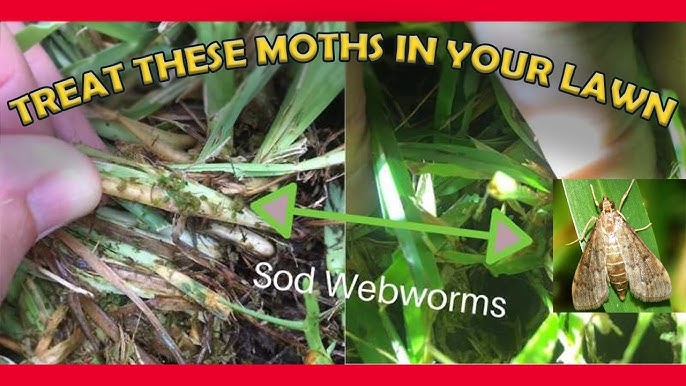
Image Source: i.ytimg.com
Identifying Lawn Moths and Their Impact
Before you can tackle a moth problem in your lawn, you need to know what you’re looking for. Lawn moths themselves are often nocturnal and may not be immediately obvious. Their true damage comes from their offspring: grub worms in lawn areas. These C-shaped, white grubs feast on the roots of your grass, leading to significant lawn damage.
What are Lawn Moths?
Lawn moths, more commonly referred to by their larval stage, are often associated with species that lay eggs in turfgrass. The adult moths are typically small, brownish, and may be seen flitting around your lawn at dusk or dawn. Their primary purpose, from a lawn-damaging perspective, is reproduction. They are the lifeblood of a potential infestation.
Recognizing the Signs of Moth Larvae in Grass
The first indication of a moth problem is usually not the moth itself, but the damage caused by its moth larvae in grass.
- Brown Patches: Look for irregular, brown, or dead patches of grass that might feel spongy or lift up easily like a carpet.
- Increased Pest Activity: You might see more birds, moles, or skunks digging in your lawn, as they are attracted to the grubs as a food source.
- Visible Grubs: Gently pull back a section of affected turf. If you see numerous C-shaped, white grubs within the top few inches of soil, you likely have an infestation. These are the grub worms in lawn that cause the damage.
Common Culprits: Sod Webworms and Armyworms
While “lawn moths” is a general term, specific types are more prevalent.
- Sod Webworms: These are the larvae of lawn moths that create small, silken tunnels in the thatch layer and soil surface. They feed on grass blades, often just above the crown, causing chewed-looking brown patches. You might see them as small, brown, or greenish caterpillars. Effective sod webworm treatment is crucial for these specific pests.
- Armyworms: These can also damage lawns, chewing grass blades aggressively and sometimes creating bare patches. They move in large groups, hence the name “armyworms.”
Distinguishing from Other Lawn Pests
It’s important to differentiate moth larvae from other common lawn invaders.
- Chinch Bugs: These tiny insects feed on grass blades by sucking out sap. They cause yellowing or brown patches that can look similar to grub damage, but they don’t involve root-feeding grubs. Chinch bug control requires different methods than grub control. You’ll typically see stippling or patchy browning, especially in sunny, dry areas.
- Billbug Larvae: These are also C-shaped grubs, but they tend to be legless or have very small legs and often feed on grass crowns and stems.
Prevention: Creating a Moth-Resistant Lawn
The best defense against moths and their larvae is a healthy, resilient lawn. Proactive measures can significantly reduce the likelihood of an infestation.
Maintaining a Healthy Lawn
A strong lawn is less susceptible to pest damage.
- Proper Mowing: Mow at the correct height for your grass type. Taller grass shades the soil, keeping it cooler and moister, which is less attractive to egg-laying moths.
- Adequate Watering: Water deeply and less frequently. This encourages deep root growth, making the grass more drought-tolerant and better able to withstand grub feeding. Avoid overwatering, which can create favorable conditions for some pests.
- Appropriate Fertilization: Use a balanced fertilizer according to your lawn’s needs. A stressed lawn is more vulnerable.
Thatch Management for Moths
Thatch removal for moths is a key preventative strategy. Thatch is a layer of dead and living grass stems and roots that builds up between the green grass and the soil surface.
- What is Thatch? A thick thatch layer (over half an inch) can harbor pests and diseases. Adult moths often lay their eggs in this dense layer.
- Dethatching: Dethatching, or power raking, removes this buildup. Doing this in the spring or fall can disrupt moth egg-laying cycles and remove overwintering larvae.
Natural Deterrents
While not foolproof, some natural methods can help deter moths.
- Companion Planting: Certain plants are believed to repel moths and other insects. While less documented for lawn moths specifically, bordering your lawn with plants like lavender or mint might offer some minor deterrence.
- Encouraging Beneficial Insects: Ladybugs, lacewings, and predatory wasps can help control moth populations. Avoid broad-spectrum insecticides that kill these beneficial predators.
Effective Lawn Grub Treatment and Moth Larvae Control
When prevention isn’t enough, direct treatment is necessary. This involves targeting the moth larvae in grass at their most vulnerable stages.
Timing is Everything: When to Treat
The most effective time to treat for grub worms in lawn is when they are young and actively feeding near the surface, typically in late summer or early fall, or sometimes in early spring.
Chemical Treatments
Chemical insecticides are a common method for lawn grub treatment.
- Contact Insecticides: These kill grubs on contact. They are best applied when grubs are actively feeding at the surface and require watering in to reach the grubs.
- Systemic Insecticides: These are absorbed by the grass roots and kill grubs when they feed on them. They offer longer-lasting control.
Important Considerations for Chemical Use:
- Read and Follow Labels: Always adhere strictly to the instructions on the product label.
- Target Specific Pests: Choose products specifically labeled for grub control or the type of moth larvae you’ve identified.
- Environmental Impact: Be mindful of the impact on beneficial insects, pollinators, and local water sources.
Biological and Organic Control Methods
For those seeking a more eco-friendly approach, several biological and organic options exist for lawn pest control methods.
Beneficial Nematodes for Lawn
Beneficial nematodes for lawn are microscopic worms that are natural parasites of grub worms.
- How They Work: When applied to the soil, beneficial nematodes seek out and infect grubs, killing them within a few days.
- Application: They are typically sold in a dormant state and need to be applied to moist soil when temperatures are suitable (usually between 50°F and 85°F). Watering the lawn after application helps them move through the soil.
- Types: Species like Heterorhabditis bacteriophora (Hb) and Steinernema feltiae (Sf) are commonly used for grub control.
Milky Spore Disease
Milky spore is a naturally occurring bacterium that specifically targets Japanese beetle grubs, which are a common type of grub worm.
- How it Works: Grubs ingest the spores while feeding. The spores multiply inside the grub, eventually killing it. The spores are then released back into the soil to infect more grubs.
- Application: It’s applied as a granular product to the lawn. Multiple applications are usually needed over a few years to build up a sufficient population of the bacteria for effective control.
Bio-rational Insecticides
These are derived from natural materials like plants, minerals, or microorganisms.
- Neem Oil: Derived from the neem tree, it disrupts insect hormones and feeding.
- Bacillus thuringiensis (Bt): While more commonly known for caterpillar control, certain strains might have some effect on specific moth larvae.
DIY Lawn Moth Killer and Treatments
For the hands-on homeowner, several DIY lawn moth killer approaches can be effective, particularly for smaller infestations or as part of an integrated pest management strategy.
Soapy Water Drench
A simple DIY lawn moth killer involves a soap and water solution.
- Recipe: Mix 1-2 tablespoons of mild liquid dish soap (like Dawn) with a gallon of water.
- Application: Pour the solution onto a small, suspected grub-infested area of your lawn.
- Observation: If grubs are present and near the surface, they will typically wriggle to the surface within minutes due to the soap’s disruption of their breathing pores.
- Limitations: This method is best for diagnosis and for small patches. It’s not practical for treating an entire lawn and may not kill all the grubs.
Vinegar Solution
A diluted vinegar solution can also be used as a diagnostic tool.
- Recipe: Mix 1 part white vinegar with 4 parts water.
- Application: Apply to a small area. Similar to soapy water, it can bring grubs to the surface.
- Caution: Use sparingly, as too much vinegar can harm your grass.
Corn Gluten Meal (Preventative)
While not a direct killer, corn gluten meal is a natural pre-emergent herbicide and also contains proteins that can inhibit grub development if applied before eggs hatch.
- Application: Apply in early spring.
- Effectiveness: It’s more of a preventative measure and may not be effective against existing grub worms in lawn.
Addressing Specific Pest Issues
Sometimes, what appears to be a moth problem is actually another common lawn pest.
Sod Webworm Treatment Strategies
- Monitoring: Use sticky traps or a soapy water drench to check for adult moths or caterpillars.
- Treatment: Once identified, treatments can include Bti (Bacillus thuringiensis israelensis), beneficial nematodes, or appropriate insecticides applied when larvae are young. Early detection is key for effective sod webworm treatment.
Chinch Bug Control Approaches
- Identification: Chinch bugs are small, black insects with white markings. They gather at the base of grass blades, particularly in sunny, dry areas.
- Damage: They cause yellowing and browning that can spread rapidly.
- Control: Chinch bug control often involves insecticidal soaps, neem oil, or specific insecticides, applied directly to the affected areas. Proper watering and aeration can also help manage them.
Integrated Pest Management (IPM) for Lawn Moths
The most effective and sustainable approach to managing moth larvae in grass is through Integrated Pest Management (IPM). This strategy combines various methods to achieve long-term control.
The IPM Pyramid
IPM prioritizes the least toxic and least disruptive methods first.
- Cultural Controls: Healthy lawn practices, proper watering, mowing, and thatch removal for moths.
- Biological Controls: Encouraging natural predators, using beneficial nematodes for lawn, or applying milky spore.
- Mechanical Controls: Manual removal (for small areas) or using traps.
- Chemical Controls: Using targeted insecticides as a last resort when other methods fail.
Action Thresholds
Determine if the level of infestation warrants intervention. A few grubs per square foot might not cause significant damage, while dozens might.
Monitoring and Identification
Regularly inspect your lawn for signs of pests. Correctly identify lawn moths and their larvae to ensure you are using the right treatment.
Summary of Lawn Moth Control Methods
| Method | Target Pest | How it Works | Best Time to Apply | Notes |
|---|---|---|---|---|
| Healthy Lawn Practices | All Grubs & Pests | Strengthens grass, making it less appealing to egg-laying moths. | Year-round | Foundation of pest management. |
| Thatch Removal | Moth Eggs & Larvae | Disrupts egg-laying sites and removes overwintering pests. | Spring or Fall | Reduces habitat for pests. |
| Soapy Water Drench | Grubs | Brings grubs to the surface for identification/removal. | When damage is suspected | Diagnostic tool, best for small areas. |
| Beneficial Nematodes | Grubs | Parasitize and kill grubs. | Late summer/early fall, or spring when grubs are active. | Needs moisture and suitable soil temperatures. |
| Milky Spore | Japanese Beetle Grubs | Kills grubs through bacterial infection. | Late summer/early fall | Takes 2-3 years for full effect; specific to Japanese beetles. |
| Neem Oil | Grubs, Sod Webworms | Disrupts insect growth and feeding. | When grubs/larvae are active | Organic, generally safe for beneficials if applied correctly. |
| Insecticidal Soap | Young Grubs, Surface Feeders | Kills on contact by disrupting cell membranes. | When pests are active | Effective on younger stages; requires direct contact. |
| Chemical Insecticides | Grubs, Sod Webworms | Kills pests through various chemical actions. | Targeted application when pests are active and vulnerable. | Use as a last resort; choose products labeled for specific pests; follow all safety instructions. |
Frequently Asked Questions (FAQ)
What is the fastest way to get rid of lawn moths?
The fastest way to see a reduction in visible grub activity is often through a topical chemical insecticide specifically formulated for grub control, applied according to label instructions and watered in. However, “fastest” doesn’t always mean most effective long-term.
Can I use household cleaning products to kill lawn grubs?
While a diluted soapy water solution can bring grubs to the surface for identification and manual removal, it’s not a reliable method for eliminating an entire infestation. Harsh cleaning products can damage your grass and soil.
When is the best time to apply grub control?
The best time to apply grub control is typically in late summer or early fall, when newly hatched grubs are young and actively feeding near the soil surface. Early spring can also be an effective time if overwintered grubs are still active.
How do I know if I have grub worms in my lawn?
Look for irregular brown patches that feel spongy and lift easily. You can also dig up a small section of turf; if you find numerous C-shaped, white grubs in the top few inches of soil, you have grub worms.
Are beneficial nematodes safe for my pets?
Yes, beneficial nematodes for lawn are microscopic organisms and are completely safe for pets, children, and beneficial insects like earthworms.
By combining diligent observation, preventative care, and targeted treatments, you can effectively manage and eliminate moth larvae and grub worms from your lawn, ensuring a healthy and vibrant turf.