
A typical gas-powered lawn mower can produce anywhere from 85 to 105 decibels (dB) of sound. Electric and battery-powered mowers are generally much quieter, often falling between 65 and 75 dB.
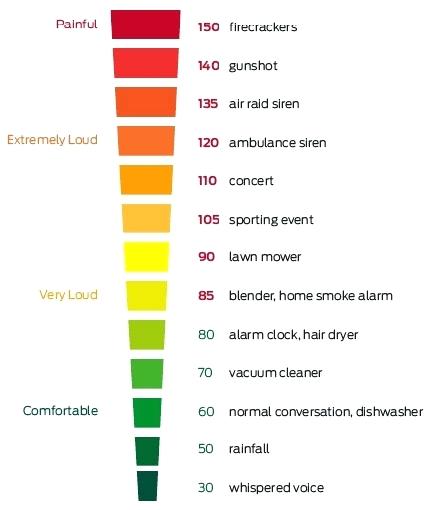
Image Source: myrobotmower.com
Understanding Lawn Mower Noise Levels
When you think about maintaining your yard, the roar of a lawn mower often comes to mind. But have you ever stopped to consider just how loud these machines are? The sound level lawn mower engines produce is a significant factor for homeowners, neighbors, and the environment. Understanding lawn mower noise levels is crucial for making informed purchasing decisions and protecting your hearing.
The Decibel Rating Lawn Mower Speaks Through
Every lawn mower has a decibel rating, a measurement that tells us how loud it is. This rating is vital information for anyone concerned about noise pollution or hearing safety. The higher the decibel rating lawn mower has, the louder the sound it produces. It’s not just about annoyance; prolonged exposure to loud noise can cause permanent hearing damage.
Fathoming Lawn Mower Sound Intensity
Lawn mower sound intensity varies greatly depending on the type of mower and its engine. A powerful gas engine will inherently be louder than a quieter electric motor. Measuring this intensity in decibels (dB) helps us compare different models and understand the potential impact of their operation.
How Loud Is A Lawn Mower? A Closer Look
So, how loud is a lawn mower? The answer isn’t a single number because different types of mowers produce different amounts of noise.
- Gas-Powered Mowers: These are generally the loudest. Their internal combustion engines create significant noise.
- Electric (Corded) Mowers: These are typically quieter than gas models.
- Battery-Powered (Cordless) Mowers: These are often the quietest, as they use electric motors without the complexities of a gas engine.
Lawn Mower Volume: More Than Just Annoyance
The lawn mower volume isn’t just about disturbing the peace; it can have real health implications. Prolonged exposure to sounds above 85 dB can start to cause hearing damage over time. Think about the hours many people spend mowing their lawns each year.
Deciphering Lawn Mower dB Measurements
When you look at lawn mower specifications, you might see a “dB” rating. This refers to decibels, the standard unit for measuring sound pressure level.
- 0-30 dB: Very quiet (e.g., a whisper).
- 30-60 dB: Quiet (e.g., a normal conversation).
- 60-85 dB: Moderately loud (e.g., a vacuum cleaner).
- 85+ dB: Loud and potentially harmful with prolonged exposure (e.g., a lawn mower, a motorcycle).
- 120+ dB: Extremely loud and can cause immediate hearing damage (e.g., a jet engine at close range).
Typical Lawn Mower Decibels: What to Expect
- Gas Mowers: Often range from 85 dB to 105 dB. Some powerful commercial mowers can even exceed this.
- Electric Mowers (Corded): Typically range from 70 dB to 80 dB.
- Battery-Powered Mowers: Commonly fall between 65 dB to 75 dB.
Lawn Mower Noise Pollution: A Community Concern
Lawn mower noise pollution is a real issue in many neighborhoods. The consistent sound level lawn mower engines emit can be disruptive, especially during early mornings or weekends when people are trying to relax. This is where choosing a quieter mower or taking other noise-mitigating steps becomes important.
Interpreting Lawn Mower Sound Level
The sound level lawn mower machines produce is a critical factor in their usability and impact. A lower sound level lawn mower means a more pleasant experience for everyone involved.
Factors Influencing Lawn Mower Decibel Ratings
Several elements contribute to the overall decibel rating lawn mower engines produce. Understanding these factors helps explain the wide range of noise levels you might encounter.
Engine Type and Size
The most significant factor is the engine. Gas engines, especially larger ones, inherently generate more noise due to the combustion process, moving parts, and exhaust. Electric motors, whether corded or battery-powered, are significantly quieter.
Horsepower and Sound
While horsepower often correlates with power, it can also relate to the engine’s size and, consequently, its potential noise output. A larger, more powerful gas engine will typically be louder than a smaller one.
Mower Design and Features
- Mufflers: Gas mowers rely on mufflers to reduce exhaust noise. The effectiveness of the muffler can vary greatly between models.
- Deck Construction: The material and design of the mower deck can also play a role in how sound is contained or amplified.
- Blade Speed: Higher blade speeds on any type of mower can contribute to increased noise.
Age and Maintenance
An older, poorly maintained mower, especially a gas one, can become significantly louder. Worn parts, a damaged muffler, or an un-tuned engine can all contribute to a higher decibel rating.
Blade Type and Condition
The blades themselves can also influence the sound. Dull blades might require more engine effort, leading to increased noise. The design of the blades can also affect the sound signature of the mower.
The Impact of Lawn Mower Noise
Lawn mower noise pollution isn’t just an annoyance; it has tangible impacts on individuals and the environment.
Hearing Health and Safe Lawn Mower dB Exposure
The most direct impact of loud lawn mower noise is on hearing health.
- Damage Threshold: Continuous exposure to noise above 85 dB can cause hearing loss. The louder the noise, the less time it takes for damage to occur.
- Safe Lawn Mower dB: Ideally, you want to operate a mower that falls below the 85 dB threshold for extended periods. However, with gas mowers, this is often not the case.
- Recommended Protection: Wearing earplugs or earmuffs is highly recommended when operating gas-powered mowers or any equipment exceeding 85 dB. Even electric mowers can exceed safe levels for sensitive individuals or if operated for very long durations.
What is a Safe dB Level for Mowing?
While there’s no single universally agreed-upon “safe dB level for mowing,” the general guideline for prolonged occupational exposure is 85 dB over an 8-hour workday. For intermittent use like residential lawn mowing, the acceptable exposure time decreases significantly as the decibel level increases. Therefore, even at 90 dB, only a few hours of exposure without protection can be harmful.
Neighbors and Community Harmony
Lawn mower volume can strain relationships with neighbors. Early morning mowing or mowing late into the evening can lead to complaints and a general sense of discord. Opting for a quieter mower, especially in densely populated areas, can significantly improve community relations.
Reducing Lawn Mower Noise Pollution
- Choose Quieter Mowers: Battery-powered or electric mowers are significantly quieter.
- Mow at Reasonable Hours: Avoid mowing very early or very late.
- Maintain Your Mower: A well-maintained gas mower is generally quieter than a neglected one.
- Use Ear Protection: For yourself and encourage others to do so.
- Consider Electric Trimmers and Blowers: If you have other yard tools, their noise also contributes to overall noise pollution.
Environmental Considerations
While the primary concern is often human health and community, lawn mower noise also affects wildlife. Constant loud noises can disrupt bird behavior, deter beneficial insects, and create stress for local fauna.
Choosing the Right Lawn Mower for Quieter Operation
If you’re looking to reduce your lawn mower’s noise output, here’s what to consider when making a purchase.
Electric vs. Gas: The Decibel Divide
The most significant difference in decibel rating lawn mower models will show is between gas and electric.
- Electric (Corded and Battery): These offer a dramatically quieter experience. They use electric motors that produce a whirring sound rather than a combustion roar.
- Pros: Significantly quieter, less vibration, no emissions, lighter weight, easier starting.
- Cons: Limited by cord length (corded) or battery life/power (cordless). May not be suitable for very large lawns or thick, tough grass without a powerful battery model.
- Gas: While powerful and capable of handling large areas, they are the primary source of significant lawn mower noise pollution.
- Pros: Unlimited range, often more power for demanding tasks.
- Cons: Much louder, produce emissions, require more maintenance, heavier.
Lawn Mower Sound Level Comparison Table
| Mower Type | Typical Decibel Range (dB) | Common Use Cases | Noise Impact Level |
|---|---|---|---|
| Gas Push Mower | 85 – 95 | Small to medium lawns | High |
| Gas Riding Mower | 90 – 105 | Medium to large lawns, uneven terrain | Very High |
| Electric Push Mower (Corded) | 70 – 80 | Small, flat lawns | Moderate |
| Battery Push Mower | 65 – 75 | Small to medium lawns, varying terrain | Low |
| Robotic Mower | 55 – 65 | Small to medium lawns, regular maintenance | Very Low |
What is the quietest lawn mower?
The quietest lawn mowers are generally robotic lawn mowers, which are designed for continuous, low-impact operation. Following that are battery-powered push mowers, which are significantly quieter than their gas counterparts.
The dB Rating of Modern Electric Mowers
Many modern battery-powered mowers are designed with noise reduction as a key feature. Manufacturers are increasingly aware of lawn mower noise pollution and are engineering quieter motors and improved deck designs. Look for models specifically advertised as “quiet” or those with lower decibel ratings in their specifications.
Checking the Decibel Rating Lawn Mower Specifications
When shopping, always check the product specifications for the decibel rating. If it’s not readily available, look for reviews that specifically mention noise levels or compare models known for their quiet operation.
Safe Lawn Mower dB: Aiming Low
When aiming for a safe lawn mower dB, you are looking for machines that operate closer to the 65-75 dB range, which are typically battery-powered models. For gas mowers, while the lowest they might go is still around 85 dB, a well-maintained model with a good muffler will be at the lower end of the gas mower spectrum.
Protecting Your Hearing While Mowing
Even with quieter mowers, protecting your hearing is essential.
Ear Protection: Your First Line of Defense
- Earplugs: Disposable foam earplugs are inexpensive and effective for many. Reusable earplugs offer more comfort and durability.
- Earmuffs: These provide a more robust seal around the ears and are often more comfortable for extended wear. They can offer higher noise reduction ratings (NRR).
How to Choose the Right Ear Protection
When selecting ear protection, check the Noise Reduction Rating (NRR). A higher NRR means more noise reduction. For lawn mowing, an NRR of 20 or higher is generally recommended.
When to Consider Alternatives
If you find that even battery-powered mowers are too loud for you, or if you have specific hearing sensitivities, consider:
- Robotic Lawn Mowers: These are exceptionally quiet and handle the mowing autonomously.
- Hiring a Service: If noise is a significant concern, a professional lawn care service might use quieter equipment or manage their mowing schedule to minimize disruption.
Can I mow my lawn at night?
While technically possible with lights, mowing at night is generally discouraged due to safety concerns (visibility) and, more importantly, the significant lawn mower noise pollution it would cause to neighbors. Most local ordinances restrict noisy activities during nighttime hours.
Frequently Asked Questions (FAQ)
Q1: How loud is a typical gas lawn mower?
A: A typical gas lawn mower can range from 85 to 105 decibels (dB).
Q2: Are electric lawn mowers quieter than gas ones?
A: Yes, electric lawn mowers (both corded and battery-powered) are significantly quieter, typically ranging from 65 to 80 dB.
Q3: What is a safe dB level for lawn mowing?
A: Prolonged exposure to noise above 85 dB can cause hearing damage. Ideally, aim for mowers that operate below this level, and always use ear protection if mowing with a gas mower or any mower that seems excessively loud.
Q4: How can I reduce lawn mower noise pollution?
A: Choose quieter mower types (electric or battery-powered), maintain your gas mower well, mow at reasonable hours, and always wear ear protection.
Q5: Does mower maintenance affect its noise level?
A: Yes, a well-maintained gas mower with a good muffler and tuned engine will generally be quieter than an older, neglected one. Dull blades or worn parts can also increase noise.
Q6: What does a decibel rating lawn mower mean?
A: The decibel rating is a measurement of how loud the lawn mower is. A higher decibel number indicates a louder sound.
Q7: What is the sound level lawn mower engines produce compared to other household appliances?
A: A lawn mower (85-105 dB) is significantly louder than a vacuum cleaner (60-75 dB) or a conversation (60 dB).
Q8: Can a lawn mower cause hearing loss?
A: Yes, prolonged exposure to the sound level lawn mower engines produce, especially gas models operating above 85 dB without protection, can lead to permanent hearing loss.
Q9: What is the lawn mower dB of a robotic mower?
A: Robotic lawn mowers are the quietest, typically operating in the 55 to 65 dB range.
Q10: Are there any regulations regarding lawn mower noise?
A: While federal regulations on specific product noise levels might be limited, many local municipalities have noise ordinances that restrict loud activities, including lawn mowing, during certain hours.
By paying attention to the lawn mower noise levels and choosing wisely, you can keep your lawn looking great while being considerate of your hearing and your neighbors.