
Can you sharpen a manual lawn mower blade yourself? Yes, you absolutely can! Sharpening your manual lawn mower blades at home is a straightforward DIY task that can significantly improve your mower’s performance and the health of your lawn. This guide will walk you through the entire process of lawnmower blade sharpening for your manual reel mower, ensuring you have the sharpest edges for a clean cut. Proper mower blade maintenance is key to a tidy lawn, and for a hand mower, the blades are everything. We’ll cover everything from identifying when your blades need attention to the best way to achieve a factory-sharp edge.
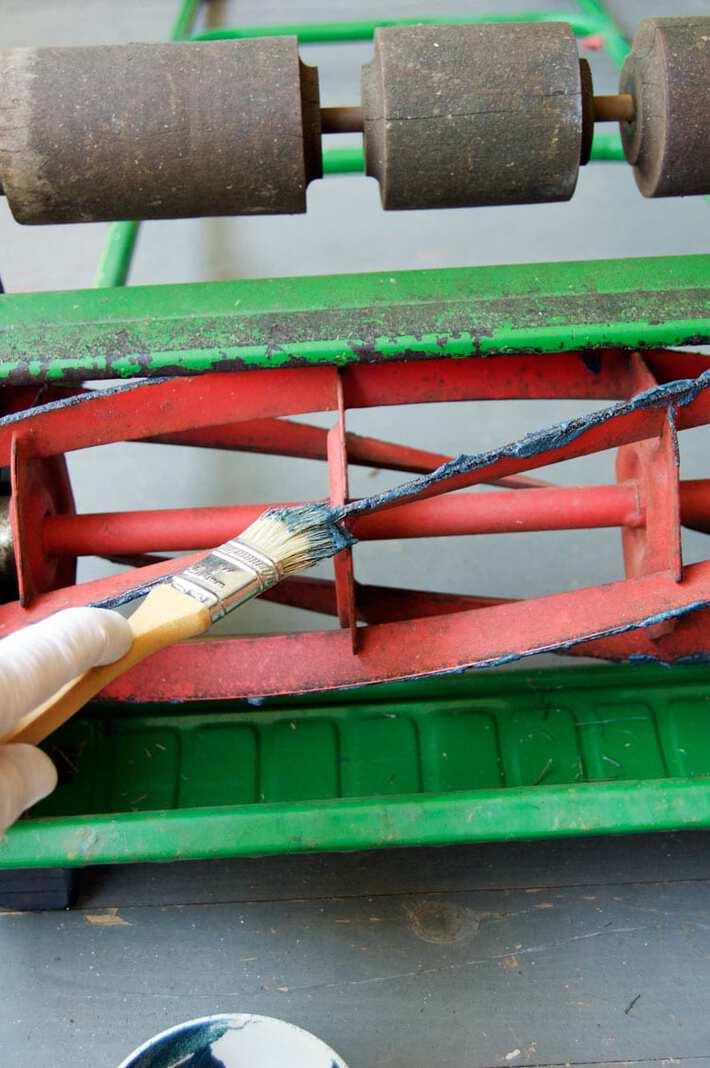
Image Source: www.theartofdoingstuff.com
Why Sharpen Your Manual Lawn Mower Blades?
A dull blade on a manual lawn mower doesn’t just cut grass; it tears it. This tearing action leaves the grass blades ragged and vulnerable to diseases and pests. A sharp blade, on the other hand, makes a clean slice, allowing the grass to heal quickly and remain healthy and vibrant. Think of it like using scissors versus tearing fabric – the scissors make a clean cut, while tearing leaves a messy, frayed edge.
Here’s why keeping your manual mower blades sharp is crucial:
- Healthier Lawn: Clean cuts promote faster healing, reducing stress on your grass.
- Improved Cutting Performance: Sharp blades cut grass evenly, preventing an uneven or jagged appearance.
- Reduced Mowing Effort: Sharper blades require less force to push the mower, making your job easier and more enjoyable.
- Longer Mower Lifespan: Well-maintained blades reduce strain on the mower’s mechanism, potentially extending its life.
- Aesthetic Appeal: A sharp blade delivers a professional-looking finish to your lawn.
When to Sharpen Your Manual Mower Blades
Regular inspection is the best way to know when your lawnmower edge sharpening is due. You don’t necessarily need to wait for your mower to perform poorly. However, here are common signs that indicate it’s time for some DIY mower sharpening:
- Ragged Grass Tips: After mowing, if the tips of your grass blades look torn and brown, your blades are likely dull.
- Increased Effort to Push: If you find yourself struggling more than usual to push your manual mower, dull blades are a prime suspect.
- Visible Nicks or Dents: Physical damage to the blades also necessitates sharpening and potentially repair.
- Sound: A dull blade can sometimes make a “tearing” sound as it works, rather than a clean “snip.”
- Regular Maintenance Schedule: Even if you don’t see obvious signs, reel mower blade care should be part of your routine. Aim to sharpen your blades at least once per mowing season, or more frequently if you have a large lawn or mow often.
Essential Tools for Manual Mower Blade Sharpening
Before you begin sharpening mower blades at home, gather the necessary tools. Having everything ready makes the process smoother and safer.
Here’s a checklist:
- Work Gloves: To protect your hands from sharp edges and debris.
- Safety Glasses: Essential to shield your eyes from flying metal filings.
- Wrench or Socket Set: To remove the blade assembly (if necessary).
- Bench Vise: To securely hold the blade assembly or individual blades.
- Flat File (e.g., Bastard File): A coarse file for reshaping and removing material.
- Sharpening Stone or Whetstone: For finer honing and creating a keen edge. You might need different grits (coarse, medium, fine).
- Honing Steel: To maintain the edge between full sharpenings.
- Clean Rags: For cleaning the blades and your workspace.
- Oil or Lubricant: For post-sharpening protection and to loosen tight bolts.
- Optional: Grinding Wheel or Bench Grinder: For significantly damaged blades, though extreme caution is advised with these tools as they can overheat and warp the blade if not used correctly. For manual mowers, filing is generally preferred for precision and control.
- Optional: Magnetic Angle Guide: To help maintain a consistent sharpening angle.
Step-by-Step Guide: The Best Way to Sharpen Lawn Mower Blades
This guide focuses on the most common and effective method for reel mower sharpening: using files and stones.
Step 1: Safety First!
This cannot be stressed enough. Always wear your safety glasses and work gloves. Manual mower blades, even when dull, can have sharp edges or burrs.
Step 2: Accessing the Blades
For most manual reel mowers, the blades are integrated into a reel assembly. You may need to tilt the mower back or remove a housing to get clear access. Some mowers might require removing the reel assembly entirely for easier sharpening. Consult your mower’s manual if you’re unsure.
Step 3: Inspecting the Blades
Before you start filing, carefully examine the blades. Look for:
- Dullness: Are the cutting edges worn smooth?
- Nicks and Chips: Are there any small indentations or missing pieces?
- Bends or Warping: Are the blades straight?
Step 4: Securing the Blade Assembly
The easiest way to sharpen is to secure the reel assembly.
* If you can remove the reel assembly, clamp it firmly in a bench vise. Ensure the vise grips the non-cutting edges or the reel shaft to avoid damaging the cutting surfaces.
* If you cannot remove the reel, you might need to prop the mower securely and use your body weight or a clamp to hold the reel steady while you work on individual blades.
Step 5: Sharpening with a File (Reel Mower Blade Honing)
This is where the hand mower blade honing happens. You’ll be filing the edges of the cutting blades against the stationary bed knife. The reel mower works by the rotating blades shearing against a fixed blade (the bed knife). Therefore, you’re sharpening the reel blades and potentially adjusting the bed knife.
For the Reel Blades:
- Position the File: Place a flat file at an angle that matches the bevel of the reel blade. The angle is typically around 20-30 degrees. You’re aiming to recreate the original angle.
- File in One Direction: Always file away from the cutting edge. Use long, smooth strokes, applying even pressure. Work from the base of the blade towards the tip.
- Stroke the Reel: Rotate the reel slightly to expose the next section of the blade. Continue filing each blade on the reel.
- Maintain Consistency: Try to maintain the same angle and pressure for each stroke and on each blade. This ensures an even sharpening.
- Check Progress: Periodically stop and check your progress. You should see a slightly shinier line appearing along the cutting edge.
For the Bed Knife:
The bed knife is the stationary blade that the reel blades pass over. It also needs to be sharp and properly adjusted.
- Access the Bed Knife: You may need to loosen adjustment screws to get good access.
- Sharpening the Bed Knife: Use a file or a sharpening stone to sharpen the bed knife. Again, maintain a consistent angle. You’re essentially filing the edge that the reel blades will shear against.
- Check for Nicks: Gently run your finger (with gloves on!) along the bed knife’s edge. If it feels chipped or uneven, it needs more work.
Step 6: Using a Sharpening Stone (Fine Honing)
Once you’ve used the file to restore the edge, you’ll use a sharpening stone for a finer honing and to remove any burrs.
- Select Your Stone: Start with a medium-grit stone and finish with a fine-grit stone.
- Lubricate the Stone: Follow the stone manufacturer’s instructions. Some stones require water, others oil.
- Hone Each Blade: Place the stone at the same bevel angle as before. Use light, consistent strokes, moving from the base of the blade to the tip, or in a circular motion to follow the curve of the reel blades.
- Alternating Strokes: For the finest edge, you can alternate strokes between the reel blade and the bed knife if they are accessible and you are comfortable doing so.
- Check for Burrs: A burr is a slight raised edge of metal. You can feel it by gently running your finger away from the cutting edge. If you feel a burr, use a few light strokes with the fine stone to remove it.
Step 7: Cleaning and Lubrication
After sharpening, thoroughly clean the blades and the reel assembly to remove all metal filings and residue.
- Use a clean rag to wipe down the blades.
- Apply a light coat of oil or lubricant to the blades and any moving parts. This protects against rust and ensures smooth operation.
Step 8: Reassembly and Adjustment
If you removed the reel assembly, reattach it according to your mower’s manual.
Adjusting the Reel and Bed Knife:
This is a critical part of manual mower upkeep. You need to ensure the reel blades just kiss the bed knife.
- Initial Spin Test: Gently spin the reel by hand. It should rotate freely but with a very slight resistance, indicating the blades are making contact.
- Adjusting Screws: Most reel mowers have adjustment screws where the bed knife mounts.
- Tightening: Turning these screws will move the bed knife closer to the reel.
- Loosening: Turning them the other way moves the bed knife away.
- Paper Test: The classic test is to place a piece of thin paper between the reel blade and the bed knife. Slowly turn the reel. You want the paper to be cut cleanly as the reel turns. If the paper tears unevenly or is not cut, the adjustment needs to be tweaked.
- Fine-Tuning: Make small adjustments to the screws. Spin the reel after each adjustment to check the contact. You’re looking for a consistent “kiss” along the entire length of the blades. Too tight, and it will be hard to push and cause wear. Too loose, and it won’t cut cleanly.
Advanced Techniques: Grinding vs. Filing
While filing is the most accessible DIY method for lawnmower blade sharpening, some may consider grinding for severely damaged blades.
Grinding
- Tools: Bench grinder or angle grinder with a grinding wheel.
- Process: This involves using a powered abrasive wheel to remove metal. It’s much faster than filing.
- Risks: Extreme caution is advised. Grinding generates heat. If you overheat the blade, you can ruin its temper, making it softer and less able to hold an edge. Always use a light touch, keep the blade cool by dipping it in water periodically, and use safety guards. It’s generally not recommended for DIY reel mower sharpening due to the risk of damage.
Filing vs. Grinding for Reel Mowers
| Feature | Filing | Grinding |
|---|---|---|
| Speed | Slower | Faster |
| Control | High | Lower, especially for beginners |
| Heat Risk | Minimal | High, can damage blade temper |
| Precision | Excellent for fine-tuning | Can be precise if done correctly, but risky |
| Cost | Lower (files are inexpensive) | Higher (bench grinder or angle grinder) |
| Recommendation | Highly recommended for DIY reel mowers | Not generally recommended for DIY reel mowers |
The precision of reel mower blade care with a file allows you to maintain the delicate angles crucial for a reel mower’s cutting action.
Maintaining Your Sharpened Blades
To keep your blades sharp for longer and ensure continued excellent lawnmower edge sharpening:
- Mow Dry Grass: Wet grass is stickier and puts more strain on the blades.
- Clear Debris: Remove sticks, stones, and other debris from your lawn before mowing. These can cause nicks and dull the blades quickly.
- Use a Honing Steel: Regularly touch up the blades with a honing steel between full sharpening sessions. This realigns the microscopic edge and removes small burrs. Do this carefully, maintaining the correct angle.
- Proper Storage: Store your mower in a dry place to prevent rust.
FAQ: Common Questions About Manual Mower Sharpening
Q1: How often should I sharpen my manual mower blades?
A1: It depends on your lawn size and mowing frequency. A good rule of thumb is at least once a year. If you notice ragged grass, increased effort to push, or if your mower just doesn’t seem to be cutting well, it’s time.
Q2: Can I use an electric grinder for my manual mower blades?
A2: While technically possible, it’s not recommended for DIYers. Grinders remove metal quickly and generate heat, which can easily damage the temper of your reel mower blades, making them softer and unable to hold a sharp edge. Filing is a safer and more precise method for manual mowers.
Q3: What is the best angle for sharpening manual mower blades?
A3: The ideal angle is typically between 20 and 30 degrees. This angle is usually dictated by the existing bevel on the blades. You want to maintain this existing angle as closely as possible.
Q4: My blades are chipped. Can I still sharpen them?
A4: For minor chips, filing can often reshape the edge and remove the chip. However, if the chips are deep or the blades are significantly warped, it might be more effective and safer to replace the blades. The goal of lawnmower blade sharpening is to create a consistent, sharp edge.
Q5: How do I know if the bed knife needs sharpening?
A5: If the reel blades aren’t cutting cleanly even after sharpening, the bed knife might be dull or misaligned. You can check it by sight for dullness or by feeling for nicks (with gloves on). Proper adjustment of the bed knife to meet the reel blades is as important as sharpening the reel itself.
Q6: Is it hard to adjust the bed knife on a manual mower?
A6: It can take a little practice to get the adjustment just right. You’re looking for the reel blades to lightly kiss the bed knife. Use the paper test (see Step 8) and make small, incremental adjustments to the bed knife screws.
Q7: Can I use a sharpening stone directly on the mower without removing the reel?
A7: Yes, you can. It’s often easier to get to the blades this way for basic sharpening and honing. However, if you need to do more aggressive filing or if the mower’s design makes access difficult, removing the reel assembly might be necessary.
Q8: What’s the difference between sharpening and honing?
A8: Sharpening involves removing metal to create a new cutting edge, often used when blades are dull or damaged. Honing is about realigning the existing microscopic edge to keep it sharp and smooth. A honing steel or a fine-grit stone is used for honing. Both are important for good mower blade maintenance.
Q9: My mower is still tearing the grass after sharpening. What could be wrong?
A9: There are a few possibilities:
* The blades might not be sharp enough – you may need to file more or use a finer stone.
* The reel might not be properly adjusted to the bed knife – ensure they are set to make light contact.
* The blades could be significantly damaged or worn beyond repair and may need replacement.
* You might be mowing grass that is too wet or too tall.
Q10: Where can I buy files and sharpening stones?
A10: You can find these tools at most hardware stores, home improvement centers, or online retailers that sell gardening or tool supplies. Look for files specifically designed for metalworking.
By following these steps, you can perform effective DIY mower sharpening on your manual lawn mower. This commitment to manual mower upkeep will not only make your mowing experience more pleasant but will also contribute to a healthier, more beautiful lawn. Happy mowing!