
Are mushrooms popping up in your lawn? You’re not alone! Many homeowners wonder, “Can I get rid of lawn mushrooms easily?” The answer is yes, and this guide will show you how to tackle fungal growth on your lawn effectively. We’ll cover everything from natural mushroom killers to more robust lawn disease treatment options.
Mushrooms in the yard are a sign of something happening beneath the surface. They are the fruiting bodies of fungi that live in the soil. While most lawn fungi are harmless, some can indicate underlying issues with your soil or grass. Dealing with these fungal invaders is a key part of maintaining a healthy, vibrant lawn. This article provides comprehensive lawn care tips and mushroom control in grass strategies to help you achieve a beautiful yard.
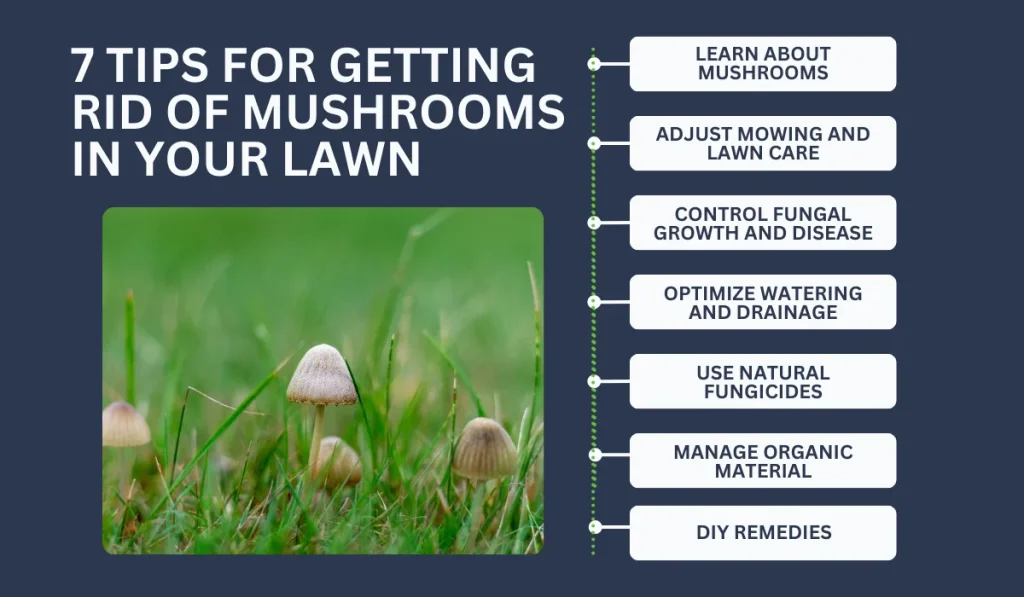
Image Source: sodlawn.com
Why Do Mushrooms Grow In Lawns?
Mushrooms are the visible part of a much larger organism – a network of thread-like structures called mycelium that lives underground in the soil. These fungi are natural decomposers. They break down organic matter, such as dead grass, leaves, twigs, and even animal droppings.
Several factors encourage mushroom growth:
- Excessive Moisture: Fungi thrive in damp conditions. Heavy rainfall, overwatering, poor drainage, or dew can create the perfect environment for mushrooms to sprout.
- Decomposing Organic Matter: As mentioned, mushrooms feed on dead organic material in the soil. If your lawn has a thick layer of thatch (a mat of dead grass and roots), or if there are buried organic materials like old tree stumps or animal waste, these can become food sources for fungi.
- Shady Conditions: Many types of fungi prefer shady, humid areas where sunlight is limited. Areas under trees or in constantly shaded parts of your yard are more prone to mushroom growth.
- Soil Compaction: Compacted soil restricts air and water movement, which can lead to localized dampness and create favorable conditions for fungal growth.
- Nutrient Imbalances: While not the primary cause, unhealthy soil with nutrient deficiencies or excesses can sometimes make grass more susceptible to fungal issues, which may manifest as mushrooms.
It’s important to remember that mushrooms themselves are rarely the problem. They are simply a symptom of an underlying condition in your lawn. Addressing these conditions is the key to effective mushroom control in grass.
Is It Bad To Have Mushrooms In Your Lawn?
Generally, having a few mushrooms pop up in your lawn isn’t a cause for alarm. They are a natural part of the ecosystem and indicate that your soil is healthy enough to support fungal life. However, there are times when you might want to get rid of lawn mushrooms:
- Aesthetics: Many people find mushrooms unsightly and want a cleaner, more uniform appearance for their lawns.
- Pets and Children: Some mushroom species can be poisonous if ingested. If you have pets or young children who play in the yard, it’s wise to remove them to prevent accidental consumption.
- Underlying Issues: A sudden proliferation of mushrooms, especially in areas where they haven’t appeared before, could signal a problem with your lawn’s health. This might include excessive thatch, poor drainage, or nutrient imbalances. Persistent or widespread mushroom growth can sometimes be linked to more serious lawn diseases, though the mushrooms themselves are not the disease.
Essentially, while mushrooms are not inherently “bad,” they can be an indicator of conditions you might want to correct for a healthier lawn.
How To Get Rid Of Lawn Mushrooms: Best Methods
Successfully removing mushrooms from your lawn involves more than just picking them. True lawn fungus removal means addressing the conditions that allow them to grow. Here are the most effective methods:
1. Physical Removal
The simplest method is to just pick them!
- Hand-Picking: Regularly go out and pull up any mushrooms you see. It’s best to do this after a rain or when the soil is moist, as they will come out more easily.
- Use a Spade or Trowel: For stubborn mushrooms or those with deep roots, you can use a garden spade or trowel to dig them out, ensuring you get as much of the underground mycelium as possible.
- Bag and Dispose: Place the removed mushrooms in a plastic bag, seal it tightly, and dispose of them in the trash. This prevents them from releasing spores and spreading further.
Pros:
* Immediate aesthetic improvement.
* No chemicals involved.
* Easy and accessible.
Cons:
* Only a temporary solution; doesn’t address the root cause.
* Labor-intensive if mushrooms are widespread.
* Doesn’t guarantee complete eradication as the mycelium remains.
2. Improve Drainage
Mushrooms love damp conditions. Improving how your lawn handles water is crucial for mushroom control in grass.
- Aeration: Compacted soil traps moisture. Aerating your lawn with a core aerator can help improve air and water penetration, reducing dampness. This process pulls out small plugs of soil, allowing them to naturally break down.
- Address Low Spots: If certain areas of your lawn collect water, consider amending the soil to improve drainage. This might involve adding compost or sand, or even regrading the area slightly.
- Reduce Watering: Overwatering is a common culprit. Water your lawn deeply but infrequently, allowing the soil surface to dry out between watering sessions. Check the soil moisture before watering – stick your finger a few inches into the ground; if it feels damp, hold off on watering.
3. Reduce Thatch
A thick thatch layer acts like a sponge, holding moisture and providing a perfect habitat for fungi.
- Dethatching: Use a dethatcher (also known as a scarifier) to rake through your lawn and pull up the accumulated thatch. This is usually done in the spring or fall when the grass is actively growing.
- Core Aeration: As mentioned earlier, aeration also helps break down thatch by improving air and microbial activity in the soil.
- Proper Mowing: Avoid cutting your grass too short. Longer grass blades shade the soil, keeping it cooler and reducing evaporation, but more importantly, mowing at the correct height (usually 2.5-3.5 inches for most cool-season grasses) helps prevent excessive thatch buildup. Don’t remove more than one-third of the grass blade at a time.
4. Manage Organic Matter
Mushrooms feed on decaying material. Reducing this food source is essential for long-term mushroom control.
- Rake Leaves and Debris: Regularly clear away fallen leaves, grass clippings, twigs, and other organic debris. This reduces the amount of food available for fungi.
- Remove Animal Waste: Promptly clean up pet waste, as it can be a significant food source and introduce fungal spores.
- Bury or Remove Stumps: Old tree stumps are prime real estate for mushrooms. If possible, have them removed or consider a stump removal service. If removal isn’t an option, you can try to accelerate their decomposition by drilling holes and filling them with nitrogen-rich material, but this takes time.
5. Soil Adjustments
Sometimes, the soil itself needs a little help.
- Improve Soil pH: Most lawn grasses prefer a slightly acidic to neutral pH (6.0-7.0). Test your soil pH and adjust it if necessary. For example, adding lime can raise the pH if the soil is too acidic, which might discourage some fungal growth.
- Fertilize Appropriately: Use a balanced lawn fertilizer according to soil test recommendations. Avoid over-fertilizing, especially with high-nitrogen fertilizers, which can sometimes stimulate fungal activity in susceptible grass types. Slow-release fertilizers are generally better.
6. Fungicides (Chemical Control)
If other methods fail or you have a persistent problem, fungicides can be an option. However, they should be used as a last resort, and it’s important to identify the specific fungal issue for effective treatment.
- Identify the Fungus: This can be tricky without expert advice. Many common lawn fungi are not directly harmful to the grass itself.
- Broad-Spectrum Fungicides: These can kill a range of fungi. Follow label instructions carefully for application rates and safety precautions.
- Targeted Fungicides: If you can identify the specific disease causing the mushrooms, a targeted fungicide might be more effective.
Important Considerations for Fungicides:
* Read the Label: Always read and follow the product label instructions precisely. This includes safety gear, application rates, and timing.
* Environmental Impact: Fungicides can affect beneficial soil organisms. Use them sparingly and only when necessary.
* Not a Solution for All Mushrooms: Fungicides primarily target diseases. They might not be effective against all types of mushrooms that appear due to purely environmental factors like excessive moisture.
7. Natural Mushroom Killers
For those seeking eco-friendly solutions, there are natural mushroom killers and deterrents:
- Baking Soda Solution: A solution of baking soda and water can sometimes help. Mix about 1 tablespoon of baking soda with a gallon of water and spray it directly onto the mushrooms. This can alter the soil’s pH locally, making it less hospitable for some fungi.
- Vinegar Solution: Diluted vinegar (1 part vinegar to 3-4 parts water) can also be used. Vinegar is acidic and can kill the mushrooms on contact and slightly alter soil pH. Be cautious, as too much vinegar can harm the grass. Test in a small area first.
- Corn Gluten Meal: This is a pre-emergent herbicide and fertilizer. When applied in early spring, it can inhibit seed germination and may also discourage some fungal growth by disrupting their life cycle. It’s considered a natural approach to lawn care.
- Salt: A very dilute salt solution (a tablespoon of salt in a gallon of water) sprayed on mushrooms might help. However, salt can damage grass, so use with extreme caution and only on the mushrooms themselves.
Pros of Natural Methods:
* Environmentally friendly.
* Safer for pets and children.
* Can be effective for minor issues.
Cons of Natural Methods:
* May require repeat applications.
* Effectiveness can vary.
* Might not be potent enough for severe fungal problems.
Specific Mushroom Types and Their Causes
While most mushrooms look similar, their presence can sometimes hint at specific underlying causes. Understanding these can aid in targeted lawn care tips.
Fairy Rings
These are circular or semi-circular patches of mushrooms, often accompanied by a ring of darker green or brown grass.
- Cause: Caused by certain types of fungi that grow outwards from a central point in the soil.
- Treatment:
- Physical Removal: Digging out the entire ring is the most effective physical method.
- Improve Drainage and Aeration: This helps break up the fungal network.
- Watering: Deep, infrequent watering can help encourage healthy grass growth within the ring, masking its appearance.
- Fungicides: Specific fungicides can be used, but application needs to be precise and often involves treating a wider area than the visible ring.
Stinkhorns
These mushrooms are known for their pungent odor and often have a slimy, spore-laden mass on top.
- Cause: Often associated with decaying organic matter, especially buried wood or animal waste.
- Treatment:
- Remove the Source: The best approach is to find and remove the buried organic material.
- Physical Removal: Dig up the mushrooms and their base.
- Improve Drainage: Stinkhorns also prefer damp conditions.
Agaricus Mushrooms (Common Field Mushrooms)
These are the typical brown or white mushrooms that sprout from lawns.
- Cause: Typically feed on decomposing organic matter in the soil, often appearing after rain.
- Treatment:
- Reduce Thatch: This is a primary method for controlling these.
- Rake up debris: Keep the lawn clean of leaves and clippings.
- Physical removal: Regular hand-picking is effective.
Bolete Mushrooms
Often characterized by a spongy layer of pores underneath the cap instead of gills.
- Cause: Many boletes are mycorrhizal, meaning they form a symbiotic relationship with tree roots. Their appearance might indicate the presence of nearby trees whose roots are contributing organic matter or have associated fungal networks.
- Treatment:
- Manage Leaf Litter: Rake away fallen leaves from trees.
- Improve Soil Health: A healthy lawn can outcompete some fungal growth.
- Physical removal: Digging them up is a direct method.
Lawn Health Remedies: A Holistic Approach
Getting rid of lawn mushrooms is often a byproduct of improving overall lawn health. Focusing on these lawn health remedies will naturally deter fungal growth.
Proper Mowing Habits
- Mow at the Right Height: Keep your mower blades sharp and mow at the recommended height for your grass type. Taller grass blades shade the soil, helping it stay cooler and retain moisture more evenly, which can discourage some fungi.
- Don’t Scalp: Avoid cutting the grass too short, as this stresses the turf and can make it more susceptible to diseases and pests.
- Mulch Clippings (Sometimes): While mulching grass clippings can return nutrients to the soil, a very thick layer can contribute to thatch and moisture retention. If you have a mulching mower, ensure clippings are spread thinly.
Smart Watering Practices
- Water Deeply and Infrequently: This encourages deeper root growth, making the grass more resilient. Aim for about 1 inch of water per week, delivered in one or two watering sessions.
- Water in the Morning: Watering early in the day allows the grass blades to dry off before evening, reducing the time they are wet, which is a key factor in fungal disease development.
- Check Soil Moisture: Before watering, feel the soil. If it’s still moist a few inches down, you don’t need to water.
Balanced Fertilization
- Soil Testing: Get a soil test to determine what nutrients your lawn actually needs. This prevents over-fertilizing or under-fertilizing.
- Use Slow-Release Fertilizers: These release nutrients gradually, feeding the grass steadily and reducing the risk of shocking the system or promoting rapid, weak growth that can be prone to disease.
- Avoid Excessive Nitrogen: While nitrogen is crucial for green growth, too much can sometimes make the grass more susceptible to fungal diseases.
Overseeding and Dethatching
- Overseeding: In the fall, consider overseeding thin areas of your lawn with healthy grass varieties. A dense, healthy lawn is more competitive against weeds and fungi.
- Dethatching: As discussed, this process removes the thick layer of dead organic matter that can harbor fungi and hold excess moisture.
By implementing these comprehensive lawn care tips and focusing on creating a healthy environment for your grass, you’ll naturally reduce the conditions that encourage mushrooms to grow. This approach is the most effective for long-term mushroom control in grass and achieving overall lawn fungus removal.
Frequently Asked Questions (FAQ)
Q1: Are all mushrooms in the lawn dangerous?
A1: Not all mushrooms are dangerous. Many are harmless decomposers. However, some species are poisonous, and if you have pets or children, it’s best to err on the side of caution and remove all mushrooms.
Q2: Will picking mushrooms stop them from growing?
A2: Picking mushrooms removes the visible fruiting body, but the underground mycelium remains. It’s a temporary fix. To truly stop them from growing, you need to address the underlying causes like excess moisture, thatch, or decomposing organic matter.
Q3: Can I use bleach to kill mushrooms in my lawn?
A3: It is generally not recommended to use bleach on your lawn. While it might kill mushrooms on contact, it can severely damage or kill your grass and harm beneficial soil organisms. Natural or specifically formulated lawn treatments are much safer and more effective.
Q4: How often should I dethatch my lawn?
A4: Dethatching frequency depends on your grass type and how quickly thatch builds up. Generally, if the thatch layer is thicker than half an inch, it’s time to dethatch. This is usually done once a year or once every two years, typically in the spring or fall.
Q5: Is it okay to leave mushrooms in the lawn if they don’t bother me?
A5: If the mushrooms are not an aesthetic concern and you don’t have pets or children who might ingest them, leaving them is usually harmless. They are a natural part of the soil ecosystem. However, if they are a recurring issue, it might indicate an imbalance in your lawn that could be addressed for better overall lawn health.
Q6: What is the fastest way to get rid of lawn mushrooms?
A6: The fastest way to get rid of the visible mushrooms is physical removal (picking them). However, for a lasting solution and true lawn fungus removal, improving drainage and reducing thatch are the most effective long-term strategies.
Q7: Can aeration help with mushroom control in grass?
A7: Yes, aeration is a very effective method for mushroom control in grass. It improves soil structure, reduces compaction, and enhances drainage and air circulation, all of which make the environment less hospitable for many types of fungi that cause mushrooms to appear.