
Image Source: www.whygoodnature.com
Best Ways How To Get Rid Of Chickweed In My Lawn
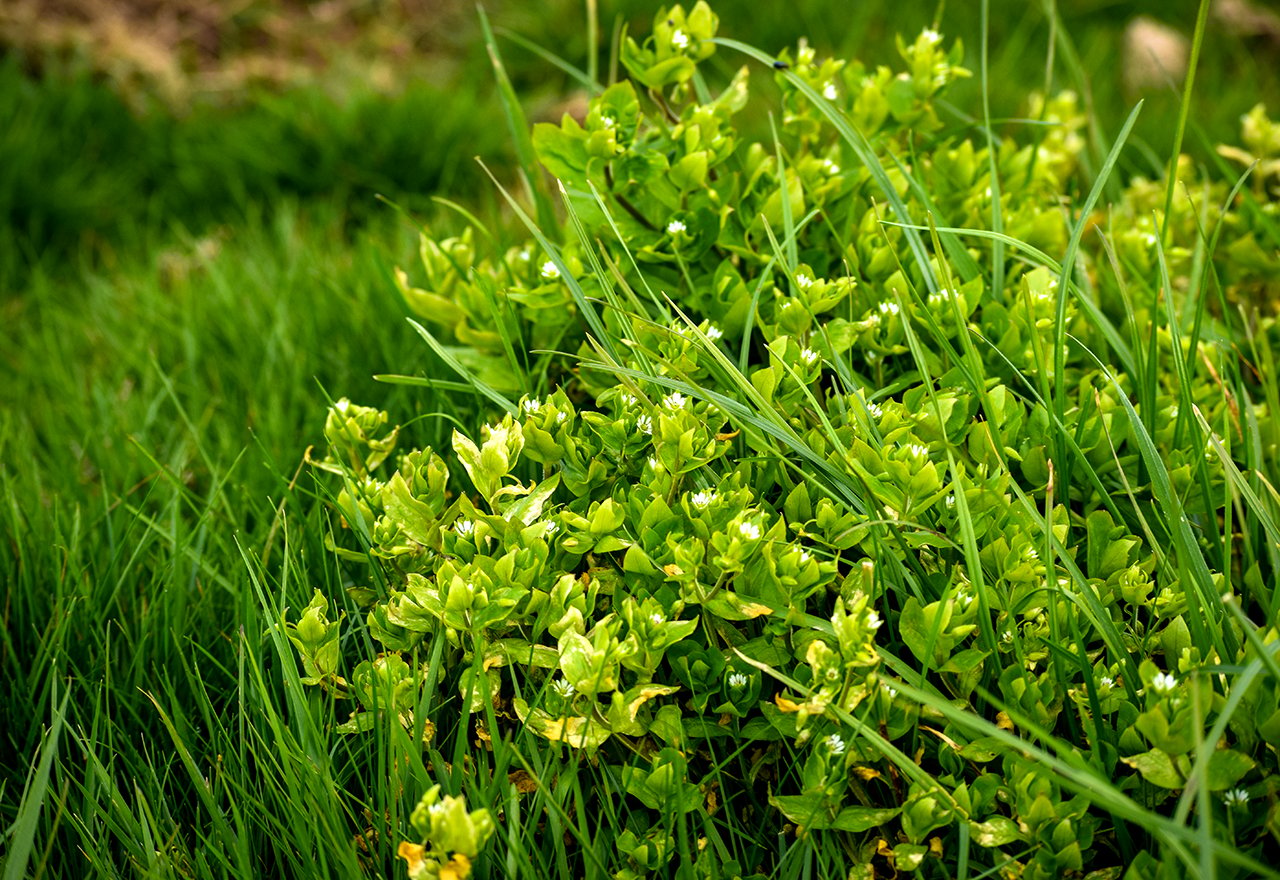
What is chickweed? Can I get rid of chickweed in my lawn? Yes, you absolutely can get rid of chickweed in your lawn through a combination of methods. Chickweed is a low-growing, sprawling weed with small, oval leaves and tiny white flowers. It thrives in cool, moist conditions and often appears in lawns during the spring and fall.
Chickweed Identification: Knowing Your Enemy
Before you can effectively tackle chickweed, you need to be able to recognize it. This common lawn invader has a few distinguishing features:
- Growth Habit: Chickweed grows in dense, matted patches that hug the ground. It often spreads rapidly, creating a carpet of green that smothers desirable grass.
- Leaves: The leaves are small, opposite each other on the stem, and typically oval or egg-shaped. A key identifier is a line of fine hairs running up one side of the stem.
- Flowers: Chickweed produces tiny, star-shaped white flowers with five petals that are often deeply notched. These flowers are present throughout much of its growing season.
- Roots: It has a shallow root system, making it relatively easy to pull up by hand when the soil is moist.
Why Chickweed Takes Over Your Lawn
Several factors contribute to a chickweed infestation:
- Cool, Moist Conditions: Chickweed loves cool temperatures and consistent moisture. This is why it’s most prevalent in spring and fall, and in lawns that are overwatered or have poor drainage.
- Thin or Stressed Turf: Sparse or weak grass provides ideal space for chickweed to germinate and establish itself. Lawns suffering from drought, improper mowing, or lack of nutrients are more susceptible.
- Soil Compaction: Compacted soil restricts grass root growth, weakening the turf and creating openings for weeds.
- Excess Nitrogen: While grass needs nitrogen, too much can lead to rapid, lush growth that outcompetes weaker grass, creating a favorable environment for chickweed.
- Seed Dispersal: Chickweed seeds can be spread by birds, animals, wind, and even on shoes or gardening equipment.
Chickweed Removal: Your Arsenal of Tactics
Getting rid of chickweed involves a multi-pronged approach. You’ll likely find that a combination of methods yields the best results for comprehensive chickweed removal.
Manual Chickweed Removal: The Hands-On Approach
For small infestations, manual chickweed removal is an effective and eco-friendly option.
- Timing is Key: The best time to pull chickweed is when the soil is moist, usually after a rain or watering. This makes it easier to get the entire root system.
- Tools: A trowel or a weeding tool can help loosen the soil and lift out the entire plant.
- Method: Gently grasp the chickweed at its base and pull upwards. Try to remove as much of the root as possible to prevent regrowth.
- Disposal: Dispose of the pulled chickweed in a sealed bag or compost bin. Avoid leaving it on the lawn, as it can sometimes re-root.
Pros of Manual Removal:
- Environmentally friendly.
- No chemicals involved.
- Cost-effective for small areas.
- Provides immediate visual improvement.
Cons of Manual Removal:
- Labor-intensive for large infestations.
- May not remove all roots, leading to regrowth.
- Can disturb the soil and potentially bring dormant weed seeds to the surface.
Healthy Lawn Practices: The Foundation of Weed Prevention
The most sustainable way to manage chickweed is to cultivate a healthy, dense lawn that naturally outcompetes weeds. This is the cornerstone of lawn weed control.
Proper Mowing
- Mowing Height: Mow your lawn at the higher end of the recommended range for your grass type. Taller grass shades out weed seeds, preventing them from germinating.
- Sharp Blades: Ensure your mower blades are sharp. Dull blades tear grass, making it susceptible to disease and stress, which chickweed can exploit.
- Frequency: Don’t remove more than one-third of the grass blade in a single mowing.
Watering Wisely
- Deep and Infrequent: Water your lawn deeply but less often. This encourages grass to develop deeper root systems, making it more drought-tolerant and resilient.
- Avoid Overwatering: Excessive moisture creates ideal conditions for chickweed. Water only when the grass shows signs of needing it, such as a bluish-gray tint or footprints remaining visible after walking on it.
- Morning Watering: Water in the morning so the grass blades have time to dry before evening, reducing the risk of fungal diseases.
Fertilization
- Soil Testing: Get a soil test to determine your lawn’s nutrient needs. This prevents over-fertilization, which can favor weed growth.
- Balanced Fertilization: Use a balanced fertilizer appropriate for your grass type and the season. Apply it according to the product’s instructions.
- Timing: Fertilize during the active growing seasons of your grass to promote strong turf growth.
Aeration and Dethatching
- Aeration: This process creates small holes in the soil, relieving compaction and allowing air, water, and nutrients to reach the grass roots. Perform aeration when the grass is actively growing.
- Dethatching: A thick layer of thatch (dead grass stems and roots) can suffocate your lawn and harbor pests and diseases. Dethatch when the thatch layer exceeds ½ inch.
Chemical Chickweed Treatment: When Other Methods Aren’t Enough
If manual removal and healthy lawn practices aren’t sufficient, you may need to resort to chemical chickweed treatment. The choice of herbicide depends on the stage of the chickweed and the type of grass you have. Always read and follow label instructions carefully.
Pre-Emergent Weed Control
Pre-emergent weed control targets weed seeds before they germinate. These herbicides create a chemical barrier in the soil that prevents seeds from sprouting.
- Application Timing: Pre-emergent herbicides are most effective when applied in early spring, before soil temperatures consistently reach 55°F (13°C) for several consecutive days. A second application in the fall can also help control winter annual weeds.
- Mechanism: They work by inhibiting cell division in developing seedlings.
- Important Note: Pre-emergent herbicides will also prevent grass seed from germinating, so do not apply them if you plan to reseed your lawn soon.
Common Pre-Emergent Herbicides for Chickweed:
- Dithiopyr: Effective against a broad spectrum of annual grasses and some broadleaf weeds.
- Pendimethalin: Another widely used pre-emergent that controls many types of annual weeds.
- Prodiamine: Offers a long window of control against germinating weed seeds.
Post-Emergent Weed Killer
Post-emergent weed killer is designed to kill existing weeds. These products are applied directly to the chickweed plants.
-
Types of Post-Emergents:
- Selective Herbicides: These target specific types of weeds (broadleaf weeds, in the case of chickweed) without harming your grass.
- Non-Selective Herbicides: These kill all plants they come into contact with, including your grass. Use these with extreme caution and only as spot treatments if you are certain you will not hit your lawn.
-
Best Chickweed Herbicides: For broadleaf weeds like chickweed, selective herbicides are generally the best choice. Many common lawn weed killers contain a combination of active ingredients to tackle a range of broadleaf weeds.
- 2,4-D: A widely used herbicide that targets broadleaf weeds.
- MCPP (Mecoprop): Another common component in broadleaf weed killers.
- Dicamba: Effective against tough broadleaf weeds.
- Triclopyr: Often found in herbicides for controlling woody plants and broadleaf weeds.
-
Application Tips:
- Temperature: Apply when temperatures are between 60°F and 85°F (15°C to 30°C). Avoid applying when temperatures are too high, as this can damage your grass or cause the herbicide to volatilize and drift.
- Wind: Do not apply on windy days to prevent drift onto desirable plants or gardens.
- Rain: Avoid applying just before rain, as it can wash the herbicide off. Check the product label for how long to wait after application before watering.
- Spot Treatment: For small patches of chickweed, spot treatment with a spray bottle can be more efficient and less wasteful than treating the entire lawn.
Natural Chickweed Killer Options
If you prefer to avoid synthetic chemicals, there are several natural chickweed killer options available:
- Vinegar (Horticultural Grade): Horticultural vinegar (10-20% acetic acid) can be an effective natural chickweed killer when applied directly to the weed. Be aware that it is non-selective and can also kill grass. Use it as a spot treatment and avoid contact with desirable plants.
- Boiling Water: Pouring boiling water directly on chickweed can kill it. This is a very direct and immediate method but is also non-selective and can harm anything it touches. It’s best for cracks in pavement or isolated patches away from your lawn.
- Corn Gluten Meal: This is a natural pre-emergent that also acts as a mild fertilizer. When applied to the soil, it can inhibit root formation in germinating seeds, including chickweed. It’s most effective when applied in early spring. It is a more preventative measure rather than a direct killer of existing plants.
- Manual Removal (as discussed earlier): This remains the most straightforward natural method.
Table: Comparing Chickweed Control Methods
| Method | Effectiveness for Existing Chickweed | Effectiveness for Preventing Future Chickweed | Environmental Impact | Labor Intensity | Cost |
|---|---|---|---|---|---|
| Manual Removal | High (if roots removed) | Low | Very Low | High | Very Low |
| Healthy Lawn Practices | Medium (builds resistance) | High | Very Low | Medium | Low |
| Pre-Emergent Herbicides | None | High | Moderate | Low | Medium |
| Post-Emergent Herbicides | High | Low | Moderate to High | Low | Medium |
| Natural Killers (Vinegar) | High (spot treat) | Low | Low | Low | Low |
| Natural Killers (Boiling Water) | High (spot treat) | Low | Very Low | Low | Very Low |
| Natural Killers (Corn Gluten Meal) | Low | Medium | Very Low | Low | Medium |
The Best Chickweed Herbicides: Making the Right Choice
When selecting best chickweed herbicides, consider these factors:
- Your Grass Type: Some herbicides are safe for certain grass types (e.g., cool-season grasses like fescue and bluegrass) but not others (e.g., warm-season grasses like Bermuda and Zoysia). Always check the product label for compatibility.
- Stage of Chickweed: For young, actively growing chickweed, most post-emergent herbicides will work. For more established patches, a stronger formulation might be needed.
- Time of Year: As discussed, pre-emergents are for prevention, while post-emergents are for existing weeds.
- Environmental Concerns: If you have pets, children, or are concerned about pollinators, opt for products with lower toxicity or use natural methods.
Common Active Ingredients in Broadleaf Weed Killers (Good for Chickweed):
| Active Ingredient | Target Weeds | Lawn Safety | Notes |
|---|---|---|---|
| 2,4-D | Broadleaf weeds | Generally safe for most turfgrasses | Can drift, avoid sensitive plants |
| Mecoprop (MCPP) | Broadleaf weeds | Generally safe | Works best on young weeds |
| Dicamba | Tough broadleaf weeds | Generally safe | More persistent, can affect desirable plants |
| Triclopyr | Broadleaf weeds, brush | Generally safe | Effective on tougher weeds |
Important Note on Herbicides: Always follow the label instructions precisely. Applying too much herbicide can damage your lawn, and applying too little may not be effective.
Putting It All Together: A Step-by-Step Strategy
- Identify the Infestation: Accurately identify chickweed in your lawn.
- Assess the Severity: Determine how widespread the chickweed is.
- Prioritize Manual Removal: For small patches, start with pulling.
- Implement Healthy Lawn Practices: Focus on proper mowing, watering, and fertilization to strengthen your turf. Aerate and dethatch if needed.
- Consider Pre-Emergents: If chickweed is a recurring problem, apply pre-emergent herbicides in early spring and fall to prevent germination.
- Use Post-Emergents Strategically: For persistent or widespread chickweed, use a selective post-emergent herbicide. Spot treat small areas if possible.
- Explore Natural Options: If you prefer to avoid chemicals, utilize boiling water, horticultural vinegar for spot treatment, or corn gluten meal for prevention.
- Repeat and Maintain: Consistent effort is key. Continue with healthy lawn practices and address any new chickweed growth promptly.
Frequently Asked Questions (FAQ) about Chickweed
Q1: Will chickweed kill my grass?
A: Chickweed typically won’t kill your grass directly, but its dense, low-growing nature can smother and crowd out desirable grass, especially in weaker areas. This reduces the overall health and appearance of your lawn.
Q2: Can I overseed my lawn after using a chickweed herbicide?
A: It depends on the type of herbicide. Pre-emergent herbicides will prevent grass seed from germinating. Always check the product label for the recommended waiting period before seeding. Most post-emergent herbicides are safe for overseeding shortly after application, but it’s best to confirm with the product instructions.
Q3: How can I prevent chickweed from coming back next year?
A: The best prevention is a thick, healthy lawn. Continue with consistent, proper lawn care practices. Applying pre-emergent herbicides in the fall and early spring can also significantly reduce future infestations. Keeping your lawn well-maintained discourages chickweed from establishing itself.
Q4: Is it safe to use weed killer on my lawn if I have pets?
A: Many common lawn herbicides are safe for pets once they have dried completely. However, it’s crucial to read the product label carefully for specific safety instructions and waiting periods before allowing pets back onto the treated area. Natural methods like manual removal are always the safest option if you have pets that frequent your lawn.
Q5: My lawn is very bare. What should I do?
A: A bare lawn is an open invitation for weeds like chickweed. Focus on improving your soil, addressing any underlying issues (like poor drainage or compaction), and overseeding with a dense grass mixture suitable for your climate. A healthy, thick lawn is your best defense against all weeds.
By combining these strategies, you can effectively manage and eliminate chickweed, cultivating a lush, healthy lawn you can be proud of. Remember that persistence and proper technique are your greatest allies in the ongoing battle against lawn weeds.