
Do you have clover in your lawn? Yes, it’s very common for clover to appear in grass. This blog post will explain why clover grows in your lawn and offer simple, effective solutions to manage it. Clover is a perennial plant, meaning it lives for many years. It’s often mistaken for a weed, but it can actually be beneficial for your lawn.
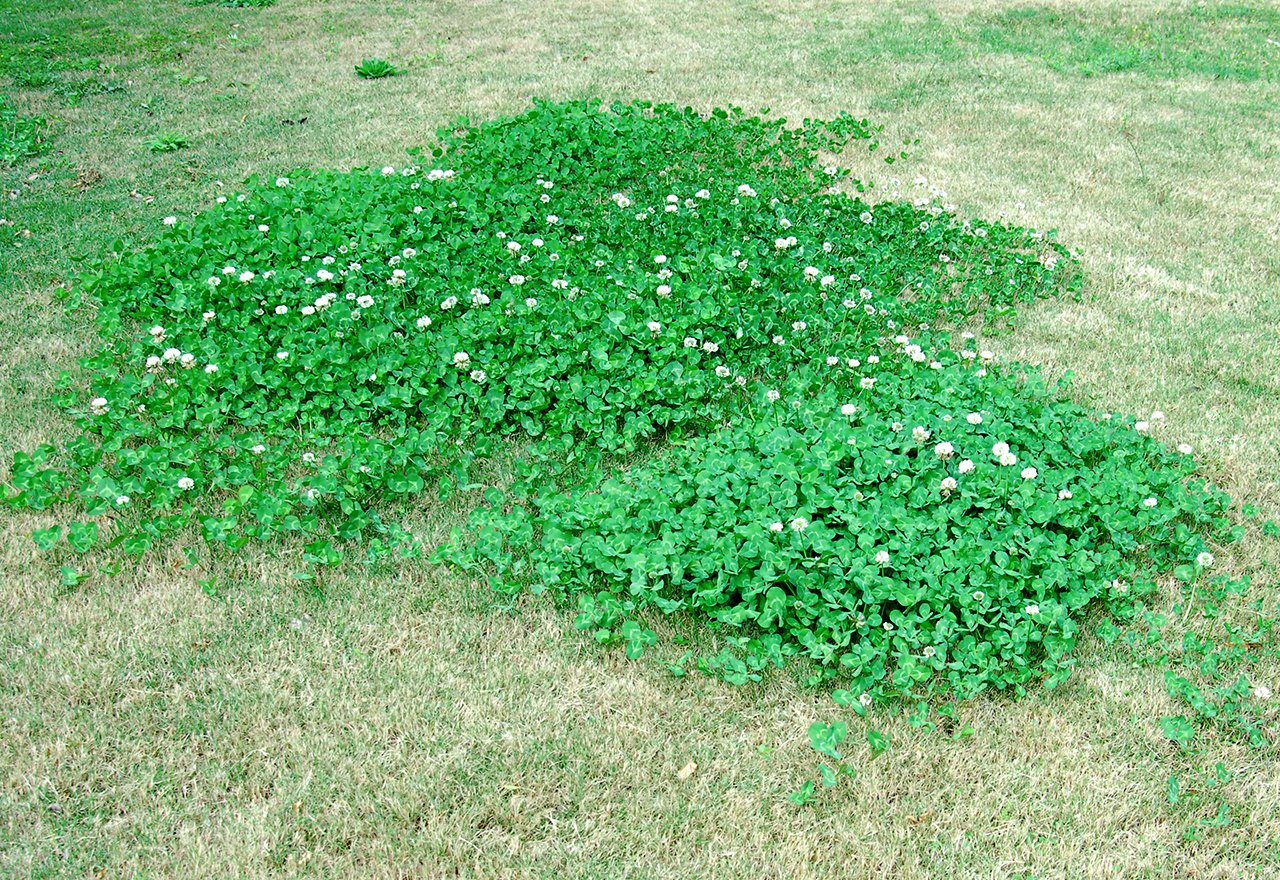
Image Source: cdn2.hubspot.net
Deciphering Clover’s Appeal to Your Lawn
Clover, particularly white clover (Trifolium repens), is a persistent plant that thrives in many lawn environments. Its presence isn’t usually a sign of a failing lawn, but rather an indicator of specific conditions that favor its growth. Let’s dive into the common clover causes lawn issues or, more accurately, creates a preference for it.
Favorable Growth Factors for Clover
Several clover growth factors make it a common sight in residential yards. Understanding these can help you manage its spread and encourage healthier grass.
Soil Nutrient Levels: The Nitrogen Connection
One of the primary reasons for clover appearing is its ability to fix nitrogen from the air. Lawns with low nitrogen content are more susceptible to clover in grass. Healthy grass needs a consistent supply of nitrogen to maintain its dense, green growth. When the soil is deficient in this essential nutrient, clover, with its unique nitrogen-fixing capabilities, can outcompete the grass.
- Nitrogen Fixation: Clover has a symbiotic relationship with bacteria in its root nodules. These bacteria convert atmospheric nitrogen into a form that plants can use. This means clover doesn’t need nitrogen from the soil; it makes its own.
- Grass’s Need: Turfgrass, on the other hand, relies heavily on soil nitrogen for its vibrant green color and vigorous growth. If your lawn lacks sufficient nitrogen, grass blades become thinner and weaker, opening up space for clover to spread.
Soil pH: A Matter of Balance
Clover generally prefers slightly acidic to neutral soil pH levels, typically between 6.0 and 7.0. Most turfgrasses also thrive in this range. However, if your soil pH drifts outside this ideal zone, it can impact the grass’s ability to absorb nutrients, giving clover an advantage.
- Alkaline Soils: Soils that are too alkaline (high pH) can make it difficult for grass to take up nutrients, including nitrogen.
- Acidic Soils: Very acidic soils (low pH) can also hinder grass growth.
Testing your soil’s pH is a simple step that can reveal a lot about why clover might be thriving.
Compaction and Poor Aeration
Compacted soil restricts root growth for most grasses. When grass roots can’t penetrate deeply or spread effectively, the plant becomes stressed and less competitive. Clover, with its shallow, spreading root system, can often tolerate and even thrive in compacted areas where grass struggles.
- Lack of Air and Water: Compacted soil reduces the amount of air and water that can reach grass roots. This stress weakens the grass, making it more vulnerable.
- Easier Spread: Clover’s stolons (above-ground stems) can spread easily across the surface, finding purchase even in less-than-ideal soil conditions.
Mowing Height: The Shorter, The Better for Clover
The height at which you mow your lawn significantly impacts the balance between grass and clover. Mowing too short is a major contributor to why you have clover in your lawn.
- Stress on Grass: Mowing grass too short removes too much of the leaf blade. This reduces the grass’s ability to photosynthesize, weakening it and making it less able to compete with clover.
- Clover’s Advantage: Shorter mowing heights can inadvertently favor clover. Its lower-growing nature and ability to spread horizontally allow it to capture sunlight and resources more effectively when the grass is kept short.
Drought and Stressful Conditions
Periods of drought or other environmental stresses (like extreme heat or heavy foot traffic) can weaken turfgrass. During these times, the grass may become thin or go dormant, creating openings for opportunistic plants like clover to establish.
- Weakened Grass: Stressed grass is less resilient and less able to fill in gaps that appear in the lawn.
- Clover’s Resilience: Clover is often more drought-tolerant than many common turfgrass varieties, allowing it to persist and spread when grass is struggling.
Over-Seeding and Patchy Lawns
If your lawn has bare patches or thin areas, these are prime real estate for clover seeds to germinate and grow. A healthy, dense lawn naturally suppresses weed growth, including clover.
- Open Niches: Any area where grass isn’t growing well becomes an invitation for other plants.
- Dandelion and Clover: You might notice that areas with dandelion and clover often share the same underlying issues, such as low fertility or compacted soil.
Identifying Clover: More Than Just a Weed
While many homeowners view clover as an unwanted intruder, it’s worth noting that white clover lawn patches can offer some benefits. However, for a uniformly green and healthy lawn, managing clover is often necessary.
The Benefits of Clover
- Nitrogen Source: As mentioned, clover enriches the soil with nitrogen, which can help surrounding grass grow greener.
- Attracts Pollinators: The small white flowers of clover attract bees and other beneficial insects.
- Drought Tolerance: Clover is generally more drought-tolerant than many turfgrasses.
- Deeper Roots: While it spreads with stolons, clover can also develop deeper taproots than some grasses, helping to break up soil.
The Downsides of Clover
- Uneven Appearance: The bright green clover can stand out against the darker green of grass, creating an uneven look.
- Sticky Flowers: The flowers can be sticky and may attract insects, which can be a nuisance for some homeowners.
- Competition: In dense stands, clover can outcompete grass for water and nutrients, leading to thinner turf.
Controlling Clover: Strategies for a Healthier Lawn
Dealing with a clover infestation requires a multi-pronged approach. The goal is not just to kill the clover but to create conditions that favor your turfgrass.
Cultural Practices: Building a Stronger Lawn
The most effective way to manage clover long-term is by improving your lawn’s overall health.
Mowing Practices
- Mow Higher: Aim to mow your lawn at a higher setting, typically 3 to 4 inches. This encourages deeper root growth in your grass and shades out potential weed seeds.
- Sharp Blades: Always use sharp mower blades. Dull blades tear grass, making it susceptible to disease and stress.
Watering Wisely
- Deep and Infrequent: Water your lawn deeply but less often. This encourages grass to develop deep roots, making it more resilient to drought and better able to compete with clover.
- Avoid Shallow Watering: Frequent, shallow watering promotes shallow root systems in grass, which favors clover.
Fertilization
- Balanced Nutrition: Fertilize your lawn regularly with a balanced fertilizer that provides adequate nitrogen. This will help your grass grow thick and healthy, naturally suppressing clover.
- Timing is Key: Follow a fertilization schedule appropriate for your grass type and climate.
Aeration and Dethatching
- Address Compaction: Aerate your lawn annually or bi-annually to relieve soil compaction. This allows air, water, and nutrients to reach the grass roots more effectively.
- Remove Thatch: Dethatch your lawn if the thatch layer (dead grass and organic matter) becomes too thick (over half an inch). A thick thatch layer can suffocate grass and create a good environment for clover.
Chemical Controls: Targeted Approaches
If cultural practices aren’t enough, you might consider herbicides to manage clover.
Broadleaf Herbicides
Many herbicides are designed to kill broadleaf weeds, and clover falls into this category.
- Selective Herbicides: These products are formulated to kill broadleaf plants while leaving grasses unharmed. Look for products containing active ingredients like 2,4-D, MCPP, or dicamba.
- Timing: Apply herbicides when clover is actively growing and the temperature is between 60-85°F (15-29°C). Avoid applying when rain is expected, as this can wash the herbicide away.
- Read the Label: Always follow the product label instructions carefully for application rates, safety precautions, and the best time to apply.
Spot Treatment
For smaller areas or a clover patch, spot treatment with a non-selective herbicide (like glyphosate) can be effective. Be careful to only apply it directly to the clover, as it will kill any grass it touches.
Natural and Organic Methods
There are also natural ways to manage clover without synthetic chemicals.
Vinegar Solutions
A solution of horticultural vinegar (acetic acid) can burn the leaves of clover.
- Concentration: Use a vinegar solution with at least 5% acetic acid. You can increase its effectiveness by adding a tablespoon of dish soap to help it stick to the leaves.
- Caution: Vinegar is a non-selective killer, so avoid spraying it on your desired grass. It’s best for spot treatment.
Corn Gluten Meal
Corn gluten meal is a natural pre-emergent herbicide that can inhibit the germination of weed seeds, including clover seeds.
- Timing: Apply in early spring before clover seeds germinate.
- Fertilizer Benefit: It also provides a slow-release nitrogen fertilizer to your lawn.
Hand-Pulling
For isolated clover patches, hand-pulling is an effective method, especially after rain when the soil is soft. Ensure you pull the entire root system to prevent regrowth.
Troubleshooting Common Lawn Problems Associated with Clover
Sometimes, the presence of clover signals other underlying lawn issues. Let’s explore some common scenarios.
Why Grass Isn’t Growing: Connecting the Dots
If you’re asking yourself, “Why is grass isn’t growing in this spot, but clover is?”, it’s usually tied back to the clover growth factors we’ve discussed.
- Low Fertility: If your grass is struggling to grow, it’s likely due to a lack of essential nutrients, particularly nitrogen. Clover flourishes in these low-nutrient conditions.
- Soil Compaction: Densely packed soil prevents grass roots from spreading and accessing resources. Clover, with its adaptable root system, can often thrive where grass cannot.
- Improper Mowing: As mentioned, mowing too short stresses grass, making it less competitive against clover.
Dealing with Dandelion and Clover Together
When you find dandelion and clover coexisting, it points to a lawn that is generally underperforming.
- Shared Issues: Both plants often indicate compacted soil, low nitrogen levels, or improper mowing practices.
- Integrated Approach: Managing both requires addressing these fundamental lawn health issues. Improving soil fertility and aeration will help both grass and beneficial plants, while selective herbicides can target these specific weeds without harming the grass.
Frequently Asked Questions About Clover in Lawns
Here are some common questions people have about clover in their yards.
Can I get rid of clover permanently?
While it’s challenging to eliminate clover entirely from a lawn, you can manage it effectively and create conditions that strongly favor grass growth. Focusing on a healthy, dense turf will naturally suppress clover over time.
Is clover bad for my lawn?
Clover isn’t inherently “bad.” It can even offer benefits like nitrogen fixation. However, if you desire a uniform, manicured look or if the clover is becoming too dominant, then it becomes a management issue.
Will clover spread if I leave it?
Yes, clover will continue to spread through its runners (stolons) and by producing seeds. If left unchecked, it can become a significant part of your lawn’s composition.
When is the best time to treat clover?
The best time to treat clover with herbicides is when it is actively growing, typically in the spring or early fall. This ensures the herbicide is absorbed effectively. For cultural practices like aeration and fertilization, follow your seasonal lawn care schedule.
Can I use a weed killer on clover?
Yes, you can use a selective broadleaf weed killer. Ensure the product label specifically states it is effective against clover and safe for use on your type of lawn grass.
My lawn is mostly clover. What should I do?
If your lawn is predominantly clover, you might consider a complete renovation. This could involve killing off the existing lawn (including the clover) and re-seeding with a high-quality turfgrass mixture. Alternatively, focus on gradually improving soil health and overseeding with grass to slowly outcompete the clover.
Conclusion: Cultivating a Greener, Healthier Lawn
Having clover in your lawn is a common issue, often stemming from imbalances in soil nutrients, pH, or lawn care practices. By implementing consistent, healthy lawn care strategies – including proper mowing, watering, fertilization, and aeration – you can foster a dense, robust turf that naturally outcompetes clover. Remember, a healthy lawn is the best defense against unwanted guests like the common clover. Taking the time to address the clover causes lawn preference will lead to a more beautiful and resilient yard for years to come.