
A lawn mower spark plug typically needs to be changed every 25 to 50 hours of use, or once per mowing season as part of your regular lawn mower maintenance. This proactive approach helps ensure your mower starts easily and runs smoothly.
Image Source: greenpal-production.s3.amazonaws.com
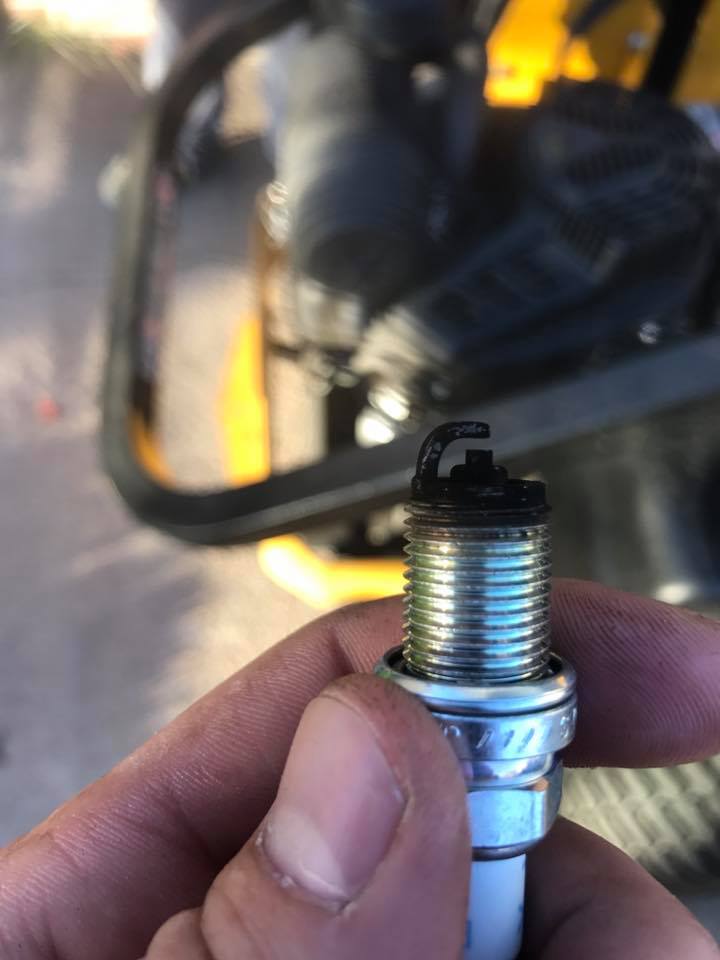
Keeping Your Mower Running Smoothly: The Spark Plug’s Role
Your lawn mower’s spark plug might seem like a tiny, insignificant part, but it plays a crucial role in how well your mower performs. Think of it as the ignition for your engine. Without a healthy spark plug, your mower simply won’t start or will run poorly. This guide will dive deep into everything you need to know about changing your lawn mower spark plug, making sure your equipment is always ready to tackle your lawn. We’ll cover when to change it, how to check it, and the benefits of keeping this component in top shape.
When to Replace Lawn Mower Spark Plug: Timing is Everything
Deciding when to replace your lawn mower spark plug isn’t just about hitting a certain number of hours; it’s also about recognizing the signs that it’s time for a change. Proactive maintenance is key to avoiding frustrating breakdowns during prime mowing season.
Your Lawn Mower Maintenance Schedule: A Proactive Approach
A good lawn mower maintenance schedule is your best friend for keeping your equipment in working order. This schedule should include regular checks and replacements of key parts. The spark plug is a prime candidate for this preventative care. Many manufacturers recommend checking or replacing the spark plug annually.
- Annual Check/Replacement: As a general rule, consider changing your spark plug at the beginning of each mowing season. This ensures you start with a fresh component, minimizing the risk of issues throughout the year.
- Hour Meter Tracking: If your mower has an hour meter, use it as a guide. Aim to replace the plug around the 25-50 hour mark. This is especially relevant for commercial mowers or for those who mow frequently.
- Seasonal Storage: Some people prefer to change the spark plug before storing their mower for the winter. This can help prevent moisture from corroding the plug while it’s not in use.
Factors Influencing Spark Plug Lifespan Lawn Mower
While the 25-50 hour guideline is a good starting point, several factors can affect how long your spark plug actually lasts:
- Fuel Quality: Using old or contaminated fuel can lead to carbon buildup on the spark plug, reducing its effectiveness.
- Engine Load: Constantly mowing thick, wet grass puts more strain on the engine and can cause the spark plug to wear out faster.
- Engine Maintenance: A poorly maintained engine, with issues like dirty air filters or clogged carburetors, can also impact spark plug health.
- Type of Plug: Different types of spark plugs (e.g., copper, platinum, iridium) have varying lifespans. While copper plugs are common and affordable, they typically need more frequent replacement than their platinum or iridium counterparts.
Signs of a Bad Lawn Mower Spark Plug: Listen to Your Engine
Your lawn mower will often tell you when its spark plug is failing. Paying attention to these symptoms can save you from a frustrating mowing experience.
- Difficulty Starting: If your mower is hard to start, requiring multiple pulls or turns of the key, a fouled or worn-out spark plug is a common culprit. The spark might be weak or intermittent.
- Rough Idling or Misfiring: An engine that sputters, runs unevenly, or misses when idling often indicates a problem with the spark plug’s ability to deliver a consistent spark.
- Loss of Power: If your mower seems to be losing power, especially when engaging the blades or going uphill, the spark plug might not be igniting the fuel mixture efficiently.
- Increased Fuel Consumption: A struggling spark plug can lead to incomplete combustion, meaning more fuel is used without producing the same amount of power. You might notice your mower is drinking more gas than usual.
- Visible Fouling or Damage: When you inspect the spark plug, you might see signs of wear and tear.
How to Check Lawn Mower Spark Plug: A Visual Inspection
Checking your lawn mower spark plug is a straightforward process that can be done at home.
Tools You’ll Need:
- Wrench or spark plug socket
- Wire brush or fine-grit sandpaper
- Clean rag
- Spark plug gap tool (optional, but recommended for precise adjustment)
Steps for Checking:
- Safety First: Ensure the mower engine is off and cool. Disconnect the spark plug wire to prevent accidental starting.
- Locate the Spark Plug: It’s usually a small, cylindrical metal part with a ceramic insulator, connected to a thick wire (the spark plug wire or boot).
- Remove the Spark Plug Wire: Gently pull the spark plug boot away from the plug. Avoid pulling the wire itself.
- Unscrew the Spark Plug: Use the appropriate wrench or spark plug socket to carefully unscrew the spark plug. Turn it counter-clockwise.
- Inspect the Spark Plug:
- Electrodes: Look at the tip of the spark plug, where the electrodes are. They should have a grayish-tan color.
- Fouling: Black, sooty deposits indicate a rich fuel mixture or oil burning. White or chalky deposits can suggest the engine is running too lean or overheating.
- Damage: Check for cracks in the ceramic insulator, worn-down electrodes, or signs of melting.
- Gap: The gap between the electrodes is crucial for a proper spark. Check your mower’s manual for the correct gap specification.
- Clean or Replace: If the plug is only lightly fouled, you can often clean it gently with a wire brush or fine-grit sandpaper. If it’s heavily fouled, damaged, or the electrodes look significantly worn, it’s time for a new one.
Replacing Lawn Mower Spark Plug: A Simple Tune-Up Task
Replacing a spark plug is one of the easiest DIY lawn mower maintenance tasks. It’s a core part of any effective lawn mower tune-up.
Choosing the Right Replacement Plug
Using the correct spark plug is vital. The wrong plug can cause poor performance, or even engine damage. Always consult your lawn mower’s owner’s manual for the recommended plug type and gap. The manual will specify:
- Spark Plug Model Number: This ensures compatibility.
- Correct Gap: This is crucial for efficient ignition.
You can usually find replacement spark plugs at hardware stores, auto parts stores, or garden equipment suppliers.
Step-by-Step Guide to Replacing the Spark Plug
- Ensure Safety: Confirm the engine is off and cool, and the spark plug wire is disconnected.
- Remove the Old Plug: As described in the “How to Check” section, use your wrench or socket to unscrew the old spark plug.
- Prepare the New Plug:
- Check the Gap: Use your spark plug gap tool to ensure the gap on the new plug matches the specification in your owner’s manual. Adjust gently if needed by bending the ground electrode.
- Clean Threads (Optional): Some people like to lightly clean the threads of the new plug with a wire brush.
- Install the New Plug:
- Hand-Tighten First: Carefully thread the new spark plug into the engine by hand. This helps prevent cross-threading, which can damage the engine’s cylinder head. Turn it clockwise until it’s snug.
- Final Tightening: Once hand-tight, use your wrench or socket to tighten it a bit more. The exact amount of tightening can vary, but a common recommendation is to tighten it about a quarter to a half turn after it’s seated. Over-tightening can damage the plug or the cylinder head. If your new plug comes with a crush washer, tighten it until the washer is compressed.
- Reconnect the Spark Plug Wire: Push the spark plug boot firmly back onto the new spark plug until it clicks into place. Ensure a secure connection.
- Test Your Mower: Start the engine to ensure it runs smoothly.
The Benefits of Regular Lawn Mower Maintenance
Keeping up with your lawn mower maintenance schedule goes beyond just the spark plug. A well-maintained mower is more reliable, efficient, and safer to operate.
Benefits of Spark Plug Replacement
- Easier Starting: A new plug ensures strong ignition, making your mower start quickly and with less effort.
- Improved Fuel Efficiency: Proper combustion means your mower uses less fuel, saving you money.
- Smoother Engine Operation: Eliminate sputtering, misfiring, and rough idling for a more consistent mowing experience.
- Reduced Emissions: Efficient combustion can lead to cleaner exhaust.
- Extended Engine Life: Regular maintenance, including spark plug changes, helps prevent premature wear and tear on the engine.
Spark Plug Replacement as Part of a Lawn Mower Tune-Up
Replacing the spark plug is often just one part of a comprehensive lawn mower tune-up. Other essential tune-up tasks include:
- Oil Change: Fresh oil lubricates the engine and helps keep it cool.
- Air Filter Cleaning/Replacement: A clean air filter ensures the engine gets enough air for optimal combustion.
- Blade Sharpening/Balancing: Sharp blades cut grass cleanly, promoting lawn health and reducing engine strain.
- Fuel System Check: Ensuring the fuel is fresh and the lines are clear prevents performance issues.
By integrating spark plug replacement into your routine lawn mower maintenance, you contribute to the overall health and longevity of your equipment.
Lawn Mower Engine Troubleshooting: When the Spark Plug Isn’t the Only Issue
While a faulty spark plug can cause many problems, it’s important to remember that lawn mower engine troubleshooting might involve other components. If changing the spark plug doesn’t resolve your mower’s issues, consider these possibilities:
- Fuel Issues: Stale fuel, a clogged fuel filter, or a dirty carburetor can all cause poor engine performance.
- Air Filter: A severely clogged air filter can starve the engine of air.
- Ignition Coil: The ignition coil provides the high voltage to the spark plug. If it’s faulty, the plug won’t receive power.
- Compression Issues: Low compression in the engine cylinder can prevent proper combustion.
- Governor Issues: The governor regulates engine speed and can malfunction.
If you’re unsure about troubleshooting, it’s always best to consult your owner’s manual or seek professional help.
Best Time to Change Lawn Mower Spark Plug: Strategic Season Prep
The best time to change lawn mower spark plug is strategically before you need it the most.
- Spring: As mentioned, the start of the mowing season is ideal. You get your mower ready for the heavy work ahead.
- Before Storage: Changing the plug before putting the mower away for winter can be beneficial. It removes a potentially fouled plug and allows you to start the next season with a clean slate.
- During Scheduled Maintenance: If you’re already performing an oil change or air filter replacement, it’s a convenient time to swap out the spark plug as well.
This proactive approach to regular lawn mower maintenance ensures your equipment is always in top condition.
Spark Plug Lifespan Lawn Mower: Understanding the Numbers
To reiterate, the average spark plug lifespan lawn mower is typically between 25 and 50 hours of operation. However, this is an estimate, and actual lifespan can vary based on the factors we’ve discussed. Think of it as a guideline rather than a strict rule. Some plugs may last longer, while others might need replacement sooner, especially under demanding conditions or if the mower isn’t maintained properly.
When to Replace Lawn Mower Spark Plug: Recap
- Annually: As part of routine preventative maintenance.
- 25-50 Hours of Use: Track usage if possible.
- When Signs of Failure Appear: Difficulty starting, rough running, loss of power.
- If Visually Damaged or Fouled: During your inspection.
Frequently Asked Questions (FAQ)
Q1: How do I know if my lawn mower spark plug is bad?
A1: You’ll often notice signs like difficulty starting, the engine sputtering or misfiring, a noticeable loss of power, or an increase in fuel consumption. A visual inspection revealing black soot, white deposits, or damaged electrodes also indicates a bad plug.
Q2: Can I use any spark plug in my lawn mower?
A2: No, it’s crucial to use the spark plug recommended by your lawn mower’s manufacturer. Check your owner’s manual for the correct model number and gap specification. Using the wrong plug can lead to poor performance or engine damage.
Q3: How do I gap a lawn mower spark plug?
A3: You’ll need a spark plug gap tool. Find the recommended gap in your owner’s manual. Carefully insert the tool to measure the space between the spark plug’s electrodes. If adjustment is needed, gently bend the ground electrode (the curved one) using the tool to widen or narrow the gap. Be very careful not to damage the center electrode.
Q4: What happens if I don’t change my lawn mower spark plug?
A4: If you don’t change your lawn mower spark plug when it’s worn out, you’ll likely experience increasingly difficult starting, a rougher running engine, reduced power, and poorer fuel efficiency. In severe cases, a damaged spark plug could potentially cause further engine problems.
Q5: How often should I clean my lawn mower air filter?
A5: The frequency of air filter cleaning or replacement depends on your mowing conditions. In dusty or dirty environments, you might need to check and clean it every 25 hours of use or monthly. In cleaner conditions, checking it once or twice a season may be sufficient. Always refer to your owner’s manual for specific recommendations.
By keeping your spark plug in good condition and following a consistent lawn mower maintenance schedule, you’ll ensure your mower starts easily, runs efficiently, and serves you well for many mowing seasons to come. This simple act is a cornerstone of effective regular lawn mower maintenance.