
When temperatures soar to 90 degrees Fahrenheit and above, your lawn needs extra attention to stay green and healthy. The simple answer to how often to water your lawn in 90-degree weather is that you’ll likely need to water more frequently, but the exact schedule depends on several factors. This guide will delve into the specifics of lawn watering schedule hot weather, helping you maintain a vibrant landscape even during the hottest days.
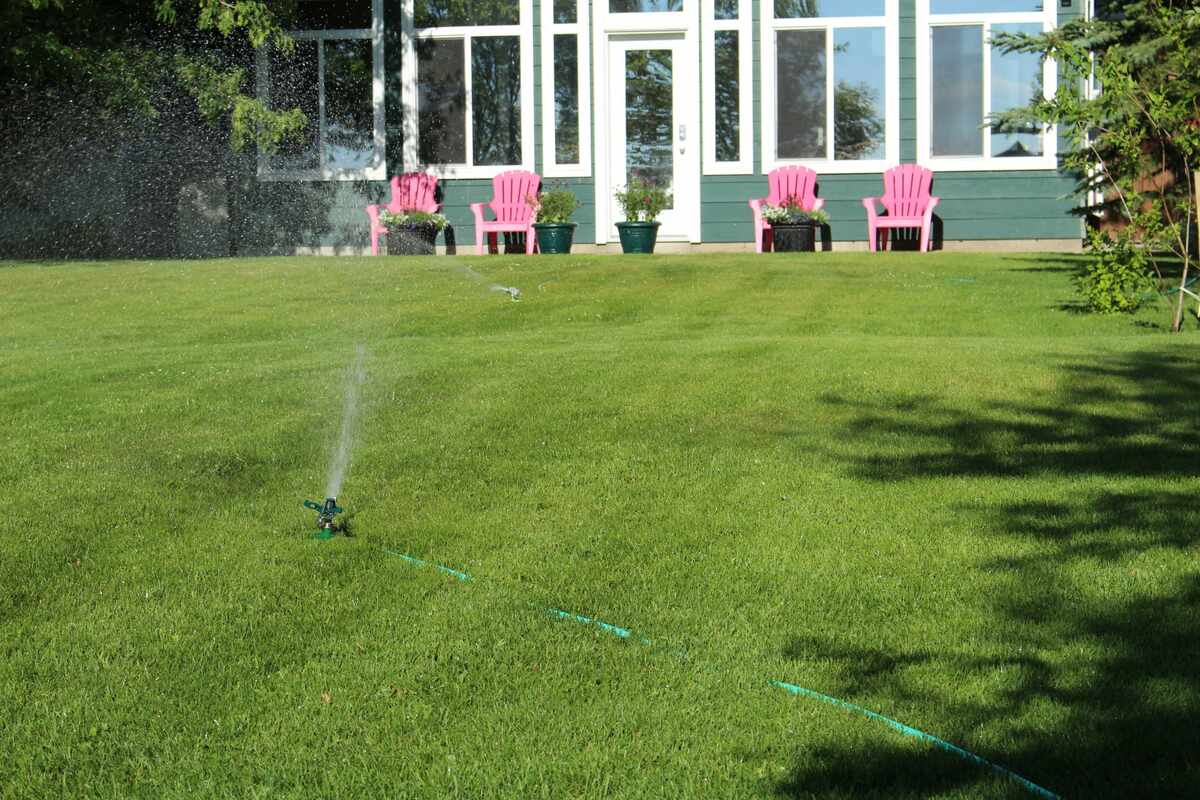
Image Source: www.lawnstarter.com
The Science of Thirst: Why Heat Demands More Water
Grass, like all plants, requires water to survive and thrive. During hot weather, especially when temperatures reach 90 degrees and beyond, the rate of evapotranspiration significantly increases. This is the combined process of water evaporating from the soil surface and water being released from the plant’s leaves (transpiration). When it’s hot, your grass is essentially “sweating” more, and the soil dries out faster due to the sun’s intense rays.
This increased demand means your lawn can dehydrate quickly. If not adequately hydrated, grass blades will start to wilt, turn a duller shade of green, and may eventually turn brown. Providing enough water is crucial to prevent this stress and maintain the health and appearance of your lawn.
Essential Factors Influencing Watering Needs
Before we establish a lawn watering schedule hot weather, it’s vital to consider several key factors that influence how much water your lawn needs:
- Grass Type: Different grass species have varying water requirements. Cool-season grasses like fescue and ryegrass tend to wilt faster in heat than warm-season grasses like Bermuda and Zoysia.
- Soil Type: Sandy soils drain water quickly, meaning they may need more frequent watering. Clay soils retain moisture longer but can become waterlogged if overwatered. Loam soils offer a good balance.
- Sun Exposure: Areas that receive full sun all day will dry out faster than shaded spots.
- Wind: Windy conditions increase evaporation, drying out both the soil and the grass blades more rapidly.
- Recent Rainfall: Natural rainfall reduces the need for supplemental watering.
- Lawn Age and Health: Established lawns are generally more drought-tolerant than newly seeded or sodded areas. A healthy lawn with a deep root system can access moisture more effectively.
Deciphering the Best Time to Water Your Lawn in 90-Degree Heat
The timing of your watering can be just as important as the amount of water you provide. The best time to water lawn 90 degrees is during the early morning hours.
Early Morning Watering: The Golden Rule
Watering between 4:00 AM and 10:00 AM is ideal for several reasons:
- Reduced Evaporation: Cooler temperatures and less direct sunlight mean less water is lost to evaporation. This ensures more water reaches the grass roots, where it’s needed most.
- Disease Prevention: Watering in the morning allows the grass blades to dry off throughout the day. Wet foliage overnight can create a favorable environment for fungal diseases to develop.
- Efficient Absorption: Grass actively absorbs water during its cooler, more active periods.
Evening Watering: A Cautionary Tale
While watering in the evening might seem like a good alternative, it’s generally less recommended during hot weather. Watering after 6:00 PM can leave grass blades wet for extended periods, increasing the risk of fungal infections. If you must water in the evening, ensure it’s done early enough in the evening to allow the grass to dry before nightfall.
Midday Watering: Generally Avoided
Watering during the hottest part of the day (10:00 AM to 6:00 PM) is the least efficient method. The majority of the water will evaporate before it can be absorbed by the grass roots. This wastes water and provides little benefit to your lawn.
How Much Water for Lawn in Heat: Aiming for Depth
When temperatures are consistently in the 90s, the question isn’t just about frequency, but also about depth. You need to know how much water for lawn in heat to apply. The goal is to encourage deep root growth, which makes your lawn more resilient to stress.
The Inch-Per-Week Guideline
A general rule of thumb for established lawns is to provide about 1 to 1.5 inches of water per week. However, in 90-degree weather, this might need to be split into multiple applications.
Checking for Soil Saturation
The best way to determine if you’ve watered enough is to check how deep the water has penetrated the soil.
- Tee Time Test: Place several empty tuna cans or similar containers on your lawn before watering. After the sprinkler has run, measure the depth of water in the cans. This tells you how much water your sprinkler is applying in a specific area.
- The Screwdriver Test: After watering, try to push a long screwdriver or a similar metal probe into the soil. If it goes in easily to a depth of 6 inches, you’ve likely watered sufficiently. If it’s difficult to push in, you may need to water longer or more frequently.
Adjusting for Hot Spells
During prolonged heatwaves, you might need to increase the total weekly water by 25% to 50%. Instead of one long watering session, it’s often better to split the total amount into two or three applications. For example, if your lawn typically needs 1 inch per week, in extreme heat, you might aim for 1.5 inches, delivered as three 0.5-inch waterings. This supports the deep watering lawn hot spells strategy.
Watering Frequency Drought Conditions: Strategic Application
When the weather is consistently hot and dry, you enter a phase of watering frequency drought conditions. This requires a more strategic approach than regular watering.
Signs of an Underwatered Lawn
It’s important to recognize the signs of underwatered lawn heat to act proactively:
- Color Change: Grass will lose its vibrant green color and may appear dull gray-green.
- Footprints Remain: When you walk on the lawn, the blades will not spring back quickly, leaving footprints that stay visible for a long time.
- Leaf Blade Curling: Individual grass blades may curl or fold lengthwise as they try to conserve moisture.
- Wilting: The most obvious sign is the general drooping or wilting of the grass blades, making the lawn appear generally unhealthy.
- “Blue-Gray” Hue: In severe cases, the lawn can take on a bluish-gray appearance.
Adapting Your Schedule
In 90-degree weather, especially during drought-like conditions, you may need to water every 2-3 days, rather than once a week. The goal is to keep the soil consistently moist but not waterlogged.
- Observation is Key: Don’t just rely on a rigid schedule. Observe your lawn for the signs of stress mentioned above. If you see them, it’s time to water.
- Split Applications: If you notice signs of wilting, it’s often better to water for shorter periods more frequently than to have one long, infrequent watering. This is another aspect of deep watering lawn hot spells, ensuring moisture is available without causing runoff.
Summer Lawn Watering Tips: Beyond the Basics
Mastering summer lawn watering tips goes beyond just frequency and depth. Consider these additional strategies for optimal lawn health during hot weather.
Aeration for Better Water Penetration
Aerating your lawn (creating small holes in the soil) before or during the summer can significantly improve water penetration. Compacted soil prevents water from reaching the root zone. Aeration breaks up this compaction, allowing water and nutrients to flow more freely.
Mulching Around Trees and Shrubs
While not directly for the lawn, mulching around trees and shrubs in your landscape helps retain soil moisture, reducing the need for supplemental watering in those areas. This also helps regulate soil temperature, benefiting root systems.
Monitor Your Sprinkler System
Ensure your sprinklers are working efficiently. Check for:
- Even Coverage: Are there dry spots or areas that are constantly soaked? Adjust sprinkler heads as needed.
- Leaks: Leaks in hoses or sprinkler heads waste water and reduce effectiveness.
- Obstructions: Are sprinkler heads blocked by debris or overgrown plants?
Watering Established Lawns Hot Weather Considerations
For watering established lawns hot weather conditions, focus on efficiency. Established lawns have deeper root systems and can tolerate slightly longer intervals between watering than new lawns. However, they still require adequate moisture to survive peak heat.
- Deep and Infrequent: The principle of deep watering is still paramount. Aim to soak the soil to a depth of 4-6 inches.
- Reduce Mowing Height Slightly (Carefully): Some experts suggest raising the mowing height slightly in extreme heat to provide more shade for the soil and roots. However, avoid cutting too short, as this can stress the grass. Never remove more than one-third of the grass blade at a time.
- Avoid Fertilizing in Extreme Heat: Applying fertilizer during a heatwave can further stress your lawn, as it encourages top growth without the necessary moisture to support it. Wait for cooler temperatures.
Supplemental Watering Lawn Heatwave: When Nature Isn’t Enough
A supplemental watering lawn heatwave becomes essential when natural rainfall is absent, and temperatures consistently exceed 90 degrees. This is when your irrigation system or hand watering plays a critical role.
Technology to Aid Watering
Consider using smart sprinkler controllers that adjust watering based on weather data, soil moisture sensors, or rain sensors to prevent overwatering and ensure efficient use of resources.
Rain Barrels and Water Conservation
During dry spells, consider installing rain barrels to collect rainwater for your lawn. This is a sustainable way to provide supplemental watering lawn heatwave events.
Understanding Watering Needs by Zone
If your lawn has different types of grass or varying sun exposure, you might need to adjust your watering schedule for different zones of your property. Areas with more sun or sandy soil will require more frequent watering.
Lawn Care in Extreme Heat: A Holistic Approach
Lawn care in extreme heat involves more than just watering. It’s about creating an environment where your grass can best cope with the stress.
Aeration and Dethatching
- Aeration: As mentioned earlier, aerating your lawn helps improve air, water, and nutrient circulation to the root zone. This is particularly beneficial in compacted soils and during hot weather.
- Dethatching: Excessive thatch (a layer of dead and living grass stems and roots) can prevent water from reaching the soil. If your thatch layer is more than half an inch thick, consider dethatching before the hottest part of summer. However, avoid dethatching during a severe heatwave, as it can add further stress.
Mowing Practices in Heat
- Mow High: Raise your mower’s cutting height. Taller grass blades shade the soil, keeping it cooler and reducing moisture loss. It also encourages deeper root growth.
- Sharp Mower Blades: Dull mower blades tear grass blades, causing more stress and increasing water loss. Keep your mower blades sharp.
- Avoid Mowing During Peak Heat: If possible, mow in the cooler parts of the day, early morning or late evening.
- Leave Grass Clippings: Unless the clippings are excessively long or clumpy, leaving them on the lawn can help retain moisture and provide a small amount of nutrients as they decompose.
Soil Health and Amendments
Healthy soil supports healthy grass. Consider a soil test to identify any nutrient deficiencies or pH imbalances that could be weakening your lawn. Applying a slow-release fertilizer in the spring and fall can help build soil health, but avoid heavy feeding during the peak of summer heat.
Summary Table: Watering Guide for 90-Degree Weather
To simplify, here’s a quick reference table for lawn watering schedule hot weather:
| Factor | Recommendation | Details |
|---|---|---|
| Frequency | Water 2-3 times per week, or as needed. | Monitor for signs of stress (wilting, color change). Adjust based on grass type, soil, and sun exposure. |
| Timing | Early morning (4 AM – 10 AM). | Minimizes evaporation, prevents disease. |
| Amount (Depth) | Aim for 1-1.5 inches total per week, split into multiple applications. | Water deeply to encourage 4-6 inch root penetration. Check with screwdriver test. |
| Grass Type | Cool-season grasses may need more frequent watering than warm-season grasses. | Research your specific grass type’s needs. |
| Soil Type | Sandy soils may require more frequent watering than clay or loam soils. | Observe soil moisture to avoid over or under-watering. |
| Signs of Stress | Wilting, footprints remaining, color change (dull green, bluish-gray). | Water immediately if you notice these signs. |
| Mowing | Mow high, keep blades sharp, avoid mowing during peak heat. | Taller grass shades soil, reducing evaporation. |
| Aeration/Dethatching | Aerate before or during summer; dethatch if thatch is over 0.5 inches (avoid during extreme heat). | Improves water penetration and nutrient uptake. |
Frequently Asked Questions (FAQ)
Q1: My lawn looks brown, but it’s only 85 degrees. Should I water it?
A: If your lawn is showing signs of stress like wilting or footprints remaining, even if the temperature isn’t quite 90 degrees, it might be time to water. Environmental factors like humidity, wind, and direct sun exposure can increase a lawn’s water needs even at slightly lower temperatures. Always monitor your lawn for signs of thirst.
Q2: Can I water my lawn at night?
A: It’s generally not recommended to water your lawn at night, especially during hot weather. While it might seem counterintuitive, watering late at night leaves the grass blades wet for an extended period, which can create a perfect environment for fungal diseases to thrive. If you must water in the evening, do so early enough for the grass to dry before nightfall.
Q3: How long should I run my sprinklers for deep watering?
A: The duration depends on your sprinkler system’s output and the soil type. A good general guideline is to run your sprinklers until you’ve applied about 0.5 inches of water per session for deep watering. Use the tuna can test or a screwdriver test to check soil penetration. For established lawns in 90-degree weather, you might water for 20-30 minutes per zone, then check the depth. You might need to repeat this a few times a week.
Q4: What if I have an automatic sprinkler system?
A: If you have an automatic system, ensure it’s programmed correctly for hot weather. Many smart systems can adjust watering based on local weather forecasts. If yours isn’t smart, you’ll need to manually adjust the schedule to provide more frequent, deep watering during the hot spells. Check your sprinkler heads regularly to ensure they are delivering water evenly and efficiently.
Q5: My lawn is newly seeded. How often should I water it in 90-degree heat?
A: Newly seeded lawns require constant moisture to germinate and establish. In 90-degree weather, you may need to water several times a day – for short durations – to keep the top layer of soil consistently moist. As the seeds begin to sprout and grow, you can gradually transition to longer, less frequent watering to encourage deeper root growth. Always check the soil’s moisture level.
By following these detailed guidelines and adapting your approach based on your specific lawn conditions, you can successfully navigate watering in 90-degree weather and maintain a lush, healthy lawn.