
When does lawn seed start to sprout, and how long does it take for a new lawn to grow? Lawn seed typically takes between 7 to 30 days to germinate and show visible growth, but a fully established lawn can take several weeks to months.
Growing a lush, green lawn from seed is a rewarding process, but it requires patience and proper care. Many factors influence how quickly your lawn seed will grow, from the type of grass seed you choose to the environmental conditions. This guide will delve into the timelines involved in growing grass from seed, from the initial germination time to lawn establishment. We’ll cover everything you need to know to get your new lawn off to a healthy start, including overseeding timelines, when to consider seed to sod conversion, the time to mow new grass, when to water new seed, and ideal conditions for lawn repair seeding and the best time to plant grass seed.
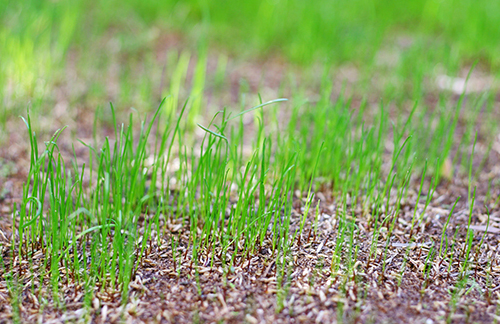
Image Source: www.thegrassmaster.com
Factors Affecting Grass Seed Growth
Several key elements play a crucial role in determining how long it takes for your grass seed to germinate and mature. Ignoring any of these can significantly slow down your progress or even lead to failure.
Grass Seed Type
Different grass species have varying germination time requirements. Cool-season grasses, like fescues and ryegrass, tend to germinate faster than warm-season grasses, such as Bermudagrass and Zoysia grass.
Cool-Season Grasses:
- Perennial Ryegrass: Often the fastest germinator, with visible sprouts in as little as 5-10 days under ideal conditions.
- Fine Fescues: Germination can take 7-21 days.
- Tall Fescue: Typically germinates in 7-21 days.
- Kentucky Bluegrass: Known for its slower germination, often taking 14-30 days or even longer. It needs consistent moisture and temperature.
Warm-Season Grasses:
- Bermudagrass: Can take 7-21 days, but often prefers warmer soil temperatures.
- Zoysia Grass: A slow starter, with germination taking 14-30 days, sometimes up to 45 days.
- Centipede Grass: Germination usually occurs within 14-28 days.
- St. Augustine Grass: Similar to Zoysia, it can take 14-28 days.
The seed tag or packaging will usually provide an estimated germination time for the specific grass blend. Mixing grass types in a blend can result in a staggered grass seed sprouting pattern.
Soil Temperature
Soil temperature is a critical factor for grass seed sprouting. Most grass seeds require a specific soil temperature range to germinate effectively.
- Cool-Season Grasses: Prefer soil temperatures between 50°F and 65°F (10°C to 18°C). This is why the best time to plant grass seed for these types is in the fall or early spring.
- Warm-Season Grasses: Need much warmer soil, typically between 70°F and 90°F (21°C to 32°C). This makes late spring and early summer the ideal planting times for them.
If the soil temperature is too low, the seeds will remain dormant. If it’s too high, they can be damaged or fail to sprout.
Moisture and Watering
Consistent moisture is vital for grass seed sprouting. The soil should be kept consistently moist, but not waterlogged.
- Initial Watering: After seeding, water the area lightly but thoroughly.
- Ongoing Watering: For the first few weeks, you’ll need to water daily, or even twice a day, especially in warm or windy weather. The goal is to keep the top inch of soil moist.
- Germination Phase: During germination, the emerging seedlings are very fragile. Overwatering can wash away seeds or lead to fungal diseases like damping-off. Underwatering will dry out the seeds and prevent them from sprouting.
The frequency and duration of watering will depend on your climate, soil type, and weather conditions.
Sunlight
Most grass varieties need sunlight to grow. While seeds themselves don’t require light to germinate, the seedlings do need sunlight for photosynthesis once they emerge.
- Full Sun: Many grass types thrive in full sun, which can also help warm the soil, promoting faster grass seed sprouting.
- Shade Tolerance: Some grasses, like certain fescues, are more shade-tolerant. However, even these will require some light to establish properly.
- Light After Sprouting: Once seedlings emerge, ensure they receive adequate sunlight. Heavy shade or dense overhead canopy can hinder growth.
Soil Quality and Preparation
Healthy soil is the foundation for a healthy lawn. Proper soil preparation before seeding is crucial for optimal grass seed sprouting and lawn establishment.
- Soil Testing: Test your soil’s pH and nutrient levels. Most grasses prefer a slightly acidic to neutral pH (6.0-7.0).
- Aeration: Aerating compacted soil allows water, air, and nutrients to reach the roots more easily.
- Topdressing: Adding a thin layer of compost or quality topsoil can improve soil structure and fertility.
- Raking: Loosen the top layer of soil and remove debris. This creates a good seedbed for the grass seed to make contact with the soil.
Weather Conditions
Beyond soil temperature, general weather conditions play a significant role.
- Temperature Fluctuations: Extreme temperature swings can stress young seedlings.
- Wind: Strong winds can dry out the soil and dislodge seeds.
- Rainfall: Gentle, consistent rainfall can be beneficial, but heavy downpours can wash away seeds.
The Timeline: From Seed to Sprout to Established Lawn
Growing grass from seed is a multi-stage process, each with its own timeline.
Stage 1: Seed Preparation and Planting
This is the initial step where you choose your seed and prepare the ground. The best time to plant grass seed depends on your climate and the type of grass.
- Fall: Generally considered the best time to plant grass seed for cool-season grasses. The soil is still warm enough for germination, but air temperatures are cooler, which is ideal for seedling growth. Weed pressure is also lower.
- Spring: The second-best time for cool-season grasses. However, you’ll need to contend with increasing weed competition as the weather warms.
- Late Spring/Early Summer: The ideal time for warm-season grasses when soil temperatures are consistently warm.
Stage 2: Germination and Initial Sprouting
This is the period when you first see green shoots appearing.
- Germination Time: As mentioned, this can range from 5 days for fast-germinating ryegrass to 30 days or more for slower varieties like Kentucky Bluegrass.
- Key to Success: Consistent moisture and appropriate soil temperatures are paramount during this phase. Without them, grass seed sprouting will be delayed or fail entirely.
Table 1: Estimated Germination Times for Common Grass Types
| Grass Type | Estimated Germination Time (Days) | Ideal Soil Temperature (°F / °C) |
|---|---|---|
| Perennial Ryegrass | 5-10 | 50-65°F / 10-18°C |
| Fine Fescue | 7-21 | 50-65°F / 10-18°C |
| Tall Fescue | 7-21 | 50-65°F / 10-18°C |
| Kentucky Bluegrass | 14-30+ | 50-65°F / 10-18°C |
| Bermudagrass | 7-21 | 70-90°F / 21-32°C |
| Zoysia Grass | 14-30+ | 70-90°F / 21-32°C |
| Centipede Grass | 14-28 | 70-90°F / 21-32°C |
| St. Augustine Grass | 14-28 | 70-90°F / 21-32°C |
Stage 3: Seedling Growth and Early Establishment
Once the seedlings emerge, they need time to develop a root system and become more robust.
- First Few Weeks: The grass will be very delicate. Continued consistent watering is essential, but you can gradually reduce the frequency as the seedlings grow taller.
- Shallow Watering: Keep watering shallowly to encourage surface roots. As the grass grows, you can deepen the watering to encourage stronger root development.
- Weed Competition: This is a critical period for weed control. Young grass is vulnerable to competition from weeds.
- Time to Mow New Grass: You can typically mow new grass when it reaches about 3-4 inches in height. Set your mower to a higher setting and only remove about one-third of the blade length. Never let the grass get too tall before its first mow, as this can create a thick thatch that inhibits growth.
Stage 4: Lawn Establishment
This is when your new lawn starts to look like a mature turf.
- Root Development: The grass needs several weeks to months to develop a strong, deep root system. This is crucial for drought tolerance and overall health.
- Full Lawn Establishment: For most grass types, lawn establishment can take anywhere from 4 to 8 weeks after germination for a basic cover, but a truly resilient and established lawn can take several months, even up to a year for some slower-growing varieties like Kentucky Bluegrass to fill in completely.
- Fertilization: A light feeding with a starter fertilizer (high in phosphorus) about 2-4 weeks after germination can help promote root growth and overall vigor.
- Traffic: Avoid heavy foot traffic on newly seeded areas until the lawn is well established.
Specific Scenarios and Timelines
Overseeding Timeline
Overseeding is the process of sowing grass seed into an existing lawn to improve its density and appearance. The timeline for overseeding is similar to initial seeding but often yields faster results because the existing turf provides some protection and shade for the new seeds.
- Preparation: Mow existing grass shorter, dethatch if necessary, and aerate.
- Seeding: Apply seed evenly.
- Germination: Expect grass seed sprouting within the typical 7-30 day window, depending on the grass type and conditions.
- Establishment: For overseeding, the lawn can usually be walked on lightly after about 2-3 weeks and will look noticeably thicker within 4-6 weeks. However, full lawn establishment for the overseeded areas will still take a few months.
Lawn Repair Seeding
When dealing with bare patches or thin areas, lawn repair seeding is the solution.
- Preparation: Rake out dead grass and debris from the bare spot. Loosen the soil.
- Seeding: Apply seed directly to the prepared soil.
- Watering: Keep the spot consistently moist.
- Germination: You’ll see grass seed sprouting within the usual timeframe.
- Integration: The goal is for the new grass to blend seamlessly with the existing lawn. This can take 4-8 weeks for the new grass to reach a similar height and density as the surrounding turf.
Seed to Sod Comparison
For those who need an instant lawn or want to bypass the lengthy germination and establishment phases of growing grass from seed, seed to sod conversion is an option. Sod is mature grass that has been grown and harvested from a nursery.
- Sod Installation: This can be done at any time the ground is not frozen.
- Instant Lawn: You have an established lawn immediately after installation.
- Rooting: The sod needs to root into the underlying soil, which typically takes 1-2 weeks. During this time, you must water regularly to keep the sod moist and encourage rooting.
- Cost: Sod is significantly more expensive than seed.
- Effort: While faster, laying sod can be labor-intensive.
If you’re choosing between seed and sod, consider your budget, desired timeline, and willingness to perform the necessary care for newly seeded areas.
Essential Care for New Grass Seed
Proper care is non-negotiable for successful lawn establishment.
Watering New Seed
When to water new seed is a common question. The answer is: frequently and gently.
- Initial Soak: After seeding, water the entire area thoroughly.
- Daily Moisture: For the first 1-2 weeks, the top half-inch to inch of soil must be kept consistently moist. This might mean watering once or twice a day, especially during dry or windy periods.
- Mist, Don’t Drown: Use a gentle spray to avoid dislodging seeds.
- After Sprouting: As the grass grows, you can gradually reduce watering frequency but increase the duration, encouraging deeper root growth. Aim to water deeply but less often once the grass is a few inches tall and begins to look established.
Fertilizing
A starter fertilizer is highly recommended when seeding.
- Timing: Apply immediately after seeding or just before. Many lawn seed mixes come pre-blended with a starter fertilizer.
- Benefits: Starter fertilizers are rich in phosphorus, which is crucial for root development, and nitrogen, which supports initial shoot growth.
- Subsequent Fertilization: Wait until the grass has been mowed a few times before applying a regular lawn fertilizer. Over-fertilizing young grass can burn the delicate seedlings.
Mowing New Grass
Knowing when to mow new grass is key to its long-term health.
- Height Trigger: Mow when the grass reaches approximately 3-4 inches tall.
- Blade Height: Set your mower to the highest setting.
- Clipping Removal: Never remove more than one-third of the grass blade at a time. For the first few mows, consider leaving the clippings on the lawn as they can act as a natural fertilizer.
- Blade Sharpness: Ensure your mower blades are sharp to avoid tearing the tender grass blades.
Weed Control
Weeds are a major threat to young grass.
- Prevention: Good soil preparation and proper watering can help the grass outcompete weeds.
- Manual Removal: For scattered weeds, pulling them by hand is often the best approach for newly seeded lawns, as herbicides can be too harsh.
- Herbicides: If a herbicide is necessary, choose one specifically labeled for use on new grass or newly seeded lawns, and always follow application instructions carefully.
Frequently Asked Questions (FAQ)
Q1: How long until I can walk on my new lawn?
You can usually walk on your new lawn lightly once the grass has germinated and is a few inches tall. Avoid heavy foot traffic or playing on it until it is well established (at least 4-6 weeks after germination).
Q2: My grass seed isn’t sprouting, what’s wrong?
Several factors could be at play:
* Soil Temperature: It might be too cold or too hot.
* Moisture: The soil may be too dry or waterlogged.
* Seed Depth: The seed might be planted too deep or not making good contact with the soil.
* Seed Viability: The seed may be old or have a low germination rate.
* Predation: Birds or other animals might be eating the seed.
Q3: When is the best time to plant grass seed in my region?
The best time to plant grass seed depends on your climate and the type of grass. Cool-season grasses are best planted in fall or early spring. Warm-season grasses are best planted in late spring or early summer when soil temperatures are consistently warm.
Q4: Can I use a regular lawn fertilizer on new seed?
It’s best to use a starter fertilizer specifically designed for new lawns. Regular fertilizers can be too strong for young seedlings and can cause damage. Wait until the grass has been mowed a few times before switching to a standard lawn fertilizer.
Q5: How much water does new grass seed need?
New seed needs consistent moisture. Keep the top inch of soil moist at all times, which may require watering once or twice a day, especially in warm weather. Reduce watering frequency as the grass grows taller, but water more deeply to encourage root growth.
Q6: How long does it take for a lawn to become fully established?
While you’ll see germination within weeks, full lawn establishment, meaning the grass has a robust root system and can withstand regular use and varying weather conditions, can take several months, and up to a year for some slower-growing, premium grasses to fill in completely.
By understanding the germination time, the needs of your specific grass type, and the importance of consistent care, you can successfully navigate the process of growing grass from seed and achieve a beautiful, healthy lawn. Patience and attention to detail are your greatest allies in this endeavor.