
Yellow weeds in your lawn can be a real nuisance. But what causes them, and how can you get rid of yellow lawn weeds effectively? Generally, yellow lawn weeds appear due to nutrient deficiencies, poor drainage, over or under-watering, or specific weed species that thrive in certain conditions. This guide will help you tackle these unwelcome visitors and restore your lawn’s healthy, green appearance.
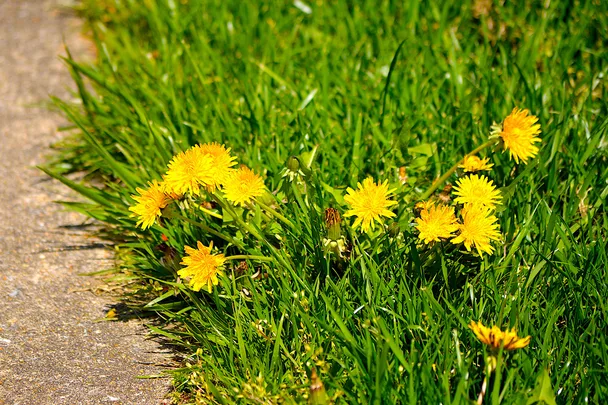
Image Source: api.photon.aremedia.net.au
Combating Yellow Lawn Weeds: A Comprehensive Approach
Dealing with yellow weeds requires a multi-pronged strategy. It’s not just about pulling them out; it’s about creating an environment where your grass can thrive and outcompete the weeds. This involves understanding the common culprits and implementing the right lawn care tips.
Identifying Common Yellow Lawn Weeds
Several types of weeds can present with yellow foliage or flowers. Knowing your enemy is the first step in effective lawn weed control.
- Dandelions: Perhaps the most recognizable yellow weed, dandelions have a bright yellow flower that turns into a fluffy seed head. They have deep taproots, making dandelion removal a bit challenging.
- Buttercups: These low-growing weeds have small, shiny yellow flowers and typically prefer moist, compacted soil.
- Yellow Oxalis (Yellow Woodsorrel): This weed looks like clover but has distinctive heart-shaped leaflets and small yellow flowers. It spreads aggressively.
- Chickweed: While often green, chickweed can sometimes appear yellowish, especially in stressed conditions. It forms a dense mat.
- Crabgrass: While primarily an annual grassy weed, crabgrass can sometimes have a yellowish or straw-like appearance as it matures, especially when it’s dying back. Effective crabgrass treatment is crucial.
- Clover: White clover, in particular, is a common lawn weed with three leaflets and white or sometimes yellowish-tinged flowers. Clover eradication can be done through various methods.
Why Do Weeds Turn Yellow?
Several factors can contribute to weeds, or even your grass, turning yellow:
- Nutrient Deficiency: Like grass, weeds need nutrients to grow. When the soil lacks specific nutrients, both grass and weeds can show yellowing. However, some weeds are more tolerant of poor nutrient conditions.
- Watering Issues: Overwatering can lead to root rot, causing yellowing. Underwatering causes stress, also resulting in yellowing.
- Soil Compaction: Compacted soil restricts root growth for grass, making it weaker and more susceptible to weeds. Some weeds, like buttercups, actually prefer compacted soil.
- Disease: Fungal diseases can affect both grass and weeds, causing yellowing patches.
- Mowing Height: Mowing too low stresses the grass, allowing weeds to gain a foothold and potentially exhibit yellowing.
- Specific Weed Biology: Some weeds naturally have yellow flowers or turn yellow as part of their life cycle.
Effective Lawn Weed Control Strategies
Achieving a weed-free, lush lawn involves consistent effort and the right approach to lawn weed control.
Manual Removal: The First Line of Defense
For small infestations or specific stubborn weeds, manual removal is a great starting point for natural weed removal.
- Dandelion Removal: Dandelions have a deep taproot. Use a dandelion weeder or a sturdy knife to dig around the root and pull it out completely. Doing this after rain makes it easier.
- Other Broadleaf Weeds: For weeds like yellow oxalis or clover, a trowel or a sharp spade can help loosen the soil and extract the entire plant, including the roots.
Pro Tip: Always wear gloves when removing weeds to protect your hands from sap and potential irritants.
Natural Weed Removal Methods
If you prefer to avoid chemicals, several natural weed removal techniques can be effective.
- Boiling Water: Pouring boiling water directly onto weeds can kill them. Be careful not to splash your desirable grass. This is best for weeds in cracks or on hard surfaces.
- Vinegar: Household vinegar (acetic acid) can burn the foliage of weeds. For stronger effects, use horticultural vinegar (higher acetic acid concentration). Apply it on a sunny, dry day. Be aware that vinegar is non-selective and can harm grass if it comes into contact.
- Corn Gluten Meal: This is a pre-emergent herbicide that can prevent weed seeds from germinating. It also adds nitrogen to the soil. Apply it in early spring before weed seeds sprout.
- Salt: Salt can kill weeds by dehydrating them. However, it can also damage your soil and kill grass. Use it very sparingly and only in areas where you don’t want anything to grow, like between paving stones.
Chemical Control: When and How to Use
Chemical weed killers, or broadleaf weed killer, can be very effective, but it’s essential to use them correctly.
Choosing the Best Weed Killer
The “best weed killer” depends on the type of weeds you have and your lawn’s grass type.
- Selective Herbicides: These target specific types of weeds (e.g., broadleaf weeds) without harming your lawn grass. Look for products labeled for your specific grass type (e.g., fescue, Bermuda, Kentucky bluegrass).
- Non-Selective Herbicides: These kill all plants they come into contact with, including your grass. Use these with extreme caution, spot-treating weeds only. Glyphosate is a common example.
- Pre-emergent Herbicides: Applied in spring, these prevent weed seeds from germinating. They are effective against annual weeds like crabgrass.
- Post-emergent Herbicides: Applied after weeds have emerged, these kill existing weeds.
Application Techniques
- Spot Treatment: This is the most environmentally friendly way to use chemicals. Apply the weed killer directly to the weed.
- Broadcast Application: This involves applying the weed killer over the entire lawn. Follow the product instructions carefully regarding dosage and application timing.
- Timing: Apply herbicides when weeds are actively growing and when the weather is favorable (usually calm, dry, and not too hot). Avoid applying before rain, as it can wash the product away.
Important Considerations for Chemical Use:
- Read the Label: Always read and follow the instructions on the product label. This includes safety precautions, application rates, and target weeds.
- Grass Type: Ensure the product is safe for your lawn’s grass type.
- Pet and Child Safety: Keep pets and children off the lawn until the herbicide has dried.
Tackling Specific Yellow Lawn Weeds
Let’s delve into strategies for common yellow lawn weeds.
Dandelion Removal Strategies
Dandelions are notoriously tough due to their deep taproots.
- Mechanical Removal: As mentioned, digging them out with a specialized tool is effective. Aim to get the entire root.
- Herbicides: Post-emergent broadleaf weed killers are effective against dandelions. Look for active ingredients like 2,4-D, MCPP, or dicamba. Multiple applications may be needed.
- Prevention: A healthy, dense lawn is the best defense against dandelions. Proper mowing, watering, and fertilization will help your grass outcompete them.
Crabgrass Treatment
Crabgrass is an annual weed that thrives in warm weather and germinates from seeds that overwintered in the soil.
- Pre-emergent Crabgrass Treatment: This is the most effective method. Apply a pre-emergent herbicide in early spring, before soil temperatures consistently reach 55-60°F (13-16°C). Common active ingredients include prodiamine, dithiopyr.
- Post-emergent Crabgrass Treatment: Once crabgrass has emerged and is actively growing, post-emergent herbicides can be used. These are often less effective than pre-emergent treatments and may require multiple applications. Look for products containing quinclorac or fenoxaprop-p-ethyl.
- Manual Removal: Small patches of crabgrass can be pulled by hand, ensuring you get the roots.
Clover Eradication Methods
Clover is a nitrogen-fixing plant, meaning it can actually help your lawn in some ways, but its aggressive growth can smother grass.
- Herbicides: Many broadleaf weed killers will control clover. Products containing triclopyr or dicamba are often effective. Clover is more susceptible to herbicides when it’s actively growing.
- Cultural Practices: Clover often thrives in lawns that are low in nitrogen. Improving your lawn’s fertility with a balanced fertilizer can help grass outcompete clover.
- Manual Removal: For small patches, clover can be dug out.
Promoting a Healthy Lawn: The Best Defense
The most effective long-term solution to yellow weeds is maintaining a healthy, dense lawn. This is the core of healthy lawn maintenance.
Proper Mowing Techniques
- Mow at the Correct Height: Each grass type has an ideal mowing height. Taller grass shades out weed seeds, preventing them from germinating. Never remove more than one-third of the grass blade at a time.
- Keep Mower Blades Sharp: Dull blades tear grass, making it susceptible to disease and stress. Sharp blades make clean cuts.
- Mulch Clippings: Leaving grass clippings on the lawn (mulching) returns valuable nutrients to the soil.
Watering Wisely
- Deep and Infrequent Watering: Water deeply enough to moisten the soil several inches down. This encourages deep root growth.
- Water in the Morning: Watering in the morning allows the grass to dry before nightfall, reducing the risk of fungal diseases.
- Avoid Overwatering: Soggy soil can lead to root rot and create conditions favorable for some weeds.
Fertilizing for a Strong Lawn
- Soil Testing: A soil test will tell you exactly what nutrients your lawn needs.
- Balanced Fertilization: Use a fertilizer appropriate for your grass type and the season. Fertilize at the right times of year to support healthy growth.
- Avoid Over-Fertilizing: Too much fertilizer can burn the grass and encourage weed growth.
Aeration and Dethatching
- Aeration: This process removes small plugs of soil, allowing air, water, and nutrients to reach the roots. It’s especially beneficial for compacted soils.
- Dethatching: Thatch is a layer of dead grass and organic matter that builds up on the soil surface. A thick thatch layer can prevent water and nutrients from reaching the roots and can harbor pests and diseases. Dethatch when the thatch layer exceeds ½ inch.
Creating a Weed-Resistant Lawn: Long-Term Healthy Lawn Maintenance
Focusing on healthy lawn maintenance is key to preventing future weed problems.
Overseeding
- Fill in Bare Spots: Overseeding your lawn in the fall or spring with a high-quality grass seed can help fill in thin areas where weeds tend to take hold.
- Choose the Right Seed: Select a grass seed variety that is well-suited to your climate and lawn conditions.
Soil Health
- Amend Soil: Regularly adding organic matter, such as compost, can improve soil structure, drainage, and nutrient retention, creating a more robust environment for grass.
- pH Balance: Test your soil’s pH. Most grasses prefer a slightly acidic to neutral pH (6.0-7.0). Adjustments can be made with lime (to raise pH) or sulfur (to lower pH).
Summary Table: Yellow Weed Control Methods
| Weed Type | Manual Removal | Natural Methods | Chemical Methods (Broadleaf Weed Killer) | Prevention/Cultural Practices |
|---|---|---|---|---|
| Dandelions | Dig out taproot thoroughly. | Boiling water (spot treatment), vinegar (spot treat). | Post-emergent broadleaf weed killer (2,4-D, MCPP). | Maintain healthy, dense turf; mow higher; proper fertilization. |
| Buttercups | Pull out by the roots. | Avoid overwatering. | Broadleaf weed killer. | Improve drainage; avoid soil compaction; maintain healthy turf. |
| Yellow Oxalis | Dig out entire plant with roots. | Vinegar (spot treat). | Post-emergent broadleaf weed killer. | Maintain a healthy, dense lawn; proper fertilization. |
| Crabgrass | Pull young plants, get roots. | N/A (primarily addressed by prevention). | Pre-emergent (prodiamine, dithiopyr) in spring; Post-emergent (quinclorac). | Apply pre-emergent herbicides before germination; maintain dense turf. |
| Clover | Dig out with roots. | Improve lawn fertility (less clover prefers less N). | Broadleaf weed killer (triclopyr, dicamba). | Fertilize appropriately to boost grass growth; avoid mowing too short. |
Frequently Asked Questions (FAQ)
Q1: Can I just pull all the yellow weeds I see?
Yes, pulling yellow weeds is a great start, especially for smaller infestations and for weeds with taproots like dandelions. However, for widespread problems or persistent weeds, you might need to combine pulling with other lawn care tips or targeted weed control methods.
Q2: Is there a natural weed killer that works on all yellow weeds?
While natural methods like vinegar and boiling water can kill most weeds on contact, they are generally non-selective and can harm your grass. There isn’t one “natural weed killer” that is universally effective and safe for all lawn types for all yellow weeds without careful application. Corn gluten meal acts as a pre-emergent, preventing seeds from germinating.
Q3: When is the best time to apply broadleaf weed killer?
The best time to apply broadleaf weed killer is when the weeds are actively growing. For most broadleaf weeds, this is in the spring as they emerge or in the fall as they prepare for winter. Always check the product label for specific timing recommendations and ensure temperatures are within the recommended range (usually between 60-85°F or 15-30°C). Avoid applying before rain or strong winds.
Q4: Why is my lawn turning yellow in patches, and how is it related to yellow weeds?
Patches of yellow in your lawn can indicate various issues, including nutrient deficiencies, over/underwatering, disease, or insect pests. If these stressed areas are not a healthy, dense turf, they become ideal spots for yellow weeds to establish. Conversely, some weeds themselves can have yellowing foliage or flowers. Addressing the underlying cause of the yellowing and promoting strong grass growth is crucial for both lawn health and weed control.
Q5: How do I prevent yellow weeds from coming back next year?
Consistent healthy lawn maintenance is the best prevention. This includes:
* Proper mowing: Mow at the correct height and keep blades sharp.
* Adequate watering: Water deeply and infrequently.
* Timely fertilization: Feed your lawn with the right nutrients at the right times.
* Aeration and Dethatching: Improve soil structure and reduce thatch buildup.
* Overseeding: Fill in thin spots with new grass seed.
* Pre-emergent application: Use pre-emergent herbicides in the spring to prevent annual weeds like crabgrass.
By following these comprehensive lawn care tips, you can effectively get rid of yellow weeds and cultivate a lush, green, and healthy lawn.