
So, you’re wondering, “How much does it cost to relay a lawn?” The answer is it varies, but you can expect to spend anywhere from $0.50 to $3.50 per square foot for sod, plus additional costs for installation and preparation. This guide will break down all the expenses involved in giving your yard a fresh start in 2024.
A new lawn can transform your outdoor space, making it more enjoyable for family and friends. Whether your current lawn is patchy, full of weeds, or just plain worn out, laying new sod or using other methods like seeding or hydroseeding can be a great solution. But before you dig in, it’s essential to know the costs. We’ll cover everything from the price of grass itself to the labor involved and any extra bits and bobs you might need.
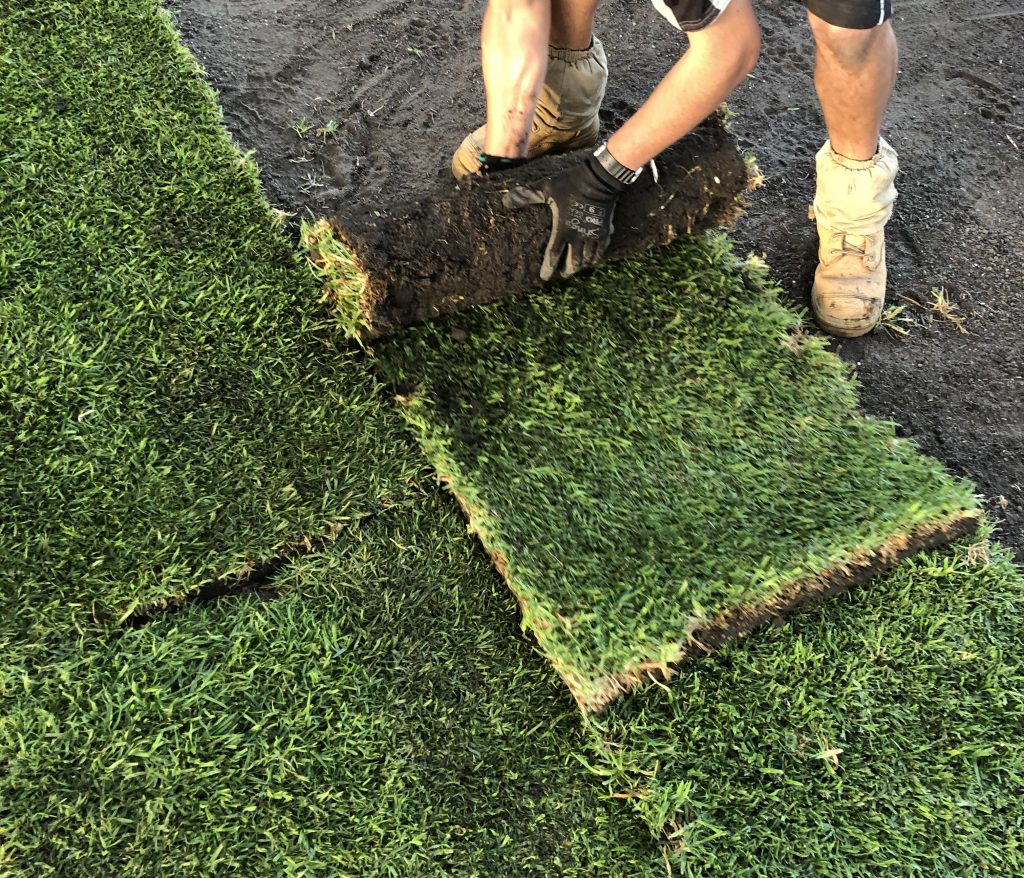
Image Source: www.myhometurf.com.au
Fathoming Your Lawn’s Transformation Costs
When you decide to give your lawn a makeover, there are several paths you can take. Each comes with its own set of expenses. We’ll explore the most common methods: laying sod, lawn seeding, and hydroseeding.
The Price of Sod: More Than Just Grass
Sod is essentially a ready-made lawn. It comes in rolls or squares, with grass and soil held together by roots. Laying sod is the quickest way to get a beautiful, mature-looking lawn.
Sod Cost Per Square Foot
The sod cost can differ based on the type of grass, the quality, and where you buy it. Generally, you’re looking at:
- Basic Grass Types (e.g., Kentucky Bluegrass, Fescue blends): $0.50 – $1.25 per square foot.
- Premium Grass Types (e.g., Zoysia, Bermuda): $1.00 – $2.00 per square foot.
- Specialty or Designer Sod: Can be $2.00 – $3.50+ per square foot.
Keep in mind these are just for the sod itself. Delivery charges can add to the total.
Factors Influencing Sod Prices
Several things can nudge the average cost to sod a lawn up or down:
- Grass Variety: As mentioned, some grasses are more expensive to grow and maintain.
- Sod Quality: Thicker, denser sod with a strong root system will cost more.
- Season: Prices might be slightly higher during peak growing seasons (spring and early fall).
- Quantity: Buying in bulk might offer a small discount, but for most homeowners, it’s less of a factor.
- Delivery Location: Proximity to the sod farm impacts delivery fees.
Turf Installation Cost: Bringing Your New Lawn to Life
The turf installation cost includes not just the sod but also the labor and materials needed to get it in the ground. This is where the price can really add up.
Breakdown of Installation Expenses
When hiring professionals, the cost of laying sod typically includes:
- Site Preparation: This is crucial for a healthy new lawn. It might involve removing old grass and weeds, tilling the soil, grading for proper drainage, and adding topsoil or amendments. This can cost anywhere from $0.25 to $1.50 per square foot.
- Sod Delivery: Fees vary, but expect $100 – $300+ depending on distance and quantity.
- Labor for Laying Sod: This is usually charged by the square foot. Expect $1.00 to $2.50 per square foot for professional installation. This includes cutting, fitting, and rolling the sod.
- Fertilizer and Soil Amendments: Essential for new sod to establish roots. Costs can range from $0.10 to $0.50 per square foot.
- Watering: While not a direct installation cost, you’ll need to water frequently.
DIY vs. Professional Installation
- DIY: If you plan to lay the sod yourself, you’ll save on labor costs. However, you’ll need to rent equipment like tillers and edgers, which can add up. Site prep is also more physically demanding.
- Professional: Hiring a landscaping company ensures the job is done right, with proper preparation and efficient installation. This offers convenience and peace of mind, but at a higher price.
Lawn Seeding: The Budget-Friendly Alternative
Lawn seeding cost is generally much lower than sodding, making it a popular choice for budget-conscious homeowners.
Seed Cost Per Square Foot
- Seed Mix: Depending on the grass type and quality, seed can cost $0.05 to $0.30 per square foot.
- Premium or Specialty Seeds: May range from $0.30 to $0.70 per square foot.
Seeding Installation Costs
- Site Preparation: Similar to sodding, good preparation is key. Costs for tilling, grading, and soil amendments are comparable, roughly $0.25 to $1.50 per square foot.
- Seed Spreading: You can rent a spreader or hire a service. DIY spreader rental might be $50-$100 for a day. Professional application can be $0.10 to $0.30 per square foot.
- Fertilizer: Essential for seed germination and early growth. Expect $0.10 to $0.40 per square foot.
- Mulch or Straw (Optional but Recommended): Helps retain moisture and protect seeds. Costs about $0.05 to $0.20 per square foot.
Important Note: Seeding takes time. You won’t have a mature lawn overnight. It can take several weeks for seeds to germinate and months for the lawn to fill in properly. You’ll also need to water meticulously.
Hydroseeding: A Blend of Speed and Savings
Hydroseeding cost falls somewhere between sodding and traditional seeding. It involves spraying a slurry of seed, mulch, fertilizer, and water onto the prepared soil.
Hydroseeding Cost Breakdown
- Slurry Materials: The cost of the seed, mulch, fertilizer, and tackifiers in the mix is usually included in the per-square-foot price.
- Application: The specialized equipment and labor for hydroseeding typically cost $0.20 to $0.75 per square foot.
Hydroseeding offers faster results than traditional seeding because the mulch helps protect the seed and retain moisture, leading to quicker germination. However, it still requires time for the grass to mature.
Overseeding: Patching Up Your Existing Lawn
Cost to overseed a lawn is usually the most affordable option if your existing lawn is mostly healthy but has thin spots or bare patches. This involves spreading grass seed over an established lawn.
Overseeding Expenses
- Seed Cost: $0.05 to $0.30 per square foot, similar to basic lawn seeding.
- Preparation: Might involve dethatching or aerating your lawn first to allow the seed to reach the soil. Aeration can cost $0.15 to $0.40 per square foot.
- Application: Using a spreader yourself is cheapest. Professional overseeding services can add $0.10 to $0.30 per square foot.
- Fertilizer: $0.10 to $0.30 per square foot.
Overseeding is a great way to improve density and color without a full renovation.
Comprehending the Total Lawn Renovation Cost
When you’re thinking about a complete overhaul, it’s often referred to as lawn renovation cost. This encompasses all the steps involved in replacing an old lawn with a new one, whether through sod, seed, or hydroseed.
Factors Affecting the Overall Price
Beyond the methods of grass establishment, several other factors influence the final bill:
Site Preparation Details
The condition of your existing lawn and soil is a major cost driver.
- Existing Lawn Removal: If you have dense, established weeds or thick old grass, removal can add to the cost. This might involve chemical treatment (an additional $50-$100) or physical removal.
- Soil Testing: Highly recommended to determine pH and nutrient levels. Lab tests are usually $20-$50.
- Soil Amendment: Adding compost, topsoil, or specific nutrients based on your soil test. This can add $0.10 to $1.00 per square foot.
- Grading and Drainage: If your yard has significant slopes or drainage issues, you might need to pay for professional grading, which can be a few hundred to over a thousand dollars.
- Weed and Pest Control: Treating existing problems before installing new grass is vital.
Labor Costs: The Human Element
As we’ve seen, labor is a significant part of the turf installation cost.
- Hourly Rates: Landscapers often charge $50-$100 per hour per worker.
- Project-Based Pricing: Many companies will give you a flat quote for the entire job.
Additional Materials and Services
- Edging: For a clean look, you might want new edging around garden beds or pathways.
- Irrigation System: Installing or adjusting sprinklers can be a substantial extra cost ($500-$3,000+).
- Landscaping Design: If you’re redesigning your yard layout as well, expect additional design fees.
- Tools and Equipment Rental: If you go the DIY route, factor in rental costs for tillers, aerators, spreaders, and sod cutters ($50-$200 per item per day).
Deciphering Prices for Different Lawn Sizes
The total cost will naturally increase with the size of your yard. Let’s look at some estimated costs for common lawn sizes.
Example Cost Scenarios
Here are some hypothetical costs for a 1,000 sq. ft. lawn, assuming professional installation:
| Method | Sod Cost (per sq ft) | Installation (per sq ft) | Prep & Amendments (per sq ft) | Total (per sq ft) | Estimated Total (1000 sq ft) |
|---|---|---|---|---|---|
| Sodding | $0.75 | $1.50 | $0.50 | $2.75 | $2,750 |
| Seeding | $0.15 | $0.20 (spreading) | $0.75 | $1.10 | $1,100 |
| Hydroseeding | N/A (seed cost incl) | $0.45 | $0.55 | $1.00 | $1,000 |
| Overseeding | $0.15 (seed) | $0.20 (spreading) | $0.30 (aeration/fertilizer) | $0.65 | $650 |
Note: These are rough estimates and can vary significantly.
Larger Lawns Mean Higher Overall Cost
For a 5,000 sq. ft. lawn, the costs would scale up:
- Sodding: Could range from $10,000 to $17,500.
- Seeding: Might cost $4,000 to $7,000.
- Hydroseeding: Could be around $4,000 to $7,000.
- Overseeding: Might be $2,000 to $4,000, depending on how much of the lawn needs it.
Smaller Lawns for More Precise Budgeting
For a small 200 sq. ft. patch:
- Sodding: Could cost $550 to $1,300.
- Seeding: Might be $220 to $600.
- Hydroseeding: Could be $200 to $500.
- Overseeding: Might be $130 to $300.
It’s important to get quotes for your specific yard size and needs.
Interpreting Quotes and Finding the Best Value
When you’re ready to get estimates, be prepared and ask the right questions.
What to Expect in a Quote
A good quote for lawn renovation cost should include:
- Detailed breakdown of costs (sod/seed, preparation, labor, materials).
- Type of grass or seed being used.
- Scope of work for site preparation.
- Timeline for completion.
- Warranty information (if any).
- Payment terms.
Getting Multiple Estimates
It’s always wise to get at least three quotes from different reputable landscaping companies. This helps you:
- Compare pricing for the same scope of work.
- Gauge the professionalism and thoroughness of each company.
- Identify any unusually high or low bids, which might warrant further investigation.
Weighing the Cost Against Benefits
Consider the long-term value of each option.
- Sod: Immediate results, great for high-traffic areas or when you want instant curb appeal. The higher upfront cost can be worth it for the speed and maturity.
- Seeding: Cheapest option, but requires patience and diligent care. Good for large areas on a tight budget.
- Hydroseeding: Offers a good balance of speed and cost, especially beneficial in erosion-prone areas.
Lawn Replacement: The Cost to Re-sod a Lawn vs. Other Methods
When your existing lawn is beyond repair, cost to re-sod a lawn is a common consideration. This is essentially starting over.
Re-sodding Costs
The cost to re-sod a lawn will be similar to the initial sod installation costs we’ve discussed. You’ll need to factor in the removal of the old sod, which can add a bit to the preparation phase.
- Removal of Old Sod: This might involve machinery to scrape off the old turf and roots. Expect this to add $0.20 to $0.75 per square foot to your preparation costs.
- New Sod: Standard pricing applies, as detailed earlier.
- Installation: Standard installation pricing.
Other Replacement Options
If you’re looking for alternatives to re-sodding, consider:
- Full Lawn Seeding: As outlined, this is a more budget-friendly but time-consuming alternative.
- Full Lawn Hydroseeding: A good middle ground for a full replacement.
Maintaining Your New Lawn: Ongoing Costs
Once your new lawn is in, the expenses don’t completely stop. Proper maintenance is key to its longevity.
Watering Needs
- Establishment: New lawns, especially sod and seed, require frequent watering for the first few weeks. This will increase your water bill.
- Ongoing: Regular watering depends on your climate, grass type, and rainfall.
Mowing and Fertilizing
- Mowing: You’ll need a mower. If you don’t have one, consider the cost of purchase or hiring a mowing service.
- Fertilizing: Regular fertilization ($0.05-$0.20 per sq ft per application, 2-4 times a year) is essential for health and color.
- Weed and Pest Control: Ongoing treatments might be necessary.
Aeration and Dethatching
Periodically, your lawn will benefit from aeration and dethatching to improve soil health and prevent thatch buildup. These services typically cost $0.15 to $0.40 per square foot.
Frequently Asked Questions About Lawn Relaying Costs
Q: Is it cheaper to sod or seed a lawn?
A: Generally, lawn seeding cost is significantly cheaper upfront than sodding. However, sod provides an instant lawn, saving you time and the potential costs associated with slow establishment or initial weed issues that can sometimes plague seeded lawns.
Q: How much does sod cost per pallet?
A: The cost per pallet of sod varies by grass type and region. A typical pallet covers about 400-500 square feet. You might expect to pay $150-$300 per pallet for common grass varieties, not including delivery.
Q: Can I relay a lawn myself?
A: Yes, you absolutely can relay a lawn yourself if you’re willing to put in the effort. This will save you on labor costs, but you’ll need to factor in equipment rentals and your time for site preparation and installation.
Q: What is the best time of year to relay a lawn?
A: The best time to relay a lawn is typically in the fall (late August to October) or spring (mid-March to May). These seasons offer cooler temperatures and more consistent moisture, which are ideal for grass establishment, whether you choose sod, seed, or hydroseed.
Q: How long does it take for sod to establish?
A: Sod typically establishes roots within 2-4 weeks with proper watering. You can start walking on it lightly after about a week. Seeded lawns take longer, with germination in 7-21 days and a mature lawn taking several months.
By carefully considering these costs and options, you can make an informed decision to transform your yard into the lush, green space you’ve always wanted.