
Can you put wood ash on your lawn? Yes, you can, but it’s important to do it correctly. Wood ash can be a valuable amendment for your lawn, offering several benefits when applied thoughtfully. This guide will walk you through everything you need to know about wood ash lawn application, ensuring you use it safely and effectively to improve your turf.
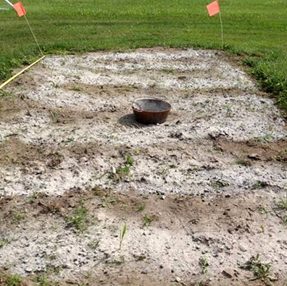
Image Source: hort.extension.wisc.edu
The Perks of Wood Ash for Your Grass
Using fireplace ash on your lawn isn’t just about disposal; it’s about leveraging natural resources for a healthier yard. The benefits of wood ash on grass are numerous and contribute to overall lawn vitality.
Improving Soil pH
One of the primary advantages of applying wood ash is its ability to raise soil pH. Most soils in many regions tend to become acidic over time, especially with the use of certain fertilizers. Grass thrives in a slightly acidic to neutral pH range, typically between 6.0 and 7.0. When soil becomes too acidic, it can hinder nutrient availability to the grass roots, leading to weaker growth and increased susceptibility to pests and diseases.
Wood ash is alkaline due to its high content of calcium carbonate and other minerals. When added to acidic soil, it acts as a natural liming agent. This makes wood ash for soil pH adjustment a popular and eco-friendly choice. By neutralizing excess acidity, wood ash helps unlock essential nutrients in the soil, making them more accessible for grass to absorb. This can lead to greener, lusher growth and improved overall health.
Nutrient Content
Beyond pH adjustment, wood ash also contains valuable nutrients that can benefit your lawn. While it’s not a complete fertilizer in the traditional sense, it provides several micronutrients and macronutrients that are crucial for plant health.
- Calcium: This is a major component of wood ash and is vital for cell wall structure, root development, and nutrient uptake in grass.
- Potassium: Wood ash is a good source of potassium, which is essential for strong root systems, disease resistance, and drought tolerance.
- Phosphorus: While present in smaller amounts, phosphorus plays a key role in energy transfer and early growth.
- Trace Minerals: Wood ash can also contain small amounts of magnesium, iron, manganese, zinc, and boron, all of which are important for various plant functions.
While these nutrients are beneficial, it’s important to remember that the exact composition of wood ash can vary depending on the type of wood burned and the burning process. Therefore, it’s best not to rely solely on wood ash as your lawn’s primary nutrient source. Think of it as a beneficial supplement.
Potential for Disease Prevention
A healthy lawn is a lawn that can naturally fight off diseases. By improving soil conditions and providing essential nutrients, preventing grass disease with wood ash can be an indirect benefit. A balanced soil pH ensures that the grass can absorb the nutrients it needs to build a strong defense system. Potassium, in particular, is known to enhance a plant’s resilience against fungal diseases and environmental stresses like heat and drought.
A Natural Alternative to Lime
For homeowners looking for natural ways to amend their soil, lime substitute for lawn is a common search term. Wood ash serves as an excellent natural lime substitute. Traditional lime (calcium carbonate or dolomitic lime) is used to raise soil pH. Wood ash provides a similar effect, along with the added bonus of supplying beneficial minerals. It’s a cost-effective and sustainable option for those aiming for organic lawn care.
What Kind of Wood Ash is Safe for Your Lawn?
Not all wood ash is created equal, and using the wrong type can be detrimental. Safe wood ash for gardens and lawns primarily comes from untreated, natural hardwoods.
What to Burn for Lawn Ash
- Hardwoods: Ash from hardwoods like oak, maple, ash (ironically!), and fruit trees is generally the best. These woods burn cleaner and produce ash that is rich in beneficial minerals.
- Clean Burning: Ensure the wood burned was seasoned (dried for at least six months) and free from mold or rot.
What to Avoid
- Treated or Painted Wood: Never use ash from wood treated with chemicals, preservatives, or paints. These can introduce toxic substances into your soil, harming your grass, beneficial soil organisms, and even pets or children.
- Manufactured Logs or Briquettes: Ash from compressed wood products, charcoal briquettes, or treated fire logs often contains chemical binders or accelerants that are harmful to your lawn.
- Coal Ash: Ash from burning coal is highly acidic and contains heavy metals and sulfur compounds, which are toxic to plants and should never be used on your lawn or in your garden.
- Sawdust or Particleboard: Ash from these materials can contain glues and resins that are not beneficial for soil health.
- Trash: Never burn trash or plastic in your fireplace or wood stove if you intend to use the ash for your lawn.
Identifying Safe Ash
Safe wood ash will typically be a fine, gray powder. It should not contain any large, unburned chunks of wood or debris. If you’re unsure about the source of the wood burned, it’s best to err on the side of caution and avoid using the ash.
How Much Wood Ash to Put on Lawn?
Determining how much wood ash to put on lawn is critical. Over-application can be just as harmful as under-application. Too much ash can drastically raise the soil pH, making it too alkaline for grass to thrive and potentially “burning” the lawn.
General Guidelines for Application Rates
The amount of wood ash to apply depends on your soil’s current pH, the type of grass you have, and the severity of the acidity. As a general rule of thumb:
- For slight to moderate acidity (pH 5.5 – 6.0): Apply about 10-20 pounds of wood ash per 1,000 square feet.
- For more acidic soils (pH below 5.5): You might be able to go up to 30-50 pounds per 1,000 square feet, but it’s crucial to test your soil first and apply in smaller amounts over time.
Always conduct a soil test before applying wood ash. This is the most accurate way to determine your soil’s pH and nutrient levels, and to calculate the precise amount of ash needed. You can purchase DIY soil testing kits from garden centers or send a sample to your local cooperative extension office for a more detailed analysis.
How to Calculate Ash Needed
If your soil test indicates a need for liming, your extension office report might provide specific lime recommendations. You can often substitute wood ash for agricultural lime on a roughly 2:1 basis (i.e., you’ll need about twice as much wood ash as lime to achieve a similar pH adjustment), but this can vary.
Example: If your soil test recommends 50 lbs of lime per 1,000 sq ft, you might start with 100 lbs of wood ash per 1,000 sq ft. However, it’s safer to start with less and re-test.
Spreading Safely
- Thin Layer: Aim for a thin, even layer across the lawn.
- Avoid Piles: Never dump large piles of ash in one spot.
Best Time to Spread Wood Ash on Lawn
Timing is important for maximizing the benefits of wood ash lawn application. The best time to spread wood ash usually coincides with periods when your lawn can benefit most from soil conditioning and nutrient supplementation, and when the ash is less likely to cause immediate harm.
Ideal Seasons
- Late Fall or Early Spring: These are generally the best times to apply wood ash.
- Late Fall: After the grass has stopped actively growing but before the ground freezes, applying ash allows it to slowly break down and interact with the soil over the winter. This minimizes the risk of burning the grass and allows the minerals to integrate into the soil.
- Early Spring: As the ground thaws and before the grass begins its vigorous spring growth is another good time. This helps prepare the soil for the upcoming growing season.
- During Dormancy: Applying ash when the grass is dormant (like in late fall) is ideal because it won’t directly contact actively growing grass blades, reducing the risk of scorching.
Times to Avoid
- Mid-Summer Heat: Avoid applying wood ash during hot, dry periods. The alkaline nature of ash can further stress the grass, potentially leading to scorching and damage.
- During Active Growth Spurts: While some minor application might be okay, avoid heavy applications when grass is actively growing and susceptible to burning.
- When the Ground is Frozen or Saturated: Applying ash when the ground is frozen can prevent it from being incorporated into the soil. Applying to saturated ground can lead to runoff, potentially polluting waterways.
- When Wind is High: High winds can cause the fine ash particles to blow around, making application difficult and potentially irritating your eyes and respiratory system.
How to Spread Wood Ash on Lawn Safely & Effectively
The method of application is just as crucial as the amount and timing. Proper spreading ensures even distribution and minimizes potential harm.
Step-by-Step Application Process
-
Gather Your Tools:
- Your collected, safe wood ash.
- A shovel for scooping.
- A bucket or wheelbarrow for transport.
- A broadcast spreader (highly recommended for even distribution).
- Gloves and a dust mask for personal protection.
- A tarp or drop cloth to catch any spilled ash.
-
Prepare the Ash:
- Ensure the ash is completely cool. Never handle hot ash.
- Sift the ash if it contains large, unburned pieces of wood or debris. This will help prevent clogging in your spreader and ensure a finer, more even application. You can use a coarse sieve or screen.
-
Calibrate Your Spreader:
- If using a broadcast spreader, consult the spreader’s manual for calibration instructions. You’ll need to estimate how much ash you’ll apply per 1,000 square feet.
- Start with a low setting and test the spread pattern in an inconspicuous area.
-
Apply the Ash:
- Using a Broadcast Spreader:
- Fill the spreader with the pre-measured amount of ash for your designated area.
- Walk at a steady pace, overlapping your passes slightly to ensure even coverage.
- If you have a spreader with a side-throw feature, use it to control where the ash is dispersed, keeping it on the lawn and away from driveways or sidewalks.
- Manual Application (If no spreader):
- Scoop small amounts of ash into your bucket or wheelbarrow.
- Scatter thinly by hand, using a tossing motion. Work in sections, spreading a small amount at a time to achieve an even layer. This method is more labor-intensive and harder to make perfectly even, so aim for a very light dusting.
- Using a Broadcast Spreader:
-
Avoid Piles and Edges:
- Be extra careful around the edges of your lawn, driveways, and sidewalks. You don’t want ash to accumulate in these areas or wash into storm drains.
- Never create thick piles of ash. A thin, even coating is the goal.
-
Water In (Optional but Recommended):
- Lightly watering the lawn after application can help wash any ash off the grass blades and begin integrating it into the soil. This also helps settle any dust.
Factors Influencing Wood Ash Effectiveness
Several factors play a role in how well wood ash performs on your lawn, making it a versatile wood ash fertilizer when applied correctly.
Type of Wood Burned
As mentioned earlier, hardwoods generally yield ash with a better mineral profile and less potential for harmful contaminants compared to softwoods or treated materials. Hardwood ash tends to have a higher concentration of calcium and potassium.
Condition of the Ash
Fine, powdery ash is easier to spread evenly than coarse, clumpy ash. Sieving the ash ensures better distribution and prevents clogs in spreading equipment.
Soil Type and Existing pH
- Sandy Soils: Sandy soils tend to leach nutrients more quickly and may benefit more from the mineral content in ash. However, they also tend to be less acidic than clay soils, so careful application is still key.
- Clay Soils: Clay soils often retain nutrients better and might require less ash for pH adjustment.
- Existing pH: If your soil is already neutral or alkaline, adding wood ash can be detrimental. Always test first!
Grass Species
Different grass species have varying tolerances to soil pH. Most common lawn grasses (like Kentucky bluegrass, fescues, and ryegrasses) prefer a pH between 6.0 and 7.0. If your grass type has specific pH needs outside this range, consult with local lawn care experts or your agricultural extension office.
Weather Conditions During Application
Applying ash on a calm day minimizes drift. Watering it in afterwards helps prevent it from being blown away by wind or washed away by heavy rain before it can interact with the soil.
Common Mistakes to Avoid
Even with the best intentions, some mistakes can undermine the benefits of using wood ash.
- Over-application: This is the most common mistake and can lead to a spike in soil pH, making nutrients unavailable and potentially damaging grass.
- Using the Wrong Type of Ash: As discussed, ash from treated wood, coal, or plastics is toxic.
- Applying to Already Alkaline Soil: If your soil pH is already 7.0 or higher, do not apply wood ash.
- Dumping in Piles: This creates localized areas of extreme alkalinity.
- Not Performing Soil Tests: Relying on guesswork rather than data can lead to incorrect application rates and timings.
- Applying During Drought or Extreme Heat: This can exacerbate stress on the grass.
Using Wood Ash as a Natural Fertilizer
While not a complete fertilizer, wood ash fertilizer can supplement your lawn’s nutrient needs.
How it Complements Other Fertilizers
Wood ash is particularly rich in potassium and calcium. It can be a great addition alongside a balanced N-P-K (Nitrogen-Phosphorus-Potassium) fertilizer. For instance, if your soil test shows a deficiency in potassium, wood ash can help rectify that while also adjusting pH.
- Calcium: Crucial for root growth and nutrient uptake.
- Potassium: Essential for overall plant health, disease resistance, and drought tolerance.
Application Strategy
- Test soil: Always test your soil to know what nutrients your lawn is lacking.
- Supplement, don’t replace: Use wood ash to supplement your regular fertilizing program, not to replace it entirely.
- Timing: Apply in late fall or early spring as part of your soil amendment routine.
- Rate: Follow the recommended application rates based on your soil test results.
Frequently Asked Questions (FAQ) about Wood Ash on Lawns
Q1: Can I put ash from my barbecue grill on my lawn?
A1: It depends on what you burned in your grill. If you only burned natural hardwood lump charcoal or natural hardwood pieces, the ash might be okay in very small amounts, but it’s often best to avoid it. Ash from charcoal briquettes, lighter fluid, or accelerants should never be put on your lawn as these contain harmful chemicals.
Q2: How often can I spread wood ash on my lawn?
A2: It’s not an annual task. Most lawns only need wood ash applied once every 2-3 years, if at all, and only if soil tests indicate a need for pH adjustment or additional potassium and calcium. Over-application can be detrimental.
Q3: Will wood ash kill my grass?
A3: If applied too heavily, in the wrong soil conditions (too alkaline already), or during extreme heat, yes, wood ash can burn and kill your grass. Proper application rates and timing are key to preventing this.
Q4: Can I use wood ash on a new lawn or during seeding?
A4: It’s generally best to avoid applying wood ash directly when seeding or establishing a new lawn. Incorporate it into the soil before seeding if your soil test indicates it’s necessary. The high pH can interfere with seed germination.
Q5: Is wood ash a good source of nitrogen for my lawn?
A5: No, wood ash contains very little nitrogen. Nitrogen is typically supplied through specialized lawn fertilizers to promote green growth. Wood ash’s primary benefits are pH adjustment and potassium/calcium supply.
Q6: What if I don’t have a soil test?
A6: If you absolutely cannot get a soil test, err on the side of extreme caution. Apply only a very thin dusting (e.g., 5 lbs per 1,000 sq ft) and do so only in the late fall or early spring. It’s much safer to use too little than too much. However, a soil test is strongly recommended for effective and safe application.
By following these guidelines, you can safely and effectively use wood ash to benefit your lawn, turning a byproduct of your fireplace into a valuable soil amendment. Remember that careful planning, soil testing, and proper application are the cornerstones of successful wood ash lawn application.