
Can you cover exposed tree roots in your lawn? Yes, you absolutely can! Covering exposed tree roots is a common landscaping challenge, but it offers a fantastic opportunity to improve your lawn’s appearance and even the health of your trees. Exposed roots can be an eyesore, create tripping hazards, and sometimes indicate underlying issues. Fortunately, there are many effective and attractive ways to address them. This guide will walk you through various methods, from simple solutions to more involved landscaping projects, helping you achieve a beautiful, seamless lawn.
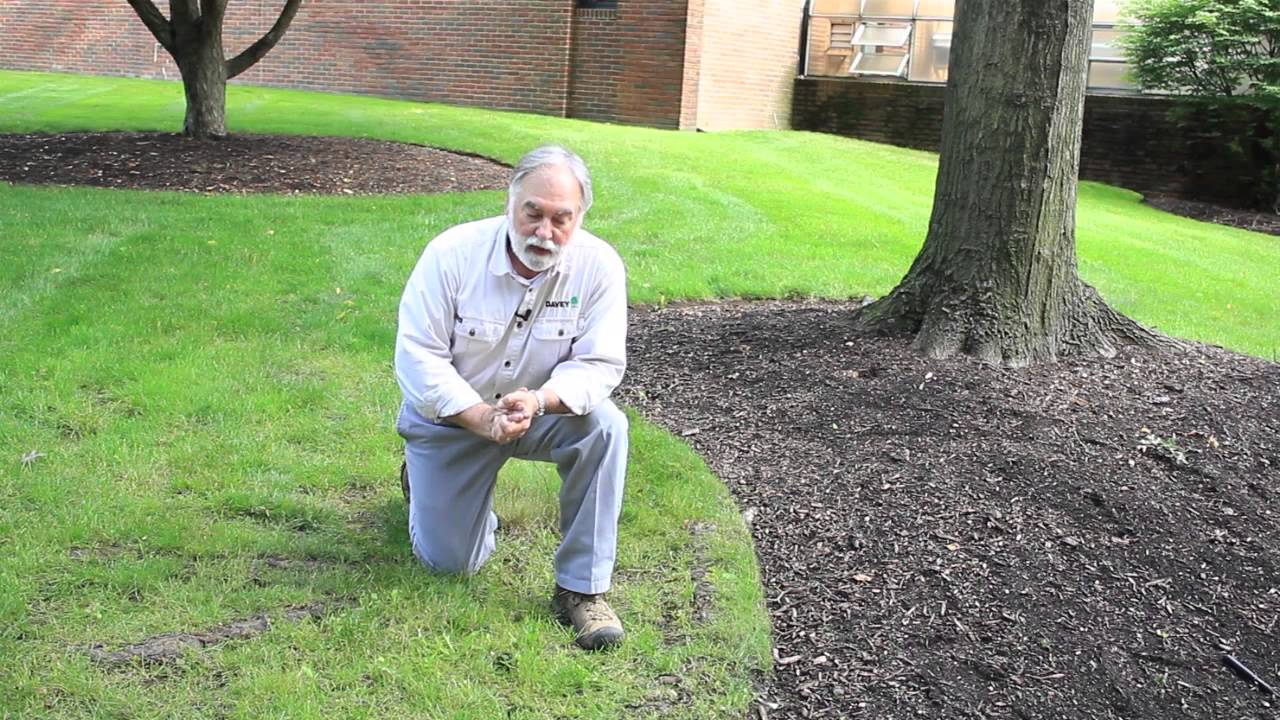
Image Source: i.ytimg.com
Why Do Tree Roots Become Exposed?
Before we dive into solutions, it’s helpful to understand why tree roots tend to pop up above ground. Several factors can contribute to this:
- Shallow Root Systems: Some tree species naturally have roots that grow closer to the surface.
- Soil Erosion: Wind and water can wash away the soil covering the roots over time.
- Compacted Soil: Heavy foot traffic or lawn equipment can compact the soil, pushing roots upwards.
- Construction or Digging: Disturbing the soil around a tree can expose existing roots.
- Drought or Lack of Water: When soil dries out, roots may grow closer to the surface seeking moisture.
- Over-mulching: Piling mulch too high against the tree trunk can smother and encourage roots to grow upwards.
- Thin Topsoil: If your lawn has thin topsoil from the start, roots are more likely to become visible quickly.
Assessing Your Situation: What to Look For
Before you start covering those roots, take a moment to look at them closely. This will help you choose the best method.
H3: Root Health Check
- Are the roots alive? Healthy roots are typically firm and pliable. Look for signs of rot, dryness, or damage.
- Are they causing problems? Do they trip people? Are they breaking through hardscaping?
- Are they large, woody roots or smaller feeder roots? Larger roots are generally more stable, while smaller ones might be more sensitive.
H3: Lawn and Tree Environment
- Sunlight: How much sun does the area receive? This affects what you can plant.
- Water Drainage: Does the area get waterlogged? This can be bad for roots.
- Tree Species: Knowing your tree’s species can give clues about its root system and tolerance to different conditions.
Beautiful Lawn & Easy Solutions for Exposed Roots
Here are some effective and attractive ways to cover exposed tree roots, categorized for clarity.
H3: Mulching for Exposed Tree Roots: The Go-To Solution
Mulching is perhaps the most popular and easiest way to cover exposed tree roots. It’s beneficial for the tree and can make your lawn look tidy.
H4: Types of Mulch to Consider
-
Organic Mulches:
- Shredded Bark: This is a classic choice. It looks natural, decomposes slowly, and helps retain soil moisture. It’s also great for improving appearance of exposed roots.
- Wood Chips: Similar to bark, but often in larger pieces. They provide good aeration and moisture retention.
- Composted Leaves: An eco-friendly option that breaks down and adds nutrients to the soil.
- Pine Straw: Looks neat and tidy, and it’s lightweight. It’s excellent for tree root protection by retaining moisture.
-
Inorganic Mulches:
- Gravel or Decorative Rocks for Tree Roots: These offer a long-lasting, low-maintenance solution. They can create a very attractive, stylized look.
- River Rocks: Smooth, rounded stones that are pleasing to the eye.
- Pea Gravel: Small, smooth stones that can fill in gaps nicely.
H4: How to Mulch Properly
- Clear the Area: Gently remove any grass or weeds from around the exposed roots.
- Add Soil (Optional): If the roots are significantly raised, you can add a layer of soil to cover tree roots first. Make sure this soil is loose and well-draining. Avoid packing it down tightly.
- Apply Mulch: Spread a layer of mulch (2-4 inches deep) over the exposed roots.
- Crucial Tip: DO NOT pile mulch directly against the tree trunk (this is called “volcano mulching” and is harmful). Leave a gap of a few inches around the trunk to allow it to breathe and prevent rot.
- Shape and Level: Create a gentle slope from the tree trunk outwards, ensuring the mulch layer is even.
Benefits of Mulching:
* Suppresses weeds.
* Retains soil moisture.
* Regulates soil temperature.
* Adds nutrients as it decomposes (organic mulches).
* Enhances visual appeal, hiding surface roots.
H3: Planting Around Tree Roots: The Natural Approach
Creating a beautiful planting bed around your trees is a wonderful way to cover exposed roots while adding color and life to your landscape. This is a great way to achieve landscaping over tree roots.
H4: Choosing the Best Ground Cover for Tree Roots
When selecting plants, consider the tree’s light requirements and the soil conditions.
-
Shade-Tolerant Plants: Many trees create shade, so choose plants that thrive in low light.
- Hostas: Offer lush foliage in various shades of green, blue, and variegated patterns.
- Ferns: Add delicate texture and a woodland feel. Varieties like Ostrich Fern or Lady Fern are excellent.
- Astilbe: Provides feathery plumes of flowers in shades of pink, red, and white.
- Ground Ivy (Glechoma hederacea): A creeping ground cover that tolerates shade and foot traffic, though it can be aggressive.
- Vinca Minor (Periwinkle): A low-growing evergreen with pretty blue or white flowers.
-
Sun-Tolerant Plants: If your tree is in an open, sunny spot, you have more options.
- Daylilies (Hemerocallis): Hardy and produce beautiful, trumpet-shaped flowers.
- Coneflowers (Echinacea): Drought-tolerant and attract pollinators.
- Sedums: Succulent plants that are very drought-tolerant and offer late-season blooms.
- Creeping Thyme: A fragrant, low-growing option that can tolerate light foot traffic.
-
Plants for Texture and Color:
- Heuchera (Coral Bells): Known for their stunning foliage colors, from deep purple to lime green.
- Impatiens: For seasonal color in shady areas.
- Begonias: Offer vibrant flowers and attractive foliage.
H4: Planting Techniques for Tree Root Zones
- Gentle Approach: Avoid digging deeply near the tree trunk. Roots crucial for the tree’s survival are often in the top 12-18 inches of soil.
- Minimize Root Disturbance: Use a trowel or hand tools to loosen soil gently. Try not to cut or damage any tree roots, especially larger ones.
- Elevated Beds: You can create slightly raised beds around the tree. This allows you to add soil to cover tree roots without disturbing the tree’s root ball too much. Use border materials like stone, brick, or wood.
- Container Planting: For a less invasive approach, place attractive containers with plants directly on top of or around the exposed roots. This is a great way to add seasonal color.
Table 1: Plant Choices Based on Light Conditions
| Light Condition | Recommended Plants |
|---|---|
| Full Shade | Hostas, Ferns, Astilbe, Ground Ivy, Vinca Minor |
| Partial Shade | Coral Bells, Impatiens, Begonias, Bleeding Hearts |
| Full Sun | Daylilies, Coneflowers, Sedums, Creeping Thyme |
H3: Decorative Rocks for Tree Roots: A Stylish Finish
Using decorative rocks for tree roots can create a sophisticated and low-maintenance landscape feature. This method is excellent for improving appearance of exposed roots and is very durable.
H4: Types of Decorative Rocks
- River Rock: Smooth, rounded, and come in various sizes and colors. They have a natural, appealing look.
- Lava Rock: Lightweight and porous, offering excellent drainage and a unique texture.
- Crushed Stone: Angular pieces that lock together well, creating a stable surface.
- Boulders: Larger rocks can be strategically placed to create focal points and naturally conceal larger roots.
- Gravel: Smaller stones like pea gravel or decorative gravel can fill in spaces and create a clean look.
H4: Design Ideas with Rocks
- Mulch Replacement: Replace organic mulch entirely with a layer of gravel or decorative rocks.
- Combined Approach: Use rocks around the base of the tree and mulch further out.
- Rock Gardens: Integrate larger rocks with drought-tolerant plants that are suitable for growing among rocks. This is a fantastic form of landscaping over tree roots.
- Naturalistic Look: Arrange river rocks or boulders to mimic a natural streambed or rocky outcrop.
H4: Installation Tips
- Weed Barrier: Lay down landscape fabric before adding rocks to prevent weeds from growing through.
- Grading: Ensure the area slopes slightly away from the tree trunk for proper drainage.
- Depth: Apply a layer of rocks 2-3 inches deep for good coverage.
- Avoid Trunk Contact: Just like with mulch, keep rocks a few inches away from the tree trunk.
Benefits of Using Rocks:
* Very durable and long-lasting.
* Low maintenance once installed.
* Excellent drainage.
* Can give a very clean, modern, or natural look.
* Doesn’t decompose or blow away easily.
H3: Raised Garden Beds: A Structural Solution
For significantly exposed or unruly roots, building a raised garden bed can be an elegant solution. This method effectively hides surface roots and provides a controlled environment for planting.
H4: Materials for Raised Beds
- Wood: Cedar, redwood, or pressure-treated lumber (ensure it’s safe for garden use).
- Stone or Brick: Creates a permanent, attractive border.
- Metal: Corrugated metal or galvanized steel.
- Composite Materials: Durable and low-maintenance.
H4: Construction and Planting
- Determine Size and Shape: Plan a bed that encircles the tree, leaving ample space around the trunk.
- Install the Border: Securely install your chosen material to create the bed’s walls.
- Add Soil: Fill the raised bed with a quality soil mix. You can add soil to cover tree roots underneath the new soil. Ensure the soil level doesn’t come too high against the trunk.
- Planting: Fill the raised bed with your chosen plants, considering the light and water needs of both the plants and the tree. This is a great way to do planting around tree roots without disturbing the existing root system.
Advantages of Raised Beds:
* Provides excellent control over soil quality.
* Great for improving drainage.
* Creates a defined, attractive border.
* Can accommodate a wider variety of plants.
H3: Ground Cover Plants as Best Ground Cover for Tree Roots
Beyond specific planting beds, using dense ground cover plants can naturally weave over and conceal exposed roots.
- Creeping Sedums: Varieties like Sedum spurium or Sedum album are low-growing and spread to form a mat. They are drought-tolerant and look good with rocks.
- Thyme Varieties: Creeping thyme is fragrant and tough, thriving in sunny, well-drained spots.
- Moss: In shady, moist areas, moss can create a lush, soft carpet that covers roots beautifully.
- Pachysandra: An evergreen ground cover for shady conditions.
Important Consideration: When using ground covers, ensure they don’t become so dense that they impede air circulation to the tree’s base or encourage rot.
H3: Addressing Tripping Hazards
If exposed roots are causing a tripping hazard, consider these options in conjunction with covering them:
- Slight Grading with Soil: Gently build up the soil around the roots to create a smoother transition.
- Beveled Edges: Use mulch or small stones with gently sloped edges to make the area safer.
- Clear Signage (Temporary): If roots are unavoidable and present a hazard, consider temporary, discreet signage until you can implement a more permanent solution.
Tree Root Protection and Best Practices
While covering exposed roots, it’s vital to protect the tree’s health.
H3: What NOT to Do
- Don’t Bury Large Roots Deeply: Roots need air and can rot if buried too deeply or in constantly wet soil.
- Avoid Compacted Soil: Don’t over-compact the soil when adding layers or planting. This restricts root growth and air circulation.
- No Painting Roots: Never paint exposed roots.
- Avoid Plastic Sheeting: This can trap moisture and prevent air exchange, harming the roots.
- Don’t Sever Major Roots: Be extremely cautious when digging. Major roots are vital for the tree’s stability and nutrient uptake.
H3: Aeration and Drainage
- Airflow is Key: Ensure the area around the trunk and roots has good airflow.
- Proper Drainage: Water should drain away from the tree, not pool around it. If your soil is heavy clay, consider adding compost or grit to improve drainage before covering roots.
H3: Root Barriers – When Are They Necessary?
In some cases, tree root protection might involve tree root barriers. These are typically installed when roots are causing damage to sidewalks, foundations, or driveways, or to redirect aggressive root growth away from structures.
-
Types of Root Barriers:
- Solid Barriers: Made of heavy-duty plastic or metal, installed vertically in the ground.
- Fabric Barriers: Porous materials that allow some water and air exchange but redirect root growth.
-
Considerations:
- Professional Installation: Often requires professional installation to ensure proper placement and depth without damaging the tree.
- Impact on Tree: Improperly installed barriers can harm the tree.
- Not for Aesthetic Covering: Barriers are primarily for root management, not for making roots look better.
Frequently Asked Questions (FAQ)
Q1: Can I just put soil on top of exposed tree roots?
Yes, you can add soil to cover tree roots, but do so cautiously. Add no more than 2-3 inches of loose, well-draining soil. Avoid compacting it. It’s best to combine this with a layer of mulch or plants. Don’t bury large, structural roots too deeply, as they need air.
Q2: Is it okay to plant directly over tree roots?
Yes, it is, but with care. When planting around tree roots, choose plants that tolerate the shade and moisture conditions under your tree. Use hand tools and be gentle to avoid damaging the tree’s roots, especially larger ones. Planting can be a beautiful way of how to hide surface roots.
Q3: What is the best ground cover for tree roots?
The best ground cover for tree roots depends on your conditions. For shade, Hostas, Ferns, or Vinca Minor work well. For sunnier spots, Sedums or Creeping Thyme are excellent choices. Remember to choose ground covers that don’t require heavy digging to maintain.
Q4: How much mulch should I use for exposed tree roots?
A layer of mulch for exposed tree roots should typically be 2-4 inches deep. Crucially, keep the mulch a few inches away from the tree trunk itself to prevent rot and disease. This practice is key to good tree root protection.
Q5: Can I use decorative rocks for tree roots?
Absolutely! Decorative rocks for tree roots are a fantastic, low-maintenance option. They look great and help suppress weeds. Ensure you lay down landscape fabric first to prevent weeds and keep the rocks from sinking into the soil.
Q6: Will covering tree roots hurt the tree?
If done incorrectly, yes. However, if you use breathable materials like mulch or plants, add soil gradually, and avoid compacting the ground or burying roots too deeply, it’s generally beneficial or at least harmless. Proper tree root protection is paramount.
Q7: How do I cover large, bumpy tree roots?
For large, bumpy roots, consider using a combination of methods. You can create a slight mound of loose soil to cover tree roots, then top it with a thicker layer of mulch for exposed tree roots or a mix of decorative rocks for tree roots. Planting larger, mounding plants like Hostas or decorative grasses can also help soften the appearance and achieve landscaping over tree roots.
Q8: Are tree root barriers a good solution for covering roots?
Tree root barriers are designed to manage root growth, not primarily to cover exposed roots aesthetically. They are useful for preventing roots from damaging structures but are a significant intervention and not a simple landscaping fix for appearance.
Q9: What’s the best way to improve the appearance of exposed roots?
There are many ways for improving appearance of exposed roots. Mulching, planting low-growing ground covers, or using decorative stones are excellent methods. You can also strategically place landscape features like small decorative boulders or containers to draw attention away from the roots and create a more cohesive look.
By following these tips, you can transform those unsightly exposed tree roots into attractive landscape features, enhancing both the beauty and health of your lawn and trees.