
Can you stop mushrooms from growing in your lawn? Yes, you can. Mushrooms are a sign of a healthy ecosystem, but they can be unsightly and sometimes indicate underlying issues in your lawn. This guide will help you understand why they appear and how to get rid of them.
Mushrooms sprout when conditions are just right: moisture, decaying organic matter, and the right temperature. While they aren’t inherently harmful to your grass, their presence can be a nuisance, and they often point to problems with your lawn’s health that need addressing. Let’s delve into how to tackle these unwelcome fungal guests and cultivate a lusher, healthier lawn.
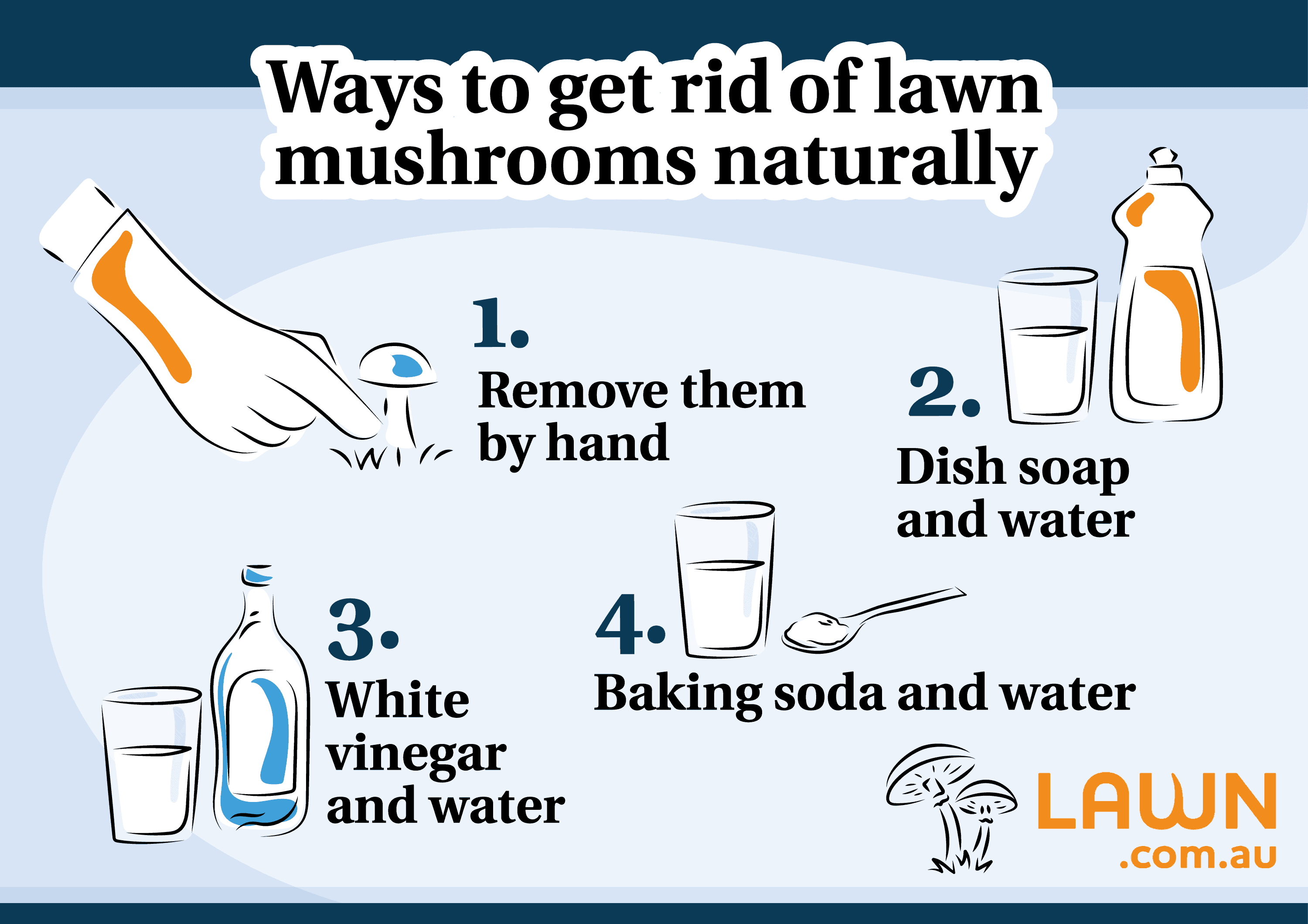
Image Source: lawn.com.au
Why Do Mushrooms Appear in My Lawn?
Mushrooms are the fruiting bodies of fungi that live underground. These fungi feed on decaying organic material in the soil. When conditions are favorable, the fungi produce mushrooms to release spores and spread. Common reasons for mushroom growth include:
- Excessive Moisture: Lawns that are overwatered or have poor drainage are prime real estate for mushrooms.
- Decomposing Organic Matter: Buried tree roots, stumps, animal waste, or even excessive thatch can provide a food source for the fungi.
- Shady Conditions: Many types of fungi thrive in shaded, damp areas of the lawn.
- Certain Soil Types: Soils rich in organic matter and with a tendency to retain moisture can encourage mushroom growth.
Identifying the Root Cause of Lawn Fungus
Spotting mushrooms is often the first sign that you have a lawn fungus. This doesn’t always mean your grass is sick, but it does mean the fungal network beneath the surface is active.
Common Culprits Behind Mushroom Growth
- Buried Debris: Old construction debris, buried pet waste, or even forgotten leaves can break down over time, feeding the fungi.
- Animal Droppings: Dogs and other animals can leave behind waste that also breaks down and fuels fungal growth.
- Decomposing Wood: Old stumps, buried branches, or roots from nearby trees are excellent food sources for these fungi.
Simple Steps for Mushroom Removal
Getting rid of mushrooms from your lawn doesn’t always require harsh chemicals. Often, simple mushroom removal is enough to deal with the visible problem.
Immediate Solutions for Mushroom Eradication
- Hand-Picking: The most direct method is to simply pick the mushrooms by hand. Wear gloves if you prefer.
- Bagging and Disposal: After picking, place the mushrooms in a plastic bag and dispose of them in the trash. This prevents spores from spreading.
- Mowing: Mowing your lawn can chop up the mushrooms, but this is a temporary fix. The fungi underground will likely produce more.
Improving Lawn Health: The Long-Term Solution
While picking mushrooms provides a quick fix, addressing the underlying issues that promote their growth is key to preventing them from returning. This involves focusing on overall lawn care and soil health.
Key Strategies for a Healthier Lawn
1. Managing Moisture Levels
Mushrooms love damp conditions. Controlling the moisture in your lawn is crucial.
- Water Wisely: Water your lawn deeply but less frequently. This encourages deeper root growth, making grass more resilient. Aim to water in the morning so the grass blades have time to dry before evening.
- Check Sprinkler Systems: Ensure your sprinklers are not overwatering any specific areas. Adjust heads or watering times as needed.
2. Addressing Organic Matter and Thatch
A thick layer of thatch can hold moisture and provide a food source for fungi.
- Thatch Removal: If your thatch layer is more than half an inch thick, it’s time for thatch removal. This can be done through raking, scarifying, or dethatching.
- Raking: For light thatch, a stiff-bristled rake can work.
- Dethatching/Scarifying: For thicker thatch, use a dethatcher or scarifier. This machine has tines that dig into the soil and pull up thatch. Do this in the spring or fall.
- Clean Up Debris: Regularly rake up fallen leaves, grass clippings, and other organic debris.
- Remove Buried Material: If you suspect buried wood or animal waste is the cause, try to locate and remove it.
3. Improving Soil Aeration and Drainage
Compact soil and poor drainage create the perfect environment for fungal growth.
- Aeration: Aeration involves creating small holes in the soil to allow air, water, and nutrients to penetrate the root zone. This is best done when the grass is actively growing, typically in the spring or fall.
- Core Aeration: This method pulls out plugs of soil, which is very effective.
- Spike Aeration: This uses spikes to poke holes into the soil.
- Drainage Improvements: If your lawn consistently holds water, you may need more significant drainage improvements.
- French Drains: Consider installing French drains to channel excess water away from problem areas.
- Grading: Re-grading your lawn slightly can help water flow away from your house and foundation.
- Amend Soil: Adding compost can improve the soil structure, making it drain better.
4. Controlling Sunlight and Airflow
Shady, stagnant areas are magnets for mushrooms.
- Prune Trees and Shrubs: Trim back overhanging branches from trees and shrubs to allow more sunlight and air circulation to reach the lawn.
- Improve Airflow: Avoid piling up garden materials or leaving equipment in one spot for extended periods, as this can smother the grass and create damp pockets.
Treatment Options: Fungicides and Other Solutions
When basic lawn care practices aren’t enough, you might consider specific treatments.
Fungicides for Mushroom Control
Fungicides can target the fungi responsible for mushroom growth. There are different types available:
- Organic Fungicides: These are often derived from natural sources and can be a good choice for environmentally conscious homeowners.
- Neem Oil: A natural insecticide and fungicide that can help control fungal growth.
- Baking Soda Solution: A dilute solution of baking soda and water can sometimes deter fungi. However, use this cautiously as too much can harm your grass.
- Commercial Organic Fungicides: Many brands offer organic options based on plant extracts or beneficial microbes.
- Chemical Fungicides: These are synthetic products designed to kill fungi. They can be very effective but should be used with caution, following label instructions carefully.
- Types of Chemical Fungicides: Look for products labeled for lawn diseases or specific fungal issues. Common active ingredients include myclobutanil, propiconazole, and chlorothalonil.
- Application: Always follow the product label for mixing ratios, application methods, and safety precautions. Applying a chemical treatment during a dry period can sometimes be more effective.
Other Potential Treatments
- Soil Drenching: In some cases, a soil drench can help distribute a fungicide throughout the soil where the fungal mycelium (the underground network) resides.
- Lime Application: In some instances, adding lime to the soil can help raise the pH, making it less hospitable to certain types of fungi. However, it’s best to get a soil test before applying lime to ensure it’s necessary for your lawn.
When to Seek Professional Help
If you’ve tried various methods and continue to struggle with mushrooms, or if you suspect a more serious lawn disease, it might be time to consult a professional landscaper or certified arborist. They can help diagnose the specific type of fungus and recommend the most effective treatment plan.
Common Types of Lawn Fungi That Cause Mushrooms
Mushrooms in your lawn can come from various fungal species. Some are harmless decomposers, while others might indicate more significant issues.
Fairy Rings
These are circular patterns of mushrooms. They can also appear as darker green or brown rings in the grass.
- How They Form: Fairy rings are caused by the growth of a fungal mycelium beneath the soil. As it grows outward, it digests organic matter, which can sometimes fertilize the grass within the ring, making it greener, or dry it out, making it brown.
- Treatment: For small fairy rings, simply removing the mushrooms is usually sufficient. For larger or persistent rings, thatch removal and aeration can help break up the mycelium. In severe cases, chemical treatment with a broad-spectrum fungicide might be considered.
Other Mushroom-Producing Fungi
Many other types of fungi can pop up. Some common ones include:
- Ink Caps: These mushrooms typically appear in clusters and often decompose quickly, turning into an inky substance.
- Puffballs: These round, often white or tan mushrooms release spores when disturbed.
- Coprinus Species: These are often the culprit for the “inky cap” mushrooms.
Frequently Asked Questions (FAQ)
Q1: Are mushrooms in my lawn harmful to my pets or children?
A1: Most common lawn mushrooms are not toxic, but it’s best to err on the side of caution. Keep pets and children away from them, and remove them promptly. If you suspect a pet or child has ingested a mushroom, contact your veterinarian or poison control center immediately.
Q2: Will removing the mushrooms stop them from coming back?
A2: Removing the visible mushrooms is only a temporary fix. To prevent their return, you need to address the underlying conditions that promote fungal growth, such as excess moisture, decaying organic matter, and poor air circulation.
Q3: How often should I aerate my lawn?
A3: For most lawns, aerating once a year in the fall or spring is beneficial. If your soil is heavily compacted, you might consider aerating twice a year.
Q4: Can I use baking soda to kill mushrooms?
A4: A dilute solution of baking soda can sometimes deter mild fungal growth. However, it’s not a guaranteed solution and can potentially harm your grass if used incorrectly. It’s best to use it sparingly and test it in a small area first.
Q5: When is the best time to apply a fungicide?
A5: The best time to apply a fungicide is usually when you first notice the mushrooms or signs of fungal activity. Follow the specific product instructions, as some work best on damp soil, while others are more effective on dry conditions. Addressing the root cause through improved lawn care is always the best long-term strategy.
By understanding the factors that contribute to mushroom growth and implementing the right lawn care strategies, you can effectively manage and prevent these fungal guests from taking over your beautiful lawn. Focus on improving soil health, managing moisture, and reducing organic matter, and you’ll be well on your way to a healthier, mushroom-free yard. Remember, consistent effort in aeration, drainage improvements, and thatch removal will yield the best long-term results.