
Can you fill lawn mower tires with foam to prevent flats? Yes, you can fill lawn mower tires with foam to make them flat-proof. This process is often referred to as a solid tire conversion or flat-proofing mower tires. It’s a great way to permanently solve the problem of constantly repairing or replacing punctured tires.
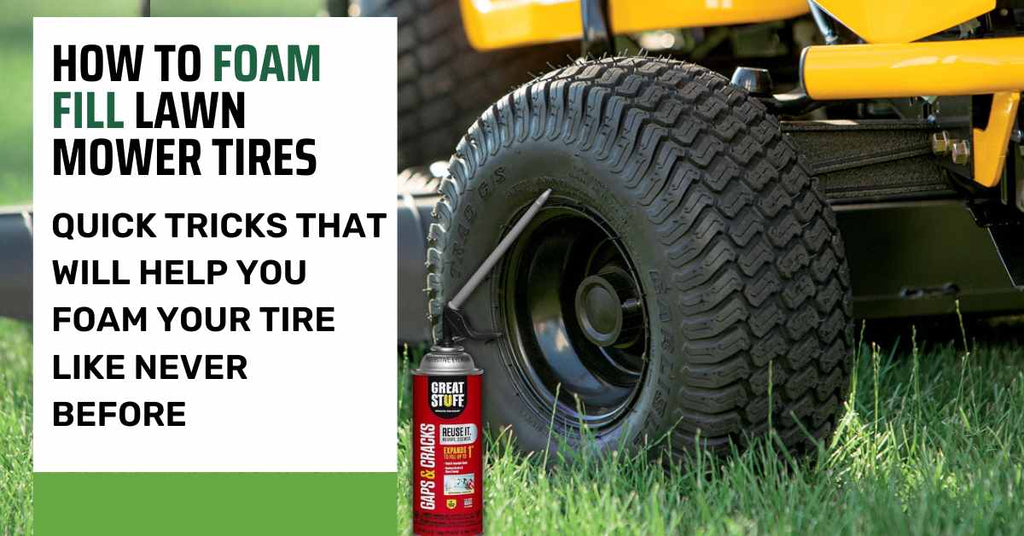
Image Source: www.lawnstuff.com
Why Choose Foam-Filled Lawn Mower Tires?
Tired of your lawn mower’s tires going flat? It’s a common frustration for anyone who maintains a yard. A simple nail, a sharp rock, or even just age can lead to a deflated tire, halting your mowing progress and costing you time and money on repairs or replacements. This is where filling your lawn mower tires with foam, specifically a urethane filler for tires, comes in as a game-changer. This method effectively turns your pneumatic tires into puncture-proof lawnmower tires.
Benefits of Foam Filling
- Eliminates Flats: This is the primary advantage. Once filled, your tires are virtually immune to punctures from thorns, nails, glass, and other sharp debris common on lawns.
- Increased Durability: The foam provides a robust structure, making the tires more resistant to wear and tear.
- Improved Stability: Foam-filled tires can offer a more stable ride, especially on uneven terrain, as they maintain their shape and don’t deform as readily under load.
- Reduced Maintenance: Say goodbye to the hassle of checking tire pressure, patching leaks, or dealing with premature tire wear caused by underinflation.
- Cost-Effective in the Long Run: While there’s an initial investment, the elimination of replacement tires and repair costs can make it a more economical choice over time, particularly for commercial landscapers.
When is Foam Filling a Good Idea?
Foam filling is an excellent solution for:
- Heavy-Duty Lawn Mowers: Commercial zero-turn mowers, riding mowers, and tractors that see a lot of use.
- Challenging Terrain: Lawns with many obstacles, rough patches, or areas prone to debris.
- Busy Landscapers: Professionals who can’t afford downtime due to flat tires.
- DIY Enthusiasts: Those who prefer a hands-on approach to equipment maintenance.
How Does Foam Filling Work?
The process involves injecting a liquid polyurethane mixture into the tire. This mixture reacts and expands, curing into a dense, solid, yet slightly yielding, foam. This creates an airless mower tire solution. The density of the foam can often be chosen based on your preference for ride comfort and tire performance.
Types of Tire Foam
The most common and effective type of foam used for this purpose is a polyurethane tire filling. These are typically two-part systems that you mix together before injecting. The consistency of the liquid before curing can range from a thin liquid to a thicker gel, influencing the final density and ride quality.
- Low-Density Foam: Provides a ride closer to that of an air-filled tire, offering more cushioning. However, it might be slightly less resistant to aggressive impacts.
- Medium-Density Foam: A good balance between ride comfort and durability.
- High-Density Foam: Offers maximum durability and puncture resistance but can result in a firmer ride.
The DIY Process: Foam-Filled Tire Installation
Performing a DIY tire foam injection is achievable for those with a mechanical inclination. However, it’s crucial to approach this project with the right tools, materials, and a commitment to safety. This is essentially a solid tire conversion for your mower.
What You’ll Need:
- Tire Foam Kit: This typically includes the two-part polyurethane liquid, a mixing container, and injection tubes. Ensure the kit is designed for tires.
- Tire Valve Core Remover: To allow the foam to be injected.
- Caulking Gun or Specialized Injection Gun: For dispensing the mixed foam.
- Gloves: Chemical-resistant gloves are essential.
- Eye Protection: Safety glasses or goggles are a must.
- Protective Clothing: Old clothes or overalls.
- Rags and Cleaning Supplies: For any spills.
- Tire Mounting Equipment (Optional but Recommended): Tire spoons, a bead breaker, or a tire machine can be very helpful for dismounting and remounting tires.
- Access to an Air Compressor: To re-seat the tire bead if necessary.
- Grease or Tire Lube: For easier mounting.
- Water (for some foam types): Some foams require a small amount of water to initiate the curing process. Check your kit’s instructions.
- Scrap Tire (for practice, optional): If you’re new to this, practicing on an old tire can be beneficial.
Step-by-Step Guide:
Step 1: Preparation and Safety First
- Gather Your Materials: Ensure you have everything listed above and that your workspace is clean and well-ventilated.
- Read the Foam Kit Instructions Thoroughly: Each brand and type of urethane filler for tires might have specific mixing ratios, curing times, and application tips.
- Wear Protective Gear: Put on your gloves, eye protection, and protective clothing.
Step 2: Removing the Old Tire (If Necessary)
For a complete solid tire conversion, you’ll need to remove the tire from the rim.
- Deflate the Tire: Remove the valve core completely.
- Break the Bead: Use a bead breaker tool or a suitable heavy object to force the tire bead away from the rim. You might need to do this on both sides.
- Pry the Tire Off: Use tire spoons or a tire machine to carefully pry the tire off the rim. Work your way around the rim, leveraging the spoons to lift the tire over the rim edge.
Step 3: Preparing the Tire for Filling
- Clean the Inside of the Tire: Remove any dirt, debris, or old sealant from the inside of the tire. This ensures proper adhesion of the foam.
- Ensure the Valve Stem is Secure: If you’re reusing the valve stem, make sure it’s properly seated and not leaking.
Step 4: Mixing the Urethane Filler
This is a critical step where precision is key.
- Measure Accurately: Most kits come with pre-measured containers or require specific ratios of Part A and Part B. Do NOT eyeball it. Use measuring cups or the provided containers precisely.
- Mix Thoroughly: Combine the two parts in the provided mixing container. Stir vigorously for the time specified in the instructions (usually a few minutes) to ensure the components are fully blended. Scrape the sides and bottom of the container to incorporate all the material.
- Avoid Introducing Air: Mix gently to minimize introducing air bubbles into the mixture, which can affect the final foam density and integrity.
- Follow Curing Instructions: Some foams require a small amount of water added to initiate the chemical reaction. Add it only if the instructions specify.
Step 5: Injecting the Foam
- Prepare the Injection Tool: Attach the appropriate nozzle or tube to your caulking gun or injection gun.
- Fill the Tire:
- Insert the injection tube into the tire’s valve stem opening.
- Begin dispensing the mixed foam into the tire.
- Important: Go slowly. The foam will expand, and you don’t want it to overflow or create excessive pressure before it cures.
- Fill the tire gradually. You can often feel the resistance increase as the tire fills.
- The amount of foam needed can vary. Some kits provide guidance, or you might need to estimate based on tire size. Overfilling can lead to a very hard tire and potential stress on the rim. Underfilling will leave voids.
- Monitor the Foam: Watch for the foam to start expanding and filling the tire cavity.
Step 6: Curing the Foam
- Allow for Expansion: Once filled, leave the tire to cure. The curing time will vary significantly based on the product and ambient temperature. This can range from a few hours to 24 hours or more.
- Keep it Stationary: It’s best to keep the tire stationary during the curing process. Some recommend leaving it on its side.
- Check for Completeness: The foam is cured when it’s firm to the touch and no longer sticky or pliable.
Step 7: Reinstalling the Tire (If Removed)
- Mount the Tire: Once cured, remount the tire onto the rim. This can be challenging with foam-filled tires as they are stiff. Lubrication is key. Use tire spoons, a bead breaker, and potentially a tire machine to get the bead seated.
- Inflate (Slightly, for Seating): You might need to add a small amount of air pressure to help seat the bead firmly against the rim. Do not over-inflate, as there’s no air to release. The foam provides the structure.
- Clean Up: Remove any excess foam and clean your tools.
Step 8: Final Inspection
- Check that the tire is securely mounted and there are no leaks around the rim.
- The tire should feel firm and solid, similar to a very dense rubber.
Considerations for Different Mower Types
The process of flat-proofing mower tires and choosing the right urethane filler for tires can vary slightly depending on the type of lawn mower.
Zero-Turn Mowers
Zero-turn mowers often have smaller, less robust tires compared to large tractors. However, they can still be subject to frequent punctures, especially if used in commercial settings. The tire sealant for zero turns is a good temporary fix, but foam filling offers a permanent solution. The foam-filled tire installation process is the same, but the amount of foam needed will be less. Be mindful of the weight increase, though it’s usually negligible for mower tires.
Riding Mowers and Tractors
Larger riding mowers and tractors can benefit significantly from foam filling, especially if they frequently traverse rough terrain or carry heavy loads. The larger tire volume means you’ll use more foam, and the curing time might be slightly longer. The increased durability is a major advantage here, as these machines are often used for extended periods.
Push Mowers and Walk-Behinds
While less common, you can also foam-fill tires on push mowers and walk-behind units. This is often done for convenience if you have a small property or want to eliminate any possibility of flats.
Frequently Asked Questions (FAQ)
Q1: Will filling my lawn mower tires with foam make the ride too hard?
A: The ride comfort depends on the density of the foam you choose. Lower-density foams offer a softer ride, more akin to an air-filled tire. High-density foams provide maximum durability but a firmer ride. Many users find medium-density foam to be a good compromise.
Q2: How much foam do I need for my lawn mower tires?
A: The amount of foam required depends on the size of your tires. Tire foam kits often come in quantities suitable for specific tire sizes or sets of tires. It’s best to consult the kit’s instructions or a sizing guide provided by the manufacturer. Overfilling can be problematic, so err on the side of caution and fill to the recommended level.
Q3: Can I just use regular tire sealant instead of foam?
A: Tire sealants are designed for temporary repairs of small punctures. They are not a substitute for foam filling. While a sealant might help prevent a slow leak, it won’t provide the structural integrity or complete puncture-proofing that foam offers. Foam filling is a permanent airless mower tire solution.
Q4: Is foam filling permanent? Can I deflate the tire later?
A: Yes, foam filling is a permanent solid tire conversion. Once the foam cures, it becomes solid and cannot be removed without cutting the tire open. You cannot deflate a foam-filled tire.
Q5: Will filling my tires with foam void my mower’s warranty?
A: This is a possibility. Any modification to a piece of equipment can potentially void its warranty. It’s advisable to check your mower’s warranty documentation or contact the manufacturer if this is a concern.
Q6: Is foam filling a good option for commercial mowing operations?
A: Absolutely. For commercial landscapers, eliminating downtime due to flat tires can significantly boost productivity and profitability. The cost of foam filling is often offset by the savings in repairs, replacement tires, and lost work hours. Many commercial operations opt for puncture-proof lawnmower tires through foam filling.
Q7: What happens if I overfill the tire with foam?
A: Overfilling can lead to a very hard, unyielding tire. It can also put excessive stress on the tire carcass and the rim, potentially leading to damage. It might also make the tire difficult to remount if you ever need to.
Q8: Can I foam-fill only one tire?
A: Yes, you can foam-fill just one tire if you wish, but it’s generally recommended to do all the tires on an axle for consistent performance and handling. However, if you have a specific issue with one tire, filling only that one is an option.
Q9: How long does the foam take to cure?
A: Curing times vary greatly depending on the specific product and ambient temperature. Some foams can be firm enough to handle within a few hours, while others may take 24 hours or longer to fully cure. Always refer to the product’s instructions.
Q10: Can I buy pre-filled foam tires?
A: Yes, you can purchase tires that have already been filled with foam from specialized suppliers. This is often more expensive than doing it yourself but offers the convenience of a ready-to-go solution. They are essentially replacement inflatable mower tires with a solid alternative.
Pros and Cons of Foam Filling
Like any modification, foam filling has its advantages and disadvantages.
Pros:
- No More Flats: The ultimate benefit, saving time and frustration.
- Increased Longevity: Tires become much more robust.
- Reduced Downtime: Essential for professionals.
- Consistent Performance: Tires always perform as expected without pressure variations.
- Cost Savings Over Time: Eliminates recurring repair and replacement costs.
Cons:
- Initial Cost: The foam kits can be an upfront expense.
- Ride Firmness: Can make the ride rougher, especially with high-density foams.
- Weight Increase: Foam adds weight to the tires, though usually not a significant amount for mowers.
- Permanent Modification: You can’t go back to an air-filled tire without replacing the tire.
- Installation Effort: While DIY is possible, it requires care and the right tools.
Alternatives to Foam Filling
While foam filling is an excellent airless mower tire solution, other options exist for dealing with flat tires:
- Solid Rubber Tires: These are tires made entirely of solid rubber, offering complete puncture resistance. However, they can be very heavy, expensive, and provide an extremely harsh ride.
- Urethane Solid Tires: Similar to solid rubber, but made from urethane. They offer good durability but can also be expensive and affect ride quality.
- Tire Sealants: As mentioned, these are for temporary repairs of small leaks and do not provide the structural benefits of foam. They are a quick fix, not a permanent solution for flat-proofing mower tires.
- Foam Inserts (Tire Liners): Some products offer foam liners that you place inside the pneumatic tire. These offer some puncture protection but do not completely eliminate flats and can affect ride quality.
Foam filling typically strikes the best balance between puncture resistance, durability, and a manageable ride quality, making it a popular choice for replacing inflatable mower tires.
Conclusion
Transforming your lawn mower tires into puncture-proof lawnmower tires through foam filling is a practical and effective solution for ending the cycle of flats. Whether you’re a homeowner battling thorns or a professional landscaper losing valuable time, the solid tire conversion offers peace of mind and improved efficiency. While the DIY tire foam injection requires careful attention to detail and the right equipment, the rewards of having reliable, maintenance-free tires are well worth the effort. By choosing the right urethane filler for tires and following the installation process diligently, you can ensure your lawn mower is always ready to tackle the job, no matter how rough the terrain.