
Yes, you can repair your Bermuda grass lawn! This guide will show you how to fix common problems and get your grass looking its best. We’ll cover everything from fixing bare spots to improving overall lawn health.
Bermuda grass is a popular choice for lawns, especially in warmer climates, due to its dense growth and beautiful green color. However, like any living thing, it can suffer from damage, disease, or simply wear and tear. Knowing how to address these issues is key to maintaining a lush, healthy lawn. Whether you’re dealing with patchy areas, thinning turf, or the aftermath of heavy use, this guide will provide you with the steps and knowledge needed for effective Bermuda grass repair.
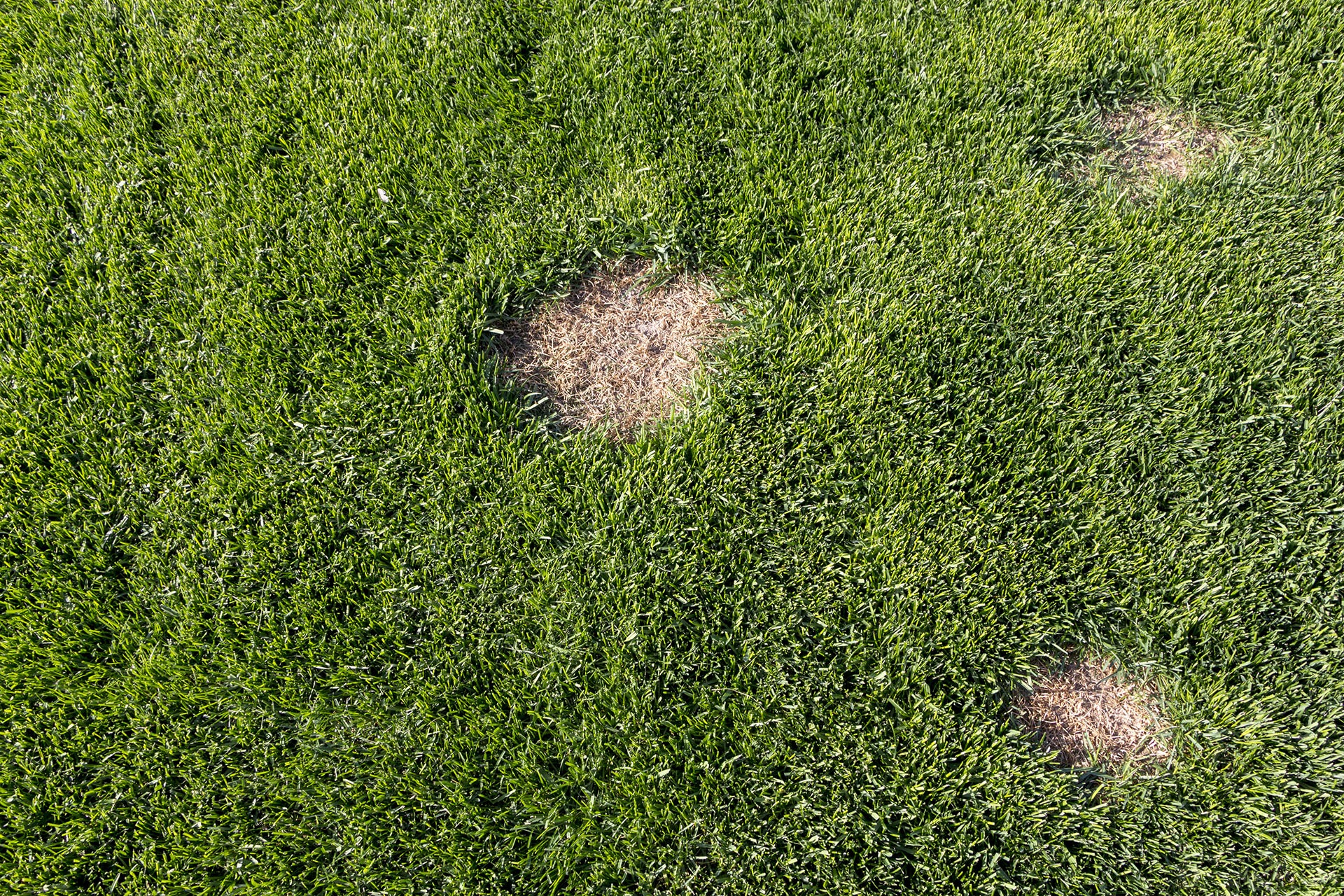
Image Source: theturfgrassgroup.com
Identifying Bermuda Grass Problems
Before you can fix your Bermuda grass lawn, you need to know what’s wrong. Common issues include bare patches, thinning areas, weeds, and signs of disease or pests.
Common Bermuda Grass Damage
Bermuda grass damage can happen for many reasons. Heavy foot traffic, pet urine, insect infestations, and even harsh weather can all leave their mark. Identifying the type of damage is the first step to effective repair.
Foot Traffic and Wear Patterns
- Cause: High-traffic areas, like pathways across the lawn, can stress Bermuda grass, leading to thinning and bare spots.
- Signs: Worn-down areas where the grass is flattened or completely gone.
- Fix: Redesign walkways, use stepping stones, or try to divert traffic.
Pet Damage
- Cause: Animal urine can burn the grass, creating yellow or brown spots.
- Signs: Small, circular dead patches, often with a green ring around the edge.
- Fix: Train pets to use a designated area, or water affected spots immediately after use.
Drought Stress
- Cause: Lack of water during hot, dry periods.
- Signs: Grass turns a straw-like color and appears dry and brittle.
- Fix: Water deeply and less often.
Weeds in Your Bermuda Grass
Weeds compete with your Bermuda grass for water, nutrients, and sunlight. Getting rid of them is crucial for a healthy lawn.
- Identification: Learn to recognize common lawn weeds in your area.
- Removal Methods: Hand-pulling for small infestations, or using targeted herbicides for larger problems. Always follow product instructions carefully.
Signs of Bermuda Grass Disease
Diseases can weaken and kill Bermuda grass. Look for unusual spots, discoloration, or wilting.
- Common Diseases: Dollar spot, brown patch, and pythium blight are common.
- Treatment: Proper watering, fertilization, and aeration can help prevent diseases. Fungicides may be needed for severe outbreaks.
Bermuda Grass Pest Control
Insects can also damage your lawn. Identifying the pest is key to choosing the right treatment.
- Common Pests: Grubs, armyworms, and chinch bugs are frequent culprits.
- Control: Natural predators, beneficial nematodes, or insecticides can be used.
Step-by-Step Bermuda Grass Repair
Repairing your Bermuda grass lawn involves several key steps, tailored to the specific problems you’re facing.
Step 1: Assess the Damage and Prepare the Area
Before you start, take a good look at what needs fixing. Clear away any debris like fallen leaves or rocks from the damaged areas. If weeds are present, remove them first. This makes it easier to work with the soil and encourages new grass to grow.
Step 2: Address Underlying Issues
If your Bermuda grass damage is due to poor soil, pests, or diseases, you must address these first.
Bermuda Grass Soil Aeration
- Why: Compacted soil prevents water, air, and nutrients from reaching the grass roots. Aerating creates small holes in the soil.
- When: Spring or early summer is ideal for Bermuda grass.
- How: Use a core aerator. This machine pulls out small plugs of soil. For small areas, a manual aerator can work. Leave the plugs on the lawn; they will break down.
Bermuda Grass Dethatching
- Why: Thatch is a layer of dead grass stems and roots that builds up between the green grass and the soil. Too much thatch can prevent water and nutrients from reaching the roots and harbor pests and diseases.
- When: When the thatch layer is more than half an inch thick. Do this when the grass is actively growing, typically late spring or early summer for Bermuda grass.
- How: Use a power rake or a dethatching blade on a mower. Rake in multiple directions to lift the thatch.
Bermuda Grass Fertilization
- Why: Proper feeding helps your Bermuda grass grow strong and recover from damage.
- When: Fertilize during the active growing season (late spring through summer).
- How: Use a balanced fertilizer. For Bermuda grass, a fertilizer with a higher nitrogen content can promote green growth. Follow package directions to avoid over-fertilization.
Bermuda Grass Watering Needs
- Why: Consistent and appropriate watering is vital for recovery.
- How: Bermuda grass is drought-tolerant once established, but needs about 1 to 1.5 inches of water per week during repair, especially when newly seeded or sodded. Water deeply to encourage deep root growth. Allow the soil surface to dry slightly between waterings.
Step 3: Repairing Bare Spots and Patches
For areas where the grass is completely gone, you have a couple of options: seeding or sodding.
Bermuda Grass Patch Repair Using Seed
- When: Best done in late spring or early summer when temperatures are consistently warm.
- How:
- Loosen the Soil: Rake the bare patch to loosen the top inch of soil. This creates a good seedbed.
- Choose the Right Seed: Use a high-quality Bermuda grass seed that matches your existing lawn.
- Sow the Seed: Spread the seed evenly over the prepared area. Follow the seeding rate on the seed bag.
- Cover Lightly: Gently rake the seed into the soil, covering it with a thin layer of compost or topsoil (about 1/4 inch).
- Water Gently: Keep the area consistently moist until the seeds germinate and the new grass is established. Use a fine spray to avoid washing away the seeds.
Bermuda Grass Patch Repair Using Sod
- When: Can be done throughout the growing season, but spring and summer are ideal for establishment.
- How:
- Prepare the Area: Remove any dead grass and weeds. Loosen the soil to about 2-3 inches deep.
- Level the Area: Add a thin layer of compost or topsoil if needed to bring the patch level with the surrounding lawn.
- Lay the Sod: Place the sod pieces tightly together, ensuring no gaps. Cut pieces to fit the shape of the patch.
- Tamp and Water: Lightly tamp the sod to ensure good soil contact. Water thoroughly immediately after laying.
- Keep Moist: Water daily for the first week or two, or until the sod is rooted.
Step 4: Overseeding for Thicker Turf
If your Bermuda grass lawn is thinning but not yet patchy, overseeding can help fill it in.
- When: Late spring or early summer is the best time for overseeding Bermuda grass.
- How:
- Mow Low: Mow your existing lawn at a lower height to allow the seed to reach the soil.
- Dethatch and Aerate: If needed, dethatch and aerate the lawn first to improve seed-to-soil contact.
- Sow Seed: Spread Bermuda grass seed evenly across the lawn.
- Rake Lightly: Gently rake the seed into the turf.
- Water Consistently: Keep the top layer of soil moist until the new grass is established.
Step 5: Ongoing Maintenance for a Healthy Lawn
Once you’ve repaired the damaged areas, consistent care will keep your Bermuda grass looking great.
Bermuda Grass Weed Removal
- Pre-emergent Herbicides: Apply in early spring before weeds sprout to prevent them.
- Post-emergent Herbicides: Use to kill existing weeds. Spot treat to avoid harming the Bermuda grass.
- Manual Removal: Pull weeds by hand, ensuring you get the roots.
Bermuda Grass Pest Control Strategies
- Regular Inspection: Check your lawn regularly for signs of pests.
- Integrated Pest Management (IPM): Combine cultural practices (like proper watering and fertilization) with biological controls and, if necessary, targeted pesticides.
Bermuda Grass Disease Treatment
- Proper Watering: Avoid overhead watering late in the day, which can promote fungal growth.
- Good Air Circulation: Prune trees and shrubs around the lawn to improve airflow.
- Fungicides: Use as a last resort for severe fungal infections, following product instructions.
Troubleshooting Common Bermuda Grass Issues
Even with the best care, problems can arise. Here are some common Bermuda grass issues and how to fix them.
Dealing with Yellowing Bermuda Grass
Yellowing can be a sign of several issues: nutrient deficiency, overwatering, underwatering, or disease.
- Nutrient Deficiency: If your Bermuda grass is generally yellow and growth is slow, a nitrogen-rich fertilizer can help.
- Watering Issues: Ensure you are watering correctly – deep and less often. Yellowing can occur if the grass is too wet or too dry.
- Disease: Certain diseases can cause yellowing. If you suspect disease, try to identify it and use the appropriate Bermuda grass disease treatment.
Fixing Brown Patches in Bermuda Grass
Brown patches can be caused by a variety of factors.
- Drought: If the grass is dry and brittle, increase watering.
- Pet Urine: Water the spot immediately and thoroughly.
- Fungal Diseases: Brown patch and other fungal diseases can create distinct brown areas. Aeration, proper watering, and sometimes fungicides are needed.
- Grubs: If the turf can be easily lifted like a carpet, grubs may be the cause. Apply an insecticide or grub control product.
Repairing Thin or Sparse Bermuda Grass
Thinning turf can result from a combination of factors, including nutrient deficiencies, excessive thatch, or inadequate sunlight.
- Fertilization: Ensure your Bermuda grass is getting enough nutrients.
- Dethatching and Aeration: These practices improve soil health and encourage denser growth.
- Overseeding: As mentioned earlier, overseeding can fill in thin areas.
Seasonal Care for Bermuda Grass Repair
The timing of your repair efforts is crucial for success.
Spring Preparations
- Clean Up: Rake up any winter debris.
- First Mowing: Mow at a slightly lower setting to encourage growth.
- Fertilize: Apply a balanced fertilizer once the grass shows signs of active growth.
- Weed Control: Apply pre-emergent herbicides to prevent spring weeds.
- Aerate/Dethatch: If needed, perform these tasks early in the growing season.
Summer Maintenance
- Watering: Maintain a consistent watering schedule, especially during hot periods.
- Mowing: Mow regularly, keeping the blades sharp.
- Fertilization: Continue fertilizing as needed to support growth.
- Pest and Disease Watch: Be vigilant for any signs of pests or diseases and act quickly.
- Spot Repairs: Address any bare spots that may appear.
Fall Transition
- Continue Mowing: Mow as needed until growth slows.
- Final Fertilization: A fall fertilizer can help the grass store energy for winter.
- Leaf Removal: Keep the lawn clear of fallen leaves to prevent smothering.
Key Takeaways for Bermuda Grass Lawn Repair
- Identify the problem: Pinpoint the cause of the damage before you begin repairs.
- Prepare the area: Clear debris and weeds, and loosen the soil.
- Address underlying issues: Aeration, dethatching, proper fertilization, and correct watering are fundamental.
- Choose the right repair method: Seeding or sodding for bare patches, overseeding for thinning areas.
- Maintain consistently: Ongoing care is key to keeping your repaired lawn healthy and beautiful.
By following these steps, you can effectively repair your Bermuda grass lawn and enjoy a vibrant, healthy turf for years to come.
Frequently Asked Questions (FAQ)
Can I repair my Bermuda grass lawn in the fall?
While Bermuda grass is best repaired during its active growing season (late spring to summer), you can perform some maintenance in the fall. Overseeding or patching in early fall might work in warmer climates if there’s enough time for the new grass to establish before frost. However, the best time for significant repairs is spring and summer.
How often should I fertilize my Bermuda grass?
For established Bermuda grass, fertilize every 6-8 weeks during the active growing season (late spring through summer). For newly repaired areas, follow the fertilization schedule recommended for newly seeded or sodded lawns, which might be more frequent initially.
How do I know if I have a grub problem?
A tell-tale sign of grubs is that sections of your lawn can be lifted up easily, like a carpet, because the grubs have eaten the roots. You might also see increased activity from birds or animals digging in your lawn, as they feed on grubs.
What is the best way to remove weeds from my Bermuda grass?
The best method depends on the type and amount of weeds. For a few weeds, hand-pulling is effective. For widespread weeds, a selective herbicide can be used, but always ensure it’s safe for Bermuda grass. Pre-emergent herbicides applied in early spring can prevent many common weeds from sprouting.
How long does it take for repaired Bermuda grass to establish?
For seeded areas, germination can take 7-14 days, and full establishment might take 4-6 weeks or longer, depending on conditions. Sodded patches typically establish faster, often rooting within 2-3 weeks. Consistent watering is key to speeding up establishment.
Can I overseed my Bermuda grass with a different type of grass?
It’s generally not recommended to mix different types of grass in a Bermuda grass lawn, as they have different growing seasons and needs. Stick with Bermuda grass seed when overseeding to maintain a uniform turf.
When should I dethatch my Bermuda grass?
You should dethatch your Bermuda grass when the thatch layer is more than 0.5 inches thick. This is best done during the active growing season, typically late spring or early summer, when the grass has the energy to recover.
How do I treat Bermuda grass disease?
Treatment depends on the specific disease. Proper watering techniques, good air circulation, and maintaining healthy soil through aeration and fertilization can prevent many diseases. For identified fungal issues, specific Bermuda grass disease treatment fungicides may be necessary. Always consult product labels and follow instructions carefully.
My Bermuda grass has bare spots from dog urine. How do I fix this?
Immediately water the affected area thoroughly to dilute the urine. For already dead patches, remove the dead grass, loosen the soil, and reseed or patch with sod. Ensure your pet has access to plenty of fresh water to reduce urine concentration.