
A lawn mower battery typically lasts between 3 to 5 years, though this can vary significantly based on usage, maintenance, and battery type. The lawn mower battery lifespan is a crucial factor for any homeowner, especially those who have transitioned to electric mowers. Understanding the nuances of electric lawn mower battery life and the riding mower battery duration can save you time, money, and frustration. This comprehensive guide will delve into what influences your mower battery’s longevity and provide expert tips on how to maximize it.
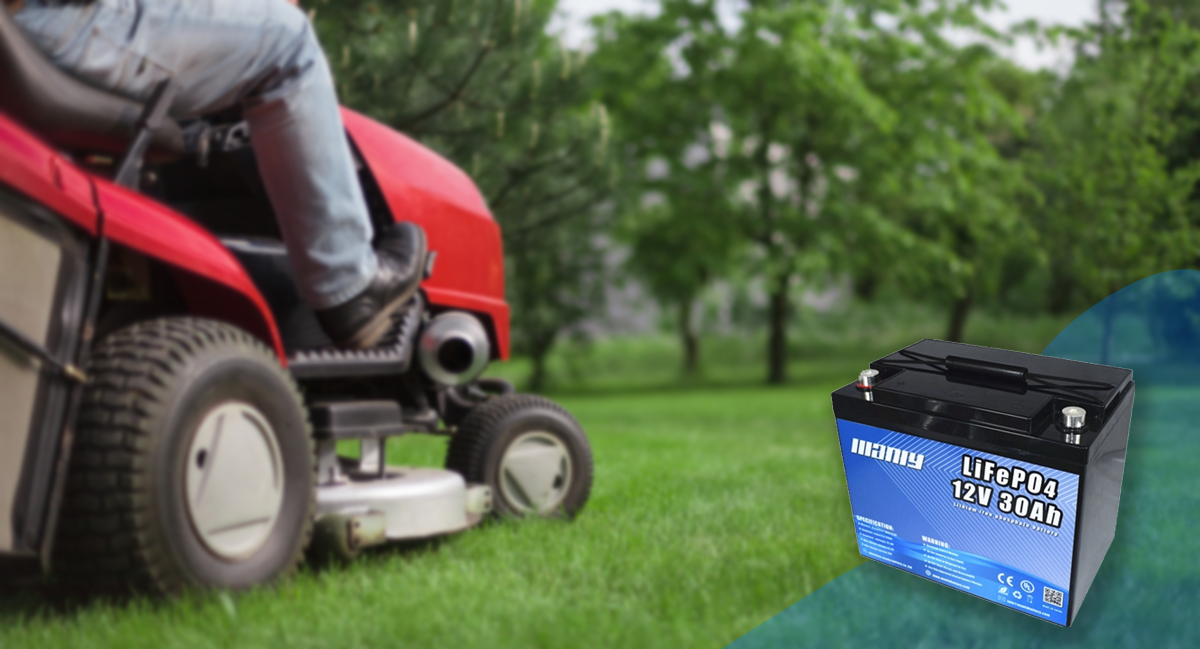
Image Source: manlybattery.com
Factors Influencing Lawn Mower Battery Life
Several elements play a role in determining how long your lawn mower battery will serve you. From the inherent capabilities of the battery itself to how you operate and care for your mower, each aspect contributes to its overall lifespan.
Battery Type and Chemistry
The most significant factor impacting how long a lawn mower battery lasts is its type and the underlying battery chemistry.
- Lead-Acid Batteries: These are the traditional powerhouses for many riding mowers. They are robust and can handle high starting currents. However, they are also heavy and require regular maintenance like checking water levels. Their lifespan is typically 3-5 years.
- Lithium-ion (Li-ion) Batteries: Becoming increasingly common in modern electric and even some smaller gas mowers, Li-ion batteries offer lighter weight, faster charging, and longer cycle life. They generally last longer than lead-acid batteries, often reaching 5-8 years with proper care.
Lawn Mower Battery Capacity and Voltage
The lawn mower battery capacity, measured in Ampere-hours (Ah), indicates how much energy the battery can store. A higher capacity generally means your mower can run for longer on a single charge. Similarly, lawn mower battery voltage (V) dictates the power output. While voltage doesn’t directly dictate lifespan, a battery operating at its optimal voltage range is less stressed.
Usage Patterns and Frequency
How often you mow and the size of your lawn directly impact battery wear.
- Frequent Mowing: Mowing a large yard weekly will put more strain on the battery than mowing a small yard bi-weekly.
- Terrain: Mowing on hilly or thick grass requires more power, draining the battery faster and potentially shortening its overall lawn mower battery lifespan.
- Mowing Conditions: Mowing wet or overgrown grass demands more from the mower’s motor, which in turn draws more power from the battery.
Environmental Factors and Storage
Exposure to extreme temperatures and improper storage can significantly degrade battery performance and shorten its life.
- Extreme Heat: High temperatures can accelerate chemical reactions within the battery, leading to premature failure.
- Extreme Cold: While cold temperatures reduce immediate performance, prolonged exposure can also damage the battery’s internal components.
- Improper Storage: Leaving a battery fully discharged for extended periods, or storing it in damp conditions, can cause irreparable damage.
Charging Habits and Maintenance
How you charge your mower and the lawn mower battery maintenance you perform are critical for maximizing electric lawn mower battery life.
- Overcharging/Undercharging: Modern chargers usually prevent overcharging, but consistently leaving a battery on the charger long after it’s full can still cause some stress. Conversely, frequently running the battery down to zero can also shorten its life.
- Deep Discharges: Repeatedly draining the battery completely can reduce its overall capacity over time.
- Regular Cleaning: Keeping the battery terminals clean ensures a good electrical connection, preventing power loss and potential damage.
Comprehending Riding Mower Battery Duration
For those with riding lawn mowers, the riding mower battery duration is a key concern. These batteries are typically larger lead-acid types and are responsible for starting the engine, powering lights, and running any accessories.
Typical Riding Mower Battery Life
A well-maintained lead-acid battery in a riding mower can generally last between 3 to 5 years. However, this is an average. Factors like the quality of the battery, how often the mower is used, and the climate it operates in all play a role.
What Affects Riding Mower Battery Duration?
- Usage Intensity: Heavy-duty tasks like mowing large areas, towing, or using attachments can shorten the battery’s effective duration per charge and contribute to faster overall wear.
- Charging System Health: A faulty charging system on the mower itself can lead to undercharging or overcharging, both detrimental to battery health.
- Winter Storage: Properly storing a riding mower battery during winter is crucial. If left in a cold, discharged state, it can be permanently damaged.
Maximizing Electric Lawn Mower Battery Life
The advent of electric mowers has brought a new set of considerations for battery longevity. Electric lawn mower battery life is often determined by the technology of the Li-ion battery used and how the user interacts with it.
Understanding Cycle Life
Electric mower batteries are rated for a certain number of charge-discharge cycles. Each time you fully charge and discharge the battery, it counts as one cycle. More cycles mean a longer overall lifespan.
Best Practices for Electric Mower Batteries
- Avoid Extreme Discharges: Try not to let your electric mower’s battery completely die. If you notice the power significantly decreasing, it’s often best to stop and recharge.
- Charge in Moderate Temperatures: Charge your battery when the ambient temperature is between 40°F and 80°F (4°C and 27°C) for optimal performance and longevity.
- Use the Correct Charger: Always use the charger specifically designed for your mower’s battery. Using an incorrect charger can lead to inefficient charging or damage.
- Seasonal Storage: For extended storage (e.g., over winter), charge the battery to about 50-70% capacity and store it in a cool, dry place. Many modern electric mowers have a storage mode feature to help with this.
How to Extend Lawn Mower Battery Life
Regardless of the type of mower you own, there are proactive steps you can take to extend your battery’s service life. Good lawn mower battery maintenance is key.
Regular Cleaning and Inspection
- Terminal Cleaning: Periodically clean the battery terminals with a wire brush and a baking soda/water paste. This removes corrosion, ensuring good electrical contact. Rinse with water and dry thoroughly.
- Inspect for Damage: Check the battery casing for cracks, leaks, or swelling. If you find any damage, the battery should be replaced immediately.
- Secure Mounting: Ensure the battery is securely mounted in its tray. Vibrations can loosen connections and cause damage.
Proper Charging Techniques
- Follow Manufacturer Recommendations: Always adhere to the charging instructions provided in your mower’s manual.
- Avoid Frequent Trickle Charging: While not as damaging as overcharging, constantly topping off a battery that’s only slightly depleted can create heat and stress. Charge when needed.
- Monitor Charging Time: Be aware of the lawn mower battery charging time. For lead-acid batteries, overcharging can occur if left connected to an old-style charger. Modern smart chargers mitigate this risk.
Seasonal Care and Storage
- Winter Storage: For lead-acid batteries, charge them fully before storing. It’s advisable to put them on a trickle charger or smart charger during the winter months. For Li-ion batteries, store at a partial charge as mentioned earlier.
- Avoid Extreme Temperatures: Store your mower (and its battery) in a place protected from extreme heat and cold when not in use. A garage or shed is ideal.
Consistent Usage
Using your mower regularly, even for short periods, can be beneficial. This helps keep the battery from sitting in a discharged state for too long. However, avoid overworking the battery by mowing excessively long grass or very large areas without a break.
Battery Specifications: Voltage and Capacity Explained
Delving deeper into the technical aspects can help you make informed decisions and care for your battery more effectively.
Lawn Mower Battery Voltage (V)
Voltage is the electrical “pressure” that pushes current through the mower’s circuits. Common voltages for lawn mower batteries include:
- 12V: This is the standard for most riding mowers. It’s sufficient to crank the engine and power the mower’s systems.
- 36V, 40V, 48V, 56V, 80V, 100V+: These higher voltages are typically found in electric mowers and push mowers. Higher voltage often translates to more power and efficiency for the motor.
Lawn Mower Battery Capacity (Ah)
Capacity, measured in Ampere-hours (Ah), tells you how much current the battery can deliver over time. A higher Ah rating means the battery can power the mower for a longer duration on a single charge.
- Example: A 50Ah battery can theoretically deliver 5 amps for 10 hours, or 10 amps for 5 hours.
- For Electric Mowers: Higher Ah ratings on Li-ion batteries mean longer mowing times before needing a recharge.
Lawn Mower Battery Replacement Cost
When your battery eventually reaches the end of its lawn mower battery lifespan, you’ll need to consider the lawn mower battery replacement cost. This can vary widely depending on the type and size of the battery.
- Riding Mower Batteries (Lead-Acid): Typically range from $80 to $200. High-CCA (Cold Cranking Amps) batteries for more powerful engines may cost more.
- Electric Mower Batteries (Li-ion): These are generally more expensive, ranging from $150 to $500 or even more for high-capacity, multi-voltage systems. The cost reflects the advanced technology and materials used.
Factors Influencing Replacement Cost
- Brand Reputation: Premium brands often come with a higher price tag but may offer better performance and longer warranties.
- Capacity (Ah) and Voltage (V): Larger capacity and higher voltage batteries naturally cost more.
- Warranty: Batteries with longer warranties often have a higher upfront cost but provide better value over their lifespan.
- Specialized Features: Batteries with advanced battery management systems (BMS) for Li-ion, or specific terminal types, can also affect the price.
Maintaining Your Lawn Mower Battery
Effective lawn mower battery maintenance is not just about extending its life; it’s also about ensuring reliable performance whenever you need to mow.
Lead-Acid Battery Maintenance
- Water Levels: For non-sealed lead-acid batteries, regularly check the electrolyte levels. If they are low, top them up with distilled water only. Never use tap water, as minerals can damage the battery.
- Keep Terminals Clean: As mentioned earlier, clean terminals are essential for good conductivity.
- Avoid Deep Discharges: Try to recharge the battery before it is fully depleted.
- Use a Smart Charger: A smart charger can monitor the battery’s state and adjust the charging current, preventing overcharging and prolonging battery life.
Lithium-ion Battery Maintenance
- Follow Manufacturer Guidelines: Li-ion batteries are more sophisticated and often require less direct maintenance. However, always consult your owner’s manual for specific care instructions.
- Charge Appropriately: Avoid extreme charging temperatures and don’t leave the battery fully discharged for extended periods.
- Store Properly: For long-term storage, aim for a partial charge (50-70%) in a moderate temperature environment.
Troubleshooting Common Battery Issues
Even with the best care, you might encounter problems. Here’s a quick guide to common issues.
Slow Cranking or No Start (Riding Mowers)
- Check Connections: Ensure battery terminals are clean and tight.
- Test Voltage: Use a multimeter to check the battery voltage. If it’s significantly below 12V, it may need charging or replacement.
- Battery Age: If the battery is several years old, it might simply be at the end of its life.
Electric Mower Not Starting or Running Slowly
- Check Battery Charge: Ensure the battery is adequately charged.
- Inspect Battery Connections: Make sure the battery is seated correctly and connections are clean.
- Review Display: Many electric mowers have a battery status indicator or error codes. Consult your manual.
- Battery Fault: In rare cases, the battery’s internal management system might have failed.
Battery Not Holding a Charge
- Age: This is a common symptom of an aging battery.
- Sulfation (Lead-Acid): If a lead-acid battery is left discharged for too long, lead sulfate crystals can form, reducing capacity and the ability to hold a charge.
- Internal Damage: Damage from extreme temperatures or physical impact can also cause this.
Selecting the Best Lawn Mower Battery Life
When purchasing a new battery, consider not just the initial cost but also the best lawn mower battery life it offers.
- Research Brands: Look for reputable brands known for battery quality and reliability.
- Read Reviews: User reviews can provide real-world insights into a battery’s performance and longevity.
- Consider Warranty: A longer warranty period is often an indicator of a manufacturer’s confidence in their product’s durability.
- Match Specifications: Ensure the new battery’s voltage and capacity are compatible with your mower. For riding mowers, also check the CCA rating.
Frequently Asked Questions (FAQ)
Q1: How often should I charge my electric lawn mower battery?
A1: It’s best to charge your electric mower battery after each use, or when the charge level drops to around 20-30%. Avoid consistently letting it drain completely.
Q2: Can I use a different charger for my lawn mower battery?
A2: It is strongly recommended to use only the charger provided by the manufacturer or a certified equivalent. Using the wrong charger can damage the battery and may void your warranty.
Q3: What is the average lawn mower battery charging time?
A3: Lawn mower battery charging time varies greatly. Smaller electric push mower batteries might take 1-2 hours, while larger riding mower batteries or high-capacity Li-ion batteries can take anywhere from 3 to 12 hours to fully charge, depending on the charger and battery capacity.
Q4: My riding mower battery is old, is it time for a replacement?
A4: If your riding mower is struggling to start, cranks slowly, or the lights are dim, and the battery is over 3 years old, it’s likely time for a replacement. You can also have it tested at an auto parts store.
Q5: What does CCA mean for lawn mower batteries?
A5: CCA stands for Cold Cranking Amps. It’s a rating, primarily for lead-acid batteries used in riding mowers, that indicates how many amps the battery can deliver for 30 seconds at 0°F (-18°C) without dropping below 7.2 volts. A higher CCA rating means better starting power, especially in colder conditions.
Q6: How do I know if my battery is bad?
A6: Signs of a bad battery include slow cranking or failure to start, dim lights, a swollen or cracked casing, corrosion on the terminals, and inability to hold a charge. You can also have the battery load tested at a service center.
By adhering to these expert tips and maintaining a proactive approach to your lawn mower battery care, you can significantly extend its lifespan and ensure your mower is always ready to tackle your lawn.