
Can I fix holes in my lawn quickly? Yes, you can fix holes in your lawn quickly by following a few simple steps using readily available materials. This guide will walk you through the best ways to fill those unsightly divots and get your lawn looking its best again.
A beautiful, lush lawn is the pride of any homeowner. However, over time, even the most well-maintained lawn can develop holes and bare patches. These imperfections can be caused by various factors, from errant golf balls and pet activity to heavy foot traffic and soil erosion. Whatever the culprit, lawn repair is often a necessary task to restore your yard’s aesthetic appeal and health. This comprehensive guide will cover the most effective methods for filling lawn divots and patching bare spots, ensuring you can tackle this common landscaping challenge with confidence and achieve fast, lasting results.
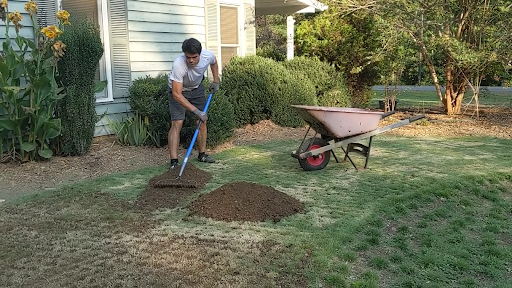
Image Source: proplugger.com
Why Do Lawn Holes Appear?
Before we dive into the solutions, it’s helpful to understand what causes holes in your lawn. Identifying the root cause can help prevent future occurrences.
Common Causes of Lawn Holes:
- Animal Activity: Dogs digging for moles or burying bones, or other small animals burrowing can create significant holes.
- Heavy Foot Traffic: Areas where people frequently walk or gather can become compacted, leading to bare spots and shallow depressions.
- Equipment Damage: Lawn mowers, aerators, or other heavy equipment can inadvertently cause damage, especially around the edges.
- Soil Erosion: Heavy rainfall without adequate ground cover can wash away topsoil, leaving holes and uneven surfaces.
- Pests: Grubs or other soil-dwelling insects can damage grass roots, causing patches to die and collapse, forming holes.
- Frost Heaving: In colder climates, freezing and thawing cycles can push soil upwards, creating gaps.
- Poor Soil Quality: In areas with poor lawn soil amendment, the grass may struggle to establish a strong root system, making it more susceptible to damage and hole formation.
The Fastest Ways to Fill Lawn Holes
When time is of the essence, speed and efficiency are key. Here are the quickest methods for tackling those lawn holes:
Method 1: Quick Patch with Topsoil and Seed
This is often the fastest and most cost-effective DIY approach for smaller to medium-sized holes.
Materials You’ll Need:
- Shovel or trowel
- Rake
- Good quality topsoil or compost
- Appropriate grass seed mixture
- Watering can or hose with a gentle spray nozzle
- Optional: Starter fertilizer
Step-by-Step Process:
- Prepare the Hole: Use your shovel or trowel to remove any loose debris, rocks, or dead grass from the hole. Lightly loosen the soil at the bottom of the hole to help new roots penetrate.
- Fill with Soil: Fill the hole with your chosen topsoil or compost, bringing it up to about half an inch below the surrounding lawn level. This accounts for the seed and the soil settling. If you’re dealing with larger holes, consider using a specialized lawn leveler product that’s designed for this purpose.
- Add Grass Seed: Evenly distribute your grass seed mixture over the filled area. The amount of seed needed will depend on the size of the hole and the recommendations on the seed packaging.
- Rake Lightly: Gently rake the seeded area to ensure good seed-to-soil contact. This also helps to lightly cover the seeds with a thin layer of soil.
- Water Gently: Water the area thoroughly but gently. Avoid strong streams of water, which can wash away the seeds. The goal is to keep the soil consistently moist, not waterlogged.
- Apply Starter Fertilizer (Optional): If you have starter fertilizer, apply it according to the package directions. This will give the new grass seedlings a nutritional boost.
- Maintain Moisture: Keep the area moist until the new grass is established. This might mean watering lightly once or twice a day, depending on the weather.
Method 2: Instant Fix with Lawn Sod Repair
For immediate results and when appearance is paramount, lawn sod repair is an excellent option. This method provides an instant green patch.
Materials You’ll Need:
- Sharp knife or sod cutter
- Shovel or trowel
- Good quality topsoil
- Pre-sprouted sod (matching your existing lawn type)
- Watering can or hose
Step-by-Step Process:
- Prepare the Hole: Clean out the hole as described in Method 1. Ensure the base is firm and level.
- Fill with Soil: Add topsoil to the hole, leaving enough space for the sod to sit flush with the surrounding lawn.
- Cut and Fit Sod: Carefully cut a piece of sod to fit the shape and size of the hole. You might need to trim the edges for a snug fit.
- Place the Sod: Gently press the new sod into the prepared hole, ensuring good contact with the soil below.
- Water Thoroughly: Water the new sod generously. It’s crucial to keep the sod moist during its establishment period.
- Water Regularly: Water the new sod daily for the first week or two, or until it has rooted firmly into the soil.
Advanced Lawn Repair Techniques for Deeper Holes
For larger or deeper holes, a multi-step approach might be necessary to ensure a lasting repair.
Method 3: Filling Deeper Holes with Layers
When holes are significant, simply filling them with topsoil might lead to settling or uneven growth. Layering provides a more stable repair.
Materials You’ll Need:
- Shovel
- Rake
- Coarse gravel or small stones (for drainage in very deep holes)
- Compost or good quality topsoil
- Grass seed mixture
- Watering can or hose
Step-by-Step Process:
- Excavate and Assess: Remove loose material from the hole. If the hole is very deep, consider if drainage is an issue.
- Add Drainage Layer (Optional): For very deep holes that might hold water, add a 2-3 inch layer of coarse gravel or small stones at the bottom for improved drainage.
- Fill with Compost/Topsoil: Begin filling the hole with layers of compost or good quality topsoil. It’s best to fill in 4-6 inch increments, lightly tamping each layer. This helps prevent excessive settling.
- Bring to Level: Continue filling until the soil level is about half an inch below the surrounding lawn surface.
- Seed and Rake: Spread your grass seed mixture evenly over the repaired area. Gently rake to ensure good seed-to-soil contact.
- Water Consistently: Water the area thoroughly and keep it consistently moist until the grass is well-established.
Method 4: The “Lawn Leveler” Approach for Significant Undulations
For areas with widespread unevenness or large, shallow depressions, a product specifically designed as a lawn leveler can be highly effective. These are often a blend of sand, soil, and sometimes a slow-release fertilizer.
Materials You’ll Need:
- Lawn leveler material (available at garden centers)
- Shovel
- Rake
- Watering can or hose
- Optional: Grass seed (if the leveler doesn’t contain any)
Step-by-Step Process:
- Spread the Leveler: Apply a thin layer of the lawn leveler material over the low spots. Don’t try to fill deep holes with one thick layer, as this can smother existing grass.
- Rake into Place: Use a rake to work the leveler material into the existing turf. This allows air and light to reach the grass roots.
- Seed (If Necessary): If the leveler doesn’t contain grass seed, or if you’re patching bare spots, sprinkle grass seed mixture over the leveled areas.
- Water: Water the entire area gently.
- Repeat if Needed: For significant depressions, you may need to repeat this process over several weeks, adding thin layers at a time.
Choosing the Right Grass Seed
Selecting the correct grass seed mixture is crucial for successful lawn repair and patching bare spots. The best choice depends on your region, the type of grass you currently have, and the environmental conditions.
Factors to Consider When Selecting Seed:
- Climate: Different grass types are suited for warm or cool climates. Cool-season grasses (like Fescue, Ryegrass, Kentucky Bluegrass) thrive in moderate temperatures, while warm-season grasses (like Bermuda, Zoysia) do best in heat.
- Sunlight: Does the area receive full sun, partial shade, or deep shade? Choose seeds that are suited to the light conditions.
- Foot Traffic: If the area experiences a lot of foot traffic, opt for a durable grass type.
- Existing Lawn Type: Ideally, choose a seed mixture that closely matches your current lawn’s grass type for a uniform appearance. Blends of Kentucky Bluegrass and Perennial Ryegrass are common for a hardy, attractive lawn.
- Drought Tolerance: If you live in an area prone to dry spells, select drought-tolerant varieties.
Seeding Dead Grass Areas:
When you’re seeding dead grass patches, ensure all dead grass is removed. The process is similar to filling any other hole – prepare the soil, add seed, and keep it moist. For larger areas of dead grass, consider overseeding lawn in the fall or spring for overall lawn rejuvenation.
Essential Lawn Maintenance Practices
Preventing holes is as important as fixing them. Incorporating good lawn maintenance practices can significantly reduce the occurrence of divots and bare patches.
Tips for Lawn Health and Hole Prevention:
- Regular Aeration: Aerating your lawn helps reduce soil compaction, allowing air, water, and nutrients to reach the roots. This strengthens the turf and makes it more resistant to damage.
- Proper Mowing: Mow at the correct height for your grass type. Taller grass develops deeper roots, making it more resilient. Avoid cutting more than one-third of the grass blade at a time.
- Consistent Watering: Water deeply but infrequently. This encourages deep root growth, which anchors the soil and makes the lawn more robust.
- Fertilization: Feed your lawn with appropriate fertilizers at the right times of the year. A well-fed lawn is a healthy lawn.
- Pet Management: If pets are a cause of holes, consider designated digging areas or training them to avoid certain parts of the yard. Promptly fill and repair areas damaged by pets.
- Address Soil Issues: If you have persistent problems with holes, it might indicate underlying issues with your lawn soil amendment. Consider a soil test to identify nutrient deficiencies or pH imbalances.
Troubleshooting Common Lawn Repair Issues
Even with the best efforts, you might encounter a few snags during your lawn repair project.
What if the Seed Doesn’t Germinate?
- Check Moisture: The most common reason for poor germination is insufficient moisture. Ensure the area is kept consistently damp.
- Seed-to-Soil Contact: If the seed wasn’t properly raked into the soil, it might not have germinated.
- Temperature: Grass seed has specific temperature requirements for germination. If it’s too hot or too cold, germination may be delayed or fail.
- Seed Quality: Ensure you used fresh, viable seed.
What if the New Grass Dies?
- Watering Issues: Either too much or too little water can kill new grass.
- Sunlight Exposure: If the new grass isn’t getting adequate or appropriate sunlight for its type, it may struggle.
- Pest or Disease: Inspect the area for signs of pests or fungal diseases.
- Soil Compaction: If the soil was too compacted, even with amendments, new roots might struggle to establish.
What if the Patch Doesn’t Match?
- Seed Variety: If you used a different grass seed mixture, the color and texture might not match perfectly.
- Environmental Factors: The new grass might grow slightly differently due to variations in sunlight, water, or soil nutrients.
- Sod Quality: If using sod repair, ensure the sod is healthy and matches your existing turf.
Frequently Asked Questions (FAQ)
Q1: What is the best way to fill holes in my lawn quickly?
A1: The quickest methods involve using topsoil and grass seed for smaller holes or using lawn sod repair for an instant fix. Both require proper preparation and consistent watering.
Q2: Can I use any type of soil to fill lawn holes?
A2: It’s best to use a good quality topsoil or compost. Avoid using heavy clay soils or materials that may compact easily. A good lawn soil amendment will provide the nutrients and structure needed for new grass to grow.
Q3: How deep can I fill a hole before it becomes a problem?
A3: For holes up to 4-6 inches deep, layering with topsoil or compost is usually sufficient. For deeper holes, consider adding a drainage layer at the bottom or consulting a professional.
Q4: When is the best time to patch bare spots in my lawn?
A4: The ideal time for patching bare spots depends on your grass type. Cool-season grasses germinate best in fall or early spring. Warm-season grasses are best repaired in late spring or early summer.
Q5: How do I prevent my dog from digging holes in the lawn?
A5: Consider providing a designated digging area for your pet, training them to avoid certain lawn areas, or using pet-repellent products. Promptly repair any damage caused by digging.
Q6: Is overseeding my lawn a good way to fill small holes?
A6: Overseeding lawn is excellent for general lawn health and filling in sparse areas. While it can help fill very minor depressions, it’s not the primary method for distinct holes. You’ll still need to fill the hole with soil before seeding.
Q7: How long does it take for grass seed to grow in repaired holes?
A7: Germination times vary depending on the grass type and environmental conditions, but you can typically expect to see seedlings within 7-21 days. Full establishment can take several weeks.
Q8: What is a lawn leveler and when should I use it?
A8: A lawn leveler is a specialized mixture, often of sand and soil, designed to fill low spots and smooth out uneven lawn surfaces. Use it for widespread minor depressions rather than distinct, deep holes.
By following these detailed steps and expert tips, you can effectively tackle lawn repair, fill those troublesome holes, and restore your lawn to its former glory, creating a lush, green carpet you can be proud of. Remember, consistent maintenance is key to preventing future issues and keeping your lawn looking its best.