
What is the best way to keep a lawn green in hot weather? The best way involves a combination of smart watering, choosing the right grass, and maintaining good soil health.
The sweltering heat of summer can be tough on any lawn. Brown, dry patches can appear quickly, leaving your once-vibrant green space looking sad and neglected. But don’t despair! With the right approach, you can keep your grass looking lush and healthy, even during the hottest months. This guide offers expert tips and strategies to help you maintain a beautiful, green lawn throughout the summer.
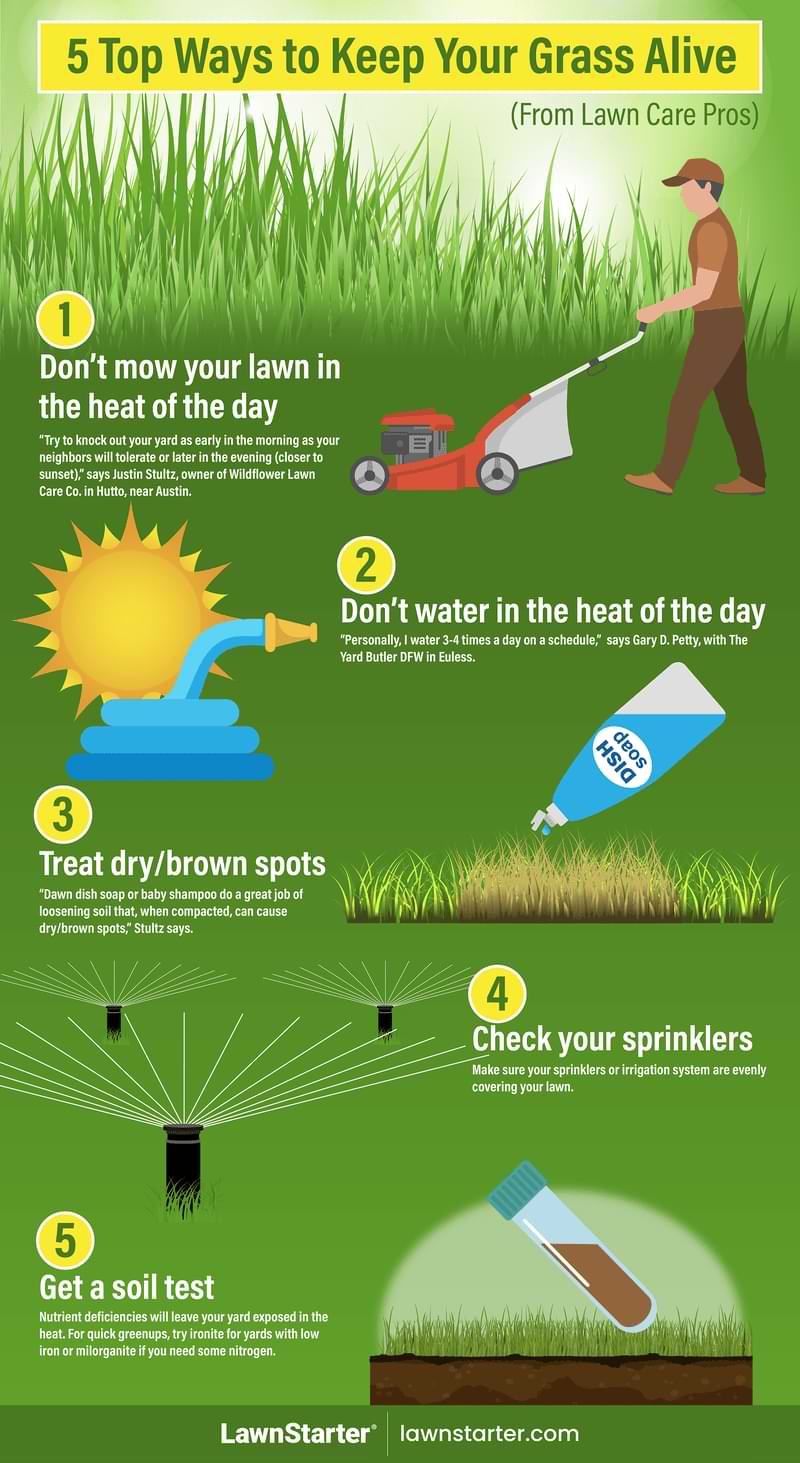
Image Source: www.lawnstarter.com
Mastering Watering Techniques
Watering is crucial, but how you water matters even more in hot weather. The goal is to encourage deep root growth, making your lawn more resilient to heat and drought.
The Best Time to Water
- Early Morning is Key: The ideal time to water your lawn is in the early morning, generally between 4 AM and 10 AM.
- Why it’s best: This allows the water to soak into the soil before the sun gets too hot and causes evaporation. Watering in the morning also helps prevent fungal diseases. When you water in the evening, the grass blades stay wet longer, creating a perfect environment for fungi to thrive.
- Avoid Midday Watering: Watering during the hottest part of the day is inefficient. Much of the water will evaporate before it can reach the grass roots.
- Evening Watering (with caution): While not ideal, if you must water in the evening, do so earlier rather than later. Aim to finish watering at least a few hours before sunset so the grass has time to dry.
How Much Water Does Your Lawn Need?
- Deep and Infrequent Watering: Instead of light, frequent watering, aim for deep watering. This encourages grass roots to grow deeper into the soil, searching for moisture. Deep roots make the grass more resistant to drought and heat stress.
- The “Soak and Dry” Method: Water deeply until the soil is moist several inches down. Then, let the soil dry out somewhat before watering again. This cycle promotes strong root development.
- General Guideline: Most established lawns need about 1 to 1.5 inches of water per week, including rainfall. You can measure this by placing rain gauges or empty cans on your lawn while watering.
Watering Equipment and Methods
- Sprinkler Systems: Ensure your sprinklers are working correctly.
- Coverage: Check for even coverage. Dry spots indicate problems with sprinkler head placement or pressure.
- Efficiency: Consider investing in water-efficient sprinklers or smart irrigation systems that adjust watering based on weather conditions.
- Hose-End Sprinklers: If using a hose-end sprinkler, move it around the lawn to ensure all areas receive adequate water.
- Drip Irrigation: While more common for gardens, drip irrigation can be highly efficient for watering the base of trees and shrubs near your lawn, reducing water loss.
Choosing Drought-Tolerant Grass Varieties
The type of grass you have makes a significant difference in its ability to withstand heat. Some grasses are naturally better suited to hot, dry conditions.
Cool-Season vs. Warm-Season Grasses
- Cool-Season Grasses: These grasses, like fescue, ryegrass, and Kentucky bluegrass, thrive in cooler temperatures (spring and fall). They tend to go dormant (turn brown) in hot summer weather as a survival mechanism.
- Keeping them green: Requires meticulous watering and care.
- Warm-Season Grasses: These grasses, such as Bermuda, Zoysia, and St. Augustine, are designed for hot climates. They grow best when temperatures are high and generally stay green throughout the summer.
- Best for hot weather: If you live in a region with consistently hot summers, consider overseeding with or converting to a warm-season grass for easier lawn maintenance.
Popular Drought-Tolerant Grasses
- Bermuda Grass: Very drought-tolerant and recovers well from dormancy. It’s excellent for hot, sunny areas but can be invasive.
- Zoysia Grass: Forms a dense, tough turf that is highly resistant to drought and wear. It greens up later in spring and goes dormant earlier in fall than Bermuda.
- Tall Fescue (especially newer varieties): While a cool-season grass, newer cultivars of tall fescue have significantly improved drought tolerance and heat resistance. They can often stay green longer into the summer than other cool-season grasses.
- Centipede Grass: Low-maintenance and tolerates heat and humidity well, but it prefers acidic soil and is not as wear-tolerant as other warm-season grasses.
Nurturing Soil Health
Healthy soil is the foundation of a healthy lawn. Good soil structure retains moisture, provides essential nutrients, and supports strong root growth, all of which are vital for surviving summer heat.
Improving Soil Structure
- Aeration: This process involves removing small plugs of soil from your lawn.
- Benefits: Aeration allows water, air, and nutrients to penetrate the soil more easily, reaching the grass roots. It also helps alleviate soil compaction, which is common in high-traffic areas and can hinder root growth.
- When to aerate: For cool-season grasses, the best time is during their active growth periods in early fall or spring. For warm-season grasses, aerate in late spring or early summer as they begin their active growth.
- Topdressing: After aeration, topdressing with a thin layer of compost or high-quality topsoil can further improve soil structure and fertility.
- Soil Testing: Get your soil tested to determine its pH and nutrient levels. This will guide your fertilization and amendment decisions. Most grasses prefer a slightly acidic to neutral pH (6.0-7.0).
Adding Organic Matter
- Compost: Regularly adding compost to your lawn is one of the best ways to improve soil health. Compost acts as a natural fertilizer, improves soil structure, and increases its ability to hold moisture.
- Mulching: Grass clippings left on the lawn after mowing (mulch mowing) return nutrients and organic matter to the soil.
Implementing Shade Solutions
While most lawns need sun, excessive direct sunlight, especially during the hottest part of the day, can stress the grass. Strategic shade can make a big difference.
Natural Shade
- Tree Pruning: Prune the lower branches of trees to allow more sunlight to reach the grass. Overgrown trees can create too much shade, weakening the grass.
- Strategic Planting: If possible, consider planting trees or large shrubs strategically to cast shade on your lawn during the hottest afternoon hours. Choose native trees that are well-suited to your climate.
Artificial Shade
- Shade Cloths or Tarps: For temporary shade during extreme heat waves, you can use shade cloths or tarps supported by stakes or poles. Ensure these are secured well to prevent them from blowing away.
- Umbrellas: Large patio umbrellas can be moved around to provide shade to specific, particularly vulnerable areas of your lawn.
Smart Fertilization Strategies
Fertilizing at the wrong time or with the wrong type of fertilizer can harm your lawn in hot weather.
When to Fertilize
- Avoid Summer Fertilization for Cool-Season Grasses: Fertilizing cool-season grasses during the peak of summer heat can force them into rapid growth, which they cannot sustain under stress. This can lead to burning and damage.
- Best times: Fertilize cool-season grasses in early fall and spring.
- Fertilize Warm-Season Grasses: Warm-season grasses actively grow in summer and can benefit from fertilization during this period.
- Timing: Fertilize warm-season grasses in late spring and again in mid-summer.
What Type of Fertilizer to Use
- Slow-Release Nitrogen: Opt for fertilizers with slow-release nitrogen. This provides a steady supply of nutrients over time, promoting more consistent growth without sudden bursts that can stress the grass.
- Potassium (K): Potassium is crucial for stress tolerance, including heat and drought. Fertilizers with a higher potassium content can help strengthen your lawn.
- Avoid High-Nitrogen Fertilizers in Summer: These can encourage top growth at the expense of root development and make the grass more susceptible to heat and disease.
Proactive Pest and Weed Management
Pests and weeds compete with your grass for water and nutrients, making it harder for your lawn to thrive in hot weather.
Pest Control
- Identify Pests: Learn to identify common lawn pests in your area, such as grubs, chinch bugs, and armyworms.
- Integrated Pest Management (IPM): IPM combines biological, cultural, physical, and chemical tools to manage pests.
- Healthy Lawn First: A healthy, well-maintained lawn is more resistant to pests.
- Beneficial Insects: Encourage natural predators of pests.
- Targeted Treatments: If a pest problem becomes severe, use targeted treatments only where needed, preferably with organic or less toxic options.
- Monitor Regularly: Inspect your lawn regularly for signs of pest damage. Early detection is key.
Weed Management
- Healthy Turf: The best defense against weeds is a thick, healthy lawn. Healthy grass crowds out weeds, preventing them from establishing.
- Manual Removal: For small infestations, hand-pulling weeds is effective, especially after rain when the soil is soft.
- Herbicides:
- Timing: Apply herbicides during cooler parts of the day, preferably in the early morning or late evening, to avoid damaging the grass.
- Type: Choose herbicides that are safe for your grass type and target the specific weeds you are dealing with.
- Spot Treatment: Spot treat weeds rather than applying herbicides to the entire lawn if possible.
- Pre-Emergent Herbicides: These can be applied in early spring to prevent weed seeds from germinating.
Establishing a Lawn Care Schedule
A consistent lawn care schedule tailored to the summer months will help your lawn stay green and healthy.
Seasonal Adjustments
- Spring: Aeration, fertilization (if needed for cool-season grass), and pre-emergent weed control.
- Summer: Focus on proper watering, monitoring for pests and diseases, and minimal mowing. Avoid heavy fertilization.
- Fall: Aeration, overseeding (for cool-season grass), and fertilization to help the lawn recover and prepare for winter.
Mowing Practices
- Mow Higher: Raise your mower’s blade to a higher setting. Taller grass shades the soil, keeping it cooler and reducing moisture loss. It also encourages deeper root growth.
- Recommended Heights:
- Tall Fescue: 3-4 inches
- Bermuda Grass: 1-2 inches (can tolerate lower heights when healthy)
- Zoysia Grass: 1-2.5 inches
- Recommended Heights:
- Mow When Dry: Never mow wet grass. It can lead to clumping, uneven cuts, and spread diseases.
- Sharp Blades: Ensure your mower blades are sharp. Dull blades tear grass blades, leaving them susceptible to disease and dehydration.
- Don’t Remove More Than One-Third: Never remove more than one-third of the grass blade’s height in a single mowing.
Specific Considerations for Cool-Season Grasses
If you have a cool-season grass (like Kentucky bluegrass, fescue, or ryegrass), summer is its most challenging season.
Managing Dormancy
- Allow Dormancy: It’s often best to let cool-season grasses go dormant during extended periods of extreme heat and drought. Dormancy is a natural survival mechanism. The grass will turn brown but will typically green up again when cooler temperatures and adequate moisture return.
- Minimal Watering During Dormancy: While dormant, the lawn needs very little water, perhaps 0.5 inches every 2-3 weeks to keep the crown alive. Overwatering dormant grass can be harmful.
- Reduce Traffic: Avoid heavy foot traffic or activities on a dormant lawn, as this can damage the crowns and prevent recovery.
Keeping Cool-Season Grass Green
- Consistent, Deep Watering: If you are determined to keep your cool-season grass green, you will need to water deeply and consistently, even during hot spells. Aim for 1-1.5 inches of water per week, applied in the early morning.
- Light and Frequent Mowing: If you mow, ensure the grass is at its highest recommended height and that the mower blades are sharp.
- Avoid Fertilizing: As mentioned, do not fertilize during peak summer heat.
Lawn Care Schedule Summary Table
Here’s a general guideline for a summer lawn care schedule:
| Task | Cool-Season Grass | Warm-Season Grass | Notes |
|---|---|---|---|
| Watering | Deeply (1-1.5 inches/week), early morning | Deeply (1-1.5 inches/week), early morning | Adjust based on rainfall and heat. Focus on deep roots. |
| Mowing | Mow higher (3-4 inches), sharp blades, when dry | Mow higher (1-2 inches), sharp blades, when dry | Never remove more than 1/3 of the blade height. |
| Fertilization | Avoid (unless it’s a drought-tolerant variety) | Late spring and mid-summer (slow-release nitrogen) | Use potassium for stress tolerance. |
| Aeration | Avoid (best in spring/fall) | Late spring/early summer | Improves water and nutrient penetration. |
| Weed Management | Spot treat as needed | Spot treat as needed | Healthy turf is the best defense. |
| Pest Control | Monitor and treat as needed | Monitor and treat as needed | Early detection is crucial. |
| Topdressing/Amendments | Wait until fall | Light topdressing with compost if needed | Improves soil health and moisture retention. |
| Traffic | Minimize heavy traffic | Minimize heavy traffic | Reduces stress on the grass. |
Frequently Asked Questions (FAQ)
Q1: My lawn is turning brown. Is it dead?
A: Not necessarily. In hot weather, especially for cool-season grasses, browning is often a sign of dormancy. Dormant grass is not dead; it’s conserving energy. If you can still see green blades beneath the brown, or if the crown (the base of the grass plant) is green, it will likely recover when conditions improve.
Q2: How often should I water my lawn in the summer?
A: The frequency depends on your grass type, soil type, and weather conditions. The goal is to water deeply (1-1.5 inches) about once or twice a week, allowing the soil to dry slightly between waterings. The best time is early morning.
Q3: Can I use a weed killer when it’s hot?
A: It’s best to avoid applying herbicides during the hottest parts of the day (typically 10 AM to 4 PM). Heat can stress the grass, and herbicides can increase the risk of damage or burning. If you must use a weed killer, apply it in the early morning or late evening when temperatures are cooler. Always read and follow product label instructions carefully.
Q4: Should I stop mowing my lawn in extreme heat?
A: It’s not always necessary to stop mowing, but you should adjust your practices. Mow higher, ensure your blades are sharp, and never remove more than one-third of the grass blade’s height. Avoid mowing during the hottest part of the day. If your lawn is dormant, you can reduce mowing frequency significantly.
Q5: My neighbor’s lawn is still green. What are they doing differently?
A: Your neighbor might have a different grass type that’s more drought-tolerant, or they may be watering more frequently or deeply. They might also be using different fertilization or soil amendment strategies.
Keeping your lawn green and healthy during hot weather is achievable with the right knowledge and care. By focusing on proper watering techniques, choosing suitable grass varieties, nurturing your soil, and employing smart lawn care practices, you can enjoy a beautiful, vibrant lawn all summer long.