
Can you treat summer patch lawn disease easily? Yes, with the right approach and consistent care, you can manage and treat summer patch lawn disease effectively. This guide will walk you through the entire process, from identifying the disease to implementing preventative measures.
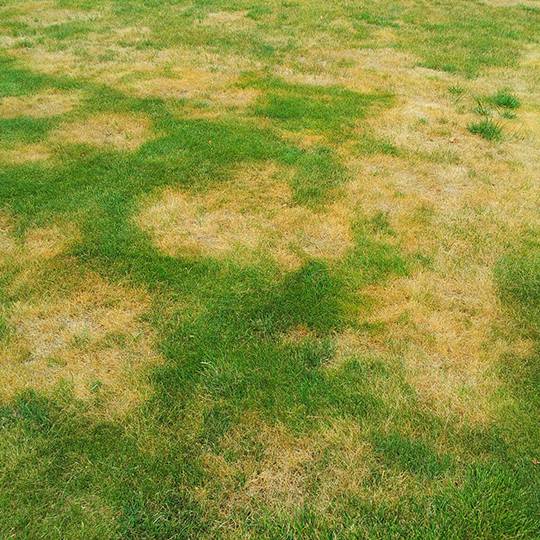
Image Source: www.cardinallawns.com
Pinpointing Summer Patch Lawn Disease
Diagnosing lawn problems can be tricky, as various issues can cause similar damage. Knowing how to identify summer patch lawn disease is the first step to a healthy lawn. It primarily affects cool season grasses like Kentucky bluegrass, fescues, and ryegrass. The disease is caused by a soil-borne fungus called Magnaporthe poae. It thrives in warm, humid conditions, typically during the summer months, hence its name.
Recognizing Summer Patch Symptoms
Summer patch symptoms often appear as circular or horseshoe-shaped patches of thinning or dead grass. These patches can vary in size from a few inches to several feet in diameter. Initially, the affected areas might appear yellowish-green before turning straw-colored and eventually brown. A key characteristic to look for is a darker, purplish-brown ring around the edge of the dying patches. Inside the patches, you might find thinning grass, with individual blades breaking easily when pulled. The root systems of affected plants will also be stunted and discolored, often dark brown or black.
Table 1: Distinguishing Summer Patch from Other Lawn Diseases
| Symptom | Summer Patch | Dollar Spot Disease | Anthracnose Disease |
|---|---|---|---|
| Patch Shape | Circular or horseshoe-shaped | Small, straw-colored spots (like silver dollars) | Irregular patches, often starting at the crown |
| Patch Color | Yellowish-green to straw-colored, then brown | Straw-colored, with a distinct tan border | Yellowish-brown, often with a dark border |
| Ring Formation | Dark, purplish-brown ring around the edge | Sometimes a slight web-like mycelium in humid conditions | Not a prominent feature |
| Root System | Stunted, discolored (dark brown/black) | Healthy, but shallow | Severely damaged, root rot often present |
| Grass Type | Primarily cool-season grasses | Wide range of grasses, including warm-season | Primarily cool-season grasses, especially bentgrass |
| Environmental Favoring | Warm, humid weather; compacted soil; drought stress | Moderate temperatures, high humidity, dew on grass | Hot, humid weather; over-watering; poor drainage |
Differentiating from Other Common Lawn Diseases
It’s crucial to differentiate summer patch from other common lawn diseases that can manifest similarly. Dollar spot disease, for instance, appears as small, circular patches about the size of a silver dollar. These patches are typically straw-colored and may have a slightly web-like appearance in the early morning dew. Anthracnose disease, on the other hand, often starts as irregular, yellowish-green patches that can turn brown. It’s more common on stressed turf and can cause basal rot.
Considering Other Lawn Issues
Beyond fungal diseases, other factors can mimic summer patch symptoms. Grubs in lawn can cause widespread thinning and browning as they feed on grass roots. If you suspect grubs, gently pull up a section of affected turf. If it rolls back easily like a carpet, grubs are likely the culprit. Drought stress can also lead to wilting and browning, especially during hot, dry periods. However, drought-stressed grass usually recovers when watered, whereas summer patch damage is permanent in the affected areas. Poa annua, also known as annual bluegrass, can also contribute to patchy areas, especially when it dies out in hot weather, creating a contrast with the surrounding turf.
Strategic Treatment Approaches for Summer Patch
Once you’ve confirmed summer patch, a multi-pronged strategy is essential for effective treatment and long-term management. This involves both curative and preventative measures.
Curative Treatments: Fungicide Application
Fungicide application is a primary curative treatment for summer patch. For best results, apply fungicides preventatively before the disease becomes severe. However, if you’ve identified the disease, applying a fungicide can help protect healthy grass from spreading infection.
Selecting the Right Fungicide
Choose a fungicide labeled for summer patch control. Many effective products contain active ingredients like propiconazole, thiophanate-methyl, or myclobutanil. Always read and follow the product label instructions carefully, as application rates, timing, and reapplication intervals are critical for success.
Timing Your Fungicide Application
The most effective time for fungicide application is during the spring and early summer, when temperatures are consistently between 60°F and 80°F, and soil temperatures are around 65°F. This is when the fungus is most active. Multiple applications may be necessary, spaced according to the fungicide label.
Application Techniques
- Calibration: Ensure your spreader or sprayer is calibrated correctly to apply the recommended rate.
- Coverage: Apply the fungicide evenly across the entire lawn, paying close attention to areas where the disease has appeared in the past.
- Watering: In some cases, light watering after application can help move the fungicide into the soil, but always check the product label for specific instructions.
Cultural Practices for Lawn Health
While fungicides help manage the disease, improving your lawn’s overall health is crucial for long-term prevention and recovery.
Optimizing Soil Conditions
- Soil Aeration: Compaction restricts air, water, and nutrient movement to the roots, making grass more susceptible to disease. Soil aeration, especially in the spring or fall, helps alleviate compaction. This allows for better root development and disease resistance.
- Soil pH: Summer patch thrives in slightly alkaline soils. Aim to maintain a soil pH between 6.0 and 6.5 for most cool-season grasses. Soil test kits can help you determine your current pH and guide you on amendments needed.
- Fertilization: Proper fertilization is key. Avoid over-fertilizing with nitrogen, as this can promote lush, weak growth susceptible to disease. Use a slow-release nitrogen fertilizer and follow a balanced fertility program based on soil test results.
Water Management
- Deep and Infrequent Watering: Water your lawn deeply but infrequently to encourage deep root growth. Shallow, frequent watering promotes shallow root systems, making grass more vulnerable to stress and disease.
- Avoid Evening Watering: Watering in the late evening or overnight can keep the grass blades wet for extended periods, creating an ideal environment for fungal growth. Water early in the morning so the grass has time to dry before nightfall.
Mowing Practices
- Mow at the Correct Height: Never remove more than one-third of the grass blade in a single mowing. Mowing too short can stress the grass and expose the soil, increasing the risk of disease. For most cool-season grasses, a mowing height of 2.5 to 3.5 inches is recommended.
- Clean Mower Blades: Dull mower blades tear grass, leaving it susceptible to disease. Keep your mower blades sharp.
Preventing Future Outbreaks
An ounce of prevention is worth a pound of cure when it comes to summer patch. Implementing a robust preventative maintenance program will significantly reduce the likelihood of future outbreaks.
Proactive Fungicide Applications
As mentioned earlier, proactive fungicide application in the spring and early summer is the most effective preventative measure. Even if you haven’t seen symptoms, applying a preventative fungicide when conditions are favorable for the disease can save your lawn from damage.
Enhancing Turf Resilience
- Overseeding: In the fall, consider overseeding thin areas with disease-resistant cultivars of cool-season grasses. This helps to build a more resilient turf stand.
- Manage Thatch: A thatch layer thicker than 0.5 inches can harbor diseases and insects. Dethatching in the spring or fall can help reduce thatch accumulation.
- Proper Drainage: Ensure your lawn has good drainage. Standing water can contribute to root rot and other diseases.
Stress Management
- Irrigation During Drought: During periods of drought stress, it’s essential to provide adequate water to your lawn. While deep and infrequent watering is the goal, during extreme drought, supplemental watering might be necessary to keep the grass alive and reduce stress.
- Avoid Traffic on Stressed Lawns: Limit foot traffic and heavy equipment use on your lawn when it is under stress from heat or drought, as this can further damage the weakened grass.
Frequently Asked Questions (FAQ)
Q1: What are the first signs of summer patch?
A1: The first signs are typically small, straw-colored or yellowish-green patches that can grow and merge into larger areas, often with a dark, purplish-brown ring around the edge.
Q2: Can I treat summer patch with just cultural practices?
A2: While improving cultural practices like proper watering, mowing, and aeration is vital for overall lawn health and disease resistance, they may not be enough to eliminate an established summer patch infection on their own. Fungicides are often necessary for curative treatment.
Q3: How long does it take for fungicide to work on summer patch?
A3: Fungicides typically take several days to a week to show visible results. However, they primarily work by preventing further fungal growth and protecting healthy grass. The damaged grass in the patches will not recover and will need to be reseeded.
Q4: When is the best time of year to reseed areas affected by summer patch?
A4: The best time to reseed is in the fall when temperatures are cooler and moisture is more reliable. This allows new grass seedlings to establish strong root systems before the stress of summer.
Q5: Are there any organic treatments for summer patch?
A5: Some organic fungicides and soil amendments can help improve lawn health and make it more resistant to disease. However, their efficacy against established summer patch may be limited, and they often require more frequent applications.
By following these steps and maintaining a vigilant approach, you can effectively treat and prevent summer patch lawn disease, ensuring a greener, healthier lawn throughout the year.