
Can you put fertilizer on your lawn multiple times a year? Yes, you absolutely can, and often should, but the frequency depends heavily on your grass type, climate, the type of fertilizer you use, and the specific goals you have for your lawn. Proper lawn fertilization is key to a healthy, vibrant green space, but overdoing it can lead to problems. This guide will walk you through everything you need to know to create an effective lawn fertilization schedule.
Image Source: www.canr.msu.edu
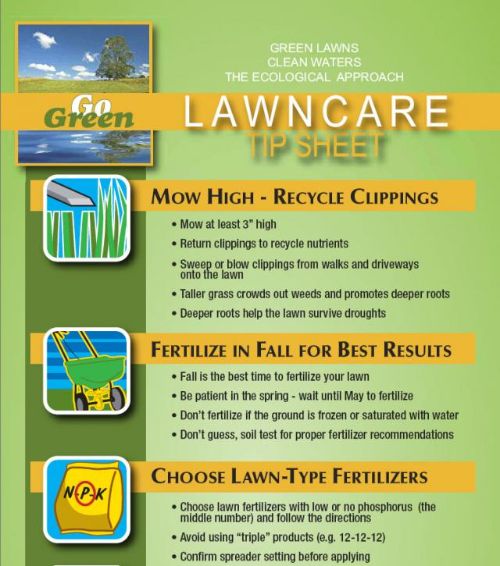
Deciphering Your Lawn’s Needs: Timing is Everything
The best time to fertilize lawn areas is not a one-size-fits-all answer. It hinges on when your grass is actively growing and can best utilize the nutrients. Generally, cool-season grasses (like fescue, ryegrass, and Kentucky bluegrass) have different needs than warm-season grasses (like Bermuda, Zoysia, and St. Augustine).
Cool-Season Grasses
These grasses thrive in cooler temperatures and often go dormant or slow down significantly during hot summer months.
- Spring: This is a crucial time to fertilize cool-season lawns, typically after the last frost and when the grass begins to green up. This provides the energy needed for growth and recovery from winter.
- Fall: Arguably the most important fertilization for cool-season grasses. Applying fertilizer in early to mid-fall helps the grass store energy for winter and promotes root development.
- Late Fall/Winter: A late fall application, often called a “winterizer” fertilizer, can be beneficial for some cool-season grasses, encouraging root growth before the ground freezes.
Warm-Season Grasses
These grasses grow best in warm weather and turn brown or go dormant in cooler temperatures.
- Late Spring/Early Summer: Fertilize when the grass has fully greened up and is actively growing. This is the start of its primary growing season.
- Mid-Summer: A light feeding can support continued growth and density.
- Late Summer/Early Fall: The final feeding should occur before the grass starts to slow down its growth in preparation for dormancy. Avoid fertilizing too late in the fall, as this can stimulate new growth that won’t survive the cold.
Fertilizing Frequency: Finding the Sweet Spot
The fertilizer application frequency for your lawn will vary. A general guideline for many established lawns is 2-4 times per year. However, this can be adjusted based on several factors:
- Grass Type: As mentioned, cool-season and warm-season grasses have different growth cycles.
- Soil Test Results: A soil test will reveal nutrient deficiencies and pH levels, guiding your fertilization strategy.
- Fertilizer Type: The formulation of the fertilizer plays a huge role in how often you can apply it.
- Lawn Goals: Are you trying to thicken your lawn, recover from damage, or simply maintain its health?
The Role of Fertilizer Types
Choosing the right fertilizer types for lawns is critical for determining application frequency. The primary distinction lies between slow-release and quick-release fertilizers.
Slow-Release vs. Quick-Release Fertilizer
- Quick-Release Fertilizers: These fertilizers provide nutrients immediately to the grass. While they offer a rapid green-up, their effects are short-lived, and they can increase the risk of burning your lawn if applied too heavily or too often. If you use quick-release, you’ll need more frequent, lighter applications.
- Slow-Release Fertilizers: These fertilizers release nutrients gradually over an extended period (weeks or even months). This provides a steadier supply of food for the grass, promotes more consistent growth, and significantly reduces the risk of burning. Slow-release is often preferred for its convenience and reduced risk of environmental runoff. With slow-release, you can typically fertilize less often.
How Much Fertilizer to Use: The Golden Rule of Measurement
Knowing how much fertilizer to use is as important as knowing when. Over-fertilizing can be detrimental, leading to issues like excessive top growth without strong root development, increased susceptibility to disease, and the dreaded overfertilizing lawn symptoms.
The general recommendation for nitrogen application is often around 1 pound of actual nitrogen per 1,000 square feet of lawn. Always check the fertilizer bag for its N-P-K ratio (Nitrogen-Phosphorus-Potassium). The first number represents nitrogen.
Example: If your fertilizer bag has an N-P-K ratio of 24-0-6, it means 24% of the fertilizer by weight is nitrogen. To apply 1 pound of nitrogen per 1,000 sq ft, you would need to apply approximately 4.17 pounds of the fertilizer product (1 lb nitrogen / 0.24 = 4.17 lbs product).
Always use a spreader and calibrate it according to the fertilizer manufacturer’s instructions to ensure even application and the correct rate.
Diagnosing Overfertilizing Lawn Symptoms
It’s crucial to recognize the signs of overfertilization. If you apply too much fertilizer, or apply it too frequently, your lawn can suffer.
- Brown or Yellow Patches: This is often the most visible sign. The grass blades can appear scorched, turning yellow or brown, especially in areas where the fertilizer was concentrated.
- Excessive, Weak Growth: The lawn might grow very rapidly, but the blades will be thin and spindly, lacking the deep green color of healthy growth.
- Increased Thatch: Over-fertilization can contribute to a buildup of thatch, the layer of dead and living organic matter between the soil surface and the green blades of grass.
- Wilting: Even with adequate moisture, over-fertilized grass can wilt due to root damage.
- Fertilizer Burn: This is a direct result of too much fertilizer applied to one spot, causing the grass to die.
If you suspect overfertilization, water your lawn thoroughly to help dilute the excess fertilizer. Avoid fertilizing again until the lawn has recovered.
Seasonal Lawn Care and Fertilization
Incorporating fertilization into your overall seasonal lawn care plan ensures your grass receives the right nutrients at the right times.
Spring Fertilization
- Timing: Once the grass shows signs of active growth but before the peak of summer heat.
- Purpose: To support new growth and recovery from winter.
- Fertilizer Type: A balanced fertilizer or one with a slightly higher nitrogen content is suitable. Slow-release is a good choice to avoid rapid, weak growth.
Summer Fertilization
- Timing: Generally, avoid heavy fertilization during the hottest part of summer, especially for cool-season grasses that may be stressed. Warm-season grasses can handle a light feeding.
- Purpose: To maintain consistent growth and density.
- Fertilizer Type: If fertilizing, opt for slow-release formulations to prevent burning and stress. Low-nitrogen or specially formulated “summer” fertilizers are best.
Fall Fertilization
- Timing: Early to mid-fall for cool-season grasses, and late summer to early fall for warm-season grasses.
- Purpose: Crucial for root development and storing energy for winter and the following spring.
- Fertilizer Type: Fertilizers with higher phosphorus and potassium content are beneficial for root health and winter hardiness. A “winterizer” blend is ideal for cool-season grasses.
Winter Fertilization
- Timing: Very late fall, just before the ground freezes, for cool-season grasses.
- Purpose: To promote deeper root growth that can access nutrients and moisture early in the spring.
- Fertilizer Type: Look for fertilizers with a higher percentage of slow-release nitrogen.
Overseeding and Fertilizing: A Powerful Combination
Overseeding and fertilizing go hand-in-hand when you want to thicken a thin lawn or introduce new grass varieties.
- Timing: The best time to overseed and fertilize is typically in the fall for cool-season grasses and late spring/early summer for warm-season grasses.
- Process:
- Mow Low: Mow your existing lawn slightly shorter than usual to allow good seed-to-soil contact.
- Aerate: Aerating the lawn before overseeding creates small holes in the soil, which helps the new seed germinate and reach the soil.
- Apply Seed: Spread your chosen grass seed evenly across the lawn.
- Fertilize: Apply a starter fertilizer. Starter fertilizers are formulated with a higher phosphorus content to promote strong root development for the new seedlings. Ensure the fertilizer you choose is safe for newly seeded areas – check the label!
- Water: Keep the seeded areas consistently moist until the seedlings are established.
Applying a light feeding of a balanced fertilizer after the seedlings have emerged and have been mowed a couple of times can also be beneficial.
Lawn Health and Fertilization: Beyond Just Green
Lawn health and fertilization are deeply intertwined. While fertilizer provides essential nutrients, a healthy lawn is a result of a holistic approach:
- Proper Mowing: Mowing at the correct height for your grass type encourages deeper root growth and a denser canopy.
- Adequate Watering: Deep, infrequent watering promotes strong root systems.
- Aeration: Relieves soil compaction, allowing air, water, and nutrients to reach the roots.
- Weed and Pest Control: Healthy, well-fed grass is more resistant to weeds and pests.
- Soil Health: Beyond just N-P-K, soil health involves beneficial microbes, organic matter, and proper pH.
Fertilization is a tool to support these other practices, not a replacement for them. A well-fertilized lawn is more resilient and better able to withstand stress from drought, heat, or disease.
Fertilizing Schedule Example (Cool-Season Grass)
Here’s a sample lawn fertilization schedule for a typical cool-season lawn in a temperate climate:
| Time of Year | Activity | Fertilizer Type Recommendation | Notes |
|---|---|---|---|
| Early Spring | First Fertilization | Slow-release nitrogen (e.g., 20-5-10 or similar balanced blend) | Apply after grass greens up, but before consistent hot weather. Aim for 1 lb N/1000 sq ft. |
| Late Spring | Pre-Summer Feeding (Optional) | Low-nitrogen, slow-release fertilizer (e.g., 10-0-10 or similar) | If your grass is growing vigorously and you want to maintain it. Avoid high nitrogen now. |
| Early Fall | Primary Fall Fertilization | Balanced or high-phosphorus/potassium (e.g., 10-10-10 or 12-4-8) | Crucial for root development and winter hardiness. Apply after aeration if needed, before grass starts to decline. Aim for 1 lb N/1000 sq ft. |
| Late Fall | Winterizer Feeding (Optional) | High-nitrogen, slow-release fertilizer (e.g., 24-0-10 or similar) | Apply just before the ground freezes. Helps the lawn green up faster in spring and promotes root growth over winter. |
Note: Adjust this schedule based on your specific grass type, climate, and soil test results.
Fertilizing Schedule Example (Warm-Season Grass)
Here’s a sample lawn fertilization schedule for a typical warm-season lawn in a warmer climate:
| Time of Year | Activity | Fertilizer Type Recommendation | Notes |
|---|---|---|---|
| Late Spring | First Fertilization | Balanced, slow-release nitrogen (e.g., 20-5-10 or similar) | Apply after grass has fully greened up and is actively growing. Aim for 1 lb N/1000 sq ft. |
| Mid-Summer | Mid-Summer Feeding | Low-nitrogen, slow-release fertilizer (e.g., 10-0-10 or similar) | Maintain growth. Avoid over-fertilizing during peak heat. |
| Late Summer/Early Fall | Final Fertilization | Balanced or higher potassium (e.g., 15-5-15 or similar) | Apply before the grass starts to slow down for dormancy. Supports root health and winter hardiness. Aim for 1 lb N/1000 sq ft. |
Note: Avoid fertilizing too late in the fall, as this can prevent the grass from hardening off properly for winter.
Frequently Asked Questions (FAQ)
Q1: Can I fertilize my lawn if it’s dormant?
A: It’s generally not recommended to fertilize dormant lawns, especially cool-season grasses during the summer heat. Fertilizing a dormant lawn wastes fertilizer and can even harm the grass. For warm-season grasses in winter dormancy, fertilization is also not beneficial. Fertilize only when the grass is actively growing.
Q2: What if I accidentally put down too much fertilizer?
A: If you notice signs of fertilizer burn (brown or yellow patches), water your lawn thoroughly and deeply. This helps to dilute the fertilizer in the soil. For severe burns, you might need to rake out the dead grass and reseed the affected areas. Avoid any further fertilization until the lawn has recovered.
Q3: Do I need a soil test before fertilizing?
A: While not strictly mandatory, a soil test is highly recommended. It provides valuable information about your soil’s pH and nutrient levels, allowing you to choose the most effective fertilizer and apply only what your lawn needs. This prevents over- or under-fertilization and saves you money.
Q4: How do I apply fertilizer to a new lawn or newly seeded area?
A: Use a starter fertilizer that is formulated with higher phosphorus content to encourage root development. Apply it according to the product’s instructions, usually before or at the time of seeding. Be cautious with the amount, as new seedlings are sensitive.
Q5: Is it okay to fertilize when it’s very hot or very dry?
A: It’s best to avoid fertilizing during extreme heat or drought conditions. Fertilizing can stress already struggling grass. Wait until the weather cools down and there is adequate moisture available for the grass to absorb the nutrients. If you must fertilize, use a very light application of a slow-release fertilizer and water it in immediately.
By following this comprehensive guide, you can develop a lawn fertilization schedule that keeps your grass healthy, vibrant, and resilient throughout the seasons, ensuring optimal lawn health and fertilization.