
Clover in your lawn? You’re not alone. This common lawn invader, often recognized by its three-leaf clusters and white flowers, can quickly spread and outcompete desirable grass. Fortunately, there are several effective ways to manage and eliminate clover to achieve a lush, healthy lawn. Can you prevent clover from returning? Yes, by maintaining a dense and healthy turf, you make it harder for clover to establish itself.
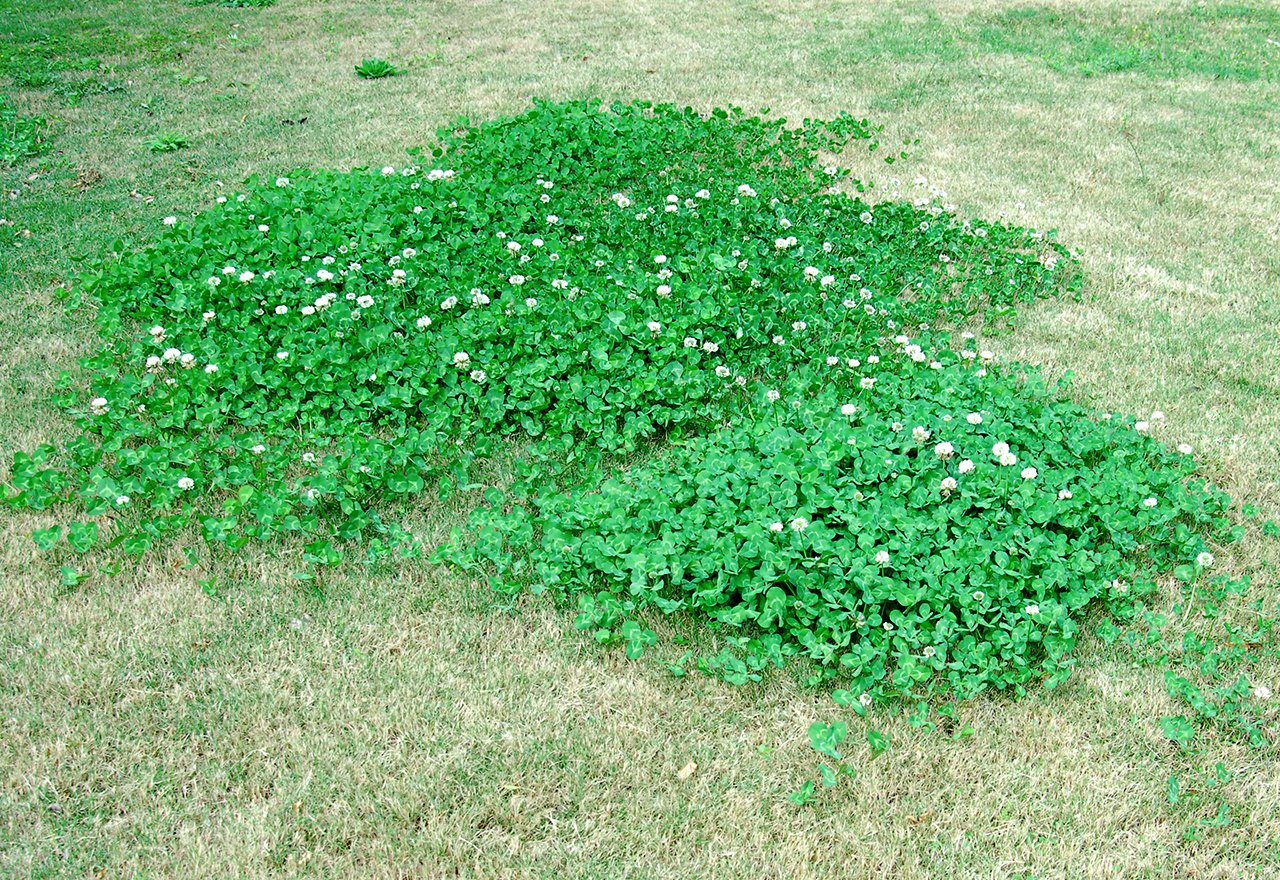
Image Source: cdn2.hubspot.net
Why Does Clover Appear in My Lawn?
Clover thrives in conditions that many grass types struggle with, making its presence a signal about your lawn’s health.
Factors Favoring Clover Growth
- Low Nitrogen Levels: Clover is a legume, meaning it can fix nitrogen from the air into the soil. This is a benefit for clover, but it also indicates that your lawn might be lacking essential nitrogen, which your grass needs to grow strong and dense.
- Compacted Soil: Poor soil aeration prevents grass roots from growing deeply, leaving room for shallow-rooted plants like clover to take hold.
- Infrequent Watering: Drought stress weakens grass, making it more susceptible to invasion by tougher weeds like clover.
- Mowing Too Short: Cutting your grass too low removes too much of the blade, reducing its ability to photosynthesize and compete.
- Shady Areas: Some clover varieties tolerate shade better than certain grass types.
Strategies for Clover Removal and Prevention
Treating clover involves a multi-pronged approach, combining active removal with long-term lawn health strategies.
Targeted Clover Removal Methods
When you see clover, it’s time for action. Here are the most effective ways to get rid of it.
Mechanical Removal
For small patches of clover, manual removal can be effective.
- Hand Pulling: Use a trowel or weed puller to dig out the entire clover plant, ensuring you get as much of the root system as possible. This is best done when the soil is moist.
- Dethatching: While not a direct clover removal method, removing excess thatch can help improve air circulation and water penetration, making the lawn less hospitable to clover and more beneficial for grass.
Chemical Treatments: Weed Killer for Lawns
Chemical solutions are often the most efficient for widespread clover infestations. The key is choosing the right product and applying it correctly.
Post-Emergent Herbicides
These herbicides are designed to kill existing weeds. Many broadleaf weed killers are effective against clover.
- Selective Herbicides: Look for products specifically labeled for clover removal. These typically contain active ingredients like 2,4-D, MCPP (mecoprop), and dicamba. These chemicals target broadleaf weeds while leaving grass unharmed.
- Application Timing: Apply post-emergent herbicides when clover is actively growing and the weather is mild (between 60°F and 85°F). Avoid applying when rain is expected, as it can wash the herbicide away.
- Concentration and Mixing: Always follow the product label instructions carefully for mixing and application rates. Over-application can damage your lawn.
- Multiple Applications: Sometimes, a second application may be needed a few weeks later to eliminate any remaining clover.
Pre-Emergent Herbicides
While less common for treating existing clover infestations, pre-emergent herbicide can be used to prevent clover seeds from germinating in the spring or fall. However, it’s important to note that pre-emergents are most effective when applied before weeds emerge and are generally not used in conjunction with overseeding your lawn with grass seed, as they can also prevent grass seeds from germinating.
Natural Weed Control
For those who prefer a greener approach, natural weed control methods can be employed, though they may require more persistence.
- Vinegar: Horticultural vinegar (acetic acid) can burn the tops of clover. However, it’s not selective and can also damage grass. It’s best used as a spot treatment on a calm day.
- Boiling Water: Pouring boiling water directly onto clover can kill it, but this method is only practical for very small patches and will also kill any grass it contacts.
- Corn Gluten Meal: This is a natural pre-emergent that can inhibit the germination of weed seeds, including clover. It also provides nitrogen to the lawn. Apply in early spring before temperatures consistently reach 70°F.
Building a Healthy Lawn: The Ultimate Defense
The most effective long-term strategy against clover is to create a lawn that grass loves. A healthy lawn is a dense lawn, which naturally suppresses weeds.
Key Lawn Care Tips for Clover Prevention
Implementing these lawn care tips will foster a robust turf that can outcompete clover.
Proper Mowing Practices
- Mow High: Set your mower to the highest recommended setting for your grass types. Taller grass shades the soil, preventing weed seeds from germinating and encouraging deeper root growth. For most cool-season grasses, this is around 3-4 inches.
- Sharp Mower Blades: Dull blades tear grass, making it susceptible to disease and stress. Keep your mower blades sharp for clean cuts.
- Leave Grass Clippings: Grass clippings are a natural source of nitrogen and help retain soil moisture. They decompose, adding nutrients back to the soil.
Smart Watering Strategies
- Deep and Infrequent Watering: Encourage deep root growth by watering thoroughly but less often. Aim for about 1 inch of water per week, delivered in one or two watering sessions, depending on your climate and soil type.
- Water in the Morning: Watering in the morning allows the grass blades to dry before nightfall, reducing the risk of fungal diseases.
Soil Health and Fertilization
- Soil Testing: Get a soil test to determine your soil’s pH and nutrient levels. This will help you choose the right fertilizer and make necessary amendments. Clover often indicates low nitrogen.
- Balanced Fertilization: Fertilize your lawn according to your soil test results and the needs of your grass types. A regular fertilization schedule helps grass grow thick and healthy. Focus on applying nitrogen-rich fertilizers in the spring and fall.
- Aeration: Aeration is a crucial process for breaking up compacted soil. It allows air, water, and nutrients to reach the grass roots more effectively. This is especially important in clay soils or high-traffic areas. Core aeration, which removes plugs of soil, is generally considered more effective.
Overseeding for Density
- Fill in Bare Spots: If your lawn has thin patches, overseeding with grass seed appropriate for your region can fill in these areas, leaving less room for clover and other weeds.
- Timing: The best time to overseed is typically in the fall for cool-season grasses, when temperatures are cooler, and there is less competition from weeds.
Understanding Clover vs. Grass
It’s helpful to know the differences to make informed treatment decisions.
Identifying Clover
| Feature | Clover (Commonly White Clover) | Grass (Desirable Turf Grasses) |
|---|---|---|
| Leaves | Typically three leaflets (trifoliate) with a whitish or yellowish marking. | Blades, usually long and narrow, arranged alternately on the stem. |
| Flowers | Small, white, ball-shaped flower heads. | Generally inconspicuous, often greenish or yellowish, appearing as seed heads. |
| Growth Habit | Low-growing, spreading by stolons (runners). | Varies by type; some spread by rhizomes, others are bunch-forming. |
| Root System | Shallow, taproot with nitrogen-fixing nodules. | Varies from shallow to deep, depending on grass type. |
| Nitrogen Needs | Self-sufficient due to nitrogen fixation. | Require nitrogen from the soil or fertilizer for growth. |
Addressing Specific Clover Scenarios
Sometimes, you’ll encounter clover in conjunction with other weeds, or you might have specific concerns.
Clover and Dandelion Control
If your lawn has both clover and dandelion control is also a concern, you can often use a broadleaf weed killer that targets both. Many post-emergent herbicides that kill clover are also effective against dandelions. Always check the product label to ensure it lists both weeds.
Organic Approaches to Clover Management
For those committed to organic gardening, natural weed control is the primary focus. This means relying on strong cultural practices:
- Healthy Soil: Focus on improving soil structure and fertility through compost and organic fertilizers.
- Proper Mowing: Maintain optimal mowing heights for your grass.
- Adequate Watering: Ensure consistent, deep watering.
- Aeration: Regularly aerate to combat compaction.
- Hand-Pulling: For persistent patches, hand-pulling remains an effective organic method.
What If Clover is a Sign of Good Soil?
While clover can indicate low nitrogen, it can also tolerate a wider range of soil conditions, including less acidic soils than some grasses prefer. In some cases, if you have a mixed-use lawn and don’t mind a bit of clover, it can even contribute to a greener lawn during dry spells due to its ability to fix nitrogen. However, for a monoculture of lush, green grass, actively managing clover is necessary.
When to Call a Professional
If you have a severe infestation, are unsure about chemical applications, or simply want expert advice tailored to your specific lawn, consider hiring a professional lawn care service. They have access to a wider range of products and the expertise to apply them safely and effectively, ensuring you get the best results for your lawn.
Frequently Asked Questions About Clover in Lawns
Is clover bad for my lawn?
Clover itself is not inherently bad for a lawn. It’s a hardy plant that can stay green during dry periods and fixes nitrogen, benefiting the soil. However, if your goal is a uniform, dense turf of grass, excessive clover can be unsightly and indicate underlying issues with your lawn’s health.
Can I kill clover without killing my grass?
Yes, using a selective broadleaf weed killer for lawns that is specifically labeled for clover control is the most effective way to kill clover without harming your grass. Always read and follow the product instructions carefully.
When is the best time to treat clover?
The best time to treat clover with a post-emergent herbicide is when the clover is actively growing and the weather is mild, typically between 60°F and 85°F. Spring and fall are often ideal times. Pre-emergent herbicides should be applied in early spring or fall before weed seeds germinate.
How can I prevent clover from coming back?
The most effective way to prevent clover is to maintain a healthy, dense lawn. This involves proper mowing, watering, fertilization, and addressing soil compaction through aeration. A thick turf will naturally crowd out weeds like clover.
Does corn gluten meal work for clover?
Corn gluten meal acts as a natural pre-emergent herbicide, meaning it can prevent weed seeds from germinating. It can be somewhat effective against clover seeds, but it’s not a treatment for existing clover plants. It also acts as a natural fertilizer.
By implementing these comprehensive strategies, you can effectively manage and eliminate clover, transforming your lawn into a thicker, greener, and healthier space. Consistent lawn care tips and a proactive approach are your best allies in the battle against clover.