
Can you sharpen reel lawn mower blades yourself? Yes, you can sharpen reel lawn mower blades yourself, and it’s a rewarding DIY task that keeps your lawn looking its best. This comprehensive guide will walk you through the entire process of reel mower sharpening, ensuring your mower cuts cleanly and efficiently. We’ll cover everything from preparing your mower to the final touches, making manual reel mower sharpening accessible and effective.
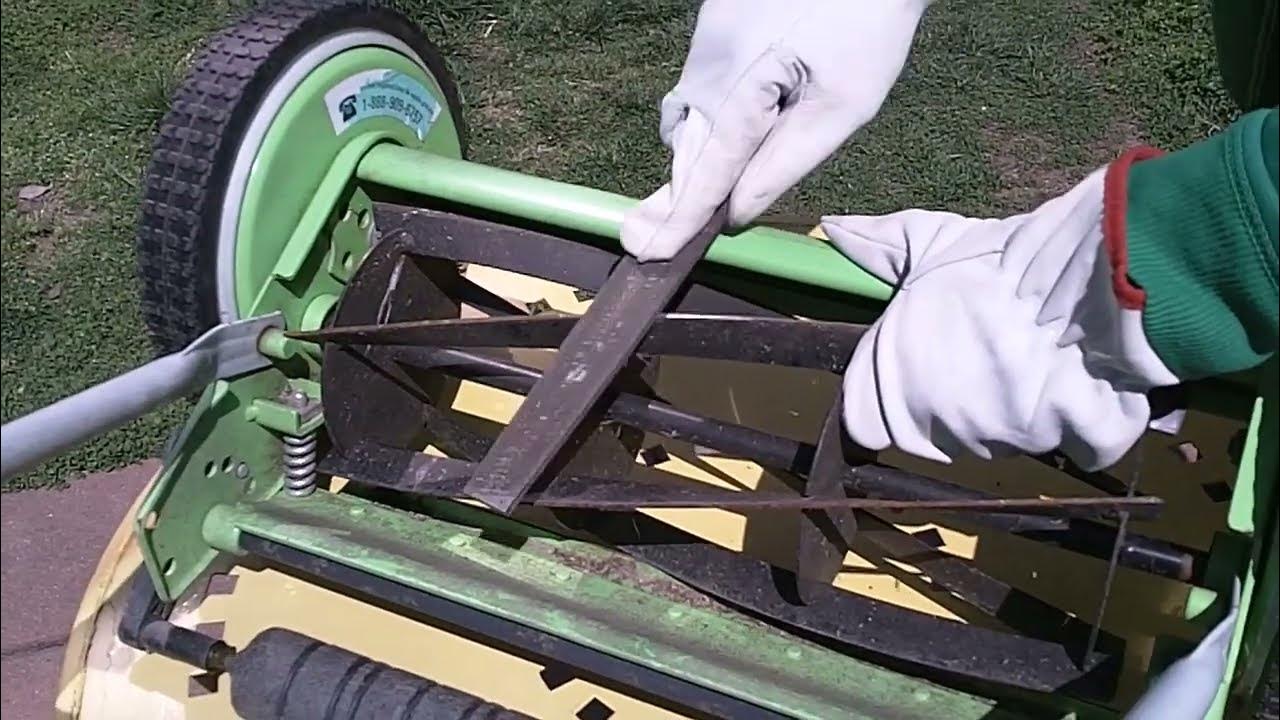
Image Source: i.ytimg.com
Why Sharpen Your Reel Mower Blades?
A sharp reel mower is a happy mower, and a happy mower means a happy lawn. Dull blades don’t cut grass; they tear it. This tearing action leaves the grass blades ragged, making them more susceptible to disease, browning, and insect damage. Sharp blades, on the other hand, make a clean cut, promoting quick healing and a healthier, greener lawn.
Here’s why regular reel mower blade hone and sharpening are crucial:
- Healthier Grass: Clean cuts promote faster healing of grass blades, reducing stress and disease.
- Neater Appearance: A sharp mower provides a crisp, even cut, giving your lawn a professional, manicured look.
- Easier Mowing: Sharp blades require less effort to push, making your mowing experience more enjoyable.
- Reduced Strain on Mower: Dull blades put extra strain on the mower’s engine or your muscles, potentially leading to premature wear.
- Longer Blade Life: Proper sharpening maintains the integrity of the blades, extending their lifespan.
Preparing for Reel Mower Sharpening
Before you begin sharpening cylinder mower mower blades, proper preparation is key. This ensures safety and efficiency.
Tools and Materials You’ll Need
Gathering the right tools is essential for successful reel mower maintenance. You’ll likely find most of these items in a good lawn mower blade sharpening kit.
- Reel Mower Sharpening Jig: While not strictly mandatory for very basic honing, a proper jig is highly recommended for accurate sharpening and for reel mower reel grinding. It ensures the correct angle is maintained throughout the process.
- Files: A variety of files are useful, including:
- Flat bastard file: For initial shaping and removing major dullness.
- Half-round file: For smoothing curves and edges.
- Fine-cut file or sharpening stone: For achieving a polished, razor-sharp edge.
- Adjustable Wrench or Socket Set: To remove the mower reel.
- Safety Glasses: Absolutely essential to protect your eyes from metal filings and debris.
- Work Gloves: To protect your hands from sharp edges.
- Rag or Shop Towels: For cleaning the blades and reel assembly.
- Lubricant (e.g., WD-40): For loosening stubborn bolts and for cleaning.
- Bench Vice: To securely hold the reel or blades while filing.
- Scraper or Stiff Brush: To remove grass and dirt buildup.
- Optional: Dial Indicator and Magnetic Base: For precise reel mower cutter bar adjustment during grinding.
- Optional: Rubbing Alcohol or Mineral Spirits: For final cleaning and degreasing of the blades.
Safety First!
Working with sharp blades requires utmost caution.
- Always wear safety glasses and gloves.
- Ensure the mower is stable and won’t tip over.
- Disconnect the spark plug wire on gas-powered reel mowers to prevent accidental starting.
- Handle blades with extreme care. They are incredibly sharp once sharpened.
Assessing Your Reel Mower Blades
Before you start, take a close look at your reel.
- Check for nicks and chips: Minor nicks can be filed out. Deep gouges may require professional grinding.
- Examine for rust: Light rust can be removed with steel wool or a wire brush. Heavy rust might indicate significant damage.
- Inspect the overall condition: Are the blades excessively worn or bent? If so, replacement might be a better option than sharpening.
Methods for Sharpening Reel Mower Blades
There are a few primary methods for sharpening garden mower blades that are designed for reel mowers. The best method depends on your tools, skill level, and the condition of your blades.
Method 1: Reel Grinding (For a Like-New Edge)
This is the most effective method for achieving a truly sharp and precisely angled edge, essentially restoring your reel to its original cutting performance. This is what professionals typically do. Reel mower reel grinding requires specialized equipment, usually a reel grinder.
On-Machine Grinding (The Most Common Professional Method)
This method involves grinding the reel while it’s still attached to the mower. It’s crucial for maintaining the correct alignment between the reel and the cutter bar.
Steps for On-Machine Grinding:
-
Prepare the Mower:
- Clean the reel and cutter bar assembly thoroughly to remove grass, dirt, and debris.
- Disconnect the spark plug wire (if applicable).
- Adjust the reel so it’s slightly closer to the cutter bar than normal cutting position. This slight tension is needed for the grinding process.
-
Set Up the Grinder:
- Mount the reel grinder’s grinding wheel.
- Connect the grinder to a water supply if it’s a water-cooled grinder.
- Ensure the grinder’s feed mechanism is set to move the grinding wheel across the face of each reel blade. The angle of the grinding wheel should match the existing bevel of the reel blades.
-
Grind the Reel:
- Apply a light amount of grinding compound or grinding fluid to the grinding wheel.
- Slowly engage the grinding wheel and move it across the face of one reel blade. Work from one end of the reel to the other.
- Make multiple passes, gradually increasing pressure or making finer adjustments to the grinder’s feed. The goal is to remove metal evenly across the entire length of the blade.
- After grinding one blade, advance the reel to the next blade and repeat the process.
- Continuously check the sharpness of the blades. You can use a piece of paper – a sharp blade will cleanly slice through it.
-
Adjust the Cutter Bar:
- After grinding, you’ll need to adjust the reel mower cutter bar to ensure it’s precisely set against the reel blades. This is called “lapping” or “setting the reel.”
- Use a reel mower sharpening jig or specialized alignment tools for this.
- The goal is to achieve a light, consistent contact between the reel blades and the cutter bar. You should hear a faint “whispering” sound as the reel turns against the cutter bar.
-
Clean and Lubricate:
- Thoroughly clean all grinding dust and residue from the mower.
- Lubricate the reel and cutter bar assembly according to the manufacturer’s instructions.
Off-Machine Grinding (Less Common for Reel Mowers)
This involves removing the reel assembly from the mower and mounting it in a dedicated reel grinding machine. This offers the highest precision but is less common for home users due to the cost and complexity of the equipment.
Method 2: Using Files and a Reel Mower Sharpening Jig (DIY Approach)
This is a more hands-on approach suitable for most homeowners. A good reel mower sharpening jig is key to holding the blades at the correct angle. This method focuses on sharpening the cutting edge of each blade as it contacts the cutter bar. This is often referred to as “lapping” when done with a grinding compound.
Steps for Filing and Lapping:
-
Remove the Reel Assembly:
- Carefully unbolt the reel assembly from the mower. Note the order and placement of any washers or spacers.
- Clean the reel and cutter bar assembly thoroughly.
-
Mount the Reel and Cutter Bar:
- Mount the reel assembly securely in a bench vice.
- Adjust the cutter bar so it is very close to the reel blades, but not touching them. You want just enough clearance for the blades to spin freely without scraping.
-
Prepare the Grinding Compound:
- This is where the “lapping” comes in. You’ll use a valve grinding compound (available at auto parts stores) mixed with a light oil or grease to create a paste. This compound contains abrasive grit.
-
Apply the Compound:
- Apply a thin, even layer of the grinding compound paste to the cutting edges of the reel blades.
-
Engage and Rotate:
- Using a wrench on the reel shaft, slowly rotate the reel backward. This allows the abrasive compound to grind the reel blades against the cutter bar.
- Keep the rotation slow and steady. As you rotate, you’ll hear the compound working and see a thin, shiny line appearing on the cutting edges of the reel blades and the edge of the cutter bar. This is the metal being ground away.
-
Check Progress:
- Periodically stop rotating and check the progress. You want to see a consistent, smooth, shiny edge develop on both the reel blades and the cutter bar.
- This process can take anywhere from 15 minutes to an hour or more, depending on how dull the blades are.
-
Clean Thoroughly:
- Once you’ve achieved a sharp edge, it is absolutely crucial to clean all the grinding compound off. Use rags, brushes, and a degreaser like mineral spirits or rubbing alcohol. Any residual compound left on the reel will quickly dull the newly sharpened edges and can even damage the blades.
-
Adjust for Cutting:
- Reassemble the reel onto the mower.
- Now, adjust the reel mower cutter bar so that it makes light, consistent contact with the reel blades. You should hear a soft “hissing” or “whispering” sound as you turn the reel. This is the correct setting for a clean cut. Over-tightening will cause excessive wear and resistance.
Method 3: Hand Filing (For Light Touch-Ups)
This method is best for maintaining an already reasonably sharp edge or for very minor dullness. It’s not ideal for severely dull or damaged blades. This is a form of manual reel mower sharpening.
Steps for Hand Filing:
-
Remove the Reel:
- Carefully remove the reel assembly from the mower.
-
Secure the Reel:
- Mount the reel securely in a bench vice.
-
File Each Blade:
- Select a file appropriate for the task (a fine-cut mill file or a sharpening stone).
- Hold the file at the correct angle to match the existing bevel on each reel blade. This angle is typically around 45-50 degrees.
- Using steady, even strokes, file along the cutting edge of the blade. Move the file from the inside of the reel outwards.
- Make several passes on each blade, trying to maintain a consistent angle.
- As you file, you’ll create a small burr on the opposite side of the cutting edge.
-
Remove the Burr:
- Once you’ve filed all blades, carefully remove the burr. You can do this by gently drawing the file or sharpening stone across the back (non-cutting) edge of the blade a few times. Alternatively, you can use a honing steel or a leather strop.
-
Check Sharpness:
- Test the sharpness by gently trying to cut a piece of paper. It should slice cleanly.
-
Clean and Reassemble:
- Clean the reel thoroughly to remove filing debris.
- Reinstall the reel assembly onto the mower.
- Adjust the reel mower cutter bar to achieve the proper setting against the reel blades.
Maintaining Your Reel Mower Blades for Longevity
Proper maintenance extends the life of your blades and ensures consistent cutting performance.
- Regular Cleaning: After each use, clean grass and debris from the reel and cutter bar. This prevents corrosion and buildup that can dull the blades.
- Lubrication: Apply a light lubricant to the reel bearings and any moving parts as recommended by your mower’s manufacturer.
- Adjustments: Ensure the reel mower cutter bar is always set correctly. A cutter bar that’s too loose won’t cut cleanly; too tight, and it causes excessive wear.
- Storage: Store your reel mower in a dry place, protected from the elements, to prevent rust.
- Honing: For very light touch-ups between sharpenings, you can use a reel mower blade hone. This is a small, handheld abrasive tool that can quickly touch up the cutting edge.
Reel Mower Reel Grinding vs. Filing: Which is Best?
The choice between reel mower reel grinding and filing often comes down to the desired outcome and available tools.
| Feature | Reel Grinding | Filing/Lapping |
|---|---|---|
| Sharpness | Achieves the sharpest, most precise edge. | Good sharpness, but can be less precise than grinding. |
| Edge Longevity | Generally lasts longer due to the precision of the grind. | Good, but depends on the quality of the filing. |
| Time Investment | Can be time-consuming, especially on-machine grinding. | Moderate to time-consuming, depending on dullness. |
| Skill Required | Higher skill level, especially for on-machine grinding. | Moderate skill level. |
| Equipment | Specialized reel grinder (expensive). | Files, sharpening stones, bench vice, optional jig. |
| Blade Wear | Removes precise amount of metal, minimizing wear. | Can remove more metal if not done carefully. |
| Suitability | Severely dull or damaged blades, professionals. | Routine maintenance, moderately dull blades, DIYers. |
Frequently Asked Questions (FAQ) about Reel Mower Sharpening
Q1: How often should I sharpen my reel mower blades?
A1: This depends on how often you mow and the type of grass and terrain. As a general rule, inspect your blades every 2-3 months. If you notice tearing or ragged cuts, it’s time to sharpen. For most homeowners, an annual sharpening is usually sufficient, with occasional honing in between.
Q2: What is a reel mower cutter bar?
A2: The reel mower cutter bar (also known as the stationary blade or bedknife) is the flat metal bar that sits directly behind the rotating reel. The reel blades slice against the cutter bar to cut the grass. Proper adjustment and sharpening of both are critical for a clean cut.
Q3: Can I use a regular lawn mower blade sharpener on my reel mower?
A3: No, you should not use a standard lawn mower blade sharpener (like the ones for rotary mowers) on a reel mower. Reel mowers have specialized blade geometry and require different sharpening techniques and tools. Using the wrong tool will likely damage your reel mower blades.
Q4: What is reel mower lapping?
A4: Reel mower lapping is a method of sharpening the reel blades by using an abrasive compound applied between the reel and the cutter bar. As the reel is rotated against the cutter bar, the abrasive compound grinds both surfaces, effectively sharpening them. This is a common and effective DIY sharpening method.
Q5: My reel mower leaves a ragged cut. What’s wrong?
A5: A ragged cut is a sure sign of dull blades. It could also be due to the reel mower cutter bar being out of adjustment (too far from the reel) or worn out. Check both the sharpness of the blades and the cutter bar, as well as their precise alignment.
Q6: Is a reel mower sharpening jig necessary for filing?
A6: While it’s possible to file without a jig, a good reel mower sharpening jig makes the process significantly easier and more accurate. It helps you maintain the correct bevel angle on each blade, ensuring a more consistent and effective sharpening job.
Q7: How do I know if my reel mower blades are too far gone to sharpen?
A7: If your blades have significant nicks, chips, or are severely worn down, they may be beyond simple sharpening. Deep gouges or bent blades often require professional grinding or replacement. Inspect the depth of any damage. If the damage extends beyond the cutting edge by more than a millimeter or two, it’s likely time for replacement or professional service.
Q8: What’s the difference between sharpening and honing?
A8: Sharpening involves removing metal to create a new, sharp cutting edge. Honing, on the other hand, is a process of realigning and refining an existing sharp edge, removing any microscopic burrs or dullness without significant metal removal. A reel mower blade hone can be used for quick touch-ups between sharpenings.
By following these detailed steps and understanding the nuances of reel mower maintenance, you can keep your reel mower’s blades in prime condition, ensuring a beautifully cut lawn season after season. Happy mowing!