
A healthy, green lawn is the envy of the neighborhood, but achieving it requires more than just sunshine and water. One of the most crucial aspects of feeding your lawn is knowing the right fertilizer application frequency. Generally, most lawns benefit from fertilizing your grass 3 to 4 times per year, though this can vary depending on your grass type, climate, and soil conditions.
This guide will delve into the specifics of creating an effective lawn fertilization schedule, covering everything from fertilizer types and timing to essential lawn maintenance frequency for vibrant, resilient turf.
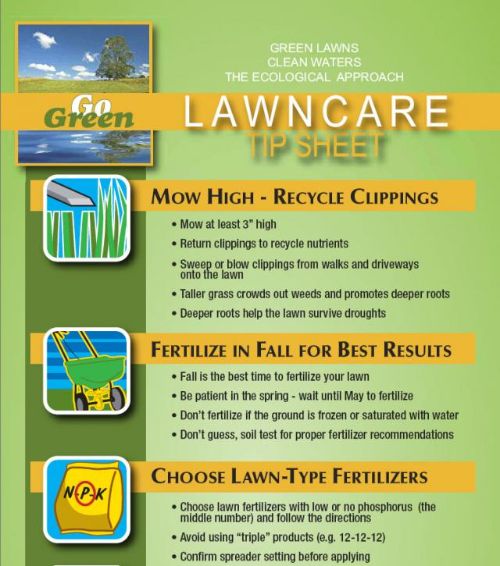
Image Source: www.canr.msu.edu
Deciphering Your Lawn’s Needs: Factors Influencing Fertilization Frequency
Before diving into specific schedules, it’s vital to grasp what influences how often your lawn needs food. Different grass types have different growth cycles and nutrient demands. Cool-season grasses (like fescue, bluegrass, and ryegrass) have distinct peak growing periods compared to warm-season grasses (like Bermuda, zoysia, and St. Augustine). Your local climate also plays a significant role, dictating when your grass is actively growing and most receptive to nutrients. Soil health is another cornerstone; a soil test can reveal nutrient deficiencies or imbalances that might require a more tailored lawn care calendar.
Grass Type: The Foundation of Your Schedule
The type of grass you have is paramount in determining how many times to fertilize.
- Cool-Season Grasses: These grasses thrive in cooler temperatures, typically spring and fall. They go dormant or slow down significantly in the summer heat and winter cold. Their most active growth periods are when they are most in need of nutrients.
- Warm-Season Grasses: These grasses flourish in warmer temperatures, actively growing through late spring, summer, and early fall. They go dormant in the winter.
Climate Considerations: Adapting to Your Environment
Your local climate dictates the length and intensity of growing seasons.
- Northern Climates: Often characterized by cold winters and warm summers, these regions are ideal for cool-season grasses. The focus for fertilization will be on spring and fall.
- Southern Climates: Warmer temperatures year-round and hot summers favor warm-season grasses. Fertilization will typically occur from spring through early fall.
- Transition Zones: Areas with moderate temperatures experience both cool and warm seasons. These can be challenging, and the choice of grass type (cool or warm-season) will significantly influence your fertilizer application frequency.
Soil Health: The Underlying Support System
Healthy soil is the bedrock of a healthy lawn.
- Soil Testing: A simple soil test can reveal your soil’s pH, nutrient levels (like nitrogen, phosphorus, and potassium), and organic matter content. This information is invaluable for tailoring your fertilization plan. You can often get soil test kits from your local extension office.
- pH Balance: Grasses prefer a slightly acidic to neutral pH (around 6.0 to 7.0). If your soil is too acidic or too alkaline, nutrients won’t be available to the grass, even if you apply fertilizer. Lime is used to raise pH (make it less acidic), and sulfur is used to lower pH (make it less alkaline).
Crafting Your Lawn Fertilization Schedule: A Seasonal Approach
A well-planned lawn fertilization schedule is key to providing consistent nutrition. The best time to fertilize lawn is when the grass is actively growing. This typically means focusing on the spring and fall for most grass types.
Spring Fertilization: Kickstarting Growth
Spring is an ideal time to fertilize, especially for cool-season grasses that have just emerged from winter dormancy.
- Purpose: To replenish nutrients used over winter and to support new growth.
- When to Fertilize: Apply in mid- to late spring, after the grass has greened up and is actively growing, but before the onset of summer heat. For cool-season grasses, this might be late April or May. For warm-season grasses, it’s best to wait until late spring or early summer when the grass has fully broken dormancy and is actively growing.
- Fertilizer Type: A slow-release nitrogen fertilizer is often recommended. This provides a steady supply of nutrients over several weeks, preventing a rapid flush of growth that can be susceptible to disease or stress. Look for fertilizers with a higher middle number (phosphorus) if a soil test indicates a deficiency, as phosphorus is crucial for root development in new growth.
Summer Fertilization: Maintaining Health Through Stress
Summer can be a stressful period for lawns, especially cool-season grasses.
- Purpose: To maintain color and vigor without encouraging excessive growth that can deplete resources or attract pests and diseases.
- When to Fertilize: This is generally the least crucial fertilization for cool-season grasses, as they may enter dormancy during peak summer heat. If you do fertilize, choose a very light application of a slow-release fertilizer in early summer, before extreme heat sets in. Warm-season grasses benefit from summer fertilization as this is their peak growing season.
- Fertilizer Type: For cool-season grasses, if you must fertilize, use a very light application of a slow-release fertilizer with a higher potassium content. Potassium helps grass withstand stress from heat and drought. For warm-season grasses, a balanced slow-release fertilizer is suitable.
Fall Fertilization: The Most Important Feeding
For many lawns, particularly cool-season grasses, fall fertilization is the most critical application of the year.
- Purpose: To replenish nutrients lost during the summer, encourage root growth, and prepare the grass for winter dormancy. It also helps with early spring green-up.
- When to Fertilize: Apply in early to mid-fall, after the summer heat has subsided and before the ground freezes. For cool-season grasses, this is typically September or October. For warm-season grasses, a late-season application in early fall can help them store energy for winter.
- Fertilizer Type: A fertilizer with a higher nitrogen content, preferably slow-release, is beneficial. Some also recommend a fertilizer with a higher potassium number in the fall to boost winter hardiness.
Winter Fertilization: A Special Case
- Purpose: In some specific regions and for certain grass types (particularly in the South), a very light winter fertilization might be beneficial for maintaining winter color and promoting early spring green-up.
- When to Fertilize: This is typically done in late fall or very early winter, just before the ground freezes or during a mild winter spell.
- Fertilizer Type: Use a low-nitrogen, slow-release fertilizer.
How Many Times to Fertilize: Finding the Right Balance
The question of how many times to fertilize depends heavily on the factors discussed earlier. Here’s a general guideline:
- Cool-Season Grasses:
- Optimal: 3-4 times per year: Early spring, late spring/early summer (lightly), early fall, and potentially a late fall application.
- Minimum: 2 times per year: Early spring and early fall.
- Warm-Season Grasses:
- Optimal: 3-4 times per year: Late spring, mid-summer, early fall, and potentially a late fall application.
- Minimum: 2 times per year: Late spring and early fall.
It’s crucial to remember that over-fertilizing can be just as detrimental as under-fertilizing. It can lead to excessive thatch buildup, increased disease susceptibility, and environmental runoff.
Fertilizer Types and Timing: Making Informed Choices
Choosing the right fertilizer and applying it at the right time is critical for success.
Fertilizer Types: Slow-Release vs. Quick-Release
- Quick-Release Fertilizers: These release nutrients rapidly into the soil. They can provide a quick green-up but are prone to leaching (washing away with rain or irrigation) and can lead to excessive, weak growth. They also have a higher risk of burning the lawn if over-applied.
- Slow-Release Fertilizers: These release nutrients gradually over a period of weeks or months. They provide a more consistent food supply, reduce the risk of burning, and are less prone to leaching. This is generally the preferred type for most lawn fertilization schedules.
Understanding Fertilizer Labels: The N-P-K Ratio
Fertilizer bags display three numbers, known as the N-P-K ratio, representing the percentage by weight of Nitrogen (N), Phosphorus (P), and Potassium (K).
- Nitrogen (N): Promotes leafy growth and green color. It’s the most commonly applied nutrient.
- Phosphorus (P): Essential for root development, seed germination, and flowering. Many established lawns have sufficient phosphorus, so check soil test results before applying. Excessive phosphorus can lead to environmental pollution.
- Potassium (K): Improves overall plant health, stress tolerance (heat, drought, disease), and winter hardiness.
Timing Your Applications: The Lawn Care Calendar
A lawn care calendar can help you visualize and plan your fertilization.
| Season | Cool-Season Grasses | Warm-Season Grasses | Notes |
|---|---|---|---|
| Spring | Mid-spring (April-May) | Late spring/early summer (May-June) | Focus on balanced growth. Avoid fertilizing when grass is dormant or heat-stressed. |
| Summer | Light application or none; focus on hydration. | Mid-summer (June-August) | Maintain color without promoting excessive, weak growth. Use slow-release fertilizers. |
| Fall | Early to Mid-fall (September-October) | Early fall (September-October) | Crucial for root development and winter preparation. Often the most important application. |
| Winter | Generally not recommended. | Late fall/early winter (November-December) | Only in mild climates for winter color and early spring green-up, using very light, slow-release formulations. |
Essential Lawn Maintenance Frequency Beyond Fertilization
Lawn maintenance frequency encompasses more than just feeding. Regular mowing, watering, and aeration contribute significantly to lawn health.
Mowing: The Right Height and Frequency
- Frequency: Mow as needed to maintain the desired height. Never remove more than one-third of the grass blade at a time.
- Height: Different grass types have different ideal mowing heights. Taller mowing heights generally promote deeper root systems and help shade out weeds. For cool-season grasses, this is often 2.5-3.5 inches. For warm-season grasses, it can range from 1-3 inches depending on the specific type.
Watering: Deep and Infrequent
- Frequency: Water deeply but infrequently. Aim for about 1 inch of water per week, including rainfall.
- Timing: Water in the early morning hours to minimize evaporation and reduce the risk of fungal diseases.
Aeration: Relieving Soil Compaction
- Frequency: Aerate your lawn once a year, or every other year, when the grass is actively growing. For cool-season grasses, this is typically in the spring or fall. For warm-season grasses, it’s best done in late spring or early summer.
- Purpose: Aeration removes small cores of soil, allowing air, water, and nutrients to reach the root zone more effectively. This is especially important in compacted soils.
Dethatching: Managing Thatch Buildup
- Frequency: Dethatch when thatch accumulation exceeds ½ inch. This is usually done in the spring for cool-season grasses and early summer for warm-season grasses.
- Purpose: Thatch is a layer of dead and living organic matter that can build up between the soil surface and the grass blades. Excessive thatch can prevent water and nutrients from reaching the roots and can harbor pests and diseases.
Frequently Asked Questions (FAQ)
Q: Can I fertilize my lawn in the winter?
A: Generally, it’s not recommended to fertilize cool-season grasses in the winter as they are dormant. However, in milder climates and for certain grass types, a very light, slow-release fertilizer might be applied in late fall or early winter to maintain color and prepare for spring. Always consult local recommendations.
Q: What is the best fertilizer for a new lawn?
A: For a new lawn, a starter fertilizer is recommended. These typically have a higher phosphorus content (the middle number in the N-P-K ratio) to encourage strong root development, along with nitrogen for initial growth.
Q: How often should I fertilize my lawn if I have a weed problem?
A: While a healthy, well-fed lawn can outcompete weeds, fertilizing isn’t a direct solution for weed control. Focus on proper fertilization for grass health, but also incorporate appropriate weed control methods. A dense, healthy turf is your best defense against weeds.
Q: What happens if I fertilize too much?
A: Over-fertilizing can lead to several problems:
* Fertilizer Burn: Excess salts in the fertilizer can dehydrate and damage grass roots, causing brown patches.
* Excessive Thatch: Rapid growth can lead to a thick layer of thatch.
* Disease and Pest Susceptibility: Lush, rapid growth can make grass more vulnerable.
* Environmental Pollution: Excess nutrients can wash into waterways, causing harm.
Q: How do I know which fertilizer to buy?
A: Look at the N-P-K ratio on the bag and consider the needs of your grass type and the time of year. Slow-release fertilizers are generally preferred. A soil test will give you the most precise guidance on which nutrients your lawn might be lacking.
Conclusion: A Continuous Commitment to Lawn Health
Achieving a healthier lawn through proper fertilization is an ongoing process. By adhering to a strategic lawn fertilization schedule, choosing the right fertilizer types and timing, and maintaining consistent lawn maintenance frequency, you can cultivate a lush, vibrant, and resilient turf that enhances your home’s curb appeal and provides a beautiful space for enjoyment. Remember, the key is to observe your lawn, adapt to its needs, and prioritize sustainable practices.