
Can you get rid of clover from a lawn easily? Yes, with the right approach, you can effectively manage and eliminate clover from your lawn. This guide will walk you through simple steps for successful clover removal from lawn.
Clover, particularly white clover (Trifolium repens), is a common sight in many lawns. While it has benefits like nitrogen fixation, which can help feed your grass, its vigorous growth and low-lying habit can make your lawn look patchy and uneven. This guide provides a comprehensive look at how to get rid of clover from a lawn, covering everything from prevention to active removal.
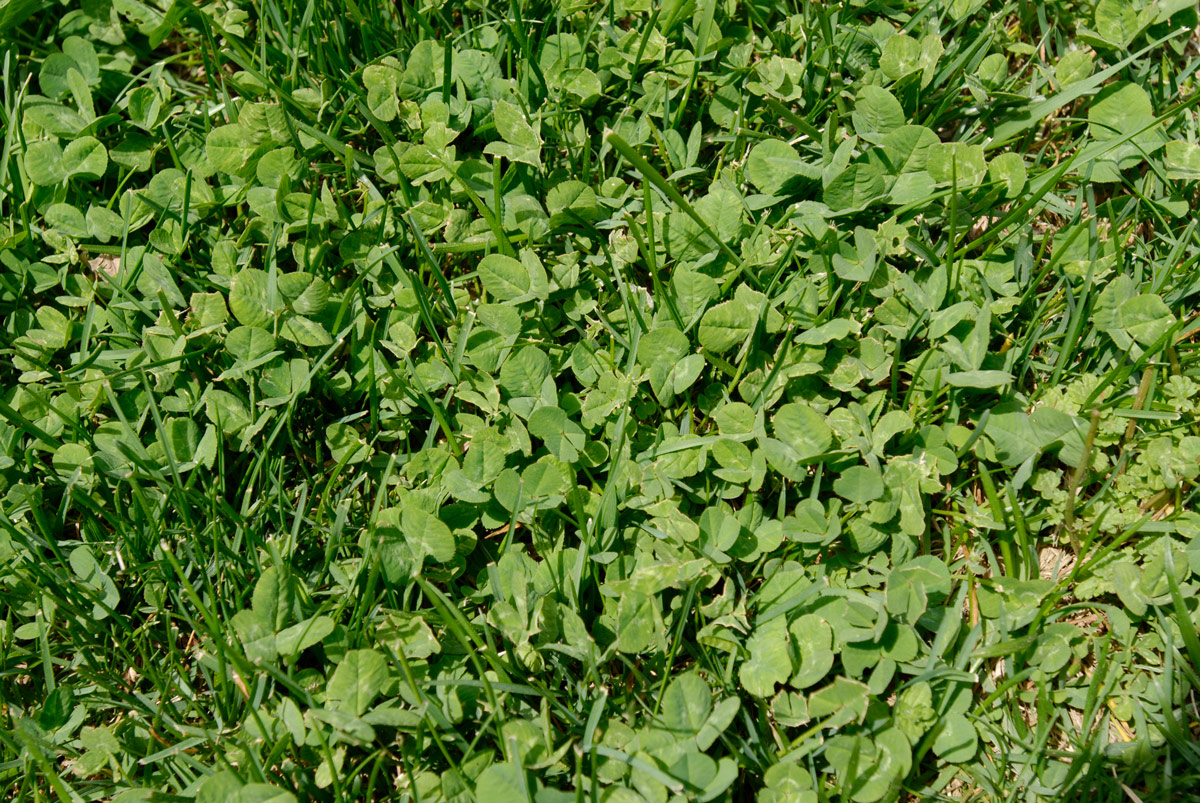
Image Source: naturalawn.com
Why Clover Appears in Your Lawn
Before diving into removal, it’s helpful to understand why clover thrives. Clover seeds are often present in the soil, waiting for the right conditions. These conditions usually include:
- Poor soil fertility: Especially low nitrogen levels.
- Compacted soil: This hinders grass root growth.
- Mowing too short: This stresses grass and gives clover an advantage.
- Underwatering: Dry conditions can weaken grass.
- Well-maintained lawns: Ironically, healthy, lush lawns can sometimes attract clover if they lack some nutrients, as clover is a nitrogen fixer.
Identifying Clover
White clover is easily recognized by its three leaflets, often with a white or pale green “V” shape on each leaf. It produces small, round, white, or sometimes pinkish flowers, typically in late spring and summer. It spreads via runners, called stolons, which root themselves and form new plants.
Strategies for Clover Removal
There are several effective ways to tackle clover in your lawn, ranging from natural clover control methods to chemical treatments. The best approach often involves a combination of strategies.
1. Manual Clover Pulling
For small patches of clover, manual removal is a straightforward and effective method.
When to Pull Clover
- After rain: The soil is softer, making it easier to pull the entire plant, including its roots.
- When plants are young: Before they have a chance to spread.
How to Pull Clover
- Use a trowel or weeding tool: Dig around the base of the clover plant.
- Grasp the plant firmly: Pull upwards slowly and steadily to remove the entire root system.
- Dispose of removed clover: Place it in a bag to prevent seeds from spreading.
- Fill any holes: Use topsoil or a lawn repair mix to keep the area smooth.
Pros of Manual Pulling:
- Environmentally friendly.
- No chemicals involved.
- Precise removal.
Cons of Manual Pulling:
- Time-consuming for large infestations.
- May not remove all roots, leading to regrowth.
2. Improving Lawn Health and Vigor
A healthy, dense lawn is the best defense against weeds like clover. Focusing on overall lawn care for clover infestation is a crucial long-term strategy.
Proper Mowing Techniques
- Mow higher: Set your mower to a higher setting (usually 2.5 to 3 inches). Taller grass shades the soil, discouraging weed seeds from germinating and helping your grass compete.
- Sharp mower blades: Dull blades tear grass, making it susceptible to disease and stress.
Watering Wisely
- Deep, infrequent watering: Encourage deep root growth in your grass. Water thoroughly when the top inch of soil feels dry, rather than light, frequent sprinklings.
Fertilizing Your Lawn
- Balanced fertilization: Apply fertilizer according to your grass type and soil test results. Clover thrives when nitrogen is low. Regular fertilization helps your grass outcompete clover.
Aeration and Dethatching
- Aeration: This process removes small plugs of soil, improving air, water, and nutrient penetration to the grass roots. It helps alleviate soil compaction, which favors clover.
- Dethatching: A thick layer of thatch (dead grass and debris) can suffocate grass and create a favorable environment for weeds. Remove excess thatch when it exceeds ½ inch.
3. Natural Clover Control Methods
If you prefer to avoid chemical treatments, several natural clover control methods can be effective.
Corn Gluten Meal for Clover
- How it works: Corn gluten meal is a natural pre-emergent herbicide and fertilizer. It works by inhibiting root development in germinating seeds.
- Application: Apply in early spring, before clover seeds (or any weed seeds) have a chance to germinate. It can also be applied in fall. The product contains about 10% nitrogen, acting as a slow-release fertilizer.
- Timing is key: For it to be effective, it must be applied before the weed seeds sprout. It won’t kill existing clover plants.
Vinegar (Horticultural Strength)
- How it works: Horticultural vinegar (acetic acid) has a higher concentration than household vinegar and can burn foliage.
- Application: Apply directly to clover, preferably on a sunny, windless day. It is a non-selective contact killer, meaning it will damage any plant it touches.
- Caution: Use with extreme care, as it can kill grass if sprayed directly. It may require repeat applications. It also tends to kill the top growth but may not eliminate the roots, leading to regrowth.
Boiling Water
- How it works: Similar to vinegar, boiling water can kill plant tissue on contact.
- Application: Carefully pour boiling water directly onto clover patches.
- Caution: This method is best for small, isolated patches in driveways or patios, as it will kill any grass it contacts.
4. Chemical Treatments: Weed Killer for Clover
For more persistent infestations, a weed killer for clover can be very effective. The key is to use a product specifically designed to target broadleaf weeds while leaving grasses unharmed.
Broadleaf Weed Killer for Lawns
- How they work: These products contain selective herbicides that kill broadleaf plants (like clover, dandelions, and plantain) but are safe for most turfgrasses.
- Active Ingredients to look for:
- 2,4-D: A common and effective herbicide for broadleaf weeds.
- Mecoprop (MCPP): Another effective broadleaf herbicide.
- Dicamba: Often used in combination with 2,4-D for broader spectrum control.
- Triclopyr: Particularly effective against tough, woody weeds and clover.
- Quinclorac: Effective against crabgrass but also some broadleaf weeds like clover.
Dithiopyr for Clover
- How it works: Dithiopyr is primarily a pre-emergent herbicide, meaning it prevents weed seeds from germinating. It is most effective when applied in early spring before weed seeds sprout.
- Application: Can be applied as a granular product or a liquid. It also has some post-emergent activity, meaning it can kill very young weeds.
- Timing: Early spring application is crucial for pre-emergent control. It also offers some control of crabgrass.
Application Tips for Weed Killers:
- Read the label carefully: Always follow the manufacturer’s instructions regarding application rates, timing, and safety precautions.
- Choose the right time: Apply when temperatures are moderate (between 60-85°F or 15-29°C) and there is no rain expected for at least 24-48 hours.
- Avoid spraying on windy days: This prevents drift onto desirable plants or unintended areas.
- Spot treat: For smaller patches, using a sprayer to target only the clover is more efficient and safer for your lawn.
- Repeat applications may be necessary: Some stubborn clover may require a second application after a few weeks.
5. White Clover Lawn Treatment: Specific Approaches
When dealing with a widespread white clover lawn treatment is often about addressing the underlying conditions that allow it to thrive.
Soil Testing
- Importance: A soil test will reveal nutrient deficiencies, especially nitrogen. Based on the results, you can create a tailored fertilization plan.
- pH levels: Clover often prefers slightly acidic soil. Adjusting your soil pH can make it less hospitable to clover and more favorable to grass.
Overseeding
- How it works: After controlling clover, overseeding your lawn with a high-quality grass seed blend can help fill in bare patches and create a thicker, more competitive turf.
- Timing: Fall is typically the best time for overseeding in most regions.
Integrated Pest Management (IPM) for Clover
The most effective approach to clover removal from lawn and preventing its return is often Integrated Pest Management (IPM). This involves combining several methods for the best long-term results.
Key IPM Principles for Clover Control:
- Monitoring: Regularly inspect your lawn for signs of clover. Early detection makes control easier.
- Cultural Practices: Maintain a healthy lawn through proper mowing, watering, and fertilizing. This is the foundation of IPM.
- Mechanical Control: Manual pulling for small areas.
- Biological Control: While not directly applicable to clover in the same way as insect pests, a healthy ecosystem of soil microbes can support strong grass growth.
- Chemical Control (as a last resort or for severe infestations): Use selective herbicides judiciously when other methods are insufficient.
Timing Your Clover Control Efforts
The timing of your clover control efforts can significantly impact their success.
| Season | Primary Action | Secondary Action |
|---|---|---|
| Spring | Apply pre-emergent herbicides (like Dithiopyr) | Begin improving lawn health (mowing, fertilizing) |
| Manual pulling of early clover growth | Apply broadleaf weed killer for clover if needed | |
| Summer | Continue proper mowing and watering | Spot treat any remaining clover with weed killer |
| Aerate and dethatch if necessary | ||
| Fall | Apply broadleaf weed killer for clover (best time) | Overseed to thicken the lawn |
| Apply corn gluten meal for clover (optional) | Fertilize based on soil test results | |
| Winter | Plan for the next season | Ensure any bare spots are addressed before spring thaw |
Common Mistakes to Avoid
- Mowing too short: This is a golden opportunity for clover.
- Over-fertilizing: Excess fertilizer can sometimes weaken grass and encourage weeds.
- Using the wrong herbicide: A non-selective herbicide will kill your grass.
- Applying herbicides at the wrong time: High heat or windy conditions can reduce effectiveness and cause damage.
- Ignoring underlying soil issues: Clover will return if the conditions that favor it are not addressed.
Frequently Asked Questions (FAQ)
Q1: Will clover eventually die out on its own?
A1: Clover is a perennial plant, meaning it lives for multiple years. While individual plants may weaken, clover will persist and spread unless actively managed.
Q2: Is clover bad for my lawn?
A2: Clover itself isn’t inherently “bad” for a lawn. It can add nitrogen to the soil, potentially making your grass greener. However, it can look unsightly, create uneven patches, and is often a sign that your lawn’s grass is not as healthy or dense as it could be. Many homeowners prefer a monoculture of grass.
Q3: Can I use regular household vinegar to kill clover?
A3: Household vinegar (5% acetic acid) is generally not strong enough to kill established clover plants and their roots effectively. Horticultural vinegar (10-20% acetic acid) is more potent but should be used with extreme caution as it can also damage grass.
Q4: How often should I apply weed killer for clover?
A4: It depends on the product and the severity of the infestation. Most broadleaf weed killers can be reapplied every 3-4 weeks if necessary. Always follow label instructions.
Q5: Is it safe to let pets and children on the lawn after applying weed killer?
A5: Once the treated area is dry, it is generally considered safe for pets and children. However, it’s always best to check the specific product label for any waiting periods or precautions.
By implementing these steps and maintaining a consistent approach to lawn care for clover infestation, you can successfully manage and enjoy a beautiful, clover-free lawn. Remember that patience and persistence are key to achieving the best results.