
Quack grass, a perennial weed, can be a persistent nuisance for homeowners aiming for a lush, green lawn. Can I remove quackgrass without chemicals? Yes, you can remove quackgrass without chemicals, and this guide will explore effective methods for its control and prevention. It’s a common question, and tackling this invasive grass requires a multi-pronged approach.
This article will delve into various strategies, from manual removal to natural treatments, to help you remove quackgrass and reclaim your lawn’s beauty. We’ll cover everything you need to know about grass weed removal and how to achieve a healthier lawn.
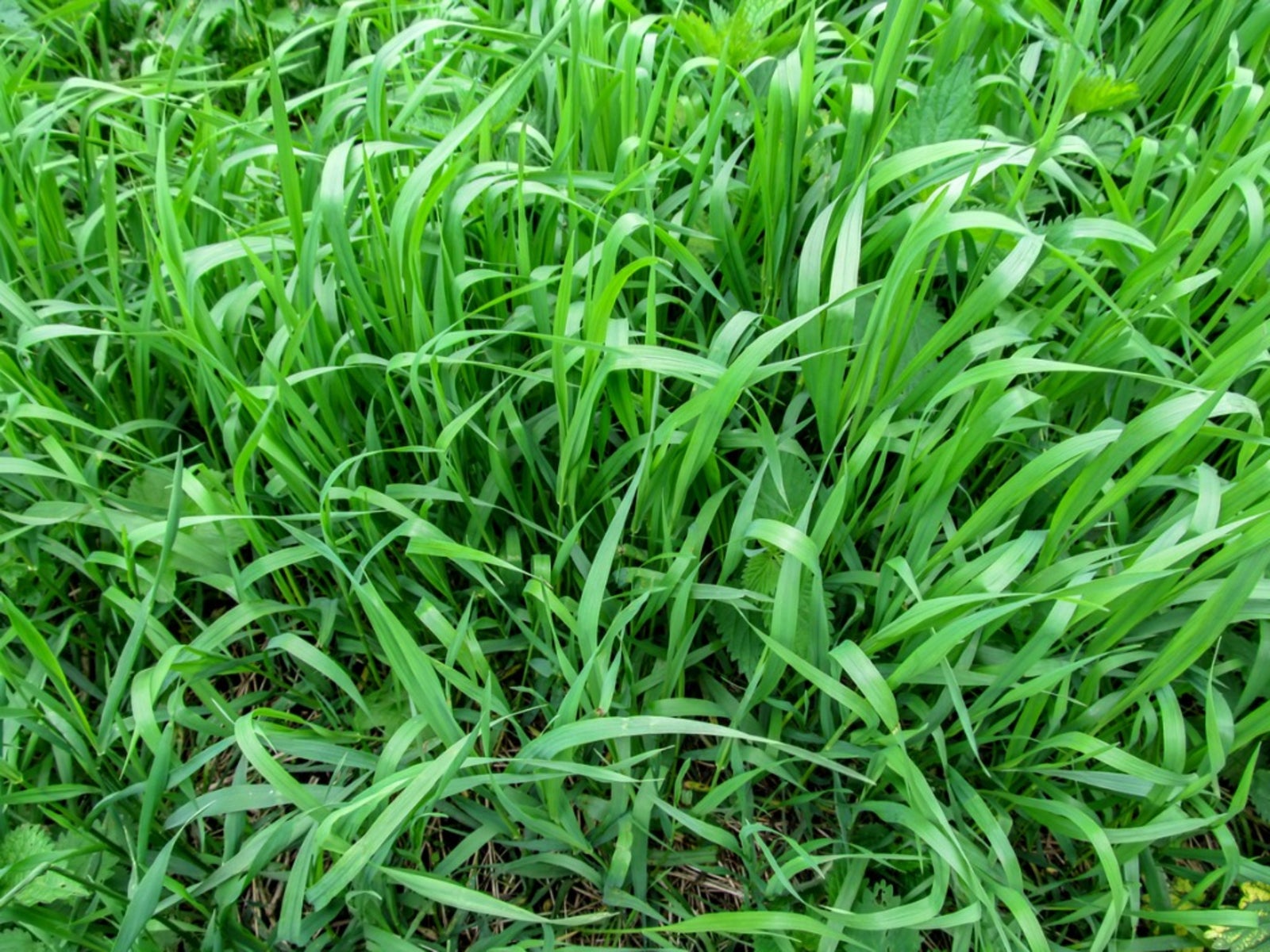
Image Source: cdn.mos.cms.futurecdn.net
Identifying Quackgrass: What You’re Up Against
Before you can effectively control quackgrass lawn, you need to identify it correctly. Quackgrass (Elymus repens) is a perennial grassy weed known for its vigorous growth and ability to spread rapidly through both seeds and underground rhizomes. These rhizomes are tough, white, and fleshy, allowing the plant to creep and spread.
Key Identification Features:
- Leaf Blades: Quackgrass has rough, bluish-green leaf blades that are typically 2-6 mm wide. The leaf sheaths are often hairy.
- Auricles: A distinctive feature of quackgrass is its prominent, claw-like auricles that clasp the stem at the base of the leaf blade. These are often described as ear-like.
- Seed Heads: During the summer months, quackgrass produces upright seed heads that resemble wheat or rye, with spikelets arranged alternately along the stem.
- Rhizomes: The most telling sign of quackgrass is its extensive network of underground rhizomes. These are the primary way it spreads and makes it so resilient. They allow it to regrow even after above-ground portions are removed.
Knowing these characteristics will help you distinguish quackgrass from desirable turfgrass species and other weeds.
Why Quackgrass is a Problem for Your Lawn
Quackgrass is more than just an eyesore; it actively harms your lawn’s health and appearance. Its aggressive nature means it can quickly outcompete desirable grasses for vital resources like water, sunlight, and nutrients.
- Competition: Quackgrass thrives in poor soil conditions and compacted areas, often where turfgrass struggles. It forms dense patches that choke out finer grasses.
- Poor Aesthetic: Its coarse texture and bluish-green color often contrast sharply with the finer texture and deeper green of cultivated turfgrass, creating an uneven and unappealing look.
- Resilience: The extensive rhizome system makes it incredibly difficult to eradicate. Cutting the grass doesn’t kill it; in fact, it can encourage more growth from the rhizomes.
Methods to Remove Quackgrass
There are several ways to tackle quackgrass, ranging from manual labor to more potent solutions. The best way to kill quackgrass often depends on the severity of the infestation and your preference for chemical or natural methods.
Manual Removal: The Labor-Intensive Approach
Manual removal is the most straightforward and environmentally friendly method to remove quackgrass. It’s best suited for small infestations and requires diligence.
Digging Out Quackgrass
- Timing: The best time to dig is when the soil is moist, making it easier to pull the entire root system, including the rhizomes.
- Tools: A sharp spade or a garden fork is essential. A weeding tool designed for deep-rooted weeds can also be helpful.
-
Technique:
- Carefully insert your tool around the base of the quackgrass clump.
- Work to loosen the soil and lift the entire plant, ensuring you get as much of the rhizome system as possible.
- Inspect the dug-out area for any remaining rhizome pieces. These can sprout new plants, so it’s crucial to remove them thoroughly.
- Dispose of the removed weeds properly to prevent them from re-establishing. Do not compost quackgrass unless your compost pile reaches very high temperatures, as rhizomes can survive.
-
Pros:
- Chemical-free.
- Immediate removal of visible plants.
- Environmentally friendly.
- Cons:
- Time-consuming and physically demanding.
- Difficult to remove all rhizomes, leading to regrowth.
- Can leave bare patches in the lawn that need reseeding.
The Importance of Rhizome Removal
The success of manual removal hinges on your ability to get the rhizomes. These underground stems are the quackgrass’s lifeline. If you leave even small pieces behind, they can sprout new shoots and reinfest your lawn. This is why thoroughness is paramount when digging.
Natural and Organic Quackgrass Control
For those seeking to kill quackgrass naturally, several effective methods are available. These approaches focus on weakening and ultimately eliminating the weed without resorting to synthetic herbicides.
Smothering with Mulch or Landscape Fabric
This method works by depriving the quackgrass of sunlight, which it needs to grow.
- Materials: Thick layers of organic mulch (wood chips, straw) or heavy-duty landscape fabric.
- Technique:
- Mow the infested area as short as possible.
- Cover the quackgrass with a thick layer of mulch (at least 4-6 inches) or the landscape fabric.
- For landscape fabric, cover it with mulch or soil to improve aesthetics and prevent UV degradation.
- This method is most effective for larger infested areas or when renovating the lawn. It may take several weeks or months to see significant results.
- Pros:
- No chemicals.
- Suppresses weed growth effectively.
- Mulch can improve soil health as it decomposes.
- Cons:
- Can be unsightly during the suppression period.
- May require significant amounts of material.
- May not completely kill deeply established rhizomes, especially if not left in place long enough.
Vinegar Solution: A Targeted Approach
Horticultural vinegar (10-20% acetic acid) can be an effective quackgrass killer when applied directly. Household vinegar (5% acetic acid) may also work but is less potent and might require repeat applications.
- Application:
- Apply on a sunny, warm, and windless day.
- Spray directly onto the quackgrass leaves. Avoid contact with desirable grasses as vinegar is non-selective and will kill any plant it touches.
- Use a spray bottle or a pump sprayer.
- Pros:
- Natural and readily available.
- Can provide quick results on the foliage.
- Cons:
- Non-selective; will damage or kill any plant it contacts.
- Primarily affects the top growth; may not kill the entire rhizome system, requiring repeat applications.
- High concentrations can be corrosive and require protective gear.
- Can alter soil pH temporarily.
Boiling Water Treatment
Similar to vinegar, boiling water can act as a quackgrass killer by scalding and damaging the plant tissue.
- Application:
- Carefully pour boiling water directly onto the quackgrass.
- Be extremely cautious to avoid burns and to prevent the water from splashing onto desired lawn grasses.
- Pros:
- Completely natural and safe for the environment.
- Easy to apply for small patches.
- Cons:
- Non-selective, will kill any plant it touches.
- Only affects the top growth; may not reach and kill the deep rhizomes.
- Requires repeated applications.
- Can be hazardous to apply.
Chemical Control: When Other Methods Fail
If natural methods prove insufficient, chemical herbicides can be a more potent quackgrass killer. Always read and follow label instructions carefully.
Selective vs. Non-Selective Herbicides
-
Non-Selective Herbicides (e.g., Glyphosate): These herbicides kill any plant they come into contact with. They are effective for eradicating quackgrass but will also kill surrounding turfgrass. This is often used in situations where the entire lawn area needs to be cleared and reseeded.
- Application: Spot treat the quackgrass patches. Ensure you don’t spray desirable grass. Glyphosate is absorbed through the leaves and translocated to the roots, making it effective against rhizomes.
- Pros: Highly effective at killing the entire plant, including rhizomes.
- Cons: Kills all vegetation, requiring reseeding. Can have environmental impacts if not used responsibly.
-
Selective Herbicides: These herbicides target specific types of weeds without harming desirable turfgrass. Unfortunately, selective herbicides that are highly effective against quackgrass are limited. Some post-emergent herbicides that can suppress quackgrass growth include fenoxaprop-p-ethyl or quinclorac, but their efficacy can vary.
- Application: Follow label directions precisely for the specific product.
- Pros: Can target quackgrass without harming your lawn.
- Cons: May require multiple applications. Efficacy can be variable. Some selective options may not be readily available to homeowners.
Timing is Crucial for Chemical Applications
- Active Growth: Herbicides are most effective when applied to actively growing weeds.
- Temperature: Avoid applying herbicides when temperatures are too high or too low, as this can reduce effectiveness and increase the risk of damage to desirable turf.
- Rain: Do not apply herbicides before rain, as it can wash the product away. Allow adequate drying time as per the product label.
Lawn Care Quackgrass: Prevention is Key
The best long-term strategy for managing quackgrass is to promote a healthy, dense lawn that can naturally outcompete weeds. This is the core of effective lawn care quackgrass management.
Promote a Healthy and Dense Turf
A thick, healthy lawn is your first line of defense against invasive grasses like quackgrass.
- Proper Mowing: Mow your lawn at the correct height for your grass type. Taller grass shades the soil, discouraging weed seed germination and strengthening your turf’s root system.
- Adequate Watering: Water deeply and less frequently to encourage deep root growth. Shallow watering promotes shallow roots, making grass more susceptible to drought and weeds.
- Fertilization: Feed your lawn with the right nutrients at the right times. A well-fed lawn is more resilient and better able to compete. Perform a soil test to determine specific nutrient needs.
- Aeration: Aerating your lawn helps reduce soil compaction, allowing water, air, and nutrients to reach the grass roots more effectively. This strengthens the turf and makes it less hospitable to quackgrass.
- Overseeding: Regularly overseeding your lawn, especially in the fall, helps fill in thin spots and maintain a dense turf canopy.
Quackgrass Prevention Strategies
Preventing quackgrass from establishing in the first place is far easier than removing an existing infestation.
- Inspect New Sod or Seed: Before installing new sod or sowing seeds, ensure they are free from quackgrass or other weed seeds.
- Control Edges: Maintain neat edges along sidewalks, driveways, and garden beds. Quackgrass can easily creep in from surrounding areas.
- Avoid Over-Fertilizing: Excessive nitrogen can sometimes favor the growth of certain grassy weeds.
- Clean Equipment: Clean mowing decks, tillers, and other lawn care equipment to avoid spreading quackgrass seeds or rhizomes from one area to another.
Eradicate Quackgrass: A Step-by-Step Guide
To eradicate quackgrass completely, a consistent and patient approach is necessary.
Step 1: Assess the Infestation
- Determine the size and density of the quackgrass patches.
- Identify if quackgrass is encroaching from neighboring areas.
Step 2: Choose Your Method
- For small infestations: Manual removal is often the most effective initial step.
- For larger areas or severe infestations: Consider a combination of smothering and chemical treatment, or a full lawn renovation.
Step 3: Implement Your Chosen Method
- Manual Removal: Dig diligently, focusing on rhizomes.
- Smothering: Cover the area with thick mulch or landscape fabric.
- Chemical Treatment: Apply appropriate herbicides according to label instructions.
Step 4: Repair and Reseed
- After removing quackgrass, especially with non-selective herbicides, you will likely have bare patches.
- Prepare the soil by loosening it and adding compost.
- Overseed with a high-quality grass seed mix suitable for your region and the sun exposure of the area.
- Water the new seed consistently to encourage germination and establishment.
Step 5: Ongoing Monitoring and Prevention
- Regularly inspect your lawn for any signs of returning quackgrass.
- Continue with good lawn care quackgrass practices to maintain a dense and healthy turf.
- Address any new weed outbreaks promptly.
Removing Invasive Grasses: Beyond Quackgrass
While this guide focuses on quackgrass, many principles apply to other invasive grasses. The key to remove invasive grasses is understanding their growth habits and employing targeted control measures. Just like with quackgrass, promoting a healthy lawn is the most sustainable long-term solution.
Table: Quackgrass Control Methods Comparison
| Method | Effectiveness for Rhizomes | Speed of Results | Labor Intensity | Environmental Impact | Best For |
|---|---|---|---|---|---|
| Manual Digging | Moderate (if thorough) | Immediate (foliage) | High | Low | Small, localized infestations |
| Smothering (Mulch/Fabric) | High (with time) | Slow (weeks/months) | Moderate | Low | Large areas, lawn renovation |
| Vinegar Solution | Low-Moderate | Moderate | Low | Low | Small patches, repeated applications needed |
| Boiling Water | Low | Moderate | Low | Low | Very small patches, repeated applications |
| Glyphosate (Non-selective) | High | Moderate (days/weeks) | Low | Moderate (chemical) | Severe infestations, full lawn renovation |
| Selective Herbicides | Variable | Moderate | Low | Low-Moderate | Established lawns, where selective action needed |
Frequently Asked Questions (FAQ)
Q1: How quickly can I get rid of quackgrass?
The speed of eradication depends heavily on the method used and the size of the infestation. Manual removal offers immediate visual results but may require repeat digging. Chemical treatments can take days to weeks to show full effect. Smothering methods are the slowest, often taking months.
Q2: Will fertilizing my lawn help kill quackgrass?
Fertilizing a healthy lawn can help it outcompete weeds like quackgrass by making the turf denser and more vigorous. However, fertilizing alone is not a direct method for killing quackgrass.
Q3: Is it safe to use vinegar on my lawn for quackgrass?
Horticultural vinegar (10-20% acetic acid) can kill quackgrass, but it is non-selective, meaning it will also kill your desirable lawn grass. Use it only as a spot treatment and avoid contact with the turf you want to keep. Household vinegar (5%) is less effective.
Q4: Can quackgrass seeds survive in the soil?
Yes, quackgrass seeds can remain viable in the soil for several years, making quackgrass prevention through good lawn maintenance crucial.
Q5: What is the most effective quackgrass killer?
For complete eradication, especially of established infestations with extensive rhizomes, a non-selective herbicide like glyphosate is often considered the most effective quackgrass killer. However, this requires reseeding the treated area. For those prioritizing natural methods, persistent manual removal and smothering are effective over time.
Q6: How can I prevent quackgrass from coming back after I remove it?
The best quackgrass prevention is maintaining a dense, healthy lawn through proper mowing, watering, fertilizing, and aeration. Address any thin patches promptly by overseeding. Monitor your lawn regularly for any returning signs.
By employing a combination of these strategies and maintaining a vigilant approach to lawn care quackgrass, you can effectively remove quackgrass and enjoy a beautiful, weed-free lawn. Remember, patience and persistence are your greatest allies in this battle against invasive grasses.