
Can you get rid of lawn grubs naturally? Yes, you absolutely can get rid of lawn grubs naturally and safely, by using a combination of preventative measures, biological controls, and environmentally friendly treatments.
Dealing with grubs in your lawn can be frustrating. These C-shaped, white larvae of various beetles can chew on grass roots, causing brown patches, thinning turf, and an overall unhealthy appearance. Traditional chemical treatments can be effective, but many homeowners are seeking more natural and safer alternatives to protect their families, pets, and the environment. Fortunately, there are several eco-friendly grub solutions and organic grub treatment options that can help you reclaim your lawn. This guide will delve into effective DIY lawn care strategies and healthy lawn techniques for natural lawn pest control.
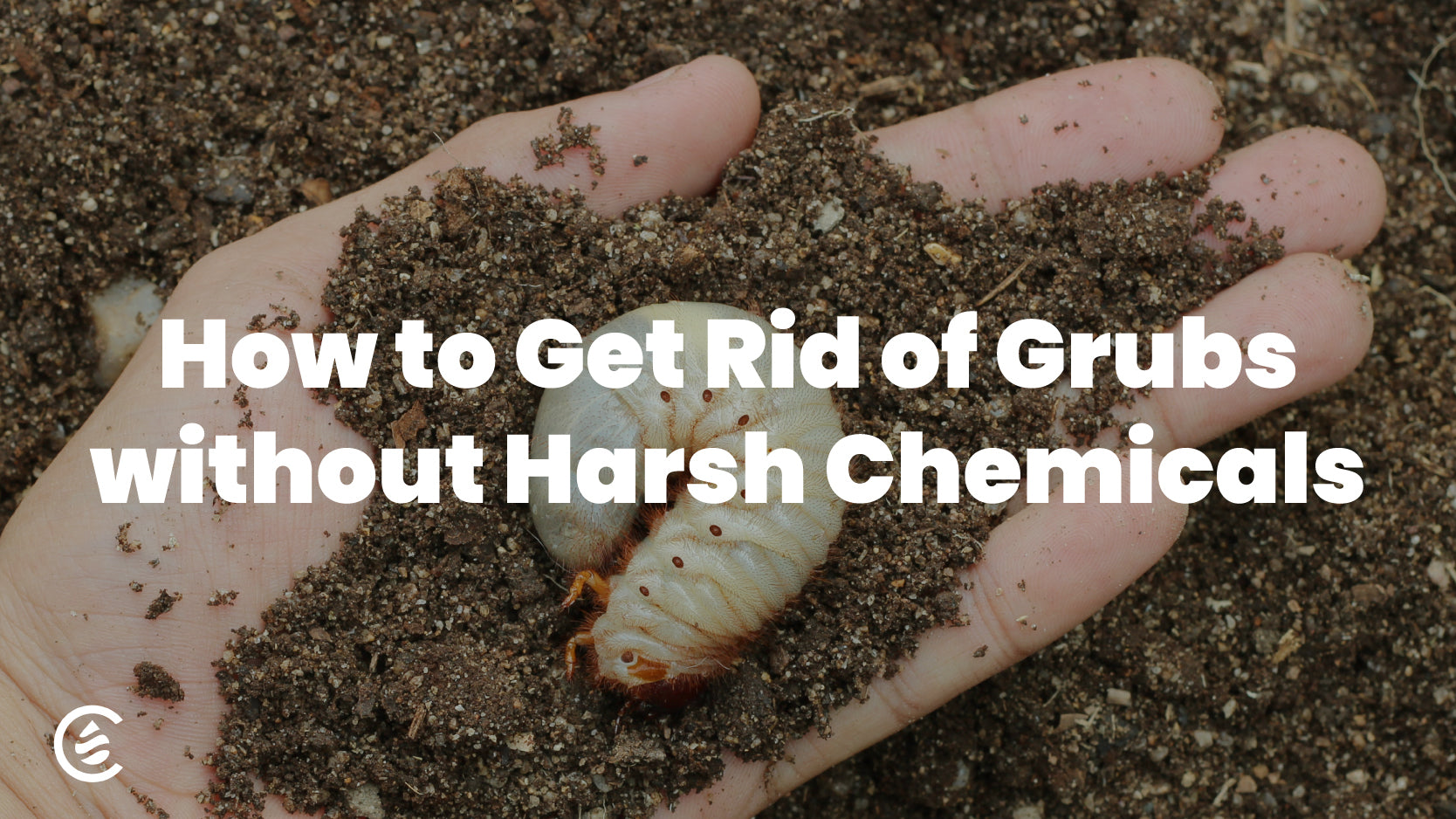
Image Source: cedarcide.com
Identifying Grub Infestations
Before you can tackle grubs, you need to know if you have them. The first step in any DIY grub control is accurate identification.
Signs of Grub Damage
- Brown Patches: The most common sign is irregular brown or yellowish patches that don’t respond to watering.
- Spongy Turf: If you can easily lift sections of your lawn like a carpet, it’s a strong indicator that grubs have eaten the roots, severing the turf from the soil.
- Increased Pest Activity: Birds, moles, and skunks might dig in your lawn, attracted by the abundant grub food source.
- Visible Grubs: During active feeding periods, you might find C-shaped white grubs just below the soil surface when digging.
Common Types of Grubs
Different types of grubs infest lawns, but their appearance and the damage they cause are often similar. Some common culprits include:
- Japanese Beetle Grubs: These are gray and have a distinct V-shaped pattern of bristles on their rear end. They are notorious for their destructive feeding habits.
- European Chafer Grubs: Similar to Japanese beetle grubs, they are also C-shaped and white.
- Billbug Grubs: These are legless and crescent-shaped, often found deeper in the soil.
- Masked Chafers: These grubs are milky white and have a distinctive brown head.
Natural Grub Control Strategies
Now that you know what to look for, let’s explore how to get rid of grubs using natural lawn pest control methods.
1. Promote a Healthy Lawn: The First Line of Defense
A strong, healthy lawn is more resilient and less susceptible to grub damage. This is the cornerstone of healthy lawn techniques.
Healthy Soil Practices
- Proper Watering: Water your lawn deeply and less frequently. This encourages deep root growth, making the grass stronger and better able to withstand some grub damage. Avoid shallow, frequent watering, which can attract beetles looking for moist soil to lay their eggs.
- Appropriate Mowing: Mow your lawn at the higher end of the recommended height for your grass type. Taller grass shades the soil, making it less attractive to egg-laying beetles. It also promotes deeper root systems.
- Core Aeration: Aerating your lawn improves soil structure, drainage, and air circulation. This strengthens the grass and can disrupt the grub life cycle by exposing them to the surface.
- Topdressing: Adding a thin layer of compost or quality topsoil can improve soil health and encourage stronger grass growth.
Natural Fertilization
- Organic Fertilizers: Use slow-release organic fertilizers. These feed the soil and the grass gradually, promoting overall health without the sudden growth spurts that can attract pests. Compost is an excellent natural fertilizer.
2. Biological Control Agents: Nature’s Allies
These are living organisms that prey on or infect grubs, offering a natural lawn pest control solution.
Beneficial Nematodes
What are beneficial nematodes? Beneficial nematodes are microscopic roundworms that are naturally present in soil. Certain species, like Heterorhabditis bacteriophora (Hb) and Steinernema species, are predatory and feed on grub larvae. They are highly effective, safe for pets and humans, and a key organic grub treatment.
- How They Work: Nematodes enter the grub through natural openings (like the mouth or spiracles) and release bacteria that kill the grub. The nematodes then feed on the bacteria and the grub.
- When to Apply: The best time to apply beneficial nematodes is when grubs are actively feeding and are close to the surface, typically in late summer or early fall, and again in early spring as temperatures warm. Soil temperatures should be at least 50°F (10°C).
- Application:
- Ensure the soil is moist before application.
- Mix the nematodes with water according to the product instructions.
- Apply evenly to the lawn using a hose-end sprayer or watering can.
- Water the lawn immediately after application to help them penetrate the soil.
- Avoid applying in direct sunlight, as UV rays can kill nematodes. Apply in the evening or on a cloudy day.
- Storage: Beneficial nematodes are live organisms and must be stored in the refrigerator until use.
Milky Spore Disease
What is Milky spore disease? Milky spore disease is a naturally occurring soil bacterium, Paenibacillus popilliae, that infects and kills Japanese beetle grubs. It’s a long-term solution, becoming more effective over time.
- How It Works: When grubs ingest the spores while feeding on grass roots, the spores germinate inside the grub, multiply, and eventually kill it. The dead grub releases millions more spores into the soil, creating a long-lasting defense.
- When to Apply: Milky spore is most effective when applied when grubs are present and actively feeding, typically in the late summer or early fall. It can take 2-3 years to build up enough spores in the soil for significant control.
- Application:
- Apply the powder evenly across the lawn.
- Water the lawn lightly after application to help the spores settle into the soil.
- It is crucial to treat the entire lawn and surrounding areas where Japanese beetles might be present for best results.
- Effectiveness: Milky spore is highly specific to Japanese beetle grubs and does not harm beneficial insects, pets, or humans. It’s a patient approach but provides sustainable natural lawn pest control.
3. Cultural and Mechanical Controls: Hands-On Approaches
These methods involve altering the lawn environment or physically removing the grubs.
Grub Trapping
- How it Works: You can create simple traps to lure adult beetles (which lay the eggs that hatch into grubs) away from your lawn. Japanese beetles, for example, are attracted to specific pheromone lures.
- Application: Place beetle traps a distance away from your lawn, ideally in areas where you want to attract the beetles. This can help reduce the number of eggs laid in your turf.
- Considerations: While trapping adults can help, it’s often not enough on its own for a severe infestation.
Dethatching
- How it Works: A thick layer of thatch can provide a cozy habitat for grubs. Dethatching your lawn removes this layer, exposing grubs and making the environment less hospitable.
- When to Dethatch: Dethatch during your lawn’s active growing season. For cool-season grasses, this is typically spring or fall. For warm-season grasses, it’s late spring or early summer.
- Considerations: Dethatching can stress the lawn, so do it at the right time of year and follow up with proper care.
4. DIY Grub Control and Lawn Remedies
When you need more immediate solutions, these DIY grub control and lawn grub remedies can be effective.
Neem Oil
What is Neem oil? Neem oil is derived from the seeds of the neem tree and contains azadirachtin, a natural insecticide and repellent. It disrupts the life cycle of insects, including grubs.
- How it Works: Neem oil can act as an antifeedant, growth regulator, and repellent. When grubs ingest it, it interferes with their molting process.
- Application:
- Mix cold-pressed neem oil with water and a mild soap (like insecticidal soap) as an emulsifier. Follow product instructions carefully for dilution ratios.
- Apply thoroughly to the lawn, ensuring good coverage of the soil surface.
- Apply in the early morning or late evening to avoid leaf burn and protect pollinators.
- Considerations: Neem oil is generally safe for beneficial insects when applied at the correct time, but it’s always best to test a small area first.
Insecticidal Soap
- How it Works: Insecticidal soaps are made from potassium salts of fatty acids. They work by breaking down the outer protective layer of soft-bodied insects, leading to dehydration. While more effective on surface-dwelling insects, a thorough drenching can sometimes impact grubs.
- Application: Mix with water and apply directly to affected areas.
- Considerations: Insecticidal soap is most effective on young grubs and requires direct contact. It may need repeated applications.
Garlic Sprays and Other Natural Repellents
- How it Works: Strong scents like garlic can deter adult beetles from laying eggs in your lawn. Some homeowners create their own garlic sprays by blending garlic with water and a bit of soap.
- Application: Spray the mixture onto the lawn.
- Considerations: The effectiveness can be variable, and repeated applications are usually needed.
Grub Prevention Methods: Stopping Them Before They Start
The best approach to natural lawn pest control is prevention. Implementing these grub prevention methods can significantly reduce future grub problems.
Timing is Everything
- Adult Beetle Activity: Japanese beetles, for example, are most active in July and August. During this time, they fly around, mate, and lay eggs. Reducing the adult beetle population can greatly impact the next generation of grubs.
- Egg Laying: Adult beetles prefer moist, healthy grass to lay their eggs. By maintaining a healthy lawn (as discussed above), you make it less appealing.
Companion Planting
- While not directly a lawn treatment, planting certain plants around your garden beds can deter pests that affect lawns. For instance, planting marigolds or garlic can act as natural repellents.
Attracting Natural Predators
- Birds: Many bird species feed on grubs and adult beetles. Providing a bird bath and bird feeders can encourage these natural predators to visit your yard.
- Beneficial Insects: Ladybugs, lacewings, and parasitic wasps can also help control grub populations by preying on eggs or adult beetles.
Implementing an Organic Grub Treatment Plan
Combining several eco-friendly grub solutions will yield the best results. Here’s how to structure your approach:
Step 1: Assess and Identify
- Confirm you have grubs and identify the type if possible (though most natural treatments target a broad range).
- Determine the extent of the infestation by checking several spots in your lawn.
Step 2: Prepare Your Lawn
- Dethatch if necessary.
- Aerate your lawn to improve soil conditions and expose grubs.
Step 3: Apply Biological Controls
- Apply beneficial nematodes during their peak activity periods (late summer/early fall and early spring).
- Apply Milky spore disease in late summer or early fall for long-term Japanese beetle grub control.
Step 4: Use Natural Sprays as Needed
- If you see adult beetles, consider using neem oil or other natural repellents to deter them and reduce egg-laying.
- For immediate grub issues, a thorough application of neem oil or insecticidal soap might be necessary, remembering to reapply as needed.
Step 5: Maintain a Healthy Lawn
- Continue with proper watering, mowing, and fertilizing practices to ensure your lawn remains strong and resilient. This is key to long-term DIY grub control and natural lawn pest control.
When to Call a Professional
While most DIY grub control is manageable, there are times when professional help might be beneficial.
- Severe Infestations: If your lawn is heavily damaged and the infestation is widespread, a professional might have access to more concentrated organic treatments or a more comprehensive plan.
- Identifying Specific Pests: If you’re struggling to identify the exact pest or the cause of lawn damage, a professional lawn care specialist can provide an accurate diagnosis.
- Large Properties: For very large areas, applying natural treatments might be time-consuming and require specialized equipment.
Frequently Asked Questions (FAQ)
Q1: How quickly do natural grub treatments work?
A1: Natural treatments, especially biological controls like beneficial nematodes and milky spore disease, typically work more slowly than chemical options. Beneficial nematodes can start showing results within days to weeks, while milky spore disease can take 2-3 years to become fully effective. Neem oil and insecticidal soaps offer more immediate but often temporary effects.
Q2: Are beneficial nematodes safe for my pets and children?
A2: Yes, beneficial nematodes are microscopic organisms that are completely safe for pets, children, birds, and other beneficial insects. They specifically target insect larvae.
Q3: Can I apply beneficial nematodes and milky spore disease at the same time?
A3: Yes, you can apply both beneficial nematodes and milky spore disease. Applying nematodes in late summer/early fall and again in early spring targets active grubs, while milky spore disease works on a longer timeline to build immunity in the soil against Japanese beetle grubs.
Q4: How often do I need to reapply natural grub treatments?
A4: Reapplication frequency depends on the treatment. Beneficial nematodes may need to be applied annually or bi-annually, depending on the severity of the infestation and environmental conditions. Milky spore disease is a one-time application that builds immunity over time. Neem oil and insecticidal soaps may require reapplication every few weeks during active pest seasons.
Q5: What is the best time of year to treat for grubs naturally?
A5: The best time to treat for grubs naturally is typically in the late summer and early fall (August to September) when the adult beetles are laying eggs and the newly hatched grubs are still small and feeding near the surface. An early spring treatment (April to May) can also be effective as the grubs become active again before pupating.
By focusing on healthy lawn techniques, utilizing beneficial nematodes and milky spore disease, and employing DIY grub control methods when necessary, you can effectively manage grub populations and maintain a beautiful, vibrant lawn without resorting to harsh chemicals. This approach to natural lawn pest control is not only better for the environment but also for the health and safety of your household. Remember that consistency and patience are key to achieving lasting results with eco-friendly grub solutions.