
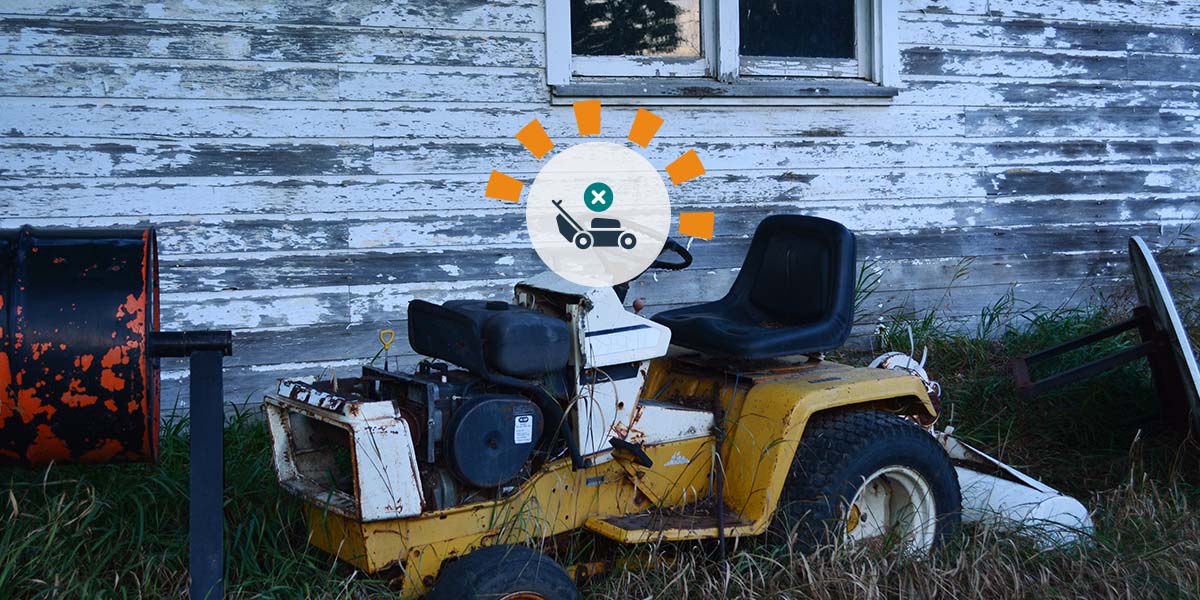
Image Source: dumpsters.com
How Do I Dispose Of A Lawn Mower: Eco-Friendly Options Explained
So, you’re wondering, “How do I dispose of my lawn mower?” The best way to get rid of a lawn mower responsibly often involves finding ways to repurpose, donate, sell, or recycle it, ensuring it doesn’t end up in a landfill and avoids improper hazardous waste disposal. Many people also ask, “Can I just leave my old lawn mower on the curb?” Generally, no, curbside pickup for large items like lawn mowers is not standard and could even result in fines. This guide will explore various environmentally friendly lawn mower disposal methods, covering everything from selling a lawn mower to understanding hazardous waste lawn mower components and finding reliable mower disposal services.
Why Responsible Lawn Mower Disposal Matters
Getting rid of an old lawn mower might seem like a simple chore, but it’s a task that carries significant environmental implications. Many older lawn mowers, especially gas-powered models, contain fluids and materials that can be harmful if not disposed of properly. Thinking about “lawn mower disposal” with an eco-conscious mindset is crucial for protecting our planet.
The Environmental Impact of Improper Disposal
- Soil and Water Contamination: Gasoline, oil, and battery acid are corrosive and toxic. If a mower is simply dumped, these substances can leak into the soil, polluting groundwater and harming plant and animal life.
- Landfill Burden: While some components of a lawn mower can be recycled, others, like plastic casings, can take hundreds of years to decompose in a landfill, contributing to the growing waste problem.
- Hazardous Waste Issues: Gasoline and oil are classified as hazardous waste. Improper disposal can lead to significant environmental damage and potential legal repercussions. It’s vital to treat a “hazardous waste lawn mower” with the care it requires.
Exploring Your Lawn Mower Disposal Options
When it’s time for “old lawn mower removal,” you have several avenues to explore. The “best way to get rid of a lawn mower” depends on its condition and your priorities.
1. Selling Your Lawn Mower
If your lawn mower is still in working order, even if it’s a bit worn, selling it is a fantastic way to recoup some of your investment and give it a second life. This is often the most rewarding option for “lawn mower disposal” as it benefits another person directly.
Preparing to Sell
- Clean it Up: A good cleaning can make a big difference. Wash off dirt, grass clippings, and oil residue.
- Basic Maintenance: Ensure fluids are topped up (if applicable), the spark plug is clean, and the blade is sharp. A well-maintained mower is more attractive to buyers.
- Honest Description: Be upfront about any issues or wear and tear. Transparency builds trust.
- Set a Fair Price: Research similar models online to determine a competitive price.
Where to Sell
- Online Marketplaces: Platforms like Craigslist, Facebook Marketplace, eBay, and dedicated yard sale groups are excellent for reaching local buyers.
- Local Classifieds: Community newspapers or bulletin boards can still be effective.
- Garage Sales: Combine selling your mower with other unwanted items.
2. Donating Your Lawn Mower
Donating a functional lawn mower is a charitable and environmentally sound choice. Many organizations can utilize working equipment. This is a fulfilling method of “old lawn mower removal.”
Who Accepts Donations?
- Community Centers and Gardens: Local community groups often need mowers to maintain public spaces.
- Habitat for Humanity ReStores: Many ReStores accept working tools and equipment.
- Youth Programs or Vocational Schools: Programs that teach landscaping or vocational skills might welcome a donated mower.
- Local Charities: Some charities that assist low-income families or elderly individuals with yard work might accept donations.
How to Donate
- Contact First: Always call the organization before dropping off an item to confirm they accept lawn mowers and to arrange a drop-off time.
- Ensure Functionality: Only donate mowers that are in good working condition.
3. Recycling Your Lawn Mower
When a mower is beyond repair or donation, recycling is the most responsible “environmentally friendly lawn mower disposal” option. Recycling ensures that valuable materials are recovered and that hazardous components are handled safely. This is a key consideration for “recycling lawn mowers.”
Identifying Recyclable Materials
Lawn mowers are typically made from:
- Steel and Aluminum: These metals are highly recyclable.
- Plastics: Many plastic components can also be recycled.
- Engine Oil and Gasoline: These are considered “hazardous waste lawn mower” components and require special handling.
- Batteries (for electric mowers): Batteries contain heavy metals and must be recycled separately.
Where to Recycle
- Local Recycling Centers: Many municipal recycling facilities have specific drop-off points for scrap metal and appliances. They can often handle the hazardous materials as well.
- Scrap Metal Yards: These businesses are equipped to handle large metal items and often pay for them by weight. They are experienced in dealing with “junk lawn mower pickup” if arranged.
- Specialized E-Waste Recyclers: For electric mowers, e-waste recycling centers are the best option, as they specialize in handling batteries and electronics.
- Retailer Take-Back Programs: Some lawn mower manufacturers or retailers offer take-back programs when you purchase a new mower.
Preparing for Recycling
- Drain Fluids: This is crucial for safe disposal. Most recycling centers or scrap metal yards will require that gasoline and oil be completely drained from the mower.
- Gasoline: Run the engine until it’s out of fuel. Any remaining fuel can be carefully siphoned into an approved container and taken to a hazardous waste collection site.
- Oil: Place a drain pan under the oil drain plug and remove it. Allow the oil to drain completely into the pan. Pour the used oil into a sealed container and take it to an auto parts store or hazardous waste facility that accepts used motor oil.
- Remove Battery (Electric Mowers): If you have an electric mower, remove the battery and take it to a battery recycling center. Many auto parts stores and electronics retailers accept rechargeable batteries.
4. Junk Removal Services
If you need “junk lawn mower pickup” and want a convenient way to handle the disposal, hiring a junk removal service is an option. These companies will come to your property, haul away the mower, and dispose of it responsibly. This is a good route for “mower disposal services.”
Choosing a Service
- Check for Eco-Friendly Practices: Inquire about their disposal methods. Do they prioritize recycling and donation, or do they simply take everything to the landfill?
- Get Quotes: Prices can vary significantly, so compare quotes from several companies.
- Read Reviews: Look for customer reviews to gauge reliability and service quality.
What to Expect
- Scheduling: You’ll typically schedule a pickup window.
- Pricing: Fees are usually based on the volume of items removed and may include a labor charge.
- Disposal: Reputable services will ensure the mower is taken to appropriate recycling facilities or transfer stations.
5. Municipal Waste and Recycling Programs
Your local municipality often provides specific guidelines and services for disposing of large items like lawn mowers.
Local Options
- Bulky Item Pickup: Some cities offer scheduled bulky item pickup days for large appliances and yard equipment. Check your local government’s website or waste management department for details.
- Hazardous Waste Collection Events: Many communities hold periodic hazardous waste collection events where you can drop off items like old gasoline, motor oil, and batteries.
- Transfer Stations or Landfills: If other options aren’t available, your local transfer station or landfill may accept lawn mowers, but they will likely have specific rules and fees, especially concerning the draining of fluids.
Special Considerations for Different Mower Types
The “best way to get rid of a lawn mower” can also depend on whether it’s gas-powered, electric, or a riding mower.
Gas-Powered Lawn Mowers
These are the most common and also the ones with the most potentially hazardous components.
- Fuel and Oil: As mentioned, draining these is paramount. Improper disposal of gasoline and oil is a major environmental concern and a key aspect of “hazardous waste lawn mower” management.
- Engine Components: The engine itself contains metal parts that can be recycled.
Electric Lawn Mowers (Corded and Battery-Powered)
Electric mowers are generally more eco-friendly in operation, but their disposal requires attention to specific components.
- Batteries: Lithium-ion and other types of rechargeable batteries contain valuable materials but also pose environmental risks if not recycled properly. Look for battery recycling drop-off points.
- Electrical Components: Motors and wiring contain metals that can be recycled.
Riding Lawn Mowers and Garden Tractors
These larger machines follow similar disposal principles but are heavier and may require special handling for transport and recycling.
- Fluid Drainage: Still critical, especially for hydraulic fluid in some models.
- Scrap Metal Value: Due to their size and metal content, riding mowers can sometimes yield a small amount of money at scrap metal yards.
What NOT to Do When Disposing of a Lawn Mower
Avoiding these common mistakes is crucial for responsible “lawn mower disposal.”
- Do Not Pour Fluids on the Ground: Never drain gasoline or oil into storm drains, sewers, or directly onto the soil.
- Do Not Throw into Regular Trash or Curbside Bin: Lawn mowers are too large and contain hazardous materials that municipal trash services are not equipped to handle.
- Do Not Burn: Burning a lawn mower is dangerous, releases toxic fumes, and is illegal in most areas.
- Do Not Abandon: Leaving a mower on the side of the road or in a vacant lot is illegal dumping and harmful to the environment.
Step-by-Step Guide to Environmentally Friendly Disposal
Here’s a streamlined process for “environmentally friendly lawn mower disposal”:
-
Assess the Mower’s Condition:
- Is it functional? If yes, consider selling or donating.
- Is it broken or beyond repair? Proceed to recycling or junk removal.
-
Prepare the Mower:
- Drain Fluids (Gas Mowers): Safely drain all gasoline and oil. Store them in approved containers.
- Remove Battery (Electric Mowers): Take the battery to a designated battery recycling drop-off.
- Clean the Mower: This makes it more appealing for sale or donation and easier to handle for recycling.
-
Choose Your Disposal Method:
- Sell: List it online or at a garage sale.
- Donate: Contact local charities or community groups.
- Recycle: Find a local recycling center or scrap metal yard that accepts them.
- Junk Removal: Hire a service for convenient pickup.
- Municipal Services: Check for local bulky item pickup or hazardous waste events.
-
Transport or Arrange Pickup:
- Transport the mower yourself to a recycling center or donation site.
- Arrange for “junk lawn mower pickup” if using a removal service.
-
Dispose of Fluids Properly:
- Take collected gasoline and oil to a hazardous waste collection site or an auto parts store that accepts them.
Frequently Asked Questions (FAQ)
Q1: How do I dispose of gasoline from an old lawn mower?
A1: Never pour gasoline on the ground or down a drain. Collect it in an approved gasoline container and take it to a hazardous waste collection facility or a facility that accepts used gasoline, such as some auto repair shops or dedicated collection sites.
Q2: Can I recycle my lawn mower?
A2: Yes, you can recycle most lawn mowers. They are primarily made of metal, which is highly recyclable. You’ll need to drain any fuel and oil first. Contact your local recycling center or scrap metal yard to confirm they accept them and to inquire about their specific preparation requirements.
Q3: What if my lawn mower is broken?
A3: If your lawn mower is broken, selling or donating it is unlikely. Your best options are recycling, taking it to a municipal waste transfer station (following their guidelines), or using a junk removal service. Ensure all fluids are drained before disposal.
Q4: Are there services that pick up old lawn mowers?
A4: Yes, many junk removal services offer “junk lawn mower pickup.” You can also check with your local waste management department, as some municipalities provide bulky item collection services that may include lawn mowers on specific days.
Q5: Is it safe to drain oil from a lawn mower myself?
A5: Yes, it is generally safe to drain oil from a lawn mower yourself if you follow proper procedures. Allow the engine to cool first. Use a drain pan to collect the oil, then transfer it to a sealed container for proper disposal at a recycling center or an auto parts store that accepts used motor oil.
By following these guidelines, you can ensure your “old lawn mower removal” process is both convenient and kind to the environment, making a positive impact with your “lawn mower disposal” choices.