
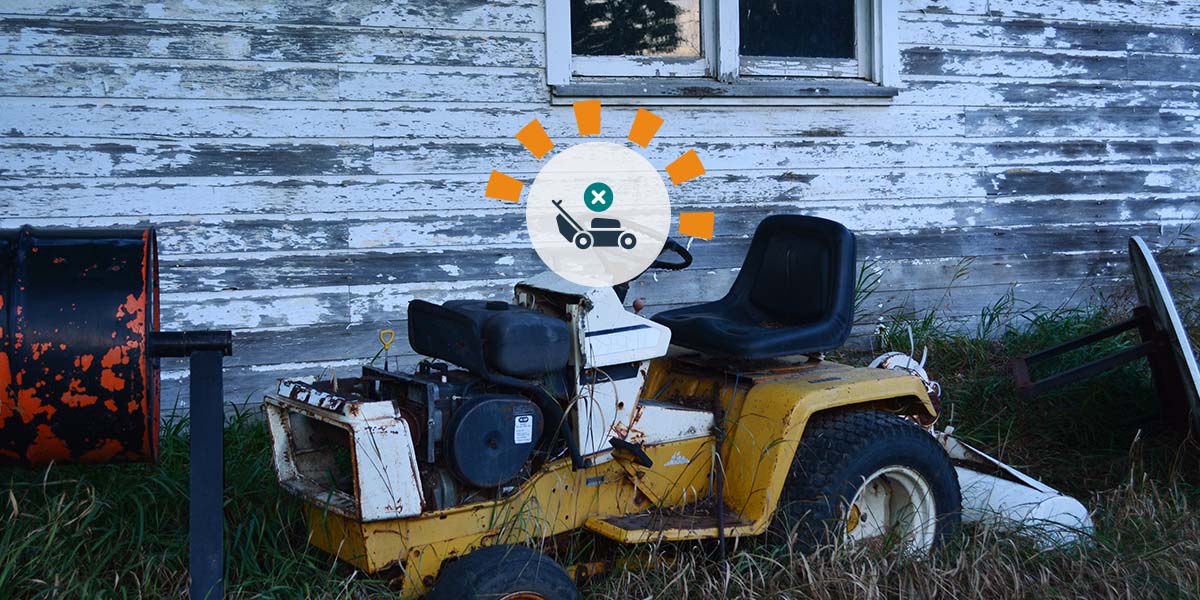
Image Source: dumpsters.com
How To Dispose Of Your Riding Lawn Mower Responsibly & Eco-Friendly
Can you simply abandon your old riding lawn mower at the curb? Generally, no. Most local regulations prohibit simply leaving large items like riding lawn mower disposal at the curb. Proper lawn mower disposal is crucial for environmental protection, preventing hazardous materials from entering landfills and potentially contaminating soil and water. This comprehensive guide will walk you through the best ways to handle your riding mower recycling, tractor mower removal, and junk lawn mower disposal with environmental consciousness. We’ll cover everything from understanding the components of your mower to finding the best mower disposal near me options.
Why Responsible Disposal Matters
Your old riding lawn mower is more than just a piece of yard equipment. It’s a complex machine containing various materials, some of which can be harmful to the environment if not handled correctly. Improper disposal can lead to:
- Soil and Water Contamination: Gasoline, oil, and battery acid are toxic. If your mower leaks these substances, they can seep into the ground and waterways.
- Landfill Overcrowding: Large items take up valuable space in landfills, contributing to their rapid filling.
- Wasted Resources: Mowers are made of metal, plastic, and rubber – all valuable resources that can be recycled and repurposed.
Preparing Your Riding Mower for Disposal
Before you can dispose of your riding mower, some preparation is necessary. This ensures a smoother process and minimizes environmental impact.
Draining Hazardous Fluids
This is the most critical step for responsible mower disposal. Mowers contain several fluids that require careful handling:
- Fuel:
- Procedure: Ensure the mower is on a level surface. Locate the fuel shut-off valve (if present) and turn it off. Siphon the fuel from the tank into an approved gasoline container using a hand pump or siphon.
- Disposal: Never pour fuel down a drain or onto the ground. Take it to a local hazardous waste collection site or a service station that accepts used gasoline.
- Oil:
- Procedure: Warm up the engine for a few minutes to make the oil flow more easily. Place a drain pan underneath the oil drain plug. Remove the plug and let the oil drain completely. Replace the drain plug and tighten it.
- Disposal: Used motor oil is highly recyclable. Take it to an auto parts store, a mechanic, or a local recycling center that accepts used motor oil.
- Battery Acid:
- Procedure: If your mower has a battery, disconnect the negative terminal first, then the positive. Carefully remove the battery. If it’s a sealed lead-acid battery, it can often be taken to a recycling center. If it’s an older style with removable caps, take extreme care when handling.
- Disposal: Car batteries and similar lead-acid batteries are hazardous waste. Most auto parts stores and battery retailers accept them for recycling.
Removing Other Hazardous Components
- Coolant (if applicable): Some riding mowers have liquid-cooled engines. Drain the coolant into a separate container and dispose of it at a designated hazardous waste facility.
- Tires: While not always considered hazardous in small quantities, large amounts of rubber can be problematic in landfills. Many tire shops and recycling centers accept old tires.
Your Options for Riding Lawn Mower Disposal
Once your mower is prepped, you have several avenues for its responsible disposal. The best option for you will depend on your location, the condition of the mower, and your priorities.
1. Selling or Donating Your Old Mower
If your riding mower is still functional, even if it’s old, consider these options before disposal:
- Selling:
- Platforms: Online marketplaces like Craigslist, Facebook Marketplace, eBay, or local classifieds are excellent for selling used equipment.
- Pricing: Research similar models to set a fair price. Be honest about the mower’s condition.
- Benefits: You can recoup some of your investment and ensure the mower continues to be used.
- Donating:
- Organizations: Local charities, vocational schools, community gardens, or churches might accept working lawn mowers.
- Tax Deductions: You may be able to get a tax deduction for your donation.
- Benefits: You help a worthy cause and give your mower a second life.
2. Riding Mower Recycling
Riding mower recycling is an excellent eco-friendly choice. Many components, especially metal, can be salvaged and reused.
- Scrap Metal Yards:
- How it works: Scrap metal yards will often take old machinery, including riding lawn mowers. They will typically pay you by weight for the metal content.
- Preparation: Ensure all hazardous fluids are drained. You may need to remove non-metal parts like the battery and tires, as some yards may charge extra for these.
- Finding one: Search online for “scrap metal yards near me” or “metal recycling centers.”
- Appliance and E-Waste Recycling Centers:
- What they accept: Some centers that handle large appliances or electronic waste also accept yard equipment.
- Check beforehand: Always call to confirm they accept riding lawn mowers and if there are any associated fees.
- Specialized Lawn Mower Recycling Programs:
- Manufacturer Take-Back Programs: Some lawn mower manufacturers offer take-back programs when you purchase a new mower. Check with your mower’s brand.
- Local Government Programs: Many municipalities have specific drop-off days or locations for bulky waste and recycling, which may include lawn mowers.
3. Tractor Mower Removal Services
If you need assistance with the physical removal and disposal, consider specialized services.
- Junk Removal Companies:
- Services offered: Companies like 1-800-GOT-JUNK?, Junk King, or local equivalents specialize in hauling away unwanted items, including old riding lawn mowers.
- Benefits: They handle the heavy lifting and transportation to appropriate disposal or recycling facilities.
- Cost: Expect to pay a fee based on the volume of the item and the service provider.
- Local Haulers:
- Find them: Look for local businesses that offer hauling or bulky item pickup.
- Confirmation: Ensure they have proper licensing and dispose of items responsibly.
4. Lawn Mower Trade-In Programs
When purchasing a new riding lawn mower, inquire about lawn mower trade-in options.
- Retailer Programs: Many large home improvement stores and outdoor equipment retailers offer trade-in programs.
- Benefits: This can sometimes reduce the cost of your new purchase, and the retailer handles the disposal or refurbishment of your old mower.
5. Municipal Bulky Waste Pickup
- How it works: Check with your local sanitation department or city/county waste management. Many offer scheduled or on-call bulky waste pickup services for large items.
- Requirements: There may be specific days for pickup, size limits, or a need to tag the item for disposal. You might also need to drain fluids yourself before pickup.
- Cost: This service is often included in your property taxes or may have a small per-pickup fee.
6. DIY Disposal (with Caution)
If you have the means and the knowledge, you could consider disassembling the mower yourself.
- Disassembly: Separate metal parts, plastic components, tires, and the engine.
- Disposal of Components:
- Metals: Take to a scrap metal yard.
- Batteries: Recycle at an appropriate facility.
- Tires: Take to a tire shop or recycling center.
- Engine: May require special handling due to residual oil and lubricants. Some auto shops or specialized recyclers might accept them.
- Caution: This method requires tools, space, and an understanding of how to handle potentially hazardous materials. Ensure you wear appropriate safety gear (gloves, eye protection).
Key Factors to Consider When Choosing a Disposal Method
| Factor | Selling/Donating | Recycling (Scrap) | Junk Removal Service | Trade-In Program | Municipal Pickup |
|---|---|---|---|---|---|
| Condition | Working or Repairable | Non-working | Any | Working/Slightly Used | Any |
| Effort Required | Moderate | Moderate | Low | Low | Moderate |
| Cost | Potentially Earn Money | May pay you, or fee | Fee | Discount on New | Low/Included |
| Environmental Impact | High (continued use) | High (resource recovery) | Varies (depends on service) | Varies (depends on retailer) | Moderate |
| Speed | Variable | Fast | Fast | Immediate | Scheduled |
Finding Mower Disposal Near Me: Practical Steps
- Check Your Local Government Website: Search for your city or county’s waste management or public works department. They often list specific instructions for disposing of large items, hazardous waste, and recycling options. Look for terms like “bulky waste pickup,” “hazardous waste disposal,” or “recycling centers.”
- Use Online Search Engines: Use search terms like “riding lawn mower disposal near me,” “tractor mower removal services,” or “where to recycle lawn mower battery.”
- Contact Local Auto Parts Stores: Many auto parts stores that sell car batteries also accept old lawn mower batteries for recycling.
- Visit Local Scrap Metal Yards: Search for “scrap metal yards” or “metal recyclers” in your area. Call ahead to confirm they accept riding lawn mowers and what preparation is needed.
- Ask Your Local Garden or Equipment Dealer: If you purchased your mower from a local dealer, they might have recommendations or even offer a trade-in or disposal service.
- Check with Home Improvement Stores: Larger retailers like Home Depot or Lowe’s sometimes have recycling programs or can direct you to local resources.
The Environmental Impact of Different Disposal Methods
Understanding the environmental implications of each disposal method helps in making the most responsible choice.
- Landfilling (Least Recommended): This is the most detrimental option. Hazardous fluids can leak, and valuable metals and plastics are lost forever.
- Recycling (Highly Recommended): Scrap metal recycling conserves natural resources by reducing the need for new metal extraction. It also saves energy, as recycling metal uses significantly less energy than producing it from raw ore. Plastics and rubber can also be recycled into new products.
- Donating/Selling (Highly Recommended): This extends the life of the mower, delaying its eventual disposal and reducing the demand for new manufacturing, which has its own environmental footprint.
- Manufacturer/Retailer Take-Back: These programs are often designed to ensure proper recycling and material recovery, making them environmentally sound.
Common Pitfalls to Avoid
- Pouring Fluids on the Ground: Never do this. It’s illegal and highly polluting.
- Mixing Hazardous Waste with Regular Trash: This can contaminate the entire waste stream.
- Leaving the Mower at the Curb Unannounced: This can lead to fines and is not a responsible disposal method.
- Not Draining Fluids: Many recycling centers and scrap yards will refuse to take mowers that haven’t had their hazardous fluids drained.
FAQ Section
Q1: What is the best way to dispose of an old riding lawn mower?
The best way is to recycle it at a scrap metal yard or a dedicated recycling center after ensuring all hazardous fluids (fuel, oil, battery acid) have been properly drained and disposed of at appropriate facilities. Selling or donating a working mower is also an excellent eco-friendly option.
Q2: Can I just throw my riding lawn mower in the dumpster?
No, you cannot simply throw a riding lawn mower in a regular dumpster or leave it at the curb. It’s considered bulky waste and often contains hazardous materials that require special handling and disposal according to local regulations.
Q3: Where can I find riding mower recycling services near me?
You can find services by searching online for “riding mower recycling near me,” “scrap metal yards,” or “hazardous waste disposal facilities.” Your local municipality’s waste management department website is also a great resource.
Q4: How do I dispose of old lawn mower oil?
Old lawn mower oil should be taken to an auto parts store, a mechanic’s shop, or a local recycling center that accepts used motor oil. Never pour it down a drain or onto the ground.
Q5: What do I do with an old riding mower battery?
Lawn mower batteries are typically lead-acid batteries and are considered hazardous waste. Take them to an auto parts store, a battery retailer, or a hazardous waste collection site for proper recycling.
Q6: Is it legal to leave an old riding mower on the street for pickup?
Generally, no. Most areas have specific rules about bulky item pickup. You usually need to schedule a pickup or take the item to a designated disposal site. Leaving it out without proper arrangements can result in fines.
Q7: Can I sell a non-working riding lawn mower?
Yes, you can often sell a non-working mower to someone who wants to repair it or use it for parts. Advertise it honestly as “for parts” or “non-running” on online marketplaces.
By following these guidelines, you can ensure your old mower disposal is handled correctly, protecting the environment and making efficient use of valuable resources. Responsible disposal is a small effort that contributes to a healthier planet for everyone.