
A lawn mower spark plug typically lasts between 50 to 100 operating hours, though this can vary significantly based on usage, engine type, and maintenance. Replacing your mower’s spark plug is a crucial part of regular maintenance, directly impacting engine performance and efficiency.
When your lawn mower’s engine sputters, struggles to start, or runs unevenly, a worn-out spark plug is often the culprit. These small but vital components ignite the fuel-air mixture, making them essential for your mower to run. Knowing the lawn mower spark plug lifespan helps you anticipate and perform necessary maintenance, keeping your equipment in top shape. This guide delves into everything you need to know about your lawn mower’s spark plugs, from their typical lifespan to how to tell when they need replacing.
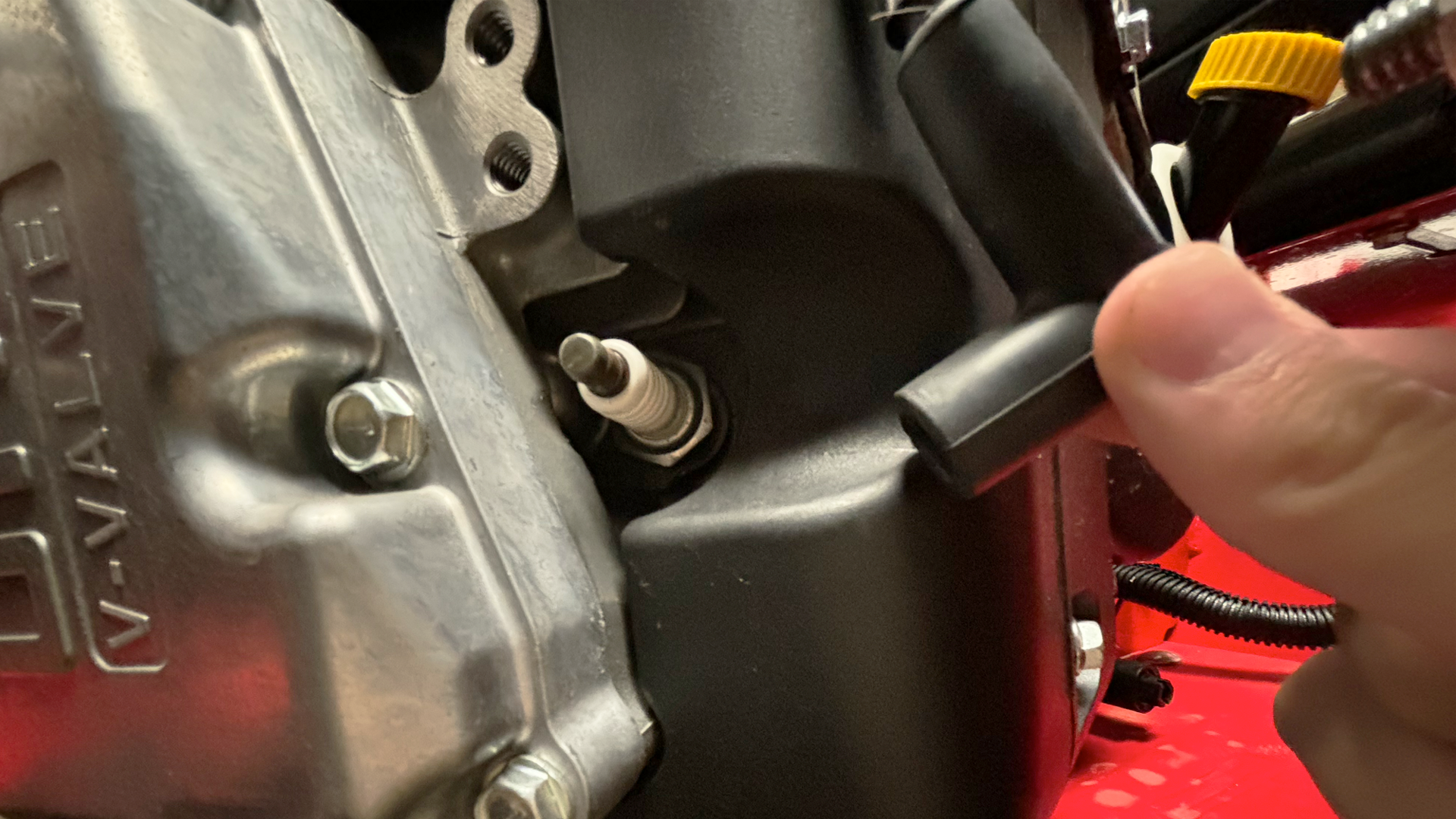
Image Source: blog.koenigequipment.com
The Role of the Spark Plug in Your Mower
Think of the spark plug as the ignition switch for your lawn mower’s engine. It’s a small, metal component with a ceramic insulator and a central electrode. When the engine is running, a high-voltage current travels from the ignition coil to the spark plug. This current jumps across a small gap between the electrodes, creating a spark. This spark ignites the compressed fuel and air mixture in the combustion chamber, powering the engine. Without a strong, consistent spark, the engine won’t start or will run poorly.
Typical Spark Plug Lifespan
The average spark plug life lawn mower engines can expect hovers around the 50 to 100 operating hour mark. However, this is a general guideline. Several factors can influence this number, affecting the overall lawn mower engine spark plug life.
- Engine Type: Different engine designs and sizes have varying demands on spark plugs.
- Fuel Quality: Poor-quality fuel can lead to deposits on the spark plug, reducing its effectiveness.
- Operating Conditions: Frequent short bursts of use, or running the mower in dusty or humid conditions, can shorten the plug’s life.
- Maintenance: Regular cleaning and proper gap settings can extend the spark plug longevity for lawn mowers.
Understanding these factors helps you better gauge when to consider a replacement, rather than relying solely on a set number of hours.
How Often Should You Replace a Mower Spark Plug?
To maintain optimal performance, it’s a good practice to check your spark plug annually, or at least every 50 operating hours. This proactive approach to spark plug maintenance lawn mower engines is key to preventing breakdowns and ensuring a smooth mowing experience.
The recommended mower spark plug replacement interval can often be found in your lawn mower’s owner’s manual. Manufacturers provide these guidelines based on their specific engine designs and tested performance.
Here’s a general timeline for replacement:
- Annual Check: Inspect the spark plug at the beginning of each mowing season.
- Every 50-100 Hours: This is the typical replacement window if no issues are apparent.
- If Symptoms Appear: Replace the plug immediately if you notice any performance issues.
This routine not only ensures your mower starts easily but also improves fuel efficiency and reduces harmful emissions.
Factors Affecting Spark Plug Longevity
Several elements can impact how long a spark plug remains effective in your lawn mower. Fathoming these factors will help you maximize the lawn mower spark plug lifespan.
Engine Design and Quality
- Engine Size and Power: Larger, more powerful engines often place greater stress on spark plugs.
- Engine Type: Two-stroke engines (less common in modern lawn mowers, but found in some trimmers and older mowers) tend to foul spark plugs more quickly due to oil mixing with fuel. Four-stroke engines generally have longer spark plug life.
- Manufacturing Quality: The quality of the spark plug itself plays a role. Higher-quality plugs with robust materials may offer extended spark plug longevity for lawn mowers.
Fuel and Oil
- Fuel Quality: Using fresh, high-quality gasoline is important. Old or contaminated fuel can leave deposits on the spark plug’s electrodes.
- Oil Usage (for 4-stroke engines): If your mower uses oil, ensuring the correct oil level and type is crucial. Excessive oil or incorrect oil can lead to fouling.
Operating Conditions
- Mowing Environment: Mowing in very dusty, dry, or wet conditions can introduce debris into the engine and affect the spark plug.
- Engine Load: Consistently running the mower at full throttle for extended periods can put more strain on the spark plug compared to lighter use.
- Storage: Improper storage of the mower, especially with fuel left in the tank, can lead to fuel degradation, which can affect the spark plug.
Maintenance Practices
- Regular Cleaning: Keeping the spark plug clean and free of carbon deposits can help it function better for longer.
- Correct Gap: Ensuring the spark plug gap is set to the manufacturer’s specification is vital. An incorrect gap can lead to misfires and reduced performance.
- Proper Installation: Tightening the spark plug correctly prevents damage to the engine head and ensures a good connection.
By paying attention to these elements, you can influence the lawn mower engine spark plug life and avoid premature failure.
Signs of a Worn Lawn Mower Spark Plug
Diagnosing a faulty spark plug is often straightforward, as the symptoms are usually clear. Recognizing these signs is key to timely spark plug maintenance lawn mower performance.
Difficulty Starting
One of the most common indicators of a worn spark plug is a mower that struggles to start. You might crank the engine multiple times without it catching, or it may start but immediately die.
Rough Idling or Misfiring
If your mower runs unevenly, idles roughly, or you hear popping or sputtering sounds from the engine, a weak spark is likely the cause. The engine might feel like it’s skipping a beat.
Loss of Power
A mower with a fouled or worn spark plug will often exhibit a noticeable loss of power, especially when engaging the blade or going uphill. It won’t have the same “oomph” it once did.
Increased Fuel Consumption
When the spark plug isn’t igniting the fuel-air mixture efficiently, more fuel is wasted. This can lead to your mower consuming more gas than usual to do the same amount of work.
Visible Wear on the Spark Plug
Sometimes, determining lawn mower spark plug wear involves a visual inspection. You might see:
- Heavy Carbon Fouling: A thick, black, sooty deposit on the electrodes.
- Oil Fouling: Deposits that look wet and black, indicating oil is getting into the combustion chamber.
- Ash Deposits: Light brown or white deposits, often from fuel additives or oil burning.
- Electrode Erosion: The metal electrodes at the tip of the plug may appear worn down or rounded.
- Cracked Insulator: A physical crack in the white ceramic part of the plug will prevent it from firing.
These visual cues are direct indicators that it’s time for a mower spark plug replacement interval.
How to Replace a Lawn Mower Spark Plug
Changing a spark plug is a relatively simple DIY task that can save you money on service costs and prevent more significant engine problems. The changing lawn mower spark plug duration is typically very short.
Tools You’ll Need
- New Spark Plug: Ensure it’s the correct model for your mower. Refer to your owner’s manual or a parts lookup.
- Spark Plug Socket Wrench: This is a special socket with a rubber insert to grip the plug.
- Ratchet Wrench: To turn the socket wrench.
- Gap Gauge (Feeler Gauge): To check and adjust the spark plug gap.
- Clean Rag: For wiping the area around the spark plug.
- Anti-Seize Compound (Optional): A small amount applied to the threads can make future removal easier.
Step-by-Step Guide
- Safety First: Ensure the engine is cool and the mower is turned off. Disconnect the spark plug wire to prevent accidental starting.
- Locate the Spark Plug: It’s usually a small, cylindrical component with a wire connected to it, sticking out of the engine block.
- Clean the Area: Use a rag to wipe away any dirt or debris around the spark plug base. This prevents debris from falling into the engine when the plug is removed.
- Remove the Old Spark Plug:
- Place the spark plug socket over the plug.
- Attach the ratchet wrench and turn counter-clockwise.
- The plug should loosen and unscrew. If it’s very tight, don’t force it too hard, as you could strip the threads.
- Once loose, remove the plug by hand or with the socket.
- Inspect the Old Plug: Examine it for the signs of wear mentioned earlier. This can give you clues about engine health.
- Check the New Spark Plug:
- Most new spark plugs come pre-gapped, but it’s always best to check.
- Use your gap gauge to measure the distance between the center and side electrodes.
- Compare this to the recommended gap in your owner’s manual.
- If adjustment is needed, gently tap the side electrode on a hard surface to close the gap, or carefully bend it with the gap gauge to open it. Never pry against the center electrode.
- Install the New Spark Plug:
- Hand-tighten first: Screw the new spark plug in by hand until it’s snug. This helps prevent cross-threading.
- Apply anti-seize (optional): If using, apply a tiny bit to the threads of the new spark plug.
- Tighten with wrench: Use the socket wrench and ratchet. Tighten it until it’s snug, then give it about a quarter to half a turn more. Over-tightening can damage the engine head or the plug. Consult your manual for specific torque recommendations if available.
- Reconnect the Wire: Push the spark plug wire firmly back onto the new spark plug until it clicks into place.
- Test the Mower: Start the engine to ensure it runs smoothly.
This straightforward process can significantly impact your mower’s performance and is a key aspect of its spark plug maintenance lawn mower needs.
What is the Correct Gap for a Lawn Mower Spark Plug?
The correct gap for your lawn mower spark plug is critical for efficient ignition. This specification is set by the engine manufacturer to ensure the spark is strong enough to ignite the fuel-air mixture. You can find this information in your owner’s manual. For many common lawn mower engines, the gap is typically between 0.025 and 0.030 inches (0.64 to 0.76 mm). Always refer to your mower’s manual for the exact specification.
How to Determine Lawn Mower Spark Plug Wear
Determining lawn mower spark plug wear involves both visual inspection and observing the mower’s performance.
Visual Inspection Methods
- Electrode Condition: Look at the tips of the electrodes. If they are rounded, pitted, or appear significantly worn down, the plug is likely failing.
- Deposit Buildup: Check for heavy carbon, oil, or ash deposits. While some minor deposits are normal, excessive buildup insulates the electrodes and hinders the spark.
- Insulator Integrity: Inspect the ceramic insulator for any cracks or chips. A damaged insulator will cause the spark to ground out before reaching the gap.
- Color of Deposits: The color of deposits can sometimes indicate engine issues:
- Light tan/gray: Normal operating conditions.
- Black and sooty: Rich fuel mixture or weak spark.
- Oily black: Oil burning in the combustion chamber.
- White or gray ash: Engine overheating or fuel additives.
Performance Indicators
- Starting Issues: As mentioned, difficulty starting is a prime indicator.
- Misfiring: The engine sputtering or running unevenly, especially under load.
- Power Loss: The mower feeling weak or sluggish.
- Increased Fuel Consumption: Noticing you’re filling up the gas tank more often.
By combining these inspection techniques, you can accurately assess the condition of your spark plug and decide when it’s time for a replacement to maintain optimal lawn mower spark plug lifespan.
Spark Plug Longevity for Lawn Mowers: Best Practices
Maximizing spark plug longevity for lawn mowers isn’t just about replacement intervals; it’s about proper care and usage.
Regular Maintenance Schedule
- Annual Inspection: Make it a habit to check your spark plug every spring before the mowing season begins.
- Cleanliness is Key: If the plug appears dirty but not excessively worn, you can try cleaning it. Use a wire brush to gently remove deposits from the electrodes. Be careful not to damage the electrodes or the insulator.
- Correct Gapping: Always verify the spark plug gap is correct for your engine.
Using the Right Spark Plug
- Consult Your Manual: Always use the spark plug type recommended by your lawn mower’s manufacturer. Using an incorrect plug can lead to poor performance and potential engine damage.
- Quality Matters: Opt for reputable brands. While slightly more expensive, quality spark plugs generally offer better durability and performance, contributing to a longer lawn mower engine spark plug life.
Proper Mowing Habits
- Avoid Flooding the Engine: Don’t over-prime the carburetor.
- Allow Engine to Cool: Let the engine cool down before refueling to avoid potential fuel vapor lock.
- Clean Air Filter: A clogged air filter can force the engine to run rich, leading to fouled spark plugs. Keep your air filter clean.
Adhering to these best practices will help ensure your spark plugs last their intended lawn mower spark plug lifespan and your mower operates efficiently.
When to Consider Upgrading Your Spark Plug
While most lawn mowers use standard copper-core spark plugs, there are performance-oriented options available that might offer extended life or improved ignition.
- Platinum or Iridium Plugs: These materials are harder and more resistant to erosion than copper. While they come at a higher initial cost, they can provide a more consistent spark and potentially last longer, influencing the mower spark plug replacement interval. For example, platinum plugs might offer twice the lifespan of standard copper plugs.
However, for typical lawn mower use, a good quality copper plug is usually sufficient and cost-effective. Always confirm compatibility with your engine before upgrading.
Frequently Asked Questions (FAQ)
Q1: Can I use a spark plug from a different mower model?
A1: It’s best to use the specific spark plug recommended for your lawn mower model. Using the wrong plug can affect performance and potentially damage your engine. Check your owner’s manual for the correct part number.
Q2: How do I know if my spark plug needs replacing?
A2: Signs include difficulty starting, rough engine running, loss of power, increased fuel consumption, and visible wear or deposits on the spark plug itself.
Q3: Is it okay to clean my lawn mower spark plug instead of replacing it?
A3: You can clean a moderately fouled spark plug by gently brushing away deposits. However, if the electrodes are significantly worn, pitted, or the insulator is cracked, replacement is necessary for optimal performance.
Q4: How much does it cost to replace a lawn mower spark plug?
A4: The spark plug itself typically costs between $3 and $10. If you have a shop do it, labor costs might add another $20-$50, but it’s a simple DIY task that can save you money.
Q5: What happens if I don’t replace a worn-out spark plug?
A5: A worn spark plug can lead to poor engine performance, reduced fuel efficiency, harder starting, and in some cases, can cause damage to other engine components over time due to inefficient combustion. It can also result in the mower failing to start altogether.
By following these guidelines, you can ensure your lawn mower’s spark plug performs reliably, contributing to a well-maintained and efficient machine.