
Thinking about getting a new lawn? You’re probably wondering, “How much does it cost to put in a lawn?” The price can range from a few hundred dollars for simple seeding to several thousand dollars for sod or elaborate landscaping, depending on the size of your yard, the method you choose, and where you live. This guide breaks down the various costs involved so you can create an accurate new lawn installation estimate.
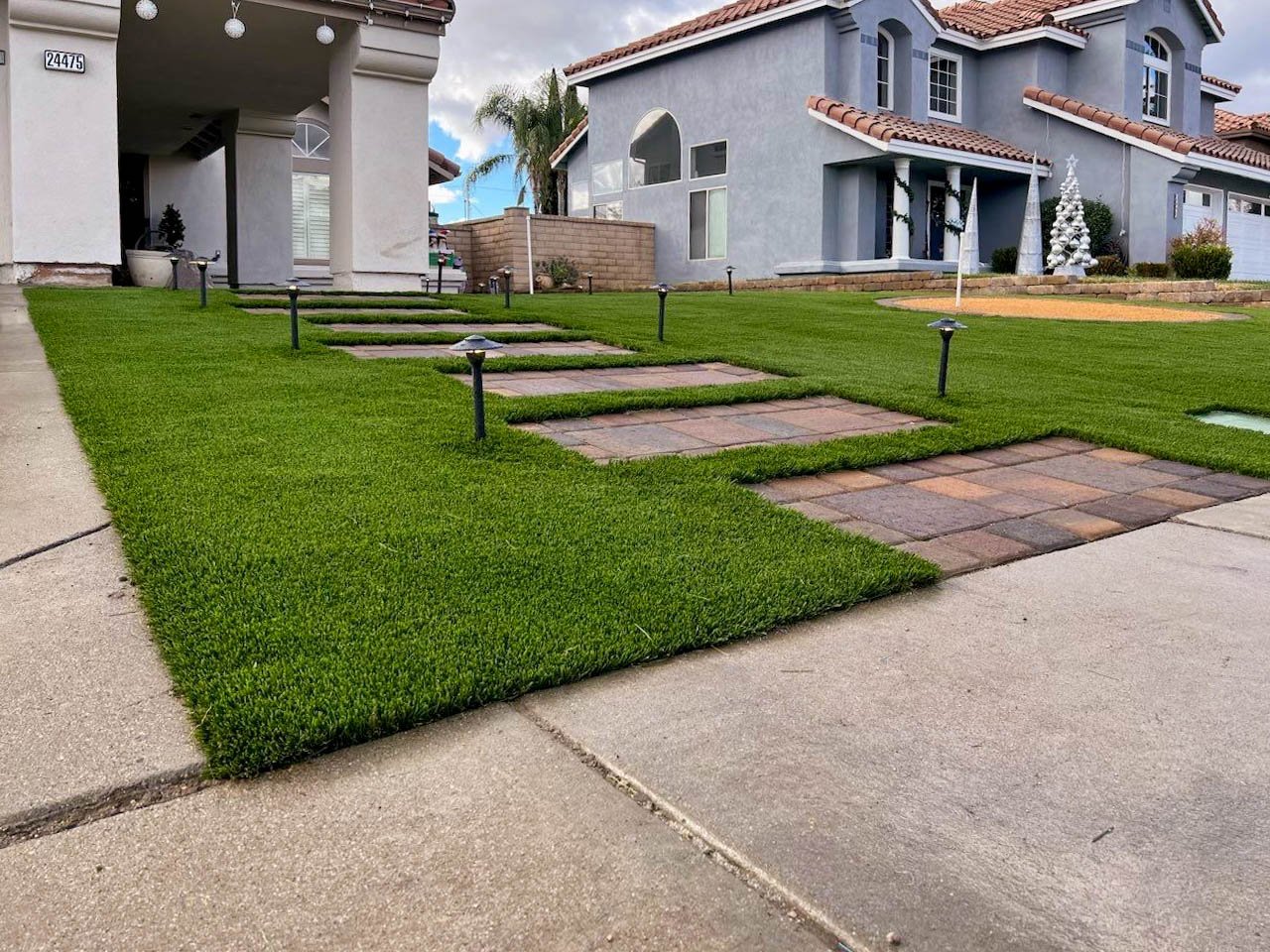
Image Source: blog.biltrightturf.com
Factors Influencing Your Lawn Installation Cost
Several key elements will affect the final price of your new lawn. These include:
- Lawn Size: The bigger your yard, the more materials and labor you’ll need. This is the most significant factor in any new lawn installation estimate.
- Method of Installation: Will you seed, use sod, or opt for hydroseeding? Each has a different price point.
- Site Preparation: Is your current yard a blank slate, or does it need extensive work like debris removal, grading, or soil amendment?
- Type of Grass: Some grass varieties are more expensive than others.
- Location: Labor costs and material prices vary by region.
- DIY vs. Professional Installation: Hiring professionals will increase the overall cost but save you time and effort.
Methods for Lawn Installation and Their Costs
Let’s explore the common ways to get a new lawn and their associated costs.
Seeding Lawn Cost
Seeding a lawn is often the most budget-friendly option upfront. It involves spreading grass seeds over the prepared soil.
What’s involved:
- Soil Preparation: This is crucial for successful seeding. It includes removing existing vegetation, tilling the soil, and adding compost or other soil amendments to improve fertility and drainage.
- Seed Selection: Choose a grass seed mix suitable for your climate, sunlight conditions, and desired look.
- Seeding: Seeds are spread evenly using a spreader.
- Watering: Frequent watering is essential for germination and establishment.
Average Grass Installation Cost (Seeding):
| Item | Average Cost (per 1,000 sq ft) | Notes |
|---|---|---|
| Soil Preparation | $100 – $500 | Includes tilling, aeration, adding compost. |
| Grass Seed | $30 – $100 | Varies by seed type and quality. |
| Fertilizer | $20 – $50 | Starter fertilizer to help seedlings grow. |
| Spreading | $50 – $150 | If hiring a professional for application. |
| Total (DIY) | $200 – $300 | For materials only, assuming minimal prep. |
| Total (Pro) | $300 – $1,000+ | Includes labor for preparation and seeding. |
Pros of Seeding:
- Lower upfront cost.
- Wider variety of grass types available.
- The root system develops deeply, creating a stronger, more resilient lawn over time.
Cons of Seeding:
- Takes longer to establish (can be weeks or months before it looks like a mature lawn).
- More susceptible to weeds and pests during the initial growth phase.
- Requires consistent watering and care to establish properly.
Sod Installation Prices
Sod installation prices involve laying down pre-grown sections of grass, providing an instant lawn.
What’s involved:
- Site Preparation: Similar to seeding, but might require a slightly smoother finish for the sod to lay evenly.
- Sod Purchase: You buy rolls or slabs of turf from a nursery or supplier.
- Delivery: Sod is heavy and needs to be transported.
- Installation: Laying the sod pieces tightly together, ensuring good contact with the soil.
- Watering: Immediate and consistent watering is vital to help the sod root into the soil.
Average Sod Installation Prices:
| Item | Average Cost (per sq ft) | Average Cost (per 1,000 sq ft) | Notes |
|---|---|---|---|
| Sod | $0.40 – $1.00 | $400 – $1,000 | Price varies by grass type (e.g., fescue, Bermuda, zoysia) and supplier. |
| Soil Preparation | $0.20 – $0.50 | $200 – $500 | Includes tilling, grading, and adding amendments. |
| Delivery | $0.10 – $0.25 | $100 – $250 | Cost depends on distance and quantity. |
| Installation Labor | $0.50 – $1.50 | $500 – $1,500 | Professional installation cost. DIY installation saves this but requires significant physical effort. |
| Starter Fertilizer | $0.05 – $0.10 | $50 – $100 | Helps the sod’s roots take hold. |
| Total (DIY) | $0.75 – $1.85 | $750 – $1,850 | For materials and delivery only. |
| Total (Pro) | $1.25 – $3.35 | $1,250 – $3,350 | Includes all materials, delivery, and professional installation. For larger areas or challenging sites, this can go higher. |
Pros of Sod:
- Instant, mature lawn appearance.
- Reduces soil erosion immediately.
- Less susceptible to weeds and pests initially compared to seeded lawns.
Cons of Sod:
- Higher upfront cost.
- Requires careful handling and immediate installation upon delivery.
- Limited variety of grass types readily available.
- The sod can sometimes dry out and die if not watered properly and quickly.
Hydroseeding Prices
Hydroseeding prices involve spraying a slurry of seed, fertilizer, mulch, and water onto the soil. It offers a middle ground in terms of cost and establishment speed.
What’s involved:
- Site Preparation: Similar to seeding, the area needs to be cleared and prepped.
- Hydroseeding Application: A specialized machine sprays a mixture (often called hydromulch) containing grass seed, fertilizer, tackifiers (to help the seed stick), and wood fiber mulch.
- Watering: Consistent moisture is needed for germination.
Average Hydroseeding Prices:
| Item | Average Cost (per 1,000 sq ft) | Notes |
|---|---|---|
| Site Preparation | $100 – $400 | Basic clearing and tilling. |
| Hydroseeding Mixture | $100 – $300 | Seed, fertilizer, mulch, tackifiers. Price varies by seed type. |
| Hydroseeding Service | $200 – $500 | Cost of the professional application. |
| Total (Pro) | $400 – $1,200 | This is typically a professional service. DIY is rarely practical. |
Pros of Hydroseeding:
- Faster germination and establishment than traditional seeding.
- The mulch helps retain moisture and protect seeds.
- Can be applied on slopes and difficult terrain.
- Generally less expensive than sod.
Cons of Hydroseeding:
- Still requires time to establish a mature lawn, though quicker than direct seeding.
- Appearance can be uneven if not applied expertly.
- Limited DIY options.
Artificial Turf Cost
While not a “natural” lawn, artificial turf cost is a popular alternative for those seeking a low-maintenance, always-green yard.
What’s involved:
- Site Preparation: This is critical for artificial turf. It involves removing existing grass, grading, and installing a compacted base layer of gravel and sand.
- Weed Barrier: A layer to prevent weeds from growing through.
- Turf Installation: Laying the artificial turf rolls and seaming them together.
- Infill: Sprinkling and brushing infill (like sand or specialized granules) into the turf to help it stand up and provide cushioning.
Average Artificial Turf Cost:
| Item | Average Cost (per sq ft) | Average Cost (per 1,000 sq ft) | Notes |
|---|---|---|---|
| Artificial Turf Material | $3.00 – $10.00+ | $3,000 – $10,000+ | Varies significantly by quality, pile height, density, and brand. Cheaper options might be less durable or realistic. |
| Base Materials (Gravel, Sand) | $0.50 – $2.00 | $500 – $2,000 | For proper drainage and stabilization. |
| Weed Barrier | $0.10 – $0.30 | $100 – $300 | Essential for longevity. |
| Infill (Sand, Rubber, etc.) | $0.20 – $1.00 | $200 – $1,000 | Depends on the type of infill used. |
| Installation Labor | $2.00 – $5.00 | $2,000 – $5,000 | Professional installation is highly recommended for a proper finish. |
| Total (DIY) | $3.80 – $13.30 | $3,800 – $13,300 | For materials and basic prep. Installation requires significant effort and tools. |
| Total (Pro) | $6.00 – $20.00+ | $6,000 – $20,000+ | Includes all materials, proper site prep, and professional installation. The higher end reflects premium turf and complex installations. |
Pros of Artificial Turf:
- No watering, mowing, or fertilizing needed.
- Durable and can withstand heavy foot traffic.
- Always looks green and manicured.
- Good for areas with poor sunlight or water restrictions.
Cons of Artificial Turf:
- Very high upfront cost.
- Can get hot in direct sunlight.
- Does not support pollinators or provide the same ecological benefits as natural grass.
- Requires periodic cleaning and infill replenishment.
Additional Costs to Consider
Beyond the core installation method, other factors can add to your overall lawn cost.
Landscaping Lawn Cost
Integrating your new lawn into a broader landscaping lawn cost can significantly increase the budget. This might include:
- Planting Trees and Shrubs: Adds aesthetic appeal and shade.
- Flower Beds: Seasonal color and visual interest.
- Edging and Borders: Defines lawn areas and garden beds.
- Mulching: Improves soil health and appearance.
- Irrigation Systems: For efficient watering.
- Hardscaping: Patios, walkways, retaining walls.
These elements can add anywhere from $500 to $10,000+ depending on the scope.
Lawn Renovation Cost
If you’re not starting from scratch but looking to improve an existing lawn, you’ll be looking at lawn renovation cost. This might involve:
- Aeration: $75 – $250 per application.
- Dethatching: $100 – $300 per application.
- Overseeding: Similar costs to initial seeding if done by a pro.
- Weed and Pest Control: Ongoing costs, but initial treatments might be needed.
- Top Dressing: Adding a layer of compost or soil to improve the surface.
A comprehensive lawn renovation can cost $500 to $2,500 or more, depending on the extent of the work needed.
Backyard Lawn Cost
The specific needs of your backyard lawn cost can also influence pricing. For example:
- Sloped Yards: May require extra grading or stabilization, increasing labor and material costs.
- Difficult Access: If the area is hard to reach with equipment, labor costs can rise.
- Existing Obstacles: Removing old patios, tree stumps, or rocks will add to the prep work.
Lawn Care Service Cost
Once your new lawn is in, you’ll want to maintain its health and appearance. The lawn care service cost can include:
- Mowing: $30 – $75 per visit.
- Fertilizing: $50 – $100 per application.
- Weed Control: $40 – $80 per application.
- Pest Control: $50 – $100 per application.
- Seasonal Cleanups: $100 – $300 per event.
A comprehensive monthly lawn care package can range from $100 to $300+ depending on the services included and the size of your lawn.
Getting a New Lawn Installation Estimate
To get an accurate new lawn installation estimate, you’ll need to consider all these factors. It’s always best to get quotes from multiple reputable landscaping or lawn installation companies in your area. When getting quotes, ensure they clearly outline:
- Scope of work: What exactly is included in the price?
- Materials: What type of seed, sod, or turf will be used?
- Labor: How many hours of work are estimated?
- Timeline: How long will the project take?
- Warranty: What warranty is offered on the materials and labor?
Key Steps for an Accurate Estimate:
- Measure Your Lawn Area: Know the exact square footage you need to cover.
- Assess Your Site: Note any existing conditions like poor drainage, slopes, or obstacles.
- Decide on Your Method: Seeding, sod, hydroseeding, or artificial turf?
- Identify Your Grass Type (if applicable): Research types suitable for your climate.
- Get Multiple Quotes: Contact at least three different companies.
- Ask Detailed Questions: Don’t be afraid to ask for clarification on anything in the quote.
DIY vs. Professional Installation
Doing It Yourself (DIY)
Pros:
- Significant cost savings on labor.
- Personal satisfaction of completing the project.
- Control over every step of the process.
Cons:
- Requires significant time, physical effort, and specialized tools.
- Risk of errors that can lead to costly mistakes or poor results.
- May not achieve the same professional finish.
Hiring Professionals
Pros:
- Expertise and experience ensure quality results.
- Saves you time and physical labor.
- Access to professional-grade equipment and materials.
- Often comes with warranties.
Cons:
- Higher overall cost due to labor charges.
- Less control over the day-to-day process.
Frequently Asked Questions (FAQ)
Q1: What is the cheapest way to install a new lawn?
The cheapest way is typically by seeding lawn cost. While it requires more patience for establishment, the initial material and labor costs are significantly lower than sod or artificial turf.
Q2: Is sod or seeding better?
It depends on your priorities. Sod installation prices offer instant results and fewer initial weed problems, but at a higher cost. Seeding lawn cost is more affordable upfront but takes longer to establish and requires more diligent care in the early stages.
Q3: How long does it take for a seeded lawn to look good?
A properly seeded lawn can start to germinate in 7-21 days, but it typically takes 6-12 months before it’s established enough for regular use and has a mature, full appearance.
Q4: Can I install sod myself?
Yes, you can install sod yourself, but it’s physically demanding work. You’ll need to prepare the ground, transport the heavy sod rolls, lay them precisely, and water them immediately and consistently.
Q5: Is artificial turf worth the cost?
Artificial turf cost is a significant investment. It’s worth it if you value extremely low maintenance, a consistently perfect appearance, or live in an area with water restrictions. For many, the high upfront cost and environmental impact make natural grass a better choice.
Q6: What is hydroseeding?
Hydroseeding is a process where grass seed, fertilizer, mulch, and water are mixed into a slurry and sprayed onto the soil. It promotes faster germination and helps retain moisture, offering a good balance between seeding and sod.
Q7: How much does lawn renovation cost compared to a new installation?
Lawn renovation cost is typically less than a full new lawn installation, especially if you are improving an existing lawn rather than starting from bare earth. However, severe renovations requiring extensive soil work or re-grading can approach new installation costs.
Q8: What factors affect the backyard lawn cost the most?
The size of your backyard and the complexity of the terrain (slopes, existing structures, soil quality) are the biggest factors influencing your backyard lawn cost.
Q9: How can I get a reliable new lawn installation estimate?
Get detailed quotes from at least three reputable local companies. Ensure the estimates specify all costs, materials, and labor, and ask about warranties.
Q10: What if I only need part of my lawn replaced?
If you only need to replace a section of your lawn, you can often purchase sod by the piece or square foot, or focus your seeding or hydroseeding efforts on the affected area. This will significantly reduce your overall grass installation cost.
Creating a beautiful, healthy lawn is a rewarding investment. By carefully considering these costs and methods, you can make an informed decision and achieve the lawn of your dreams.