
Image Source: atlasturf.com.au
How Soon After It Rains Can I Mow The Lawn?
You can generally mow your lawn about 24 to 48 hours after it rains, provided the soil is no longer saturated and the grass blades are dry. Mowing too soon after a rain can lead to several problems, including poor cut quality, soil compaction, damage to your mower, and an increased risk of spreading lawn diseases.
Dealing with a wet lawn can be a common dilemma for homeowners. The urge to maintain a neat appearance often clashes with the practicalities of lawn care after precipitation. So, how soon after it rains can you safely and effectively mow the lawn? This guide will delve into the nuances of mowing after rain, covering the ideal conditions, potential risks of damp grass mowing, and best practices for post-rain mowing.
Why Waiting is Often Best for Wet Lawn Cutting
It might seem counterintuitive, but waiting for your lawn to dry is crucial for several reasons. Pushing your mower through a damp turf mowing scenario can result in a less-than-perfect finish and potentially harm your grass and equipment.
The Impact of Mowing While the Lawn is Wet
Mowing a wet lawn can have several negative consequences:
- Uneven Cut Quality: Wet grass blades tend to clump together. When you try to cut them, they don’t slice cleanly. Instead, they often get torn or bent. This leads to a ragged, uneven appearance across your lawn. You might notice the tips of the grass blades looking bruised or frayed, which can also make them more susceptible to disease.
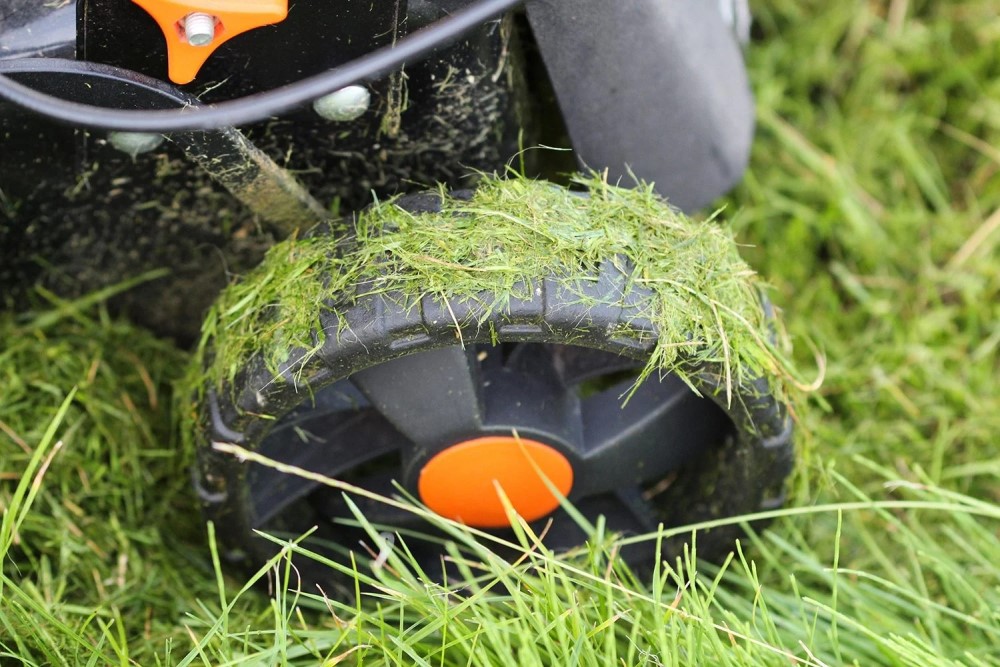
- Clogging the Mower: Wet grass clippings are heavy and sticky. They are far more likely to accumulate and clog your mower’s deck and discharge chute. This can force your mower to work harder, reduce its cutting efficiency, and even lead to overheating or stalling. Clearing out clogged wet grass can be a messy and frustrating task.
- Soil Compaction: When the soil is saturated with water, it becomes soft and pliable. Driving a mower over wet soil can cause significant soil compaction mowing. The weight of the mower, especially on soft ground, presses down on the soil, squeezing out air pockets. This makes it harder for grass roots to absorb water and nutrients, weakening the lawn over time. Compacted soil also hinders proper drainage and can lead to increased runoff.
- Disease Spread: Many common lawn diseases thrive in moist conditions. If your lawn already has a fungal issue, mowing with wet grass can pick up fungal spores on your mower blades and deck. You then risk spreading these spores to other parts of your lawn as you mow, exacerbating the problem.
- Reduced Mower Performance: A mower struggling to cut wet, heavy grass will inevitably perform poorly. You might find yourself making multiple passes over the same area, which is inefficient and still unlikely to yield a clean cut. This extra strain can also shorten the lifespan of your mower’s engine and blades.
- Poor Mulching: If you use a mulching mower, wet grass clippings are unlikely to break down effectively. They tend to form clumps that sit on the surface of the lawn, blocking sunlight and air from reaching the soil, and potentially leading to rot or disease.
Identifying the Ideal Conditions for Post-Rain Mowing
So, what are the signs that indicate your lawn is ready for mowing after a rainfall? The key is to assess both the grass blades and the soil moisture.
Assessing Grass Blade Dryness
The most obvious indicator is the dryness of the grass blades themselves.
- Visual Check: Look closely at the grass. Are the blades standing upright, or are they lying flat and matted down? If they are still clinging together or feel damp to the touch, they are too wet.
- The Squeeze Test: Take a small clump of grass in your hand and gently squeeze it. If water drips from the blades or the clump feels heavy and saturated, it’s best to wait longer. Dry grass blades should feel firm and separate easily.
Gauging Soil Moisture
Even if the grass blades appear dry, the underlying soil can still be saturated. This is where soil compaction mowing becomes a significant concern.
- The Footprint Test: Walk across your lawn. If your footprints remain deeply impressed in the grass and soil, it means the ground is too soft and wet. The soil is not firm enough to support the weight of a mower without compacting.
- The Screwdriver Test: For a more precise assessment, try pushing a screwdriver or a thin rod into the soil. If it goes in easily with little resistance, the soil is likely still too wet. If you encounter firm resistance or it’s difficult to push in, the soil has probably dried out sufficiently.
The “Best Time to Mow After Rain” Timeline
While there’s no single magic number of hours that applies to every situation, a general guideline is to wait at least 24 to 48 hours after the rain has stopped. However, several factors influence this timeline.
Factors Influencing Drying Time
- Intensity and Duration of Rainfall: A brief, light shower will dry out much faster than a prolonged, heavy downpour.
- Temperature: Warmer temperatures speed up evaporation, helping the lawn dry more quickly.
- Sunlight: Sunny conditions are essential for drying. A cloudy day following rain will keep the lawn wetter for longer.
- Wind: A breezy day will also accelerate the drying process.
- Grass Type: Some grass varieties hold onto moisture more than others. Denser, finer-bladed grasses might take longer to dry than coarser, open-textured grasses.
- Soil Type: Soils with good drainage will dry out faster than heavy clay soils, which tend to retain water.
Common Scenarios and Waiting Periods
- Light Shower, Sunny and Warm: You might be able to mow after 12-24 hours.
- Moderate Rain, Partly Cloudy: Plan to wait 24-36 hours.
- Heavy Downpour or Prolonged Rain: It could take 48 hours or more.
Always err on the side of caution. It’s better to wait an extra day than to damage your lawn or mower.
Navigating Damp Grass Mowing Safely
If you absolutely must mow and the grass is only slightly damp, there are ways to minimize potential damage, although it’s still not ideal. This is often referred to as safe mowing wet grass.
Minimizing Risks When Grass is Slightly Damp
- Raise Your Mower Deck: Set your mower to a higher cutting height. This reduces the amount of grass the blades have to cut through in one go, making it easier on the mower and the grass. It also means you’re cutting less of the potentially wetter lower blades.
- Sharpen Your Blades: Ensure your mower blades are sharp. Dull blades tear grass, which is already a problem with wet grass. Sharp blades provide a cleaner cut, reducing stress on the grass.
- Mow Slowly: Take your time. Moving the mower slowly allows the blades more time to cut the grass effectively rather than just pushing it over.
- Don’t Overlap Excessively: Try not to overlap your passes too much. This avoids trying to cut grass that is already packed down and wet from previous passes.
- Consider Side Discharge: If your mower allows, using the side discharge setting instead of mulching can help prevent clumps of wet grass from building up under the deck. Bagging the clippings might also be an option if you can handle the wet, heavy clippings, as it keeps them from smothering the lawn.
- Clean Your Mower Immediately: If you do mow damp grass, clean your mower deck thoroughly afterward. Wet grass and debris can cause rust and corrosion if left to sit.
Avoiding Mower Damage and Ensuring Longevity
The care you give your mower, especially in less-than-ideal conditions, is vital for its longevity.
Best Practices for Mower Maintenance and Use
- Regular Blade Sharpening: This is non-negotiable for lawn health mowing. Sharp blades cut cleanly, reducing stress on both the grass and the mower engine. Dull blades force the engine to work harder.
- Keep the Underside of the Deck Clean: Regularly remove grass clippings, dirt, and moisture from the mower deck. This prevents rust and corrosion, and ensures better airflow for efficient cutting.
- Check Oil Levels: Ensure your mower’s oil is at the correct level. A mower working harder on wet grass will benefit from proper lubrication.
- Inspect Belts and Pulleys: Wet conditions can sometimes affect belts. Check for any signs of wear or damage.
- Don’t Force the Mower: If you notice the mower struggling, stop. Pushing it too hard can lead to engine damage or belt slippage.
The Link Between Lawn Health Mowing and Post-Rain Mowing
The health of your lawn is directly influenced by how and when you mow. Proper lawn health mowing techniques, including appropriate timing after rain, contribute to a robust and resilient turf.
Cultivating a Healthy Lawn Through Smart Mowing
- Correct Mowing Height: Always adhere to the recommended mowing height for your grass type. Cutting too short (scalping) stresses the grass and makes it more vulnerable to disease and drought.
- The One-Third Rule: Never remove more than one-third of the grass blade’s height in a single mowing. This is especially important when dealing with overgrown grass after rain. You may need to mow more frequently or at a higher setting until the lawn returns to its ideal height.
- Vary Mowing Patterns: Alternating your mowing direction each time helps prevent the grass blades from becoming permanently bent in one direction and reduces soil compaction in specific areas.
- Aeration and Dethatching: If your soil is prone to compaction, consider occasional aeration. Dethatching also improves air and water penetration to the soil, which can help it dry out faster.
Frequently Asked Questions About Mowing After Rain
Here are some common questions people have about mowing after rain:
Q1: Can I mow my lawn if it’s just a little damp?
It’s generally not recommended. While you might get away with it on occasion, mowing damp grass can lead to uneven cutting, mower clogs, and disease spread. If you must, follow the safe mowing wet grass tips provided above, such as raising the deck and sharpening blades.
Q2: How long should I wait after a heavy rain?
After a heavy rain, it’s best to wait at least 48 hours, or until both the grass blades and the soil are dry to the touch. Check the soil for compaction using the footprint or screwdriver test.
Q3: What happens if I mow my lawn while it’s still wet?
You risk tearing the grass blades, clogging your mower, spreading diseases, compacting the soil, and getting a very uneven cut.
Q4: Is it bad for my mower to cut wet grass?
Yes, it puts extra strain on the engine, can clog the deck, and can lead to corrosion if not cleaned properly afterward. It can contribute to avoiding mower damage by not doing it.
Q5: What is the best time to mow after rain?
The best time is when the grass blades are completely dry and the soil is firm enough that your footprints don’t leave deep impressions. This is usually 24-48 hours after the rain stops, depending on weather conditions.
Q6: Can I use a mulching mower on damp grass?
It’s not ideal. Damp grass clippings clump together and don’t break down well when mulched, potentially smothering the grass underneath. Side-discharging or bagging is generally better if you encounter damp conditions.
Q7: My lawn dried out quickly, can I mow it now?
Always check both the grass blades and the soil. Even if the blades seem dry, the soil might still be saturated, leading to soil compaction mowing.
Q8: Will mowing a wet lawn damage my grass?
Yes, it can. The grass blades can be torn rather than cut cleanly, making them more susceptible to disease and giving your lawn a ragged appearance. This affects overall lawn health mowing.
By observing these guidelines and understanding the factors involved, you can ensure your lawn care practices contribute to a healthy, beautiful, and resilient lawn, while also preserving the life of your valuable lawn equipment. Remember, patience is often the best tool in your lawn care arsenal, especially when dealing with the aftermath of rain.