
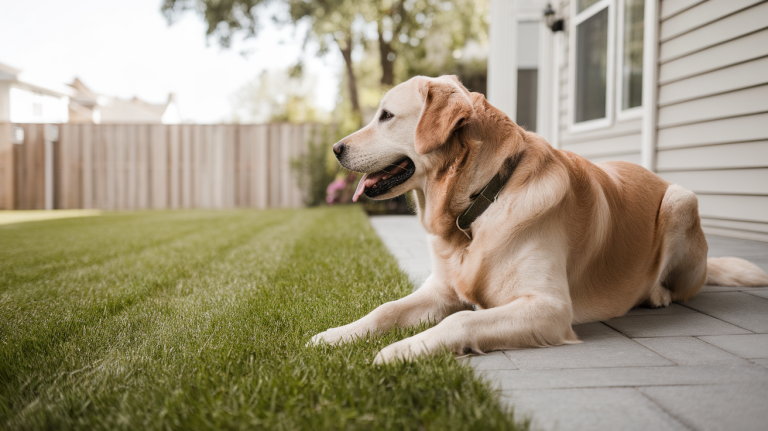
Image Source: randylemmon.com
Safe Lawn Care: How Long To Keep Dogs Off Lawn After Fertilizing?
Can I let my dog on the lawn immediately after fertilizing? Generally, no. The waiting period for dogs on lawns after fertilizing varies depending on the type of fertilizer used, but it’s crucial to allow sufficient time for it to absorb into the soil to minimize potential risks.
Protecting Pets from Lawn Chemicals: A Guide for Dog Owners
Having a lush, green lawn is a dream for many homeowners, but for those with furry companions, it comes with an important consideration: fertilizer safety for dogs. It’s easy to overlook the potential dangers lurking in our backyards when we’re focused on achieving that perfect turf. This guide aims to shed light on lawn care for households with pets, providing clear answers and actionable advice to ensure your canine friends can safely enjoy their outdoor space. We’ll delve into the specifics of when dogs can go on fertilized grass and explore dog-friendly lawn care practices that prioritize pet well-being.
Why the Waiting Period is Crucial
Fertilizers, while beneficial for plant growth, often contain chemicals that can be harmful to pets if ingested or absorbed through their skin. Dogs, with their tendency to sniff, lick, and even eat grass, are particularly susceptible.
Understanding Fertilizer Components and Pet Health
- Nitrogen: Essential for green growth, but in high concentrations, can cause gastrointestinal upset if ingested.
- Phosphorus: Aids in root development. Ingesting large amounts can lead to vomiting and diarrhea.
- Potassium: Important for overall plant health. Overconsumption can cause issues like low blood pressure.
- Trace Minerals (Iron, Manganese, etc.): While needed in small amounts, concentrated forms can be toxic. Iron, in particular, can cause significant gastrointestinal distress.
- Pesticides and Herbicides: Many fertilizers are combined with weed killers and insecticides. These are often the most concerning components for pet safety.
Potential Health Risks for Dogs
When dogs are exposed to freshly applied fertilizers, they can experience a range of symptoms, from mild to severe:
- Gastrointestinal Upset: Vomiting, diarrhea, and abdominal pain are common.
- Skin Irritation: Redness, itching, and rashes can occur if the fertilizer comes into contact with their skin.
- Lethargy: Some dogs may become unusually tired or sluggish.
- Drooling: Excessive salivation can be a sign of nausea or irritation.
- Neurological Issues: In rare but severe cases, especially with products containing certain insecticides, more serious neurological symptoms can arise.
Decoding Fertilizer Labels: What to Look For
Understanding fertilizer labels is the first step towards safe lawn care. Most bags will provide clear instructions on application rates and safety precautions.
Fertilizer Ingredients and Their Impact
- NPK Ratio: This represents the percentages of Nitrogen, Phosphorus, and Potassium. Higher numbers generally mean a more concentrated product.
- “Weed and Feed” Products: These are often the most problematic for pets as they combine fertilizers with herbicides.
- Slow-Release vs. Quick-Release: Slow-release fertilizers are designed to break down gradually, potentially reducing the immediate risk, but the waiting period still applies. Quick-release fertilizers act faster but also pose a more immediate risk.
- Warnings and Precautions: Always look for statements like “Keep pets and children off the treated area for X hours/days.”
Types of Fertilizers and Their Safety Profiles
| Fertilizer Type | Potential Risk to Dogs | Recommended Waiting Period (General) | Notes |
|---|---|---|---|
| Synthetic Chemical Fertilizers | Moderate to High. Can contain salts, heavy metals, and often combined with pesticides/herbicides. | 24-72 hours | Always check the label for specific instructions and warnings. |
| Organic Fertilizers | Low to Moderate. Generally derived from natural sources (manure, bone meal, etc.). Less likely to cause chemical burns. | 12-24 hours | Some organic fertilizers can still have an odor that attracts dogs, leading to ingestion. |
| “Weed and Feed” Products | High. Combination of fertilizer and herbicide. Herbicides are often toxic to pets. | 48-72 hours (or as per label) | Best to avoid these products altogether if you have pets. |
| Liquid Fertilizers | Moderate. Can be absorbed quickly by the soil, but spills can pose an immediate risk. | 24-48 hours | Ensure even application and no puddling on the surface. |
| Granular Fertilizers | Moderate. Pellets can be attractive to dogs and easily ingested. | 24-48 hours | Ensure granules are well-watered into the soil. |
The Crucial Waiting Period: How Long is Long Enough?
The question of how long to keep dogs off lawn after fertilizing is paramount. While manufacturer instructions are the ultimate guide, here are general recommendations based on fertilizer types:
General Waiting Period Guidelines
- Synthetic Fertilizers (Standard): Most manufacturers recommend keeping pets off the lawn for 24 to 72 hours. This allows the fertilizer granules to dissolve and be absorbed into the soil, reducing surface residue.
- “Weed and Feed” Products: Due to the presence of herbicides, a longer waiting period is often advised, typically 48 to 72 hours, or as explicitly stated on the product label.
- Organic Fertilizers: While generally safer, organic fertilizers can still attract dogs with their natural ingredients (like bone meal or dried blood). A waiting period of 12 to 24 hours is usually sufficient to allow them to be worked into the soil or washed in by rain.
- Liquid Fertilizers: These are often absorbed more quickly by the soil. A 24 to 48-hour waiting period is a good guideline, ensuring no wet residue remains on the grass blades.
Factors Influencing the Waiting Period
Several factors can influence how long you should wait:
- Fertilizer Type and Formulation: As detailed above, synthetic vs. organic, granular vs. liquid, and the presence of other chemicals all play a role.
- Weather Conditions: Rain can help wash fertilizers into the soil, potentially shortening the waiting period. However, extreme heat can sometimes make chemicals more volatile.
- Application Method: Whether the fertilizer was applied evenly or if there are clumps, and whether it was adequately watered in.
- Dog’s Behavior: A dog that tends to eat grass or lick surfaces may require a longer waiting period than one that mostly walks on the lawn.
Embracing Pet-Safe Lawn Treatments
Fortunately, you don’t have to choose between a beautiful lawn and a safe environment for your pets. Dog-friendly lawn care and pet-safe lawn treatments are readily available.
Organic Lawn Care for Dogs
The principles of organic lawn care for dogs focus on using natural products that are less likely to harm pets and the environment.
- Compost and Manure: Well-rotted compost and manure are excellent natural fertilizers. They improve soil health and provide nutrients.
- Natural Soil Amendments: Products like worm castings, bone meal, and fish emulsion offer nutrients without synthetic chemicals.
- Beneficial Microbes: These can improve soil health and nutrient availability, reducing the need for harsh fertilizers.
- Natural Pest and Weed Control: Employing methods like hand-pulling weeds, attracting beneficial insects, or using natural sprays can avoid harmful chemicals.
Choosing Pet-Friendly Fertilizers
When selecting a fertilizer, actively look for products specifically marketed as “pet-friendly” or “organic.” These often contain:
- Lower concentrations of chemicals.
- Natural, slow-release nutrients.
- No added herbicides or insecticides.
Alternative Fertilizing Strategies
- Spot Fertilization: Instead of fertilizing the entire lawn, target only areas that truly need it.
- Fertilize During Off-Peak Hours: Apply fertilizer when your dog is less likely to be outdoors, such as early morning or late evening, and ensure it’s well-watered in before they go out.
- Cover Driveways and Sidewalks: If you use a spreader, make sure to brush off any granules that land on hard surfaces, as these can be tracked into the house or washed into storm drains.
Best Practices for Post-Fertilization Pet Safety
Implementing a few simple practices can significantly enhance post-fertilization pet safety.
Ensuring Thorough Watering
- Water In Promptly: After applying any type of fertilizer, especially granular, watering the lawn thoroughly is crucial. This helps dissolve the granules and move them into the soil, reducing surface contact.
- Follow Product Instructions: Many fertilizers require watering after application for activation and absorption.
Visual Inspection and Prevention
- Check for Residue: Before allowing your dog back onto the lawn, visually inspect it for any remaining granules or wet spots.
- Leash Walks: For the initial period after fertilizing, consider keeping your dog on a leash and guiding them to areas you are confident are safe, or take them for walks in other locations.
- Paw Washing: If you do let your dog onto a recently fertilized lawn (after the recommended waiting period), consider washing their paws when you come inside to remove any residual soil or fertilizer particles.
Educating Your Household
Ensure everyone in the household is aware of the fertilization schedule and the importance of keeping pets off the lawn. This prevents accidental re-entry before the safe waiting period has passed.
Dealing with Accidental Exposure
Despite best efforts, accidental exposure can happen. Knowing what to do is vital for prompt action.
Recognizing Symptoms of Poisoning
If you suspect your dog has ingested fertilizer, watch for the symptoms mentioned earlier:
- Vomiting
- Diarrhea
- Excessive drooling
- Lethargy
- Restlessness or hyperactivity
- Muscle tremors
- Difficulty breathing
Immediate Steps to Take
- Remove Pet from Area: Immediately bring your dog inside or to a different, safe area.
- Rinse Affected Areas: If the fertilizer was on their fur or paws, rinse them with clean water.
- Contact Your Veterinarian or Pet Poison Helpline: This is the most critical step. Provide them with information about the type of fertilizer, the amount ingested (if known), and your dog’s symptoms. They can advise you on whether inducing vomiting is appropriate (never do this without professional guidance) or if immediate veterinary attention is needed.
- Bring the Fertilizer Bag: If possible, bring the fertilizer bag or a photo of it to the vet. This helps them identify the exact ingredients and formulate the best treatment.
The Benefits of a Proactive Approach to Pet-Safe Lawn Care
Adopting dog-friendly lawn care practices isn’t just about avoiding problems; it’s about fostering a healthier environment for your entire family.
Environmental Considerations
- Reduced Chemical Runoff: Organic and natural fertilizers are less likely to pollute waterways when rain washes them off the lawn.
- Healthier Soil Ecosystems: Organic matter promotes beneficial bacteria and earthworms, which are vital for healthy soil.
- Biodiversity: Avoiding broad-spectrum pesticides and herbicides helps protect beneficial insects, pollinators, and other wildlife.
Peace of Mind
Knowing that your lawn care practices are safe for your pets provides immense peace of mind. You can let your dog roam and play without the constant worry of them encountering harmful chemicals.
Frequently Asked Questions (FAQ)
Q1: Can my dog eat grass that has been fertilized?
A: It is strongly recommended that dogs do not eat grass that has been fertilized, especially if it’s treated with synthetic fertilizers or “weed and feed” products. The waiting period is in place to allow the fertilizer to absorb into the soil and minimize surface residue.
Q2: What if it rains shortly after I fertilize? Does that reduce the waiting time?
A: Rain can help wash fertilizer into the soil, which is generally good. However, it’s still best to adhere to the manufacturer’s recommended waiting period, as the chemicals may not be fully neutralized or absorbed by the soil immediately. Check the product label for specific advice regarding rainfall.
Q3: Are organic fertilizers completely safe for dogs?
A: Organic fertilizers are generally much safer than synthetic ones. However, some organic fertilizers, like those containing bone meal or blood meal, can be very attractive to dogs due to their smell and may cause gastrointestinal upset if ingested in large quantities. A short waiting period (12-24 hours) is still advisable to let them absorb into the soil.
Q4: What is the safest way to fertilize my lawn when I have pets?
A: The safest approach is to use organic, pet-friendly fertilizers and follow the application instructions carefully. Always observe the recommended waiting period after application before allowing pets back onto the lawn. Consider alternative methods like spot fertilizing or using natural soil amendments.
Q5: My dog licked some fertilizer off the grass. What should I do?
A: If you suspect your dog has ingested fertilizer, immediately remove them from the area and contact your veterinarian or a pet poison control center. Be prepared to provide details about the fertilizer type and any symptoms your dog is exhibiting.
By prioritizing fertilizer safety for dogs and embracing dog-friendly lawn care techniques, you can maintain a beautiful lawn while ensuring the health and happiness of your beloved pets. Remember, a little extra caution and a commitment to pet-safe lawn treatments go a long way in creating a truly safe and enjoyable outdoor space for everyone.